

Natural skin care products can make a routine feel calmer, simpler, and more connected to what your skin actually needs. But a healthier routine is not created by replacing every bottle overnight or chasing every botanical trend. It comes from choosing fewer, better products, understanding what each step does, and giving your skin enough consistency to respond.
For many people, the appeal is clear: plant oils, butters, waxes, and gentle cleansers can support the skin barrier without the heaviness of a complicated, synthetic-heavy routine. The key is learning how to evaluate natural formulas thoughtfully, because “natural” is a starting point, not a guarantee that every ingredient will suit every face.
What a Healthier Skin Care Routine Really Means
A healthier routine is one that keeps your skin barrier comfortable, reduces unnecessary irritation, and fits your life well enough that you can repeat it daily. It does not need ten steps. It does not need aggressive exfoliation. It does not need a product for every tiny change in texture.
Your skin barrier, the outermost protective layer of the skin, helps limit water loss and shields against environmental stressors. When it is supported, skin often feels softer, less tight, and more resilient. When it is over-cleansed, over-exfoliated, or repeatedly exposed to irritating formulas, it can feel dry, reactive, flaky, or inflamed.
Dermatologists often recommend gentle cleansing and moisturizing as foundational habits for maintaining comfortable skin, especially for dryness and sensitivity. The American Academy of Dermatology advises using gentle, fragrance-free products and applying moisturizer after washing to help relieve dry skin. Natural routines can align beautifully with these basics when the formulas are well made and matched to your skin type.
Why Choose Natural Skin Care Products?
Natural skin care products are typically built around plant-derived ingredients such as botanical oils, plant butters, herbal infusions, mineral clays, and naturally aromatic extracts. For shoppers who want to avoid synthetics, petroleum-derived fillers, parabens, or artificial fragrance, natural formulas offer a more ingredient-conscious path.
At Baby le Bébé, the philosophy is rooted in 100% natural formulations, 99% organic ingredients, cruelty-free practices, and a curated apothecary of balms, oils, and cleansers designed for feel-good skin. That kind of approach is especially helpful for people who want their routine to feel transparent, sensory, and intentional rather than crowded with unnecessary extras.
Still, it is worth remembering that cosmetic marketing terms are not all regulated in the same way. The FDA explains that organic claims for cosmetics may involve USDA rules when agricultural ingredients are used, while cosmetic safety and labeling are handled separately. In plain English, the front label matters less than the ingredient list, sourcing, formulation quality, and how your skin responds.
The Core Products You Actually Need
A healthier routine usually starts with four core jobs: cleanse, hydrate, nourish, and protect. You may add treatments later, but these basics create the structure that keeps skin comfortable day after day.
| Routine step | Natural product type | What it should do | How to use it well |
|---|---|---|---|
| Cleanse | Oil cleanser, balm cleanser, cream cleanser | Remove daily buildup without stripping skin | Massage gently, rinse or wipe with lukewarm water, avoid squeaky-clean tightness |
| Hydrate | Hydrating mist, aloe-based layer, humectant serum | Add water-binding moisture | Apply before oils or balms, ideally on slightly damp skin |
| Nourish | Botanical face oil or body oil | Replenish softness with fatty-acid-rich oils | Warm a few drops in palms, press into damp skin |
| Seal | Balm, butter, or richer oil blend | Reduce moisture loss and comfort dry areas | Use as the last step, especially at night or in cold weather |
| Protect | Broad-spectrum sunscreen | Help prevent UV damage | Use every morning, choosing a formula that suits your skin |
This structure keeps the routine flexible. Oily skin might need a lightweight oil only at night. Dry skin may benefit from both an oil and a balm. Sensitive skin may prefer fewer steps and unscented or very lightly scented formulas.
If you want a deeper guide to shopping with confidence, Baby le Bébé’s article on how to shop natural and organic skin care products is a helpful next read.
Step 1: Cleanse Without Stripping
Cleansing is where many routines go wrong. A cleanser that leaves your skin tight may feel effective in the moment, but that tightness is often a sign that too many natural lipids have been removed. Over time, harsh cleansing can make skin feel drier, oilier, or more reactive because the barrier is working harder to compensate.
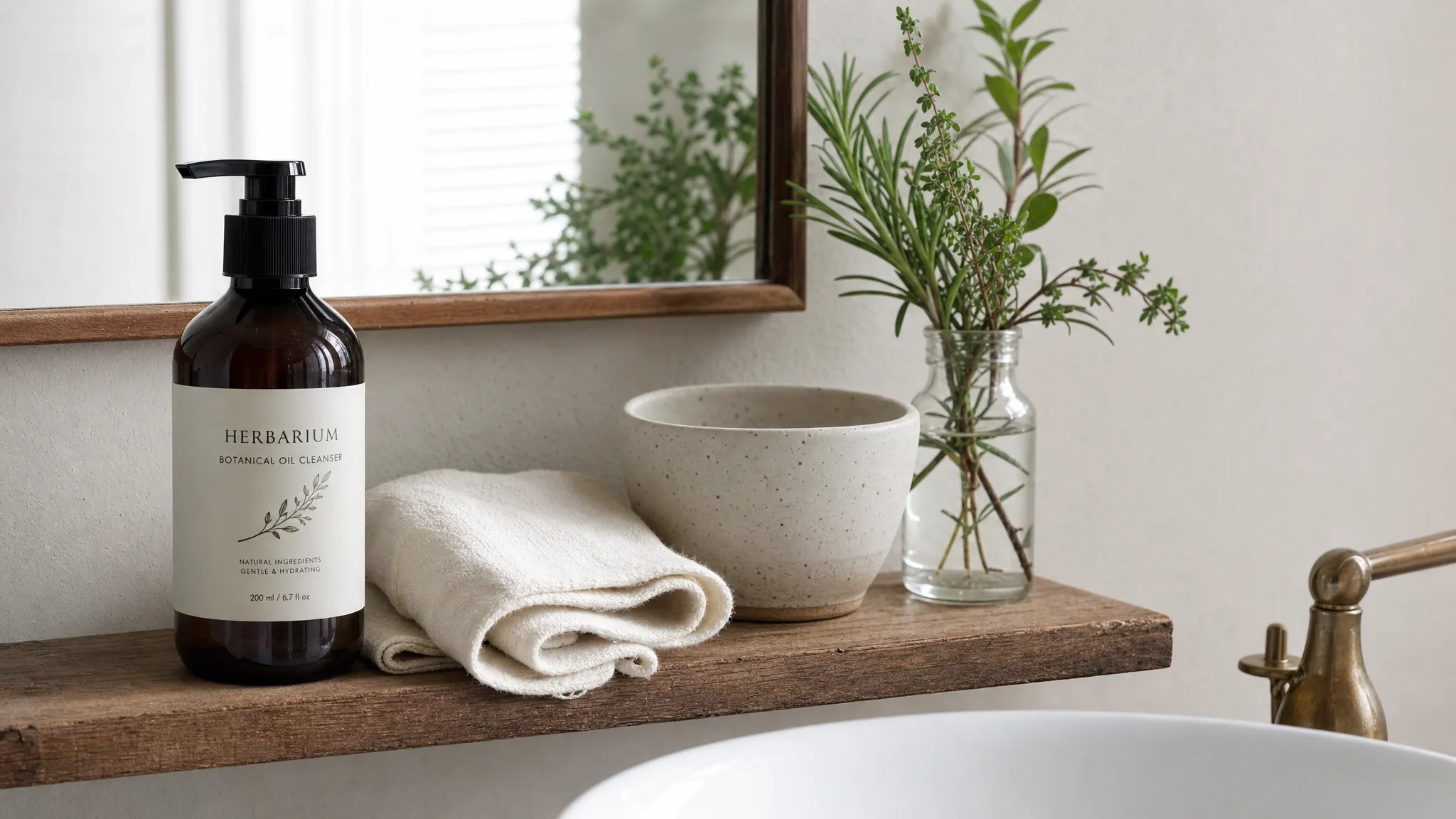
Natural oil and balm cleansers work by dissolving makeup, sunscreen, excess sebum, and daily grime without relying on an aggressively foamy feel. This can be especially useful for dry, mature, or sensitive skin. The goal is not to scrub your face into submission. It is to remove what needs to be removed while leaving the skin calm.
A good cleanser should leave your skin feeling clean but not bare. If you are curious about cleanser formats, Baby le Bébé’s guide to choosing a natural face cleanser explains how oil, balm, cream, and other gentle formats compare.
Step 2: Add Hydration Before You Add Oil
One common misunderstanding about oils is that they “hydrate” in the same way water-based products do. Oils are excellent at softening and helping reduce water loss, but they do not replace water. For best results, apply oils or balms over slightly damp skin or after a hydrating layer.
This is why timing matters. After cleansing, skin is often more receptive to moisture. A simple mist, aloe-based layer, or humectant serum can add light hydration. Then a botanical oil or balm helps lock that moisture in.
This approach is especially important in dry climates, winter weather, or heated indoor spaces. If your skin feels tight even after applying oil, you may not need more oil. You may need more water-based hydration underneath it.
Step 3: Nourish With Botanical Oils and Balms
Botanical oils and balms are where natural skin care products often shine. Plant oils contain fatty acids that help soften the skin and support the appearance of a healthy barrier. Plant butters add cushion and comfort, while waxes can create a protective layer that helps seal moisture in.
Different oils feel different because their fatty-acid profiles vary. Some are lightweight and quick absorbing. Others are richer and better suited to dry patches, body care, or overnight use. This is why the “best” natural oil is not universal. It depends on your skin type, climate, and the rest of your routine.
| Ingredient family | Examples | Best for | What to watch |
|---|---|---|---|
| Lightweight botanical oils | Jojoba, sunflower, grapeseed | Combination, oily, or easily congested skin | Choose fresh, well-stored oils to avoid oxidation |
| Rich botanical oils | Argan, avocado, olive | Dry or mature skin, body care | Use sparingly on breakout-prone facial areas |
| Plant butters | Shea, cocoa, mango | Dry patches, lips, hands, winter routines | Texture can feel heavy if overapplied |
| Natural waxes | Beeswax, candelilla, carnauba | Balms and protective salves | Beeswax is not vegan, so check labels if that matters to you |
| Herbal infusions | Calendula, chamomile, plantain | Sensitive-feeling or easily irritated skin | Patch test, especially if you react to botanicals |
Baby le Bébé offers both vegan and beeswax options, so ingredient lists are worth checking if you have a preference. Beeswax can be beautiful in a protective balm, while vegan waxes can offer a plant-based alternative for those avoiding all animal-derived ingredients.
Step 4: Protect Your Skin Every Morning
A natural routine still needs daily sun protection. UV exposure is one of the biggest contributors to visible skin aging, uneven tone, and barrier stress. Even if the rest of your routine is gentle and beautifully formulated, skipping sunscreen can undermine your progress.
If you prefer a more natural-leaning routine, look for a broad-spectrum mineral sunscreen that uses zinc oxide or titanium dioxide as active ingredients. Choose one you enjoy applying, because the best sunscreen is the one you will actually use consistently.
Think of sunscreen as the final morning step. Cleanse if needed, hydrate, apply oil or moisturizer if your skin wants it, then finish with SPF. In the evening, sunscreen should be removed with a gentle cleanser so your skin can reset comfortably overnight.
How to Read a Natural Product Label
A healthier routine becomes much easier when you can read labels with confidence. Start with the full ingredient list, not the marketing copy on the front. The first few ingredients usually tell you the most about the product’s base and texture.
Look for clarity. A formula does not need to be complicated to be effective. In fact, many people with sensitive or reactive skin do better with shorter ingredient lists because there are fewer possible triggers to identify.
Green flags often include:
- Full ingredient lists that are easy to find
- Recognizable botanical oils, butters, waxes, or herbal extracts
- Organic sourcing when possible
- Cruelty-free practices
- No synthetic fragrance if your skin is sensitive
- Packaging that protects delicate oils from light and air
Red flags include vague fragrance claims, trendy ingredients used without context, and formulas that promise instant transformation. Healthy skin is built through repeated support, not shock value.
For preservative-conscious shoppers, it is also important to understand the difference between water-based and water-free formulas. Water-containing products generally need a preservation system to remain safe. Anhydrous products, such as many oils and balms, have different stability considerations. Baby le Bébé’s guide to preservative-free skincare explains this distinction in more detail.
A Simple Morning and Evening Routine
If your current shelf feels overwhelming, simplify before you add anything new. A basic routine gives you a baseline, which makes it easier to understand what is helping and what is not.
| Time of day | Routine | Notes |
|---|---|---|
| Morning | Rinse or cleanse gently, apply hydration, use a light oil or moisturizer if needed, finish with sunscreen | Keep textures light if you wear makeup or live in a humid climate |
| Evening | Cleanse thoroughly, apply hydration, press in face oil, seal dry areas with balm | This is the best time for richer textures and skin-comfort rituals |
| Weekly | Add gentle exfoliation only if your skin tolerates it | Avoid exfoliating when skin feels irritated, sunburned, or compromised |
| Seasonal | Adjust richness based on weather | Use more balm in winter and lighter layers in warm months |
This kind of rhythm is simple, but it is not basic in the negative sense. It gives your skin what it needs most often: gentle cleansing, water, lipids, and protection.
If dryness is your main concern, Baby le Bébé’s guide on how to moisturize skin naturally offers more detail on layering humectants, oils, and balms.
How to Transition to Natural Skin Care Without Irritation
Switching to natural products is best done slowly. Even gentle formulas can cause confusion if you introduce too many at once. When everything changes overnight, you cannot tell which product improved your skin or which one triggered a reaction.
Start with the product that touches your skin most often, usually cleanser or moisturizer. Use it consistently for at least one to two weeks before changing another step. If you have sensitive skin, patch test first on a small area such as the inner arm or behind the ear, then monitor for redness, itching, stinging, or bumps.
A slow transition also helps you avoid overcorrecting. If your skin feels dry, you may not need five new products. You may simply need a gentler cleanser and a better sealing step. If your skin feels oily, you may not need harsher cleansing. You may need a lighter oil and less friction.
Common Mistakes to Avoid
Natural skin care works best when it is used with patience and restraint. The following habits can make even beautiful products underperform:
- Using too much oil at once, which can leave skin greasy instead of comfortable
- Applying oil to completely dry skin, which may not address dehydration
- Assuming every essential oil is suitable for sensitive skin
- Exfoliating more often because a product is natural
- Ignoring sunscreen because the rest of the routine feels “clean”
The healthiest routines are not the most extreme ones. They are the ones that protect your barrier, respect your skin’s signals, and make daily care feel good enough to repeat.
Frequently Asked Questions
Are natural skin care products better for sensitive skin? They can be, especially when formulas are simple, fragrance-conscious, and barrier-supportive. However, natural ingredients can still irritate some people, so patch testing is important if your skin is reactive.
How many products do I need for a healthier routine? Most people can start with a gentle cleanser, a hydrating layer, a moisturizer or botanical oil, sunscreen for daytime, and a balm for dry areas. Add targeted treatments only after your basics are working well.
Can natural oils clog pores? Some oils may feel too heavy for acne-prone or congested skin, while others are lightweight and better tolerated. Choose oils based on your skin type, use a small amount, and introduce one product at a time.
Do preservative-free products expire faster? It depends on the formula. Water-free oils and balms have different preservation needs than water-based creams or lotions, but they still require proper storage away from heat, light, and contamination.
Should I switch my whole routine at once? No. Introduce natural skin care products gradually so you can track how your skin responds. This is especially important if you have eczema-prone, rosacea-prone, acne-prone, or highly sensitive skin.
Create a Routine That Feels Good on Your Skin
Natural skin care products are most powerful when they are chosen with intention. Cleanse gently. Hydrate before sealing. Use botanical oils and balms where they make sense. Protect your skin every morning. Above all, give your routine enough simplicity and consistency to let your skin settle.
Baby le Bébé’s apothecary is designed for that kind of care: 100% natural, largely organic, cruelty-free, and crafted without synthetics, petroleum, parabens, or fillers. Explore the collection at Baby le Bébé and build a routine that feels healthier, calmer, and beautifully your own.


0 comments