

Your skin feels tight before noon. You smooth on lotion, get a brief moment of comfort, and then the dryness comes back by afternoon. By evening, your shins look dusty again, your elbows feel rough, and your hands seem to have skipped moisturizer entirely.
That cycle is frustrating because it makes it seem like dry skin is a personal failure. It is not. Often, it is a sign that your skin needs a different kind of support.
The best body oil for dry skin is not just the richest bottle on a shelf. It is the oil that matches your skin’s needs, uses nourishing botanical ingredients, and leaves your barrier calmer, softer, and more resilient over time. Once you know how to read a label and how to apply oil well, you can make better choices with confidence.
Beyond a Temporary Fix for Dry Skin
Dry skin rarely asks politely for attention. It pulls, flakes, stings after a shower, and makes soft clothing feel scratchy. Many people respond the same way. They keep reapplying lotion and hope this time it will last longer.
The problem is that relief and repair are not always the same thing. A product can make skin feel smoother for a little while without helping the deeper issue, which is often a weakened barrier that lets moisture slip away too easily.
What dry skin often needs
Your skin barrier is made in part of lipids, the fats that help keep water in and outside stress out. When that barrier is depleted, skin can feel raw, uneven, or fragile.
A well-chosen body oil works with that reality instead of covering it up. It supports the skin with lipids, softens rough texture, and helps hold onto hydration already present in the skin.
That is why many people find oils more satisfying than lotions when dryness is persistent. The shift is small but important. You stop chasing a temporary soft feel and start supporting the structure of the skin itself.
A gentler philosophy
I always encourage people to think like caretakers, not controllers. Dry skin does not need to be bullied into behaving. It needs steadiness, nourishment, and less interference.
That often means choosing fewer ingredients, more botanicals, and formulas that feel alive on the skin rather than waxy or overly perfumed. If your dryness comes with redness or sensitivity, learning more about how to repair the skin barrier can make your whole routine feel less confusing.
Dry skin improves fastest when you stop treating softness as the goal and start treating barrier support as the goal.
The best body oil for dry skin fits into that calmer approach. It does not promise perfection overnight. It helps skin become stronger, less reactive, and more comfortable day after day.
Why Body Oil is a Superior Choice for Dry Skin
Think of lotion as a quick drink and body oil as a nourishing meal. A drink can help for the moment. A meal stays with you longer and gives your body more to work with.
That analogy is not perfect, but it helps explain why oils often feel more substantial on dry skin. They are rich in lipids, and dry skin usually lacks enough of those protective fats.

The barrier question
Skin does not only need moisture added. It also needs help keeping moisture from escaping. That escape is often described as transepidermal water loss, or TEWL.
When TEWL is high, skin can feel dry even if you moisturize often. You are adding comfort, but not sealing it in effectively enough.
Botanical oils help because many of them resemble components already found in skin. That makes them especially useful for people whose skin feels thin, tight, flaky, or weather-beaten.
What the research suggests
One verified data point stands out. Body oils can penetrate up to 80% deeper into the skin barrier and lock in moisture for up to 72 hours, compared with lotions’ typical 24-hour efficacy. The same source notes that 30 to 40% of adults worldwide are affected by xerosis, or clinically dry skin, and highlights sweet almond, argan, squalane, and rosehip as oils that mimic the skin’s natural sebum and help restore a disrupted lipid matrix (dermatologist-recommended body oils for dry skin).
That matters because dry skin is not always about needing “more moisture” in a vague sense. Often, it is about needing the right kind of material on the skin. Oils provide that material in a concentrated, skin-friendly form.
Why oils feel different on the skin
A good body oil does several jobs at once:
- It softens rough texture by coating uneven areas with emollient lipids.
- It slows water loss by creating a protective seal over damp skin.
- It improves flexibility so skin feels less papery and less prone to discomfort.
- It brings nourishment through fatty acids and naturally occurring antioxidants.
This is why a quality oil can feel more elegant than a heavy cream. It does not have to sit like a thick layer to be effective. If the formula is balanced well, it can leave skin supple rather than sticky.
If your lotion works for an hour and then your skin feels parched again, your skin may be asking for lipids more than another layer of water-based moisture.
For many people, the best body oil for dry skin is not a luxury step. It is the missing step.
Decoding the Label Key Ingredients for Deep Hydration
A body oil label can look simple, but a lot is hiding in those ingredient names. Once you know which oils tend to support dry skin best, shopping becomes much easier.
I like to think of each botanical oil as having a personality. Some rush in quickly. Some linger protectively. Some comfort reactive skin. Some bring a brighter, renewed feel to rough areas.
Meet the oils worth knowing
Squalane, the skin mimic
Squalane is one of the easiest ingredients to love if you dislike greasy textures. Verified data describes squalane, derived from olives or sugarcane, as mimicking the skin’s natural sebum with a low molecular weight, enabling rapid penetration into the stratum corneum within 30 to 60 seconds without greasy residue. The same source notes a non-comedogenic rating of 0 and states that it can reduce TEWL by up to 20 to 30% in clinical studies by replenishing ceramides and cholesterol depleted in dry skin (how squalane supports dry skin).
In plain language, squalane feels silky, light, and calm. It is often a beautiful choice for people who want softness without heaviness.
Argan oil, the cushioner
Argan oil has a plush, comforting feel. It tends to suit skin that looks dull and feels brittle, especially in cooler weather.
It is one of those oils that makes skin feel wrapped rather than coated. If your legs or arms often look ashy shortly after moisturizing, argan can add a lovely sense of elasticity and richness.
Jojoba oil, the balancer
Jojoba is technically a wax ester, and it behaves a bit differently from many classic oils. Its texture is usually smooth, stable, and balanced.
People who say, “I want an oil, but I hate the feeling of oil,” often do well with jojoba in a blend. It can help a formula feel polished and approachable, especially for skin that is dry but also reactive.
Rosehip oil, the renewer
Rosehip has a more active personality. It is often chosen when dry skin also looks tired, uneven, or weathered.
In a body oil, rosehip can make rough patches feel more refined over time. It is especially pleasant in blends meant for neglected places like upper arms, knees, or the backs of hands.
A quick comparison table
| Oil | Key Benefit | Texture/Feel | Best For |
|---|---|---|---|
| Squalane | Supports barrier comfort and fast absorption | Light, silky, non-greasy | People who want softness without residue |
| Argan Oil | Adds cushioning nourishment | Rich, velvety | Very dry, rough, winter-stressed skin |
| Jojoba Oil | Helps a blend feel balanced and skin-friendly | Smooth, light-medium | Reactive skin and oil-shy users |
| Rosehip Oil | Supports a renewed, supple feel | Lightweight to medium | Dry skin that also looks tired or uneven |
How to read the ingredient list
You do not need a chemistry degree. You need a few practical habits.
- Check the first ingredients: The oils listed near the top usually shape the formula most.
- Look for recognizable botanicals: A short list of plant oils is often easier to understand than a long list of fillers.
- Notice the feel you want: Fast-absorbing oils suit daytime. Richer oils may suit evenings or winter.
- Learn the role of fatty acids: If you want to understand why some oils leave skin calmer and less rough, this guide on fatty acids in skincare is very helpful.
The best label is not the one with the longest ingredient list. It is the one where every ingredient has a clear reason to be there.
The best body oil for dry skin usually contains a thoughtful mix rather than one trendy oil used as decoration.
The Unseen Irritants Ingredients to Avoid in Body Oils
Reading for good ingredients is only half the skill. The other half is learning what can get in the way.
Many mass-market body oils are built to feel slick, smell strong, and sit on shelves for a long time. Those goals do not always match what dry, sensitive skin needs.
When “smooth” is misleading
Some formulas rely heavily on petroleum-derived ingredients or mineral oil to create immediate slip. They can make skin feel coated quickly, which some people mistake for nourishment.
But coating is not the same as feeding the skin with supportive plant lipids. If you want an oil that feels alive and restorative, a formula dominated by inert occlusives may leave you underwhelmed.
Fragrance can complicate dry skin
Synthetic fragrance is one of the first things I suggest questioning, especially when skin is already irritated. A strong scent can turn a soothing ritual into a low-level source of stress for the skin.
Even when irritation is not dramatic, repeated exposure can make sensitive skin less happy over time. If your skin tends to sting after shaving, showering, or weather changes, heavily fragranced body oil is rarely the kindest path.
Why simpler formulas often win
Preservatives, silicones, colorants, and decorative additives can all have a place in conventional skincare. But when your focus is dry, reactive skin, simplicity often serves you better.
A shorter ingredient list gives you clearer feedback. If your skin loves the product, you know why more easily. If it does not, there are fewer suspects.
Here is the rule I use in the apothecary:
- Choose nourishment over gloss: Skin needs supportive lipids more than a shiny finish.
- Choose quiet over perfume: A subtle botanical aroma is often easier on sensitive skin.
- Choose function over filler: Every ingredient should contribute to comfort, slip, or barrier support.
- Choose formulas you understand: If the list feels crowded and confusing, keep looking.
A body oil should not feel like liquid plastic wrap. It should feel breathable, supple, and very comforting.
The Art of Application Maximizing Your Body Oil Ritual
A beautiful oil can still disappoint if you apply it at the wrong moment. Technique matters more than many realize.
Start with damp skin
The single best time to apply body oil is right after bathing, while the skin is still lightly damp. That surface moisture gives the oil something to seal in.
If you towel off completely and wait too long, you lose much of that opportunity. Dry skin benefits most when hydration and oil meet at the same time.
Use less than you think
People often overapply at first because they expect body oil to behave like lotion. It does not need to.
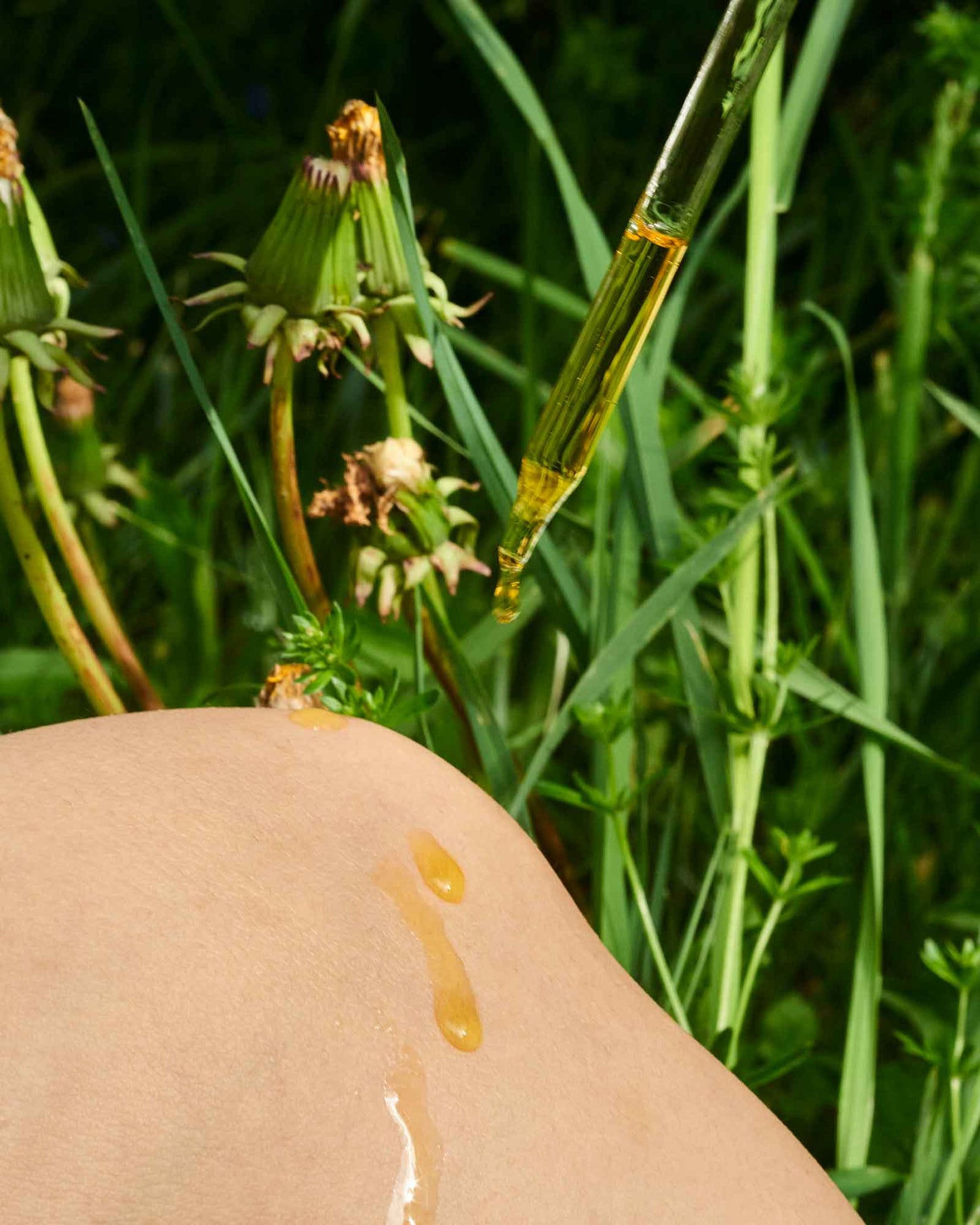
Warm a small amount between your palms, then sweep it over the skin in long strokes. Pause at dry zones like shins, knees, elbows, cuticles, and heels.
A gentle routine might look like this:
- Pat, don’t rub, after bathing: Leave a trace of water on the skin.
- Warm the oil in your hands: This makes the application feel smoother and more even.
- Press and glide: Use long strokes on limbs and circular motions on rough patches.
- Give it a minute: Let the oil settle before dressing.
For readers who want more practical timing tips, how to use body oil after a shower gives a helpful visual routine.
A short visual guide can make the method easier to remember:
Turn it into a ritual
Application changes when it stops feeling like one more chore. Body oil invites slower touch. It asks you to notice where the skin feels tight, where it catches on fabric, where it needs a little more care.
Apply body oil as if you are finishing a garment with your hands. Smooth, even, attentive. That mindset alone often changes the result.
The best body oil for dry skin should leave your body comfortable enough that you stop thinking about your skin all day.
Building Your Ultimate Hydration Routine
For some people, body oil alone is enough. For others, especially in cold weather or very dry indoor environments, layering works better.
Layering sounds complicated, but it is simple once you know the order. Start with the lightest texture and finish with the richest.
A practical layering order
Think in terms of delivery, seal, and spot treatment.
A lightweight body serum goes first if you use one. That step can add water-based hydration or targeted care to thirsty skin.
Body oil comes next. This is the sealing step, where you help trap that hydration and soften the skin surface.
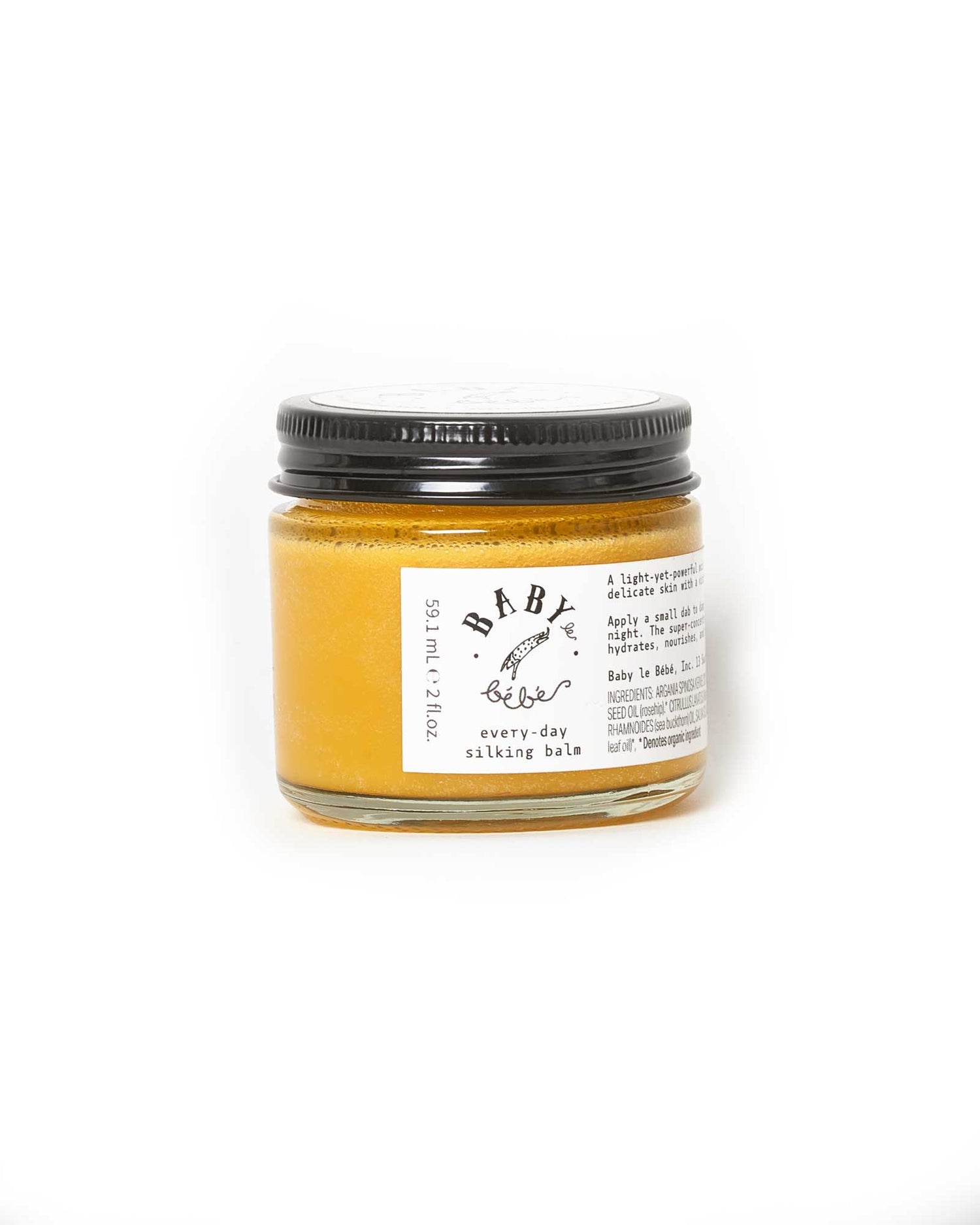
A balm can go last on stubborn areas. Elbows, knees, heels, and knuckles often need that final cocooning layer.
When to layer and when not to
Layer when your skin still feels tight even after using oil correctly. Layer when climate, hot showers, wind, or indoor heating keep draining comfort from the skin.
Keep it simple when your skin is calm. Overcomplicating a routine can make it harder to identify what helps.
A useful approach is to build from your driest zones outward:
- Use serum under oil on broad areas if the whole body feels depleted.
- Use oil alone for normal daily maintenance.
- Use balm over oil only where the skin is thick, cracked, or persistently rough.
Patch testing matters
Even botanical skincare deserves a patch test. Natural ingredients can still be active, and your skin’s preferences are personal.
Test a small amount on an inner forearm or another discreet area. Give your skin a little time to respond before using a new formula all over.
This habit is especially worthwhile if your skin is reactive, freshly shaved, or already irritated. Slow introductions usually lead to better long-term routines.
The Baby le Bébé Difference Botanical Oils for Resilient Skin
When I think about what makes a body oil worth bringing into a daily ritual, I return to the same standards every time. The formula should be understandable. The ingredients should have a purpose. The feel on the skin should be elegant, not flashy.
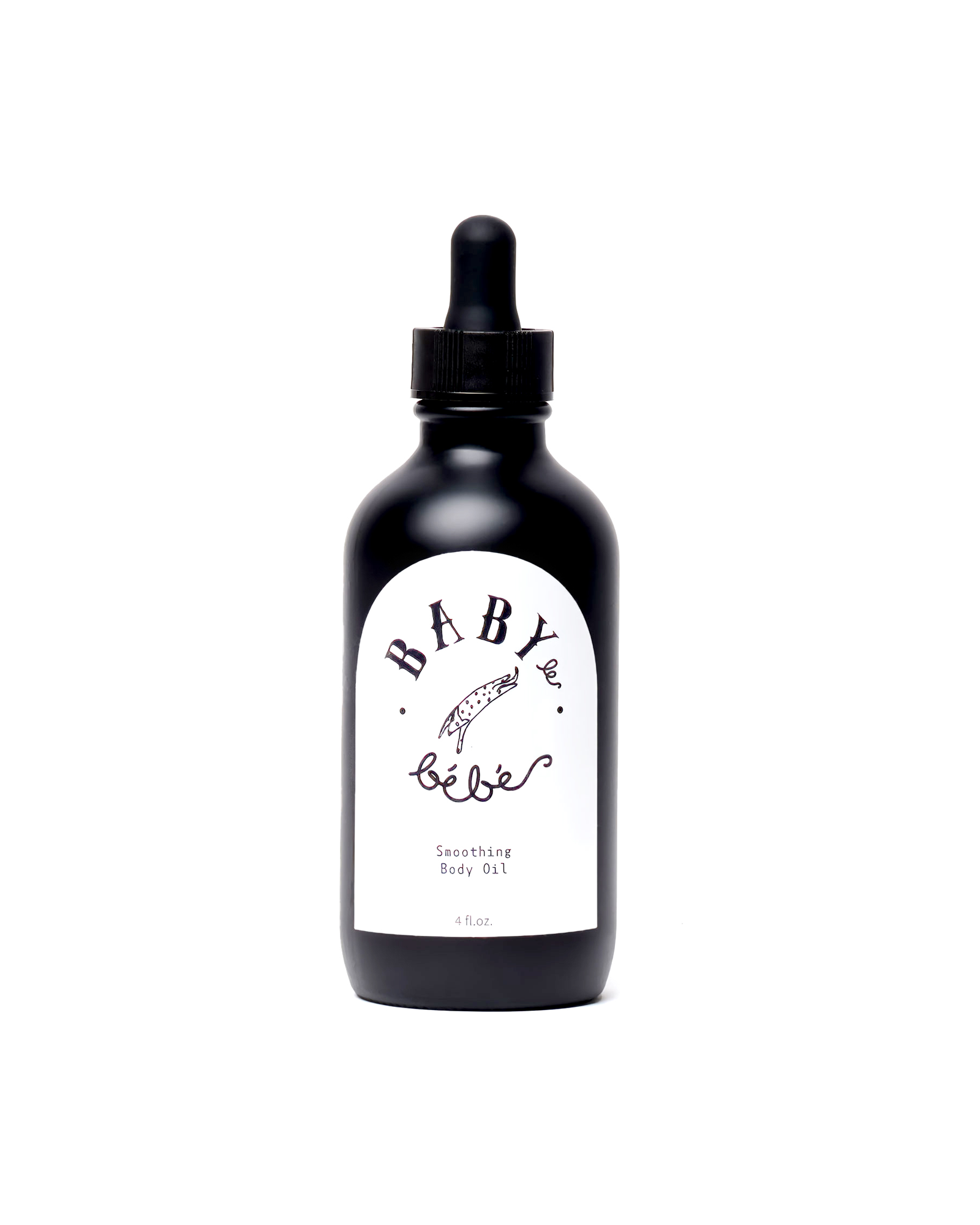
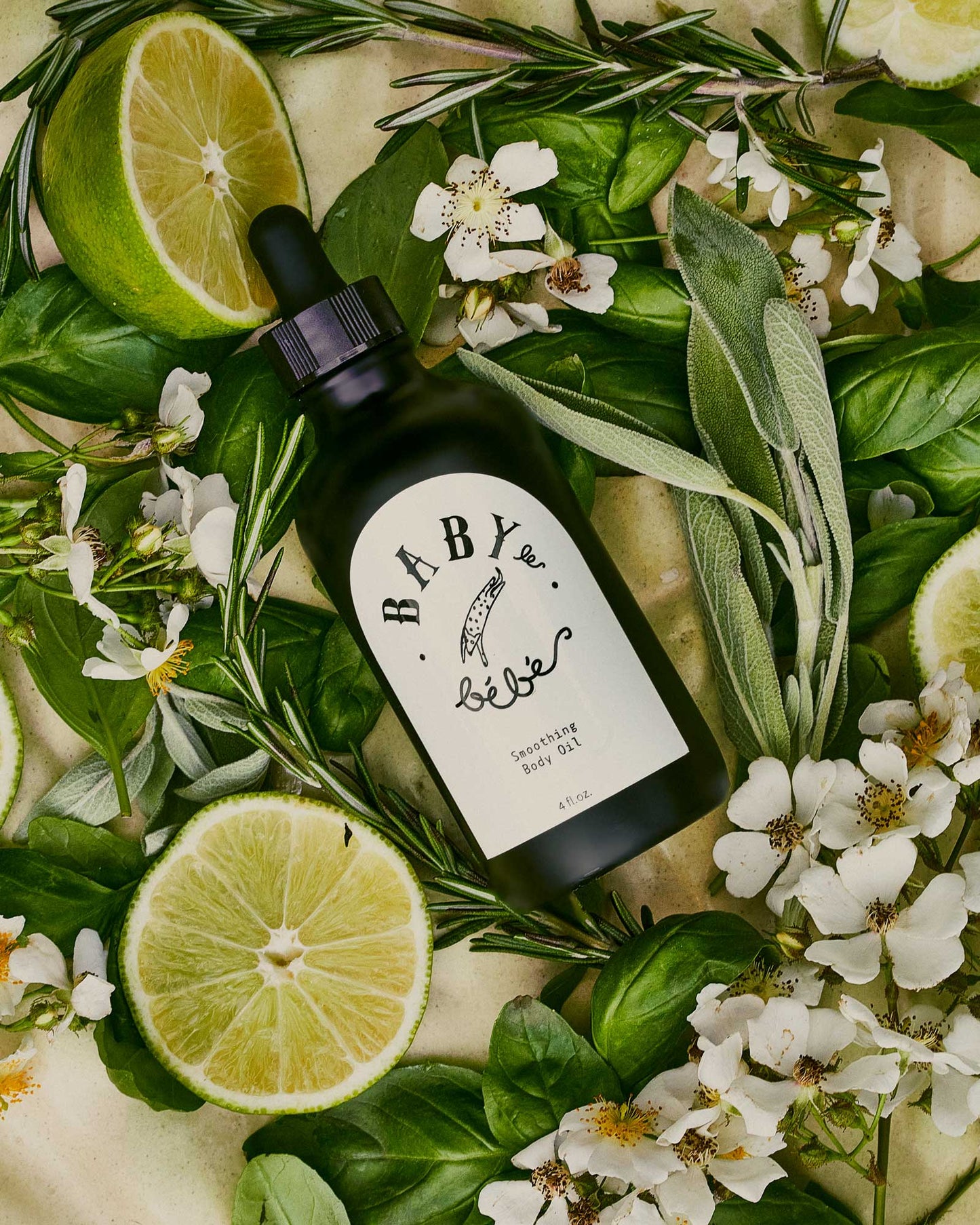
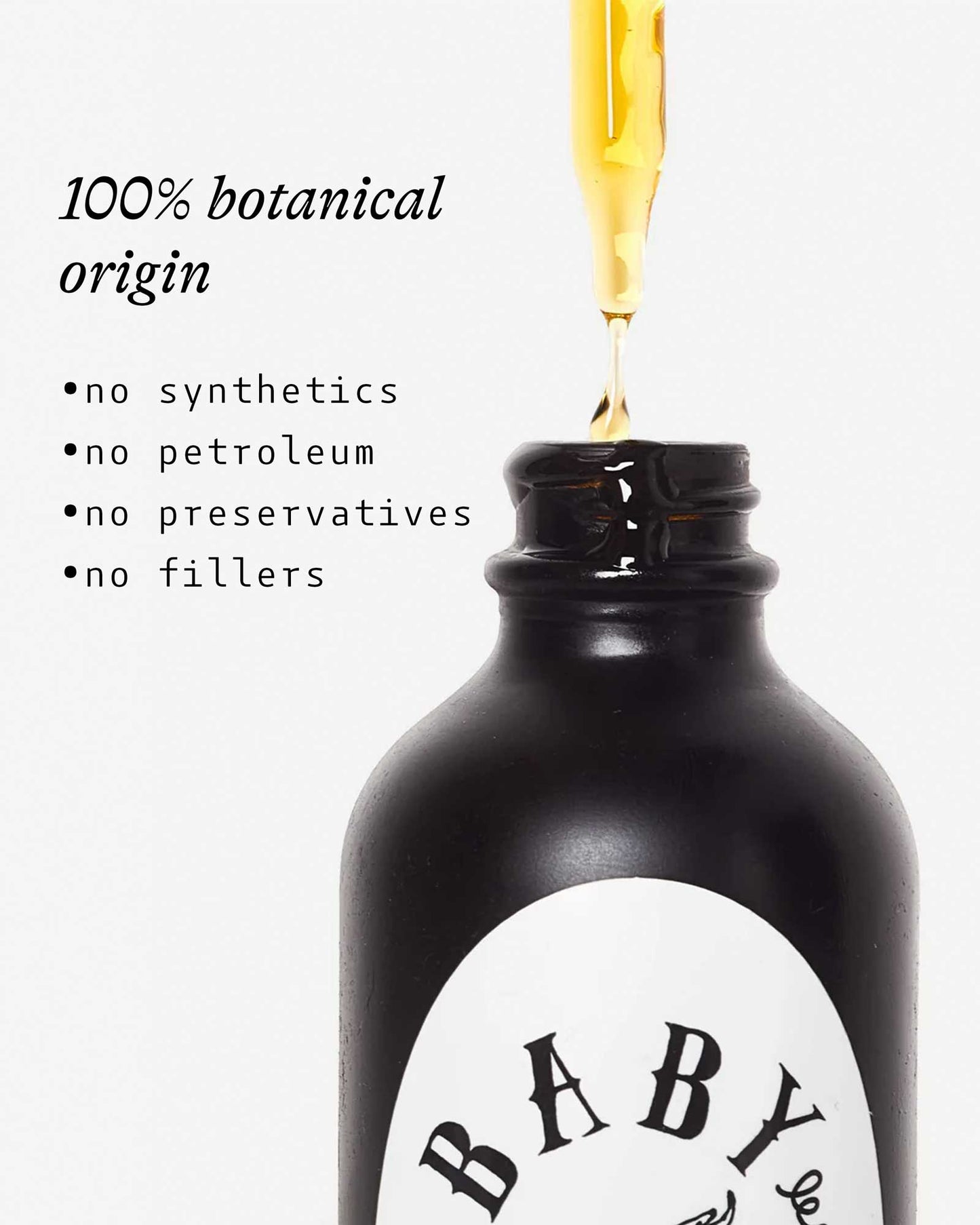
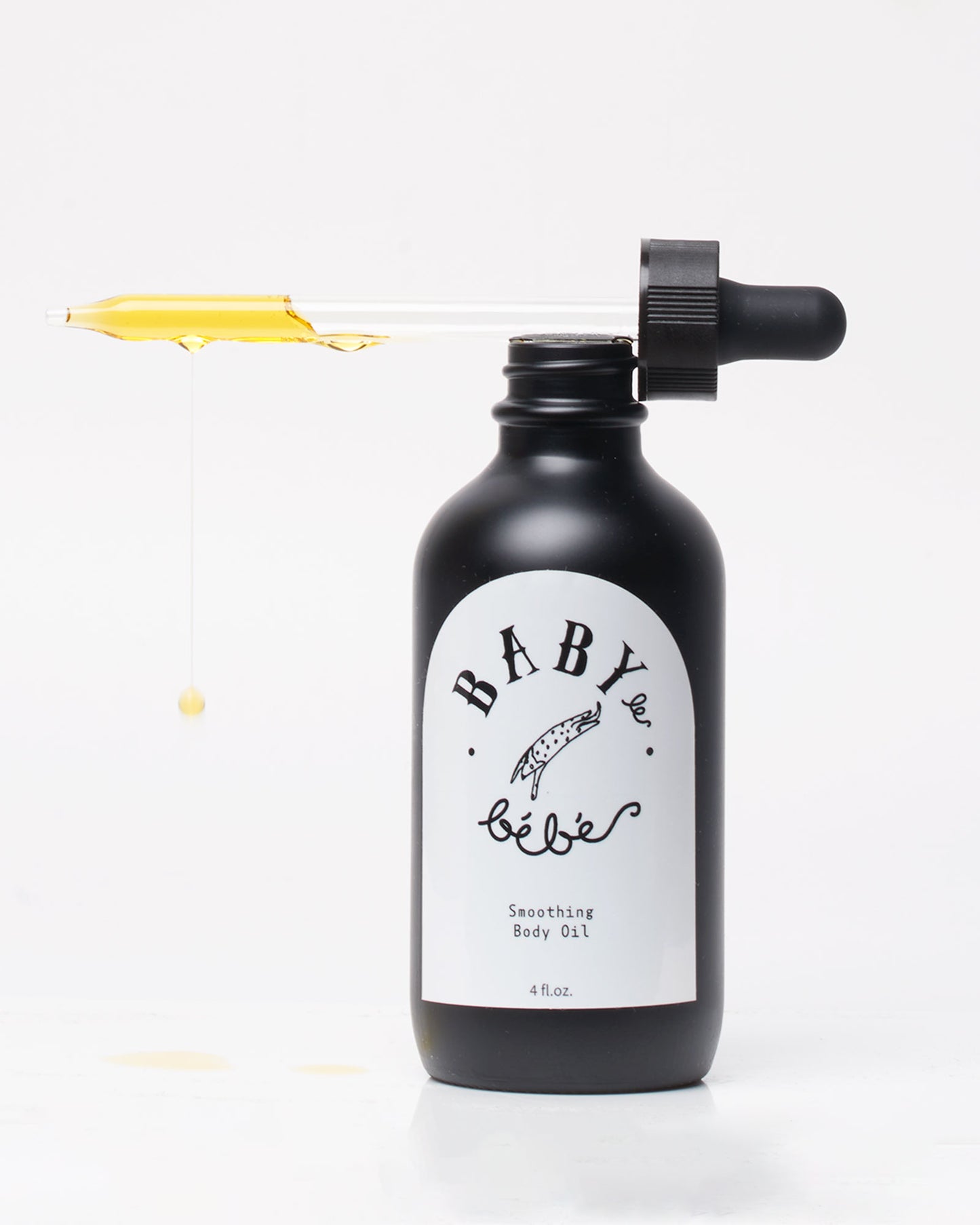
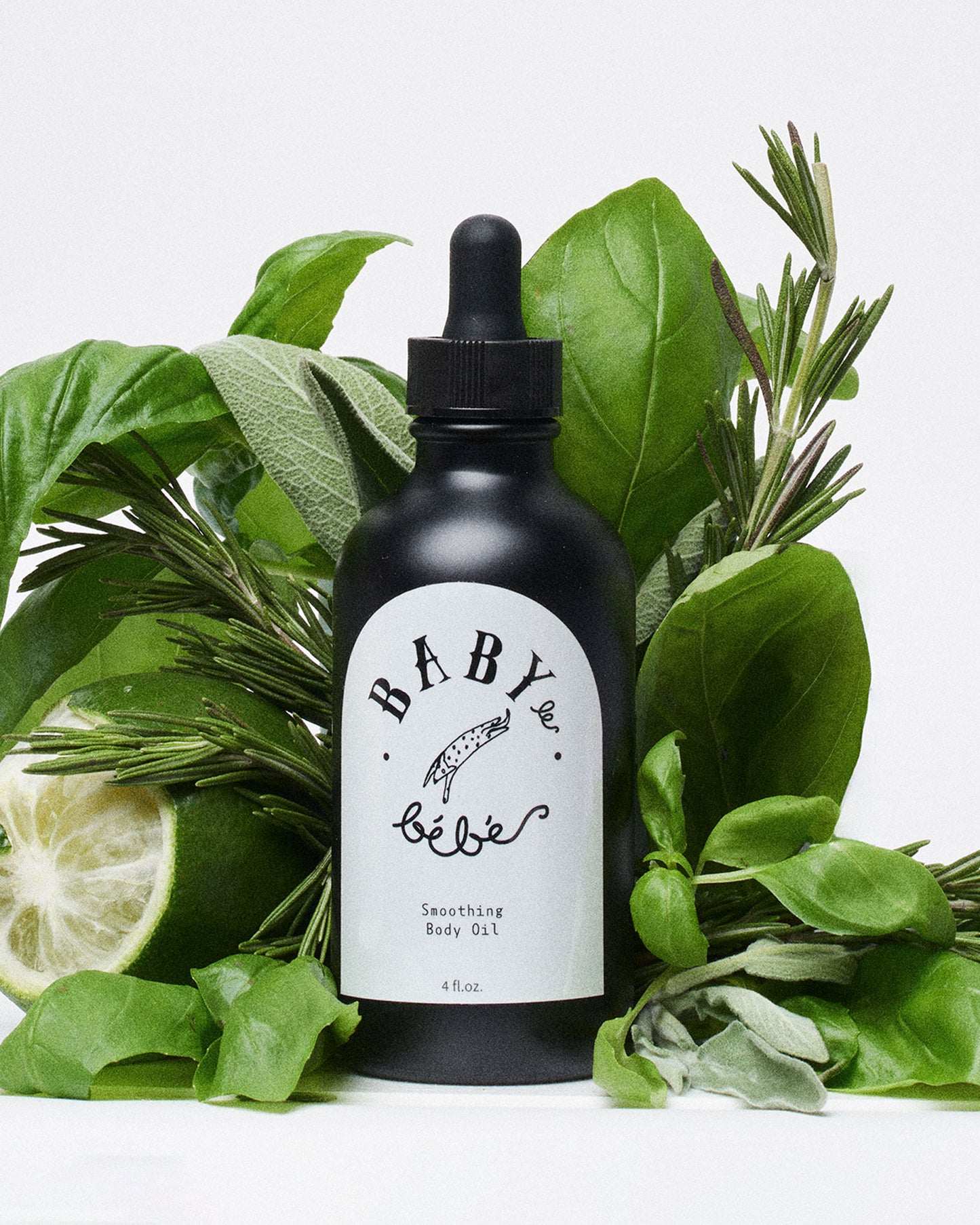
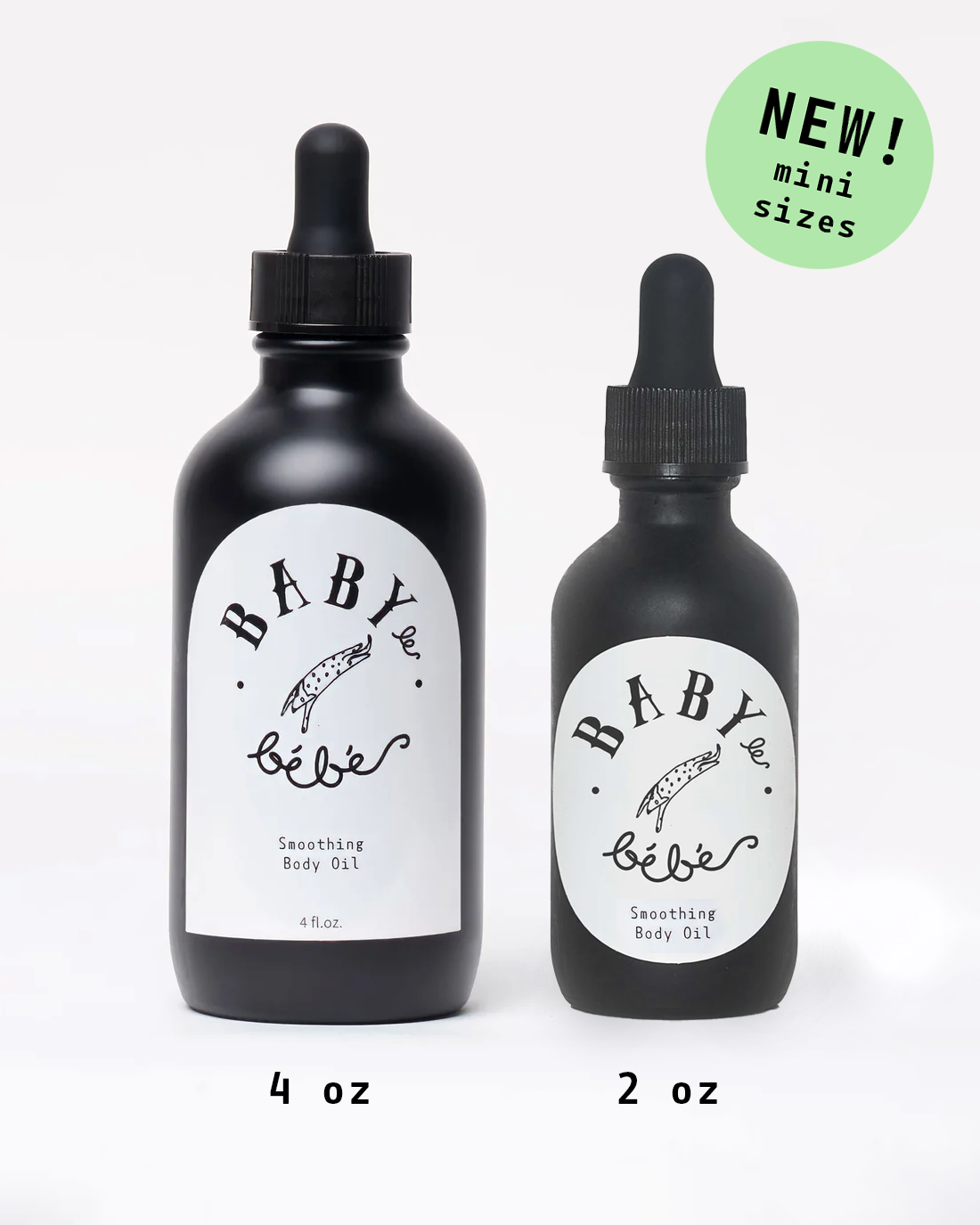
That is why Baby le Bébé fits naturally into this conversation. The brand formulates in the Catskills with 100% natural and 99% organic ingredients, and avoids petroleum, preservatives, synthetics, parabens, and animal testing. Its Smoothing Body Oil uses castor, argan, and rosehip oils to smooth, moisturize, and soften dry skin.
Why that approach matters
Those choices line up with everything dry, sensitive skin tends to appreciate. Fewer unnecessary extras. More reliance on botanical oils with a clear skin-supportive role.
A preservative-free formula also reflects a very specific philosophy. The product is built as a fresh, intentional body treatment rather than a shelf-driven formula padded with stabilizers and decorative ingredients.
What to notice when you try a formula like this
Do not only ask whether skin feels shiny after application. Ask better questions.
- Does your skin still feel comfortable hours later?
- Do rough patches feel more flexible after repeated use?
- Does the formula sink in cleanly, or just sit on top?
- Does your skin feel calmer, not merely coated?
Those are the signs that a body oil is doing more than adding slip. It is supporting resilience.
The best body oil for dry skin is usually the one that makes your routine quieter. Less chasing. Less reapplying. Less confusion about what your skin needs.
Your Body Oil Questions Answered
Will body oil make my back or chest break out
It can if the formula is very heavy for your skin or packed with irritating extras. But not all oils behave the same way. Lighter, well-balanced botanical oils usually feel very different from thick, greasy blends. If you are acne-prone on the body, start with a small amount and patch test first.
Can I use my body oil on my face
Sometimes, but not automatically. Body oils and face oils may share ingredients, yet the face often needs a more specific balance. If your body oil has a simple formula and your facial skin is not highly reactive, you may tolerate it well. Still, test carefully.
What is the difference between a body oil and a bath oil
A body oil is meant to stay on the skin. A bath oil is added to water and is partly dispersed, diluted, or rinsed as you soak. Some bath oils leave a softening veil behind, but they do not always replace a leave-on body oil.
How long should a bottle of body oil last with daily use
That depends on the size of the bottle, how many areas you treat, and how generously you apply it. If you use oil on damp skin, you usually need less product than you think. A few mindful applications often go further than repeated heavy pours on fully dry skin.
What if my skin still feels dry after using oil
Check the method before blaming the product. Apply on damp skin, look at the ingredient list, and consider layering with a serum or balm in very dry areas. If skin is also itchy, inflamed, or persistently uncomfortable, it may be worth speaking with a dermatologist.
If you want a botanical ritual built around gentle, preservative-free care, explore Baby le Bébé. Their collection reflects the kind of simple, ingredient-led philosophy that helps dry skin feel supported rather than overwhelmed.