

You're probably here because you've looked at a shelf, or a product page, full of creams that all say some version of natural, clean, botanical, pure, non-toxic, or gentle, and somehow that didn't make the decision easier. One jar is full of flowers on the label but hides a long synthetic ingredient list. Another sounds medicinal and plain, but the formula is beautifully built. That confusion is normal.
The best natural cream for face isn't one universal product. It's the cream whose formulation matches your skin, your values, and the way you use skincare. In a botanical apothecary, that's how we think about it. Not as trend-following, but as craft. A good face cream should soften, protect, and support the skin barrier without asking your skin to tolerate a lot of unnecessary extras.
Your Guide to Finding the Best Natural Face Cream
You stand in front of a shelf of face creams. One jar promises botanicals, another promises clean beauty, a third uses the language of purity. Turn them around, and the ingredient lists can tell three very different stories.
That is the essential starting point. A good natural cream is not defined by the word natural on the front. It is defined by how the formula is built, why each ingredient is there, and how that blend behaves on actual skin.
Shoppers have become more careful about labels, and for good reason. Marketing language has grown faster than formulation standards. A cream can sound earthy and gentle while relying on filler ingredients, heavy fragrance, or only a token amount of plant material. If you want to choose well, it helps to understand how natural skincare ingredients are assessed for safety and efficacy, then bring that same scrutiny to the ingredient list.
What best really means
The best natural cream for face is the one that fits your skin's condition, your climate, and your tolerance for richness, scent, and finish. Dry, depleted skin often needs more cushion and occlusion. Combination skin may do better with a lighter cream that still supports the barrier. Sensitive skin usually benefits from shorter, quieter formulas with fewer fragrant plant extracts.
A useful way to shop is to ask a few precise questions:
- What does your skin need right now. More water retention, more barrier support, more softness, or a calmer formula.
- What texture will feel good enough to use every day. A soft cream, a balm-cream, or a lighter layer under facial oil.
- Which ingredients are carrying the formula. Plant oils, butters, waxes, humectants, and carefully chosen botanical actives.
- Which ingredients are mostly decorative. Tiny amounts of trendy extracts, excess fragrance, or fillers that add slip without much skin benefit.
The front label sets the mood. The ingredient list shows the craft.
This shift means the old shortcuts no longer work. Richer does not always mean more nourishing. Longer does not always mean more refined. Some of the strongest natural formulas are restrained, stable, and built around a clear purpose.
A better way to shop
From an apothecary point of view, formulation is philosophy made practical. Every jar reflects choices about preservation, texture, absorption, plant sourcing, and skin feel. That is why two creams made with natural ingredients can perform nothing alike.
Read a label with that in mind. Look for a formula that makes sense as a whole, not one or two pretty ingredients scattered through a long list. Once you start reading creams this way, the category becomes much less confusing, and your odds of finding one that suits your skin get much better.
Decoding What Natural Skincare Really Means
The word natural sounds clear, but on a skincare label it often isn't. Brands use it loosely. That's why good buying habits matter more than front-label language.
What to check first
Start with the ingredient list, not the claims panel. A botanical formula usually gives you a clear sense of what the product is made from. You'll often see recognizable plant oils, butters, waxes, and extracts listed with their proper botanical names.
Then look for signs of formulation restraint:
- Botanical priority. Plant oils, butters, waxes, and extracts should appear as core ingredients, not just decorative additions near the end.
- Preservation philosophy. Some natural makers use waterless or low-water formulas because they need fewer preservation inputs.
- Sourcing transparency. Responsible brands usually explain where ingredients come from and why they chose them.
- Third-party certifications. Certifications can help, especially when you want stricter standards around organic sourcing, though they aren't the only sign of quality.
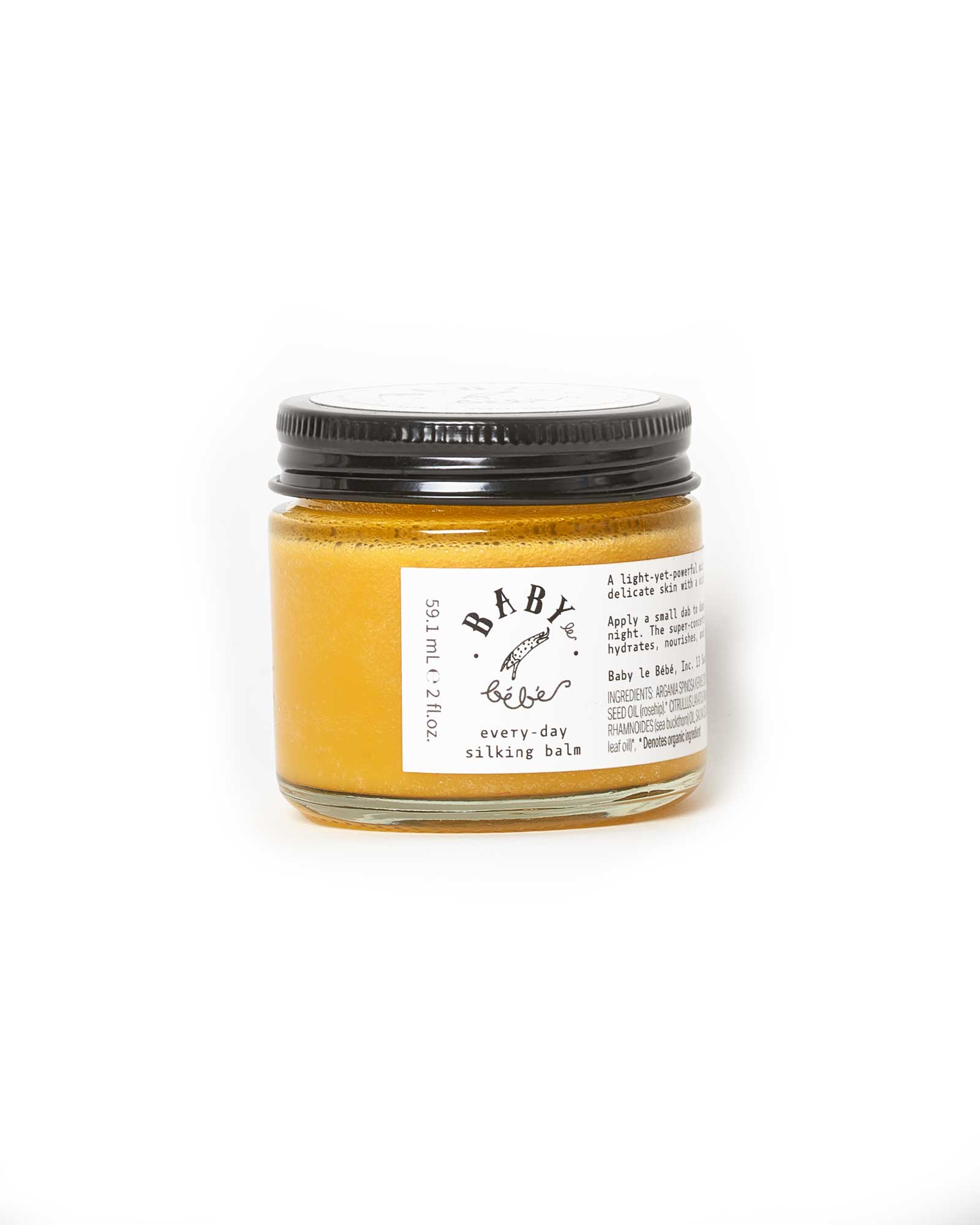
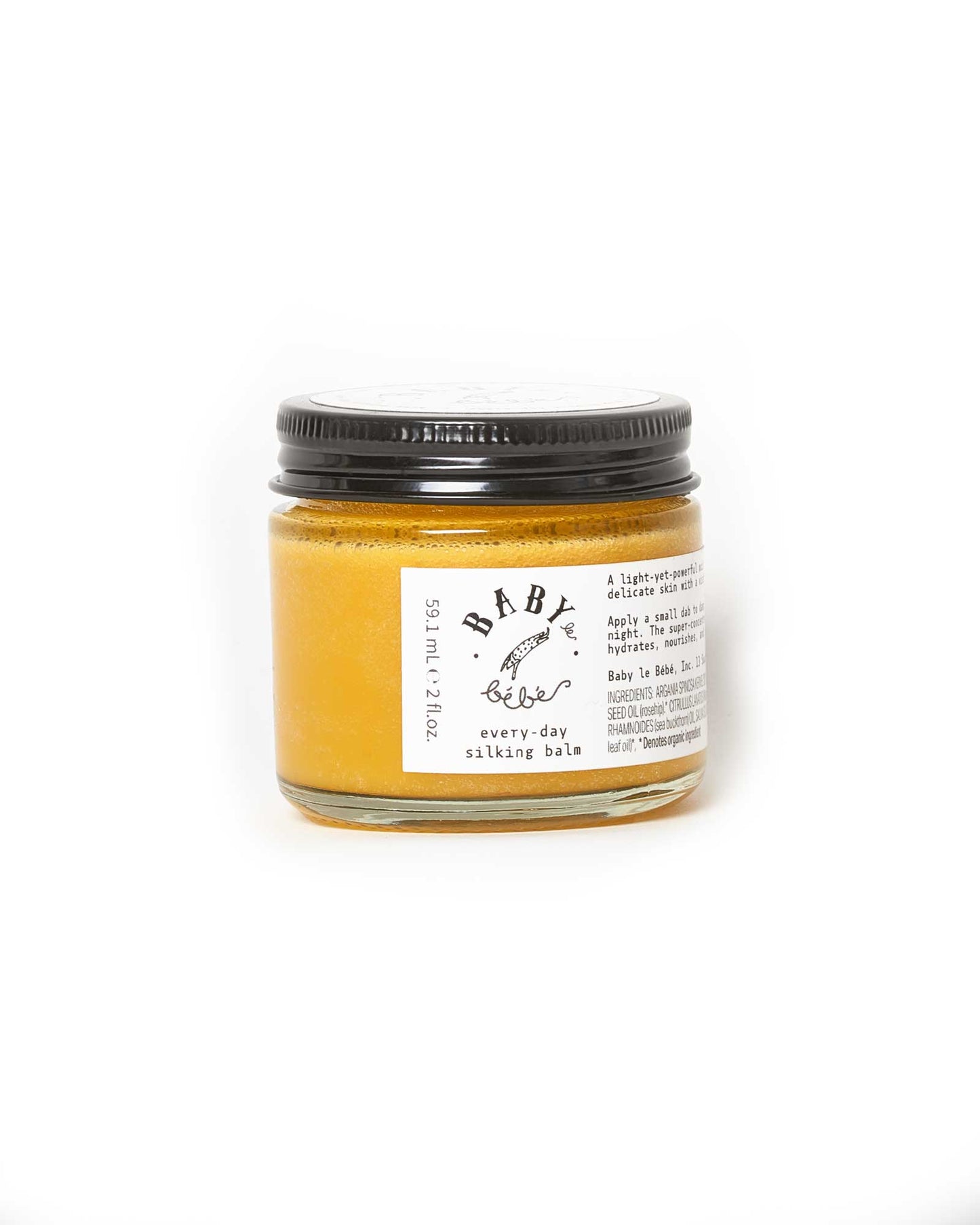
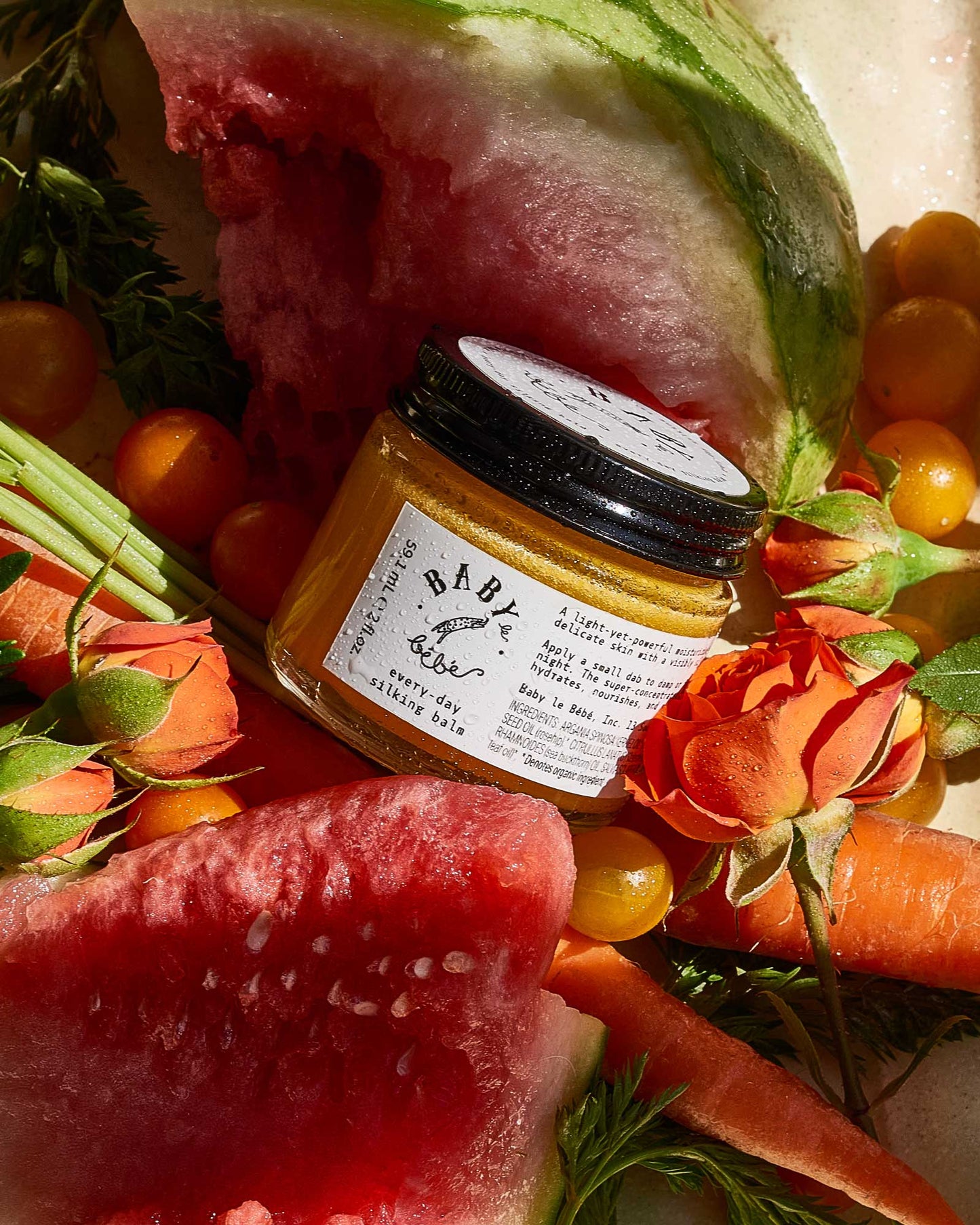
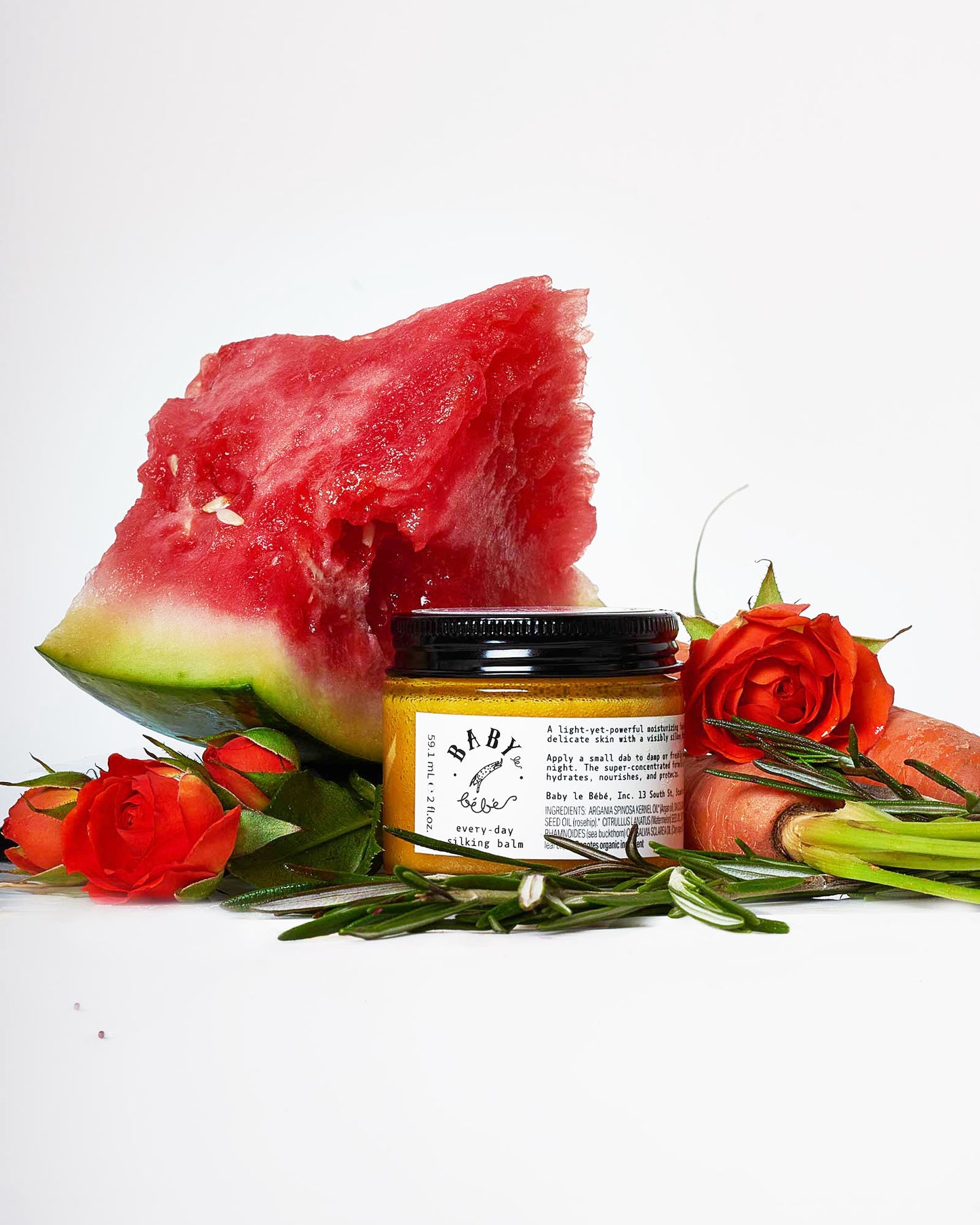
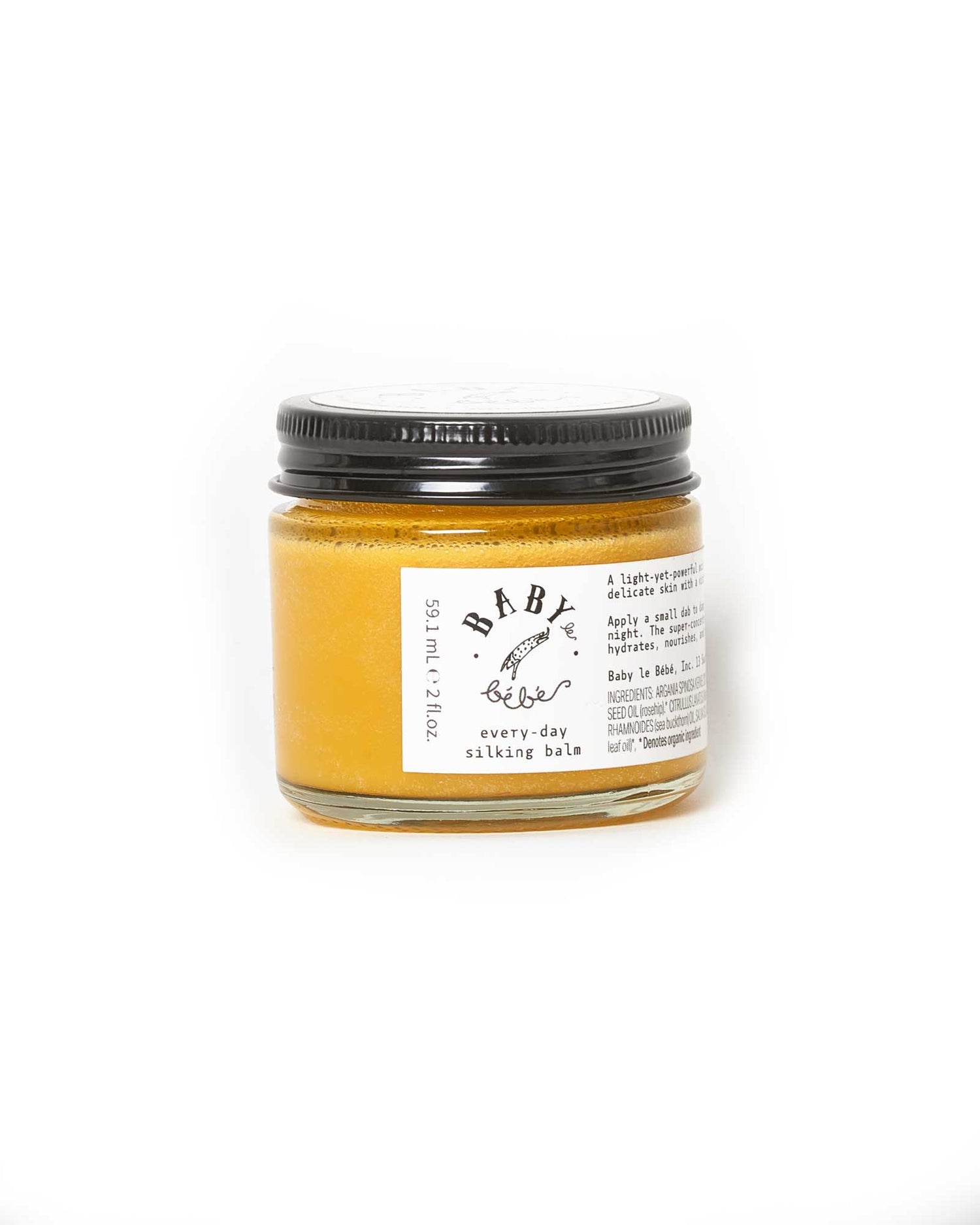
A product like Baby le Bébé Every-Day Silking Balm is a useful example of how to read a category description plainly. It's described as a feather light, barrier-building facial moisturizer that melts on contact and leaves a silken finish. That tells you more than vague language about glow or luxury because it describes texture and function.
Greenwashing in plain English
Greenwashing means a product borrows the look and language of natural skincare without building the formula around natural ingredients.
That can look like a cream with leaf imagery, earthy colors, and words like pure or botanical, while the formula relies heavily on conventional fillers, synthetic fragrance, or petroleum-derived components. It can also mean a brand highlights one hero ingredient, like rosehip or sea buckthorn oil, even though that ingredient plays only a minor role in the formula.
A better approach is to ask simple questions:
- What is this formula mostly made of?
- Are the key ingredients there for function or decoration?
- Does the texture make sense for the ingredients listed?
The philosophy behind a well-built natural cream
A well-built natural cream isn't trying to imitate conventional skincare ingredient for ingredient. It's using plants, waxes, butters, and carefully chosen actives to do the same jobs in a different way. The formula should feel coherent. Rich creams should have enough structure to protect dry skin. Lighter creams should absorb cleanly and leave comfort, not drag or residue.
If you want a deeper look at how botanical skincare balances safety and efficacy, this guide to demystifying natural ingredients in skincare is a solid companion read.
A quick label-reading rule
Shorter isn't always better, and longer isn't always worse. Purpose is what matters. Every ingredient should have a job. If you can identify the emollients, the barrier supporters, the humectants, and the stabilizers, you're no longer shopping by hype. You're shopping by formulation logic.
Powerful Plant-Based Ingredients to Look For
A customer will often bring me two jars and ask why one “natural” cream leaves the skin comfortable for hours while the other disappears in twenty minutes. The answer is usually in the structure of the formula. Good creams are built in layers of function, and you can see that on the ingredient list once you know what to look for.
Fast-absorbing emollients
Start with the ingredients that create slip, softness, and an easy finish. In many well-made natural creams, that means oils or oil-like lipids that soften the skin without sitting heavily on top.
Argan oil is a classic because it's rich in essential fatty acids and vitamin E while still feeling relatively lightweight on the skin. In practice, that often means a cream feels nourishing instead of greasy. Squalane gives a formula light glide and helps reduce that waxy, draggy feel some richer botanical creams can have.
These ingredients are useful in lighter moisturizers, but there is a trade-off. A cream built mostly around quick-absorbing emollients may feel elegant at first and still fall short for very dry skin unless the formula also includes stronger barrier support.
Rich butters and barrier supporters
Dry skin usually needs more staying power. Richer ingredients earn their place here, especially shea butter, cocoa butter, and fatty acid-rich plant oils. They slow water loss and give a cream enough body to protect skin that feels tight, flaky, or over-cleansed.
Shea is popular for a reason. It brings cushion, comfort, and a protective finish that lighter oils cannot always provide on their own. The trade-off is texture. In a poorly balanced formula, too much shea can feel heavy or pill under sunscreen and makeup.
If you want to understand why these lipids matter so much, this explanation of fatty acids in skincare gives useful background on how they support softness and barrier comfort.
Practical rule: If your cream feels nice going on but your skin feels parched again by midday, look for more butters, waxes, or fatty acid-rich plant lipids.
Soothing ingredients for reactive skin
Sensitive or reactive skin often responds best to formulas with a short list of calming ingredients and fewer aromatic extras. Sea buckthorn oil is one of the most interesting examples because it delivers nourishing fatty acids, antioxidants, and naturally occurring carotenoids that support dry or stressed skin. Oat, calendula, and chamomile can also be useful, depending on the rest of the formula.
The key is context. A cream does not become gentle just because sea buckthorn oil appears on the label. If sea buckthorn sits below fragrance components, colorants, or a long list of decorative extracts, it may be there more for marketing than performance.
For reactive skin, I look for a calm formula first and soothing botanicals second.
Modern botanical actives
Plant-based skincare has moved well beyond simple oils and butters. Some botanical and marine ingredients are chosen because they affect water retention, skin feel, and resilience in a more targeted way. Red algae extract is a good example.
According to Proven Skincare's review of science-backed natural ingredients, red algae extract has been studied for its moisture-binding and hydration-supporting properties. That makes it interesting in creams designed for dehydration, especially when paired with emollients that help hold that water in the skin.
This is the philosophy piece many labels skip. A strong natural cream is rarely one heroic plant in a jar. It is a coordinated mix of water binders, softening lipids, barrier supporters, and calming ingredients that make sense together.
Here's a visual walkthrough if you like seeing ingredient concepts explained in a more hands-on format.
A simple ingredient checklist
Read the label by job, not by trend:
- For glide and a lighter finish: argan oil or squalane
- For protection and staying power: shea butter or other rich plant butters
- For calm, nourishing support: sea buckthorn oil
- For higher-performance hydration support: red algae or another well-chosen botanical active
- For a balanced formula: a mix of humectants, emollients, and barrier-building lipids rather than oil alone
That is usually the difference between a cream that sounds natural and one that is formulated with intention.
Common Additives to Avoid in Natural Formulas
A strong natural cream isn't only about what goes in. It's also about what stays out. The point isn't fear. The point is choosing formulas where most of the jar is working for your skin.
Why some additives miss the mark
Many conventional additives exist because they're cheap, stable, or easy to formulate with at scale. That doesn't make them ideal for facial skin, especially if your goal is a cleaner, more purposeful routine.
The ingredients many natural shoppers try to avoid include the same categories consumers increasingly scrutinize across the market: petroleum-derived components, synthetic preservatives, and parabens. That broader shift in buyer behavior was noted earlier, and it reflects a more ingredient-aware customer.
Ingredients that deserve a second look
- Synthetic fragrance. This is one of the most common reasons a cream feels “active” in the wrong way. Facial skin often doesn't need that burden.
- Petroleum-derived occlusives. These can create a sealed feeling that reads as moisturized even when the formula offers little botanical nourishment.
- Parabens and other synthetic preservative systems. Some users tolerate them fine, but many natural formulas are built specifically to avoid them.
- Phthalates. These are often discussed in the context of fragrance systems and are commonly avoided by ingredient-conscious shoppers.
- Harsh foaming agents or cleansing-style additives in leave-on products. If they show up where they don't belong, they can work against comfort.
What to choose instead
Purposeful natural formulas often replace filler-heavy construction with ingredients that do more than one job. A butter can soften and protect. A wax can stabilize and seal lightly. A plant oil can improve glide and comfort. A well-chosen active can support hydration instead of just making label copy sound impressive.
A shorter ingredient list isn't automatically superior. A list with fewer passengers and more workers usually is.
That's the standard worth using. Ask whether the formula is nourishing, supportive, and coherent. If it relies on lots of modern cosmetic scaffolding but only a touch of botanical substance, it may wear the language of natural skincare without delivering its philosophy.
How to Choose the Right Cream for Your Skin Type
The right cream depends on how your skin behaves by midday, after cleansing, in winter air, and during stress. Skin type isn't a label you earn once. It's a pattern you observe.
Natural Ingredient Guide by Skin Type
| Skin Type | Ideal Ingredients |
|---|---|
| Dry | Shea butter, argan oil, squalane |
| Oily or Combination | Argan oil, squalane, sea buckthorn oil |
| Sensitive | Sea buckthorn oil, plant-based lipids with beeswax |
| Mature | Shea butter, rosehip oil, squalane, red algae extract |
Dry skin
Dry skin usually needs both comfort and staying power. If a cream feels good for ten minutes and then your face feels tight again, it's probably too light. Look for formulas anchored by shea butter with supportive oils layered around it.
Rich doesn't have to mean greasy. A well-made dry skin cream should cushion the skin and leave it more flexible, not waxy or suffocated.
Oily and combination skin
Many people with oily skin overcorrect and end up choosing formulas that are too thin or too stripped down. Skin still needs moisture and surface comfort. It just needs them in a quicker-absorbing form.
Argan oil and squalane are often the easiest place to start because they feel nourishing without excessive heaviness. Sea buckthorn oil can help support the skin barrier while still working well in lighter formulations when used thoughtfully. If a natural cream leaves a shiny, coated finish that doesn't settle, it may be too butter-heavy for your needs.
Sensitive or reactive skin
Sensitive skin benefits from fewer moving parts. A calm formula with plant-based lipids can work beautifully, especially when it's stabilized in a gentle way rather than loaded with synthetic helpers.
That's one reason beeswax-inclusive formulations deserve attention. According to this review of natural face moisturizers and current ingredient preferences, while some natural skincare trends include ingredients like grass-fed tallow, many conscious consumers prioritize vegan formulations, and plant-based lipids combined with beeswax offer a gentle “vegan plus” option that supports barrier repair.
If your skin reacts easily, choose the formula that sounds a little boring on paper. Calm skin usually prefers boring.
Mature skin
Mature skin often wants more from a cream. More softness, more flexibility, more cushioning, and often more hydration support. That doesn't always mean the heaviest cream in the room. It means a formula with a good balance of richer emollients and more advanced hydration ingredients.
Rosehip oil can add a drier, elegant richness. Shea can provide body. Squalane helps with slip. Red algae can support a more hydrated, plump feel when it's used thoughtfully in the formula.
Texture is part of treatment
A cream can have beautiful ingredients and still be wrong for you if the texture doesn't suit your routine. If you only like feather-light finishes, you won't keep reaching for a dense balm cream. If your skin is dry and you live in harsh weather, a barely-there lotion may leave you under-moisturized.
Pay attention to finish as much as ingredient names. The best natural cream for face is the one your skin uses well and consistently.
Tips for Using and Layering Your Natural Cream
You wash your face, apply a beautiful cream, and an hour later your skin still feels tight. In the apothecary, this is one of the most common routine problems I see. The formula matters, but application changes the result just as much.
A natural cream is built to do a few specific jobs. Water humectants draw in hydration. Plant oils and butters soften. Waxes and richer lipids slow water loss. If you understand that structure, layering stops feeling random and starts making sense.
Apply to slightly damp skin
Cream should go onto skin that still has a little water on it from cleansing, rinsing, or a simple mist. That gives the cream moisture to hold onto, which is especially helpful with richer botanical formulas.
This matters most with balms, dense creams, and lower-water formulas. They are better at keeping moisture in than creating it.
Layer by function, then by weight
The easiest order is to put water-based steps first, then cream, then oil if your skin needs more protection.
- Damp skin or a light mist
- Water-based serum
- Face cream
- Face oil as the finishing layer
For a practical walkthrough, this guide on how to use face oils shows when oil belongs at the end of a routine and when cream alone is enough.
A product such as Nourishing Face Oil at $65 fits that finishing step well because it is described as a feather light, non-comedogenic, 100% botanical face oil for all skin types, and it is currently in stock. That profile suits skin that wants a final soft seal without the heavier feel of a balm.
Use less product, then adjust
Natural creams often contain a higher proportion of working oils, butters, waxes, and active botanicals than formulas bulked up with more synthetic slip agents. A pea-sized amount is usually a sensible starting point.
Press it in first. Then add a touch more only to the areas that lose comfort fastest, often the cheeks, corners of the mouth, or around the eyes.
Warm thicker creams between your fingertips before pressing them on. That usually gives a more even layer and cuts down on overapplication.
Change your layers with the weather
Skin rarely needs the exact same routine in August and January. In humid weather, many people do well with serum plus cream. In cold, dry air, the same skin may want cream plus a few drops of oil on top.
Stress can shift the picture too. Skin that is already reactive often becomes less predictable during periods of poor sleep or high tension, which is one reason some people also look at natural ways to ease mind racing while they simplify an irritated routine.
Store with care
Fresh plant formulas deserve clean handling.
- Keep jars and bottles out of direct sun
- Avoid heat and steamy shelves
- Use clean, dry hands or a spatula
- Close the container right away
If a cream changes smell, texture, or color before the stated use period, stop using it. Good natural skincare should feel alive, not unstable.
Frequently Asked Questions About Natural Creams
How long does a preservative-free natural cream last
Shelf life depends on the formula, the water content, and the container. An anhydrous balm with no water behaves very differently from a cream that contains floral waters or sea buckthorn oil.
Start with the brand's stated use period, then use your senses. If the cream smells sour, looks darker than before, separates, or develops a grainy or stringy texture, stop using it. Natural formulas can be beautiful, but they also ask for respectful storage and realistic expectations.
Are natural creams good for acne-prone skin
They can be, if the formula is built with acne-prone skin in mind. I look for a lighter structure, moderate occlusion, and oils that do not leave a heavy film. Argan oil, grapeseed, and sugarcane-derived squalane often suit this skin type better than dense blends dominated by shea or cocoa butter.
The label matters more than the front-of-box claim. A cream can call itself natural and still feel too rich for breakout-prone skin. If congestion is a concern, choose a simpler formula, patch test first, and watch how your skin responds over two to three weeks rather than judging it after one use.
What's the difference between a cream, a balm, and an oil
A cream contains water and oil, held together with an emulsifier, so it hydrates and softens at the same time. A balm is usually water-free and more protective, which makes it useful for dry patches, wind-chapped skin, or sealing in a lighter layer underneath. An oil softens and reduces moisture loss, but it does not give the same balance of water and oil that a well-made cream does.
Understanding formulation philosophy helps you interpret ingredient lists with greater confidence. If water appears first, followed by plant oils, humectants, and a preservative system, you are looking at a true cream. If waxes and butters lead the list with no water present, it is functioning more like a balm.
Why does my skin look dull even when I moisturize
Dullness often has more than one cause. The cream may be too heavy, too light, or missing ingredients that help hold water in the skin. Stress, poor sleep, indoor heat, and over-cleansing can all flatten the skin's natural glow even if you never skip moisturizer.
I also see this when someone keeps changing products and never gives the skin barrier time to settle. If tension and skin flare-ups are showing up together, supportive habits can help alongside a simpler routine. This guide on natural ways to ease mind racing may be useful if your skin and stress seem to rise at the same time.
If you want a botanical routine built with that ingredient-by-ingredient philosophy, explore Baby le Bébé. The apothecary focuses on 100% natural, preservative-free formulas designed for daily ritual, sensitive skin comfort, and practical label transparency.