

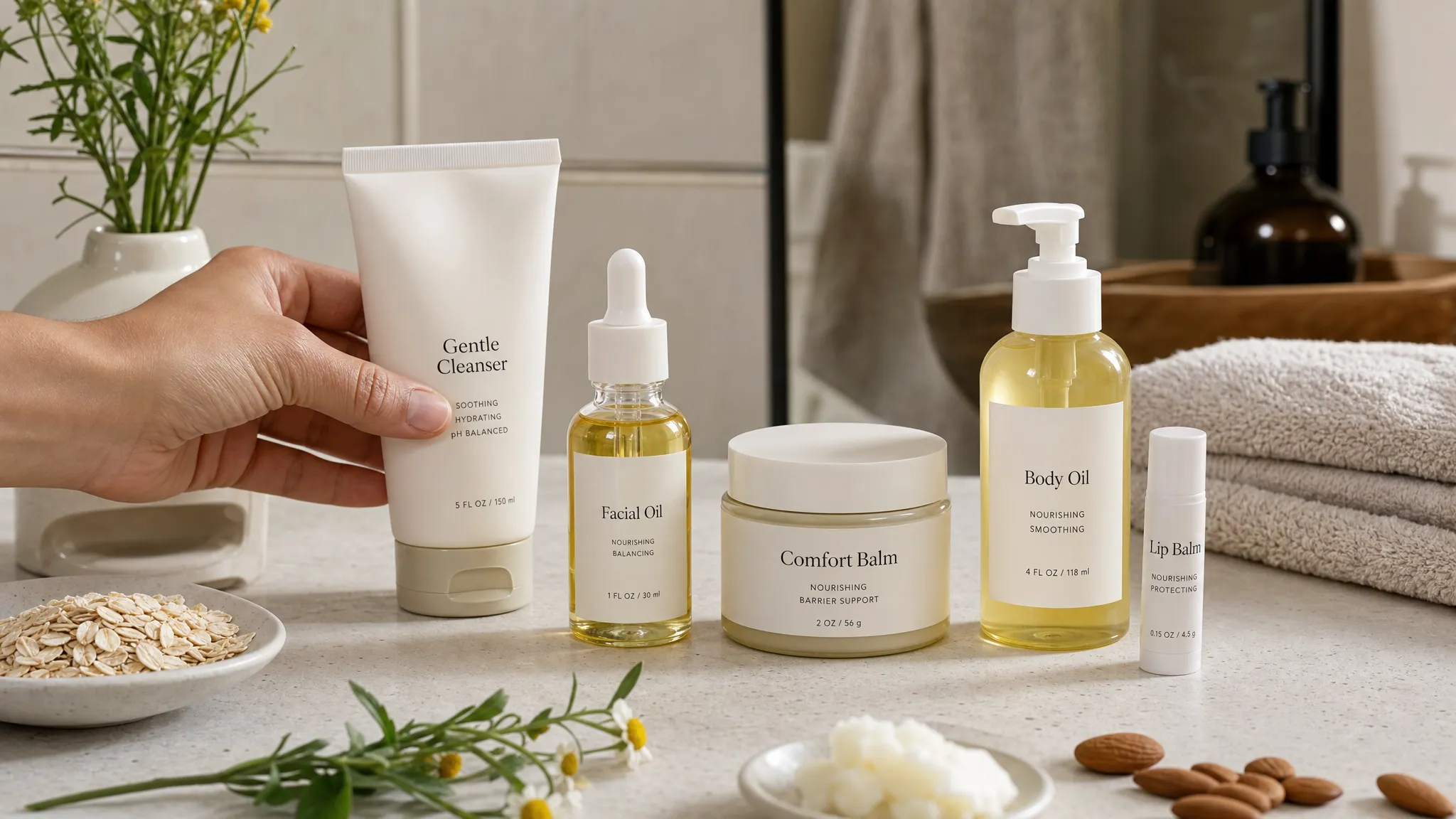
Building a non toxic skin care routine is not about fear, perfection, or throwing away every product you own. It is about choosing formulas that are transparent, low in unnecessary irritants, and aligned with your skin’s actual needs.
The most skin-friendly routine is usually the simplest one: cleanse gently, hydrate thoughtfully, replenish lipids, protect your barrier, and avoid ingredients that do not serve a clear purpose. That matters because your skin is not just a surface to polish. It is a living barrier that helps keep water in, irritants out, and your microbiome in balance.
The challenge is that “non-toxic,” “clean,” and “natural” are not tightly defined beauty terms. The FDA explains that cosmetic products and ingredients are generally not approved before they go to market, with limited exceptions such as color additives. That means the smartest routine begins with label literacy, not marketing claims.
Below is a practical, barrier-first way to build a non toxic skin care routine for your face and body, without overcomplicating your shelf.
Start with a better definition of “non toxic”
A good non-toxic routine does not promise “chemical-free” skin care. Everything is made of chemicals, including water, shea butter, rosehip oil, and your own skin. A more useful definition is this: formulas with clearly disclosed ingredients, a thoughtful purpose for every ingredient, and a lower likelihood of unnecessary irritation or unwanted exposure.
For many people, that means prioritizing products that are:
- Transparent about their full ingredient list
- Free from synthetic fragrance, parabens, harsh sulfates, and petroleum-derived fillers, when those are part of your personal avoid list
- Made with well-chosen botanical oils, butters, waxes, and extracts
- Suitable for your skin type, not just aligned with a trend
- Packaged and stored in a way that keeps the formula fresh
- Cruelty-free, and clearly labeled as vegan or beeswax-based when relevant
This is also where nuance matters. A botanical ingredient can still irritate some people. An essential oil can smell beautiful and still be too much for reactive skin. A preservative can be necessary in a water-based formula, while a waterless oil or balm may not require the same kind of preservation system. If you want a deeper look at that distinction, Baby le Bébé’s guide to preservative-free skincare is a helpful next read.
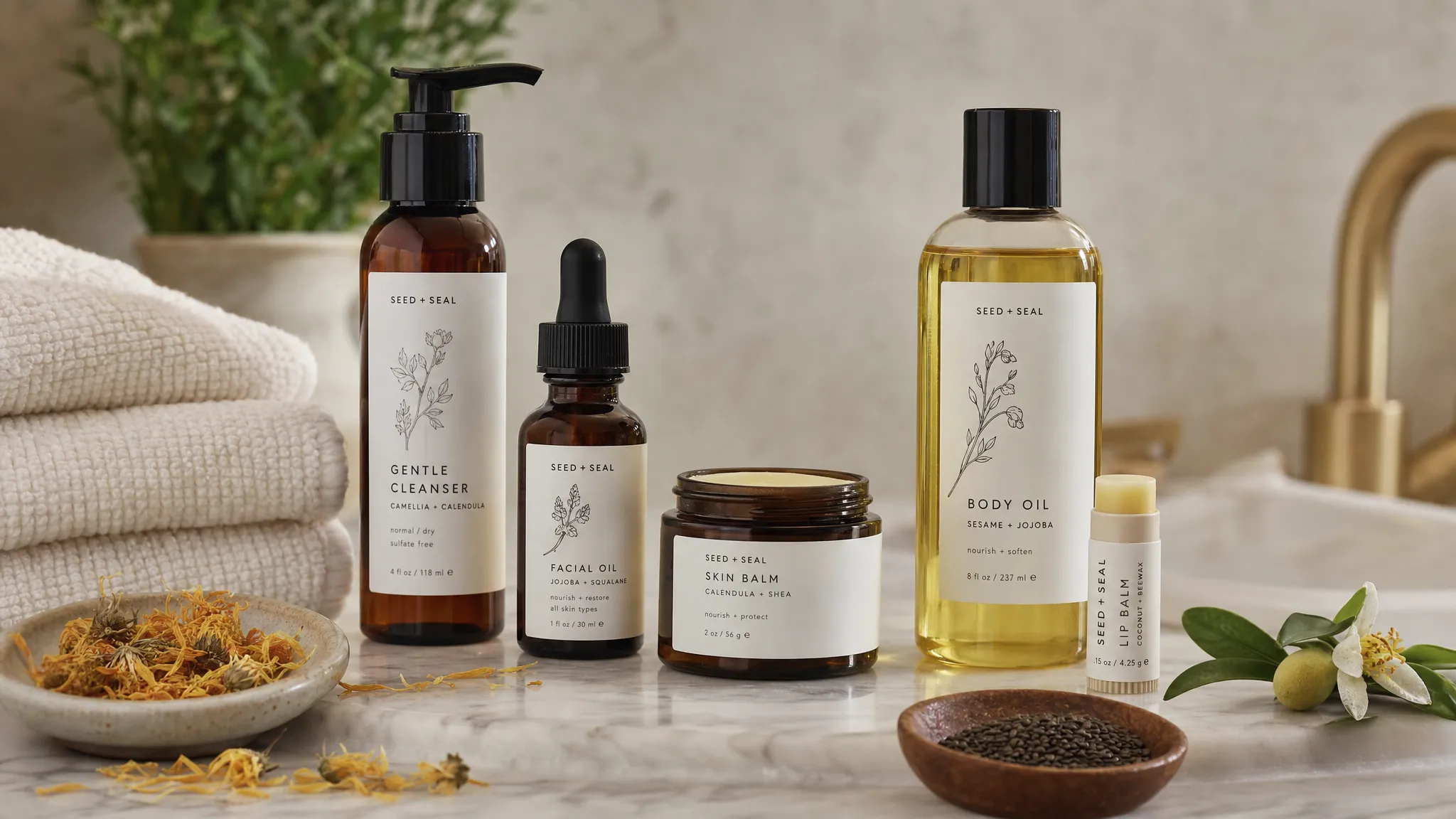
Step 1: Audit your current products before buying anything
The cleanest routine is not always the newest routine. Before you shop, place your current products on a counter and group them by use: cleanser, toner or mist, serum, moisturizer, oil, balm, sunscreen, body care, lip care, and makeup. This makes patterns easier to see.
Start with leave-on products. These sit on the skin for hours, often across large areas of the face or body, so they deserve the most attention. A face cream used twice daily, a body lotion applied after every shower, and a lip balm used throughout the day usually matter more than a rinse-off product used for 30 seconds.
Check each product for three things: ingredient clarity, freshness, and how your skin feels after use. If a product smells off, has changed texture, separates in an unusual way, stings repeatedly, or leaves your skin tight and shiny, it may not belong in your routine anymore.
| Product category | Swap priority | What to check first |
|---|---|---|
| Lip balm | High | Petroleum base, synthetic flavor, unknown fragrance, frequent reapplication |
| Face moisturizer or oil | High | Fragrance, heavy fillers, actives that cause irritation, comedogenic fit |
| Body lotion or oil | High | Large-surface exposure, synthetic fragrance, mineral oil, silicones if you avoid them |
| Cleanser | Medium | Sulfates, tight feeling after rinsing, strong scent, harsh exfoliating beads |
| Exfoliant or peel | Medium to high | Acid strength, frequency, irritation history, incompatible actives |
| Sunscreen | Essential | Broad-spectrum protection, skin tolerance, daily wearability |
Do not toss every conventional product at once. If your skin is calm and you suddenly change five products, you will not know what helped or what caused a reaction. A steady transition is safer, less wasteful, and easier to troubleshoot.
Step 2: Know the label red flags that matter most
Ingredient lists can feel intimidating, but you do not need to memorize every cosmetic compound. Focus first on the categories most likely to cause irritation or conflict with a non-toxic philosophy.
Synthetic fragrance is a good place to begin. On labels, it may appear as “fragrance,” “parfum,” or “aroma.” The issue is not simply scent itself. It is that fragrance can represent a mixture of many ingredients, and some fragrance components may not be individually listed. The FDA notes that fragrance allergens can be present in cosmetics, which is especially relevant for sensitive or reactive skin.
Other common avoid-list ingredients include parabens, phthalates, harsh sulfates such as sodium lauryl sulfate, formaldehyde-releasing preservatives, and heavy petroleum-derived occlusives if you prefer plant-based skin care. Not every ingredient in these categories affects every person the same way, but reducing them can make your routine feel simpler and more transparent.
Green flags are just as important. Look for formulas built around recognizable, functional ingredients: jojoba oil, sunflower oil, argan oil, rosehip oil, shea butter, cocoa butter, beeswax, candelilla wax, calendula, chamomile, and naturally occurring antioxidants such as vitamin E. The goal is not a trendy ingredient list. The goal is a formula where every component has a job.
Step 3: Build the routine around your skin barrier
A non toxic skin care routine should support the skin barrier first. If the barrier is compromised, even beautiful ingredients can sting. Signs of barrier stress include tightness, flaking, redness, burning, sudden sensitivity, rough texture, and moisturizer that never seems to last.
The American Academy of Dermatology recommends gentle habits for dry skin, including using mild cleansers, applying moisturizer soon after bathing, and avoiding hot water. These basics sound simple because they are. They also work because they reduce water loss and protect the outer layer of skin. You can read more in the AAD’s dry skin care guidance.
A balanced routine has three functions: cleanse without stripping, add hydration when needed, and seal with lipids. Botanical oils and balms are especially useful in the lipid and sealing steps because they help soften the skin and reduce the feeling of dryness. If your skin is dehydrated, apply them over damp skin or over a water-based hydrating layer so there is moisture to seal in.
For more barrier-specific guidance, see Baby le Bébé’s guide on how to repair the skin barrier.
A simple morning routine
Morning skin care should prepare your skin for the day without overwhelming it. If your evening cleanse was thorough and your skin is not oily, you may only need a splash of lukewarm water. If you prefer cleansing in the morning, choose a gentle, non-stripping cleanser.
After cleansing, apply any lightweight hydrating step you already tolerate. This might be a simple mist, essence, or water-based serum. Then add a few drops of face oil or a small amount of balm if your skin needs more softness and protection. Finish with broad-spectrum sunscreen every morning. Sunscreen is not optional in a skin-protective routine, even if you prefer natural products. Many non-toxic shoppers choose mineral sunscreens, but the best sunscreen is one you can wear consistently.
A minimalist morning rhythm looks like this:
- Gentle rinse or cleanse
- Hydrating layer, if needed
- Botanical face oil or balm
- Broad-spectrum sunscreen
If you are using prescription topicals or dermatologist-recommended treatments, keep them in place unless your clinician tells you otherwise. Non-toxic skin care should support medical care, not replace it.
A simple evening routine
Evening is when cleansing matters most. Sunscreen, makeup, sweat, and daily pollution should come off without scrubbing. Oil cleansers and cleansing balms can be excellent choices because they dissolve oil-based debris while helping the skin avoid that tight, stripped feeling.
If you are new to oil cleansing, massage the product over dry skin with gentle hands, then emulsify or remove according to the formula’s directions. Follow with a second cleanse only if your skin needs it, such as after heavy makeup or sunscreen. For many dry or sensitive skin types, one thorough gentle cleanse is enough.
After cleansing, return to the same barrier logic: hydrate if needed, nourish with oil, and seal dry areas with balm. If you use exfoliants, retinoids, vitamin C, or other active treatments, introduce them slowly and avoid stacking too many at once. Irritated skin is not “detoxing.” It is asking for less.
Do not forget body care
A non-toxic routine should not stop at the jawline. Body products often cover more skin than facial products, and they are frequently scented. If you are trying to reduce unnecessary exposure, body lotion, body oil, bath products, deodorant, and lip balm are smart categories to review.
The easiest body-care upgrade is applying a plant-based body oil to damp skin after bathing. Damp skin gives the oil something to seal in, which can make the result feel softer and less greasy. If your elbows, knees, hands, or feet are very dry, layer a balm over the oil in those areas.
Bath and shower habits matter too. Keep water warm rather than hot, avoid over-washing, and use fragrance-free or naturally scented products only if your skin tolerates them well. If you love scent but have sensitive skin, reserve aromatic products for occasional rituals rather than daily full-body use.
Customize your non-toxic routine by skin type
Non-toxic does not mean one-size-fits-all. A formula can be beautifully natural and still be too rich, too active, or too aromatic for your skin. Match texture and ingredient intensity to your actual skin behavior.
| Skin type or concern | Best routine focus | What to be careful with |
|---|---|---|
| Dry skin | Rich oils, butters, balms, damp-skin application | Foaming cleansers, hot water, under-moisturizing |
| Oily or acne-prone skin | Lightweight oils, gentle cleansing, non-clogging textures | Heavy occlusion, coconut oil on the face, over-cleansing |
| Sensitive or reactive skin | Minimal formulas, low scent, patch testing | Essential oils, strong actives, frequent product changes |
| Mature skin | Barrier support, antioxidants, consistent hydration | Harsh exfoliation, drying alcohols, skipping sunscreen |
| Baby or family skin | Simple, gentle, fragrance-conscious products | Essential oils, adult actives, treating rashes without medical advice |
If your skin is highly reactive, patch testing is not optional. Apply a small amount of product to a discreet area, such as the inner arm or behind the ear, and watch for redness, itching, bumps, or burning over 24 to 48 hours. For eczema, rosacea, persistent acne, infection, or unexplained rashes, check with a dermatologist.
Transition without shocking your skin
The best way to move into non toxic skin care is one product at a time. Replace the product that is most irritating, most heavily fragranced, or used across the largest area first. For many people, that is a body moisturizer, cleanser, or daily face cream.
Give each new product at least one to two weeks before adding another, unless it causes immediate irritation. Keep notes on what changed: dryness, redness, breakouts, texture, comfort, and how your skin feels by midday. This is especially helpful when shifting to botanical oils or balms, because the correct amount can be much smaller than you expect.
A common mistake is using too much oil. For the face, a few drops is often enough. Warm the oil in your palms, press it onto slightly damp skin, and wait a few minutes before deciding whether you need more. For the body, start with a small amount and apply section by section after a shower.
Common mistakes to avoid
A non-toxic routine should feel calmer, not more stressful. If your skin gets worse during the transition, the issue is often technique, speed, or over-layering rather than the entire philosophy.
- Replacing every product in one day
- Assuming natural ingredients can never irritate
- Choosing products by scent before skin compatibility
- Applying oils to completely dry skin and expecting hydration
- Using too many exfoliants while also changing your routine
- Skipping sunscreen because the rest of your products are natural
- Ignoring shelf life, storage, or signs that a product has gone off
Natural and organic products deserve proper care. Keep jars and bottles tightly closed, avoid introducing water into anhydrous formulas, store oils away from heat and direct sunlight, and wash hands before using products from a jar.
Where Baby le Bébé fits into a non-toxic routine
Baby le Bébé’s apothecary is built for people who want skin care to feel both luxurious and pared back. The line focuses on 100% natural formulations, 99% organic ingredients, cruelty-free products, no synthetics, and paraben-free body and skin care. The collection includes botanical balms, oils, and cleansers, with vegan options and beeswax-based options depending on the product.
That approach works especially well for a minimalist routine because oils and balms can serve clear barrier-supporting roles without unnecessary fillers. If you are building from scratch, start with the essentials: a gentle cleanser, a nourishing face oil, a body oil for damp skin, and a balm for dry spots or lips. You can explore the full Baby le Bébé apothecary or continue learning with the guide to clean skincare products worth using every day.
Frequently Asked Questions
Is “non-toxic” skincare regulated? No, “non-toxic” is not a formal, standardized cosmetic category in the United States. Use it as a starting point, then evaluate the ingredient list, brand transparency, product format, and how your skin responds.
Is natural skincare always safer? Not always. Natural ingredients can be effective and gentle, but some people react to botanicals, essential oils, or plant extracts. Patch testing is still important, especially for sensitive, allergy-prone, or compromised skin.
Can oily or acne-prone skin use face oil? Yes, but texture and ingredient choice matter. Many oily skin types do better with lightweight oils and very small amounts. Avoid heavy application, and be cautious with highly occlusive oils on breakout-prone areas.
Do preservative-free products last as long? It depends on the formula. Waterless oils and balms have different preservation needs than water-based lotions or serums. Store natural products away from heat, light, and water, and stop using anything that changes smell, color, or texture.
How long does it take to see results from a non-toxic routine? Comfort and reduced tightness may improve within days if your previous routine was stripping. Texture, dryness, and barrier resilience often take several weeks of consistent, gentle care.
Should I replace my sunscreen with a natural oil? No. Botanical oils are not a substitute for tested, broad-spectrum sunscreen. Keep daily sunscreen in your morning routine and choose a formula your skin tolerates well.
Build a routine your skin can trust
A non-toxic routine should make skin care feel simpler, not stricter. Begin with one thoughtful swap, read labels with curiosity, and choose formulas that respect your skin barrier.
If you are ready to create a cleaner, calmer ritual, explore Baby le Bébé’s natural apothecary of botanical oils, balms, and cleansers. Start small, stay consistent, and let your skin tell you what it truly needs.


0 comments