

Choosing where to buy skincare is not a small decision. A serum, balm, cleanser, or body oil touches your face, lips, hands, and sometimes your child’s skin every day. The right skincare store does more than offer pretty packaging. It helps you understand what you are putting on your body, why it belongs in your routine, and when a product may not be the right fit.
Trust is especially important now because the beauty aisle is crowded with language that sounds reassuring but can mean very different things from one brand to the next. Clean, natural, non-toxic, botanical, organic, dermatologist-inspired, spa-grade, and luxury are all appealing terms, but they are not equal proof of quality.
So how do you separate a truly thoughtful skincare store from one that is simply following trends? Start with transparency, ingredient integrity, ethical clarity, and a store experience that respects your skin as much as your senses.
Why trust matters more than a beautiful shelf
Skincare is personal. Your skin barrier responds to climate, stress, hormones, age, allergies, medications, over-exfoliation, and even the cleanser you used last night. A trustworthy store understands that skincare is not one-size-fits-all.
In the United States, cosmetics are regulated, but most cosmetic products and ingredients do not need FDA approval before they go to market, with the exception of color additives. The FDA explains this distinction clearly. That means the burden often falls on brands, retailers, and shoppers to ask better questions.
A reliable skincare store should help you answer questions like these: What is in this product? Who is it best for? How should it be used? How fresh is it? Is the brand making realistic claims? Is the product aligned with your values, your skin type, and your comfort level?
The best stores do not rush you past those questions. They welcome them.
Start with complete ingredient transparency
The first sign of a trustworthy skincare store is a clear ingredient list. Not a vague hero-ingredient story. Not a label that says botanical blend without explaining what is in the blend. Not a product page that highlights one trendy extract while hiding the full formula.
Look for stores that show the complete ingredient list before you buy, ideally using recognizable ingredient names or INCI names with plain-language explanations. A store does not need to turn every product page into a chemistry lecture, but it should give you enough information to make an informed choice.
This matters even with natural skincare. Natural does not automatically mean gentle for every person. Essential oils, nut oils, exfoliating botanicals, and fragrant plant extracts can be beautiful ingredients, but they may not suit every skin type. A trustworthy store will not pretend that a product is universally perfect.
| Trust signal | What it tells you | Caution sign |
|---|---|---|
| Full ingredient list is easy to find | The store expects informed shoppers | Only hero ingredients are shown |
| Ingredient purpose is explained | The formula has intention, not filler | Benefits are vague or exaggerated |
| Scent source is disclosed | You can assess fragrance sensitivity | Fragrance is hidden behind broad terms |
| Allergy and patch-test guidance is included | The store respects sensitive skin | Natural is treated as automatically safe |
| Shelf-life and storage guidance are available | Freshness is part of the quality standard | No expiration, storage, or freshness information |
Ingredient transparency is not just about avoiding certain ingredients. It is about understanding why each ingredient is there.
Choose curation over endless choice
A good skincare store does not need to sell everything. In fact, endless choice can make it harder to build a calm, effective routine. A curated store has a point of view. It selects products because they serve a clear purpose, fit a formulation philosophy, or support a particular skin need.
When evaluating a skincare store, ask whether the assortment feels intentional. Are there gentle cleansers, nourishing oils, protective balms, and body care products that work together? Does the store help you distinguish between a face oil and a body oil, a balm and a cream, a cleanser and an exfoliant?
Curation is especially valuable if you have sensitive or reactive skin. A smaller selection of well-explained products can be far more useful than a massive catalog filled with overlapping promises.
A trustworthy store should also help you avoid overbuying. If every concern is met with five more products, pause. Healthy skin often benefits from consistency, not constant novelty.
Look closely at formulation integrity
Formulation quality is where trust becomes tangible. A product can have beautiful ingredients and still be poorly formulated. It can be natural and still be unstable. It can be expensive and still rely on fillers, synthetic fragrance, or trendy claims that do not match the formula.
For natural and organic skincare stores, pay special attention to how products are made and preserved. Anhydrous products, meaning water-free formulas such as oils and balms, often do not require the same preservation system as water-based creams because bacteria and mold need water to grow. Water-based products, on the other hand, generally need proper preservation to remain safe.
This is why preservative-free skincare should be evaluated with nuance. Preservative-free does not automatically mean better, and preserved does not automatically mean bad. The real question is whether the preservation approach makes sense for the formula. If you want to go deeper, Baby le Bébé’s guide to preservative-free skincare explains why formula type matters.
A trustworthy store should be able to speak clearly about freshness, packaging, storage, and realistic shelf life. For natural products, especially oils and balms, this matters because botanical ingredients can oxidize when exposed to heat, light, air, or contamination.
Be wary of fear-based marketing
Trustworthy skincare education should empower you, not scare you. It is reasonable for a store to explain why it avoids synthetics, petroleum-derived ingredients, parabens, or fillers if that is part of its philosophy. It is less helpful when a store relies on fear, shame, or sweeping claims.
Red flags include claims that a product can cure medical conditions, erase aging overnight, detox your skin in a dramatic way, or work for every person without exception. Be cautious of any store that frames irritation as proof that a product is working, especially with sensitive skin.
The most credible skincare stores use balanced language. They explain benefits, limitations, best-use practices, and when to seek professional help. If you are dealing with persistent eczema, severe acne, rosacea flares, infection, sudden rashes, or allergic reactions, a skincare store can support your routine, but it should not replace medical care.
Check ethical and environmental claims carefully
Many shoppers want products that align with their values, including cruelty-free testing policies, vegan formulas, organic ingredients, sustainable packaging, and low-waste practices. These values are important, but the language can be confusing.
Cruelty-free means a product or brand does not test on animals according to a specific standard or claim. Vegan means the product does not contain animal-derived ingredients. A product can be cruelty-free but not vegan, for example, if it contains beeswax. A product can be vegan but still lack a clear animal-testing policy.
If a store uses certification logos, you should be able to verify them. Organizations such as Leaping Bunny provide cruelty-free standards and searchable brand information. For environmental claims, the FTC Green Guides are a helpful reminder that green marketing should be specific and substantiated.
A trustworthy skincare store does not need to be perfect in every sustainability category. It does need to be specific. Claims like responsibly sourced, eco-conscious, clean, or green should be backed by real details, not just a soothing color palette.
Evaluate the shopping experience, online or in person
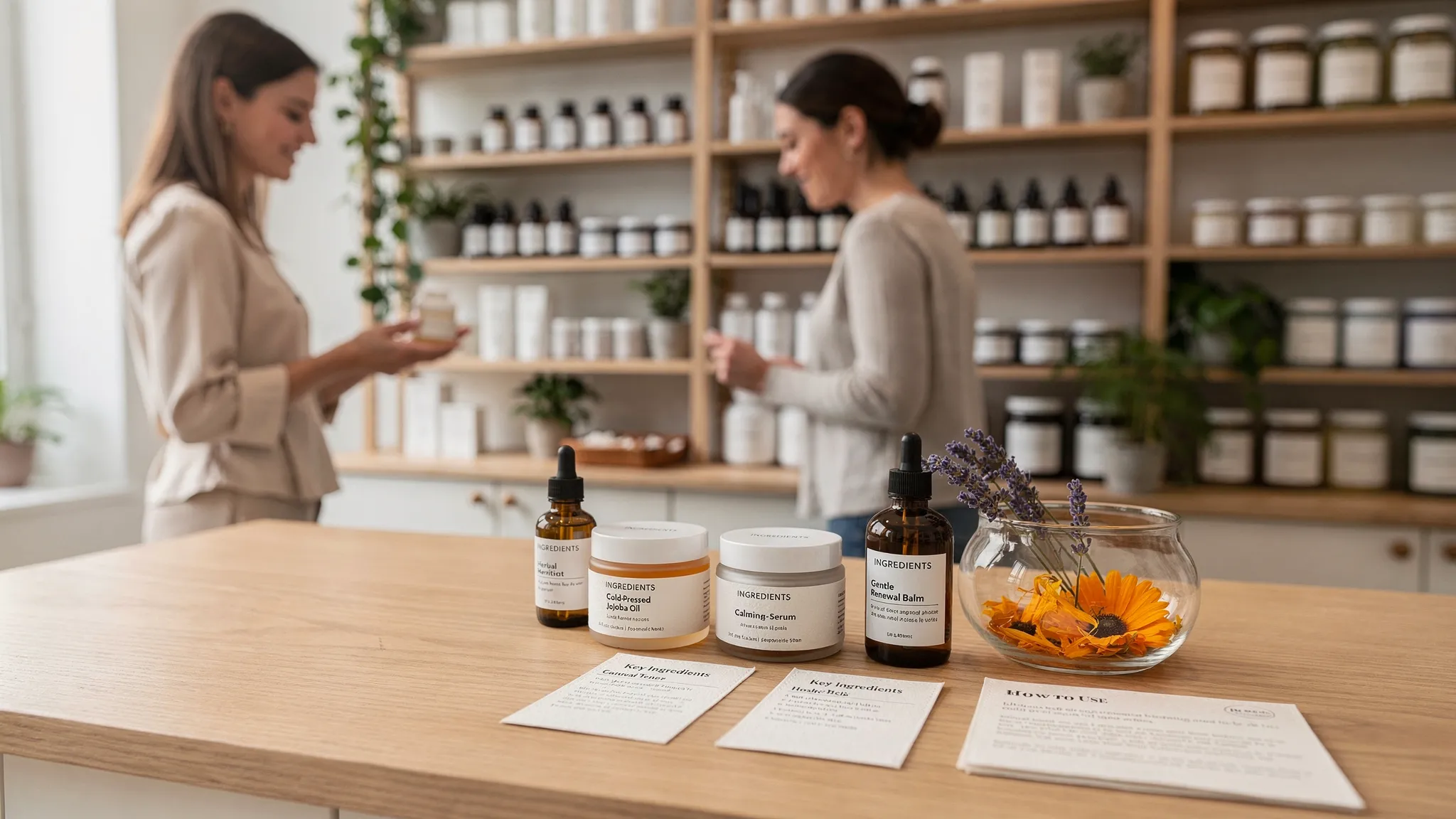
A reliable skincare store makes the buying experience feel calm, informed, and respectful. In person, that might mean knowledgeable staff, clean testers, thoughtful questions, and no pressure to buy a full routine on the spot. Online, it means clear product pages, complete ingredient lists, helpful usage instructions, contact information, and educational content that answers real questions.
The best store experiences often include guidance around skin type, allergies, scent preferences, pregnancy or baby-care considerations, and current active ingredients in your routine. For example, someone using retinoids or exfoliating acids may need different advice than someone rebuilding a compromised skin barrier.
Also look at practical details. Is shipping information clear? Are returns or customer service policies easy to find? Does the store explain how to store natural products? If a product arrives damaged, melted, separated, or smelling off, can you contact someone?
Trust is built in these ordinary moments.
Read reviews for patterns, not perfection
Reviews can be helpful, but they are not absolute proof that a product will work for you. Skin is too individual for that. Instead of looking only at star ratings, read for patterns.
The most useful reviews mention skin type, texture, scent, how long the product was used, and what changed. For a skincare store, reviews about customer service, shipping quality, packaging integrity, and repeat purchases can be just as important as product praise.
Be skeptical of reviews that all sound identical, overpromise results, or lack detail. Also remember that one negative review does not automatically mean a store is untrustworthy. Look for how the store responds to problems. A thoughtful response can reveal more about a company’s values than a perfect rating.
Match the skincare store to your actual skin priorities
The best skincare store for you is the one that understands your skin goals and limitations. A person with resilient skin who enjoys active treatments may need a different store than someone with eczema-prone, baby, or highly reactive skin.
| Your priority | What to seek in a skincare store | What to avoid |
|---|---|---|
| Sensitive or reactive skin | Simple formulas, patch-test guidance, low-irritation education | Aggressive actives marketed as gentle for everyone |
| Dry or winter skin | Lipid-rich oils, balms, butters, barrier-supporting guidance | Harsh foaming cleansers and lightweight products with no sealing step |
| Acne-prone skin | Clear texture guidance, non-comedogenic awareness, balanced advice | Heavy universal products promoted for every face |
| Baby or family care | Minimal ingredients, gentle usage instructions, fragrance caution | Adult actives or strong essential oils presented as family-safe |
| Ethical shopping | Specific cruelty-free, vegan, organic, or sourcing details | Vague green claims with no explanation |
This is where education matters. A store that helps you choose less, choose better, and introduce products slowly is often more trustworthy than one that encourages a complete overhaul.
Questions to ask before you buy
Before purchasing from a new skincare store, pause and ask a few practical questions. You do not need perfect answers to every question, but you should see a pattern of care and clarity.
- Can I read the full ingredient list before checkout?
- Does the store explain who the product is for and who should use caution?
- Are scent sources, essential oils, or potential allergens clearly disclosed?
- Does the formula type make sense for its preservative claims?
- Are organic, cruelty-free, vegan, or sustainability claims specific?
- Does the store provide storage and shelf-life guidance?
- Can I contact a real person with product questions?
- Does the brand avoid miracle claims and fear-based messaging?
If the answer to most of these questions is yes, you are likely in safer hands.
How Baby le Bébé approaches skincare store trust
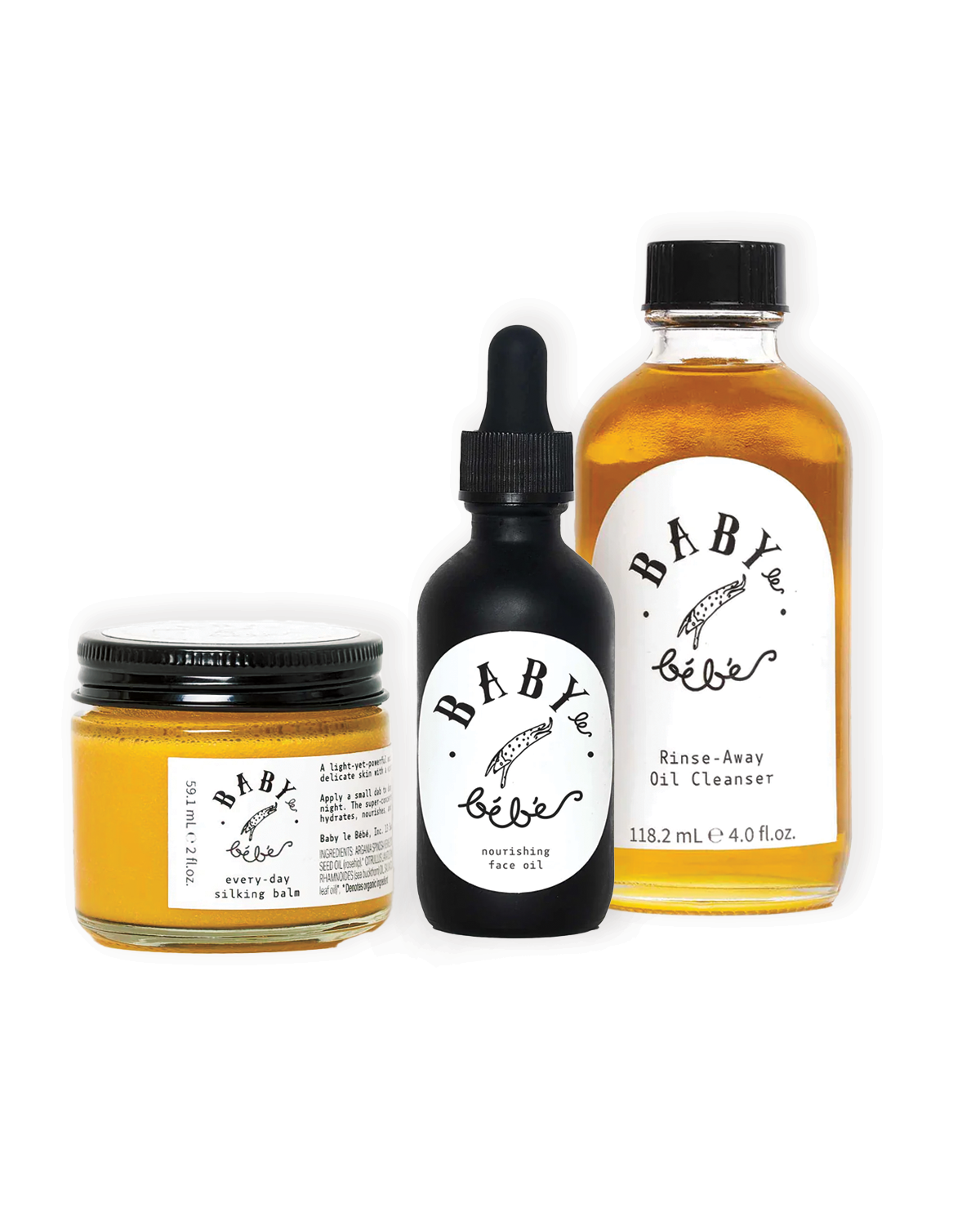
At Baby le Bébé, trust begins with a simple philosophy: fewer unnecessary ingredients, more botanical integrity, and a curated apothecary experience. The brand offers 100% natural formulations made with 99% organic ingredients, with no synthetics, no preservatives, no petroleum, and no fillers.
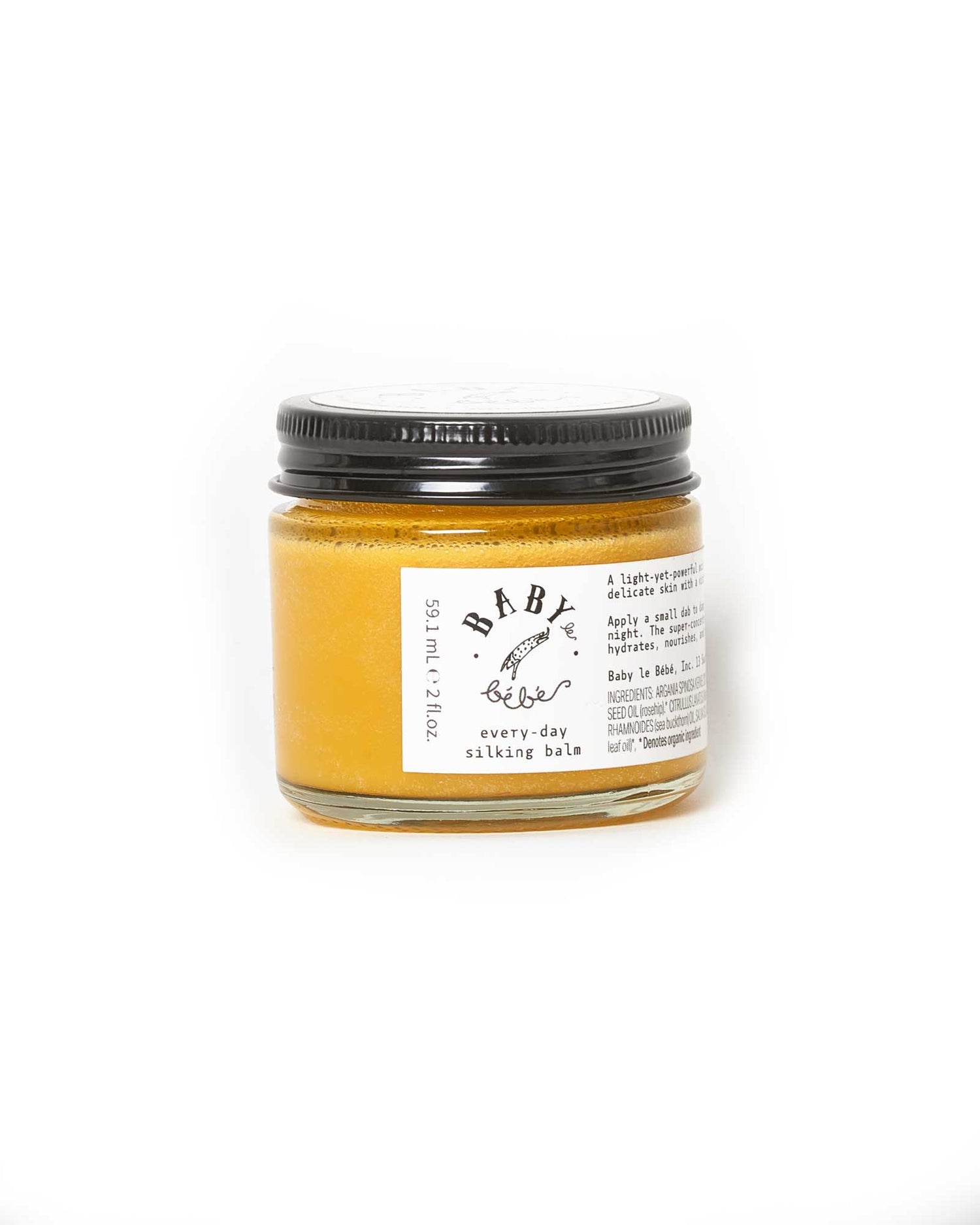
The collection includes balms, oils, cleansers, and body care designed for healthy, feel-good skin. Baby le Bébé is cruelty-free and offers both vegan options and beeswax-based options, which allows shoppers to choose according to their skin needs and values.
The brand’s Catskill Mountains roots and flagship physical store add another layer of connection, while the online apothecary makes it easy to explore natural skincare from home. Just as important, Baby le Bébé invests in education, from how to understand clean beauty claims to how to care for natural product shelf life.
If your idea of luxury is not excess, but purity, texture, ritual, and ingredient honesty, that is the kind of skincare store worth returning to.
Frequently Asked Questions
What makes a skincare store trustworthy? A trustworthy skincare store offers complete ingredient transparency, realistic product claims, clear usage instructions, ethical clarity, and responsive customer support. It should help you choose products that fit your skin, not pressure you into buying more than you need.
Are natural skincare stores always safer? Not automatically. Natural ingredients can be wonderful, but some may irritate certain skin types or trigger allergies. A good natural skincare store will encourage patch testing, disclose fragrant botanicals, and avoid claiming that natural means risk-free.
How can I tell if a skincare store is greenwashing? Watch for vague claims like clean, green, or eco-friendly without details. Trustworthy stores explain what those terms mean in practice, such as ingredient sourcing, cruelty-free policies, packaging choices, or organic content.
Should I avoid stores that sell preservative-free products? No, but you should understand the formula. Water-free oils and balms can often be made without traditional preservatives. Water-based products usually need a preservation system to stay safe. The store should explain this clearly.
Is it better to shop at a local skincare store or online? Both can be trustworthy. A local store lets you ask questions in person and experience textures or scents. A strong online store should offer the same level of clarity through ingredient lists, product education, usage guidance, and customer support.
What should I look for if I have sensitive skin? Choose a skincare store that emphasizes gentle formulas, barrier support, patch testing, and minimal routines. Avoid stores that push strong exfoliants, heavy fragrance, or rapid transformations without considering your skin history.
Shop with more confidence
A skincare store you can trust will never ask you to ignore your instincts. It will give you clear labels, thoughtful guidance, and products made with care.
If you are looking for a natural, cruelty-free apothecary rooted in botanical ingredients and simple rituals, explore Baby le Bébé and choose skincare that feels as honest as it is beautiful.