


Calm skin begins with choices that are gentle on your face and aligned with your values. The best cruelty free face products do more than avoid animal testing. They cleanse without stripping, replenish the skin barrier, reduce avoidable irritation, and make your routine feel steady instead of stressful.
That distinction matters. A product can be cruelty-free and still contain harsh surfactants, heavy synthetic fragrance, or high-strength actives that leave sensitive skin red and tight. On the other hand, a thoughtfully formulated botanical cleanser, oil, or balm can support comfortable, healthy-looking skin while honoring an ethical approach to beauty.
Below is a practical guide to choosing cruelty-free skincare for the face, especially if your goal is calm, resilient skin rather than a complicated shelf full of products.
What cruelty-free really means in skincare
Cruelty-free usually means a cosmetic product was not tested on animals. The challenge is that the phrase is not consistently regulated. The FDA notes that cruelty-free and not tested on animals claims do not have legal definitions, which means shoppers need to look beyond a cute bunny graphic on the label.
A stronger cruelty-free claim considers the full product journey: the finished formula, individual ingredients, supplier practices, and whether the brand has a policy that addresses animal testing requirements in different markets. Third-party programs such as Leaping Bunny can add confidence because they require companies to meet specific criteria and maintain supplier monitoring systems.
It is also worth separating cruelty-free from vegan. Cruelty-free refers to animal testing. Vegan refers to whether the formula contains animal-derived ingredients. A beeswax balm, for example, may be cruelty-free but not vegan. A vegan formula may still need proof that it was not animal-tested. The best approach is to look for both ingredient transparency and a clear animal-testing policy.
Why calm skin needs a barrier-first routine
When skin feels reactive, the issue is often not that it needs more products. It may need fewer irritants and more barrier support. The outer layer of the skin helps hold water in and keep environmental stressors out. When that barrier is disrupted, common signs can include tightness, redness, stinging, flaking, rough texture, or breakouts that seem to appear after every new product.
Cruelty-free face products for calm skin should focus on three priorities: gentle cleansing, lightweight replenishment, and a protective finish when needed. This does not mean avoiding every active ingredient forever. It means earning your way back to actives after your skin feels comfortable and consistent.
A calm-skin product is usually one that feels boring in the best possible way. It does its job without leaving your face squeaky, hot, shiny with irritation, or desperate for moisturizer five minutes later.
Best cruelty-free face products to build around
A strong routine does not require ten steps. Most people can start with a cleanser, a nourishing treatment layer, a moisturizer or balm, and daily sunscreen. From there, add targeted products only when your skin is stable.
| Product type | Best cruelty-free choice for calm skin | What to avoid if skin is reactive |
|---|---|---|
| Gentle cleanser | Oil cleanser, cleansing balm, cleansing milk, or low-foam cream cleanser | Harsh foaming surfactants, gritty scrubs, strong fragrance |
| Hydrating layer | Simple serum or essence with humectants such as glycerin, aloe, hyaluronic acid, or beta-glucan | High alcohol content, unnecessary dyes, overly complex active blends |
| Face oil | Botanical oils chosen for your skin type, such as jojoba, sunflower, rosehip, squalane, or sea buckthorn blends | Heavy oils used too generously, rancid oils, unclear fragrance blends |
| Barrier balm | Plant butters, waxes, and oils used in a thin layer over dry or irritated areas | Petrolatum alternatives if you prefer plant-based formulas, menthol, strong essential oils |
| Mineral sunscreen | Cruelty-free broad-spectrum SPF with zinc oxide or titanium dioxide | Skipping sunscreen, especially when using exfoliants or vitamin C |
| Gentle exfoliant | Low-strength lactic acid, mandelic acid, PHA, or enzyme treatment used occasionally | Strong peels, daily acids, exfoliating when skin already stings |
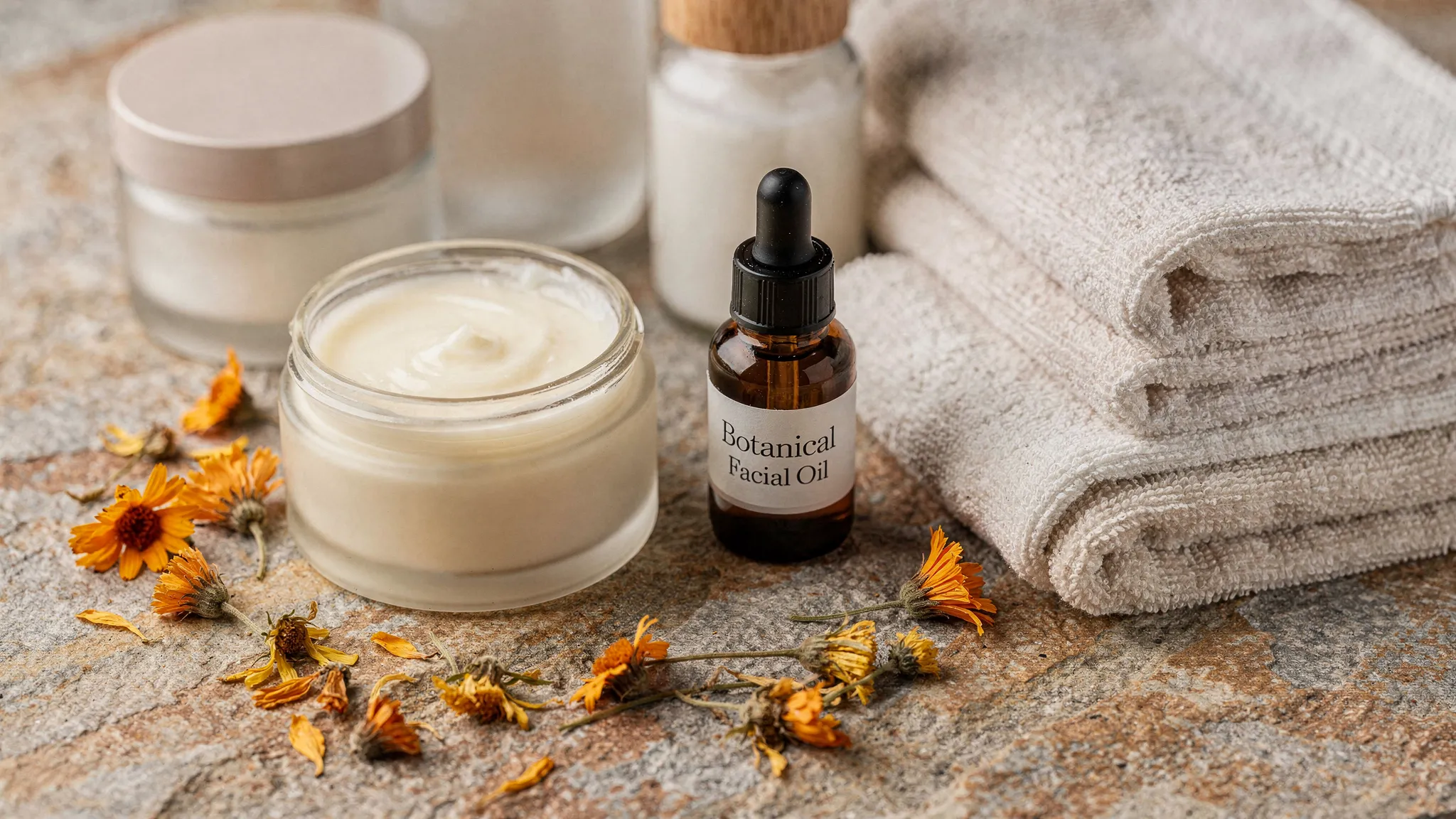
How to choose cruelty free face products that actually calm skin
Start with proof, not packaging
Beautiful packaging can make a product feel pure, but calm skin comes from formulation integrity. Ethical beauty also needs more than a vague claim. Before buying, look for a clear animal-testing policy on the brand’s website, third-party certification when available, and full ingredient lists that are easy to find.
Helpful questions include:
- Does the brand state that it does not test finished products on animals?
- Does the policy address ingredient and supplier testing?
- Is the product vegan, beeswax-based, or a mix of both options?
- Are ingredients listed clearly using recognizable INCI names?
- Does the brand explain why it chooses certain botanicals, oils, or waxes?
If a brand is vague about testing or hides its ingredient lists, that is a reason to pause, even if the marketing looks natural.
Read the ingredient list through a sensitive-skin lens
For calm skin, the best formula is often the one with fewer opportunities to irritate. Short ingredient lists are not automatically better, but they can make it easier to identify what your skin likes or dislikes.
Look for barrier-supportive ingredients such as jojoba oil, sunflower seed oil, squalane, shea butter, calendula, chamomile, aloe, glycerin, and ceramide-supporting lipids. These ingredients are commonly used to soften, nourish, and reduce the feeling of dryness.
Be more cautious with synthetic fragrance, undisclosed parfum, harsh sulfates, drying alcohols, strong mentholated ingredients, aggressive exfoliating acids, and high-strength retinoids if your skin is currently irritated. Natural fragrance and essential oils can also bother sensitive skin, so choose unscented or very simple formulas when your barrier is compromised.
Choose textures based on your skin type
The best cruelty-free product is not the same for everyone. Your skin type, climate, and current barrier condition all affect how a formula behaves.
If your skin is oily or acne-prone, start with a non-stripping cleanser and a lightweight oil or serum used sparingly. Oils rich in linoleic acid, such as sunflower or grapeseed, often feel lighter than very rich, oleic-heavy oils. If your skin is dry, a richer botanical oil followed by a balm on flaky areas can help reduce water loss. If your skin is sensitive or rosacea-prone, keep the routine minimal and avoid heat, over-exfoliation, and strong fragrance.
For mature skin, focus less on harsh resurfacing and more on steady nourishment. Antioxidant-rich plant oils, gentle cleansing, and daily sun protection can do more for long-term comfort than constantly chasing stronger actives.
A simple cruelty-free routine for calm, healthy skin
A calm routine should be easy to repeat. Introduce one new product at a time so you can tell what is helping and what is not.
- Cleanse gently: In the morning, many people with dry or sensitive skin can rinse with lukewarm water or use a very mild cleanser. At night, use an oil cleanser, balm, milk, or gentle cream cleanser to remove sunscreen, makeup, and daily buildup without leaving the skin tight.
- Hydrate lightly: If your skin likes water-based hydration, apply a simple hydrating mist, essence, or serum while skin is slightly damp. If your routine is more waterless and oil-based, move straight to your oil while the skin still has a little moisture from cleansing.
- Nourish with oil or serum: Warm one to three drops of face oil between your palms, then press into the skin instead of rubbing aggressively. This helps distribute the product evenly while minimizing friction.
- Seal vulnerable areas: Use a thin layer of balm on cheeks, around the nose, or anywhere that feels dry, wind-chapped, or fragile. You do not need a thick coat unless your skin is extremely dry.
- Protect during the day: Finish your morning routine with a cruelty-free broad-spectrum sunscreen. Sun exposure can worsen redness, dark spots, dryness, and signs of barrier stress.
Patch testing is especially important for reactive skin. The American Academy of Dermatology recommends testing new skincare products on a small area before using them broadly, particularly if you have sensitive skin or a history of reactions.
If your skin is actively burning or inflamed, simplify further. Stop exfoliants, vitamin C, retinoids, strong masks, and fragranced products until your skin feels calm again. For persistent redness, swelling, oozing, pain, or suspected dermatitis, consult a dermatologist.
Where Baby le Bébé fits into a cruelty-free face routine
Baby le Bébé’s philosophy aligns naturally with a calm, ethical skincare routine: 100% natural formulations, 99% organic ingredients, cruelty-free standards, no synthetics, paraben-free formulas, and no petroleum or fillers. The apothecary includes botanical balms, oils, and cleansers designed for simple, feel-good skin rituals rather than overcomplicated routines.
This matters for anyone who wants products that feel luxurious without relying on unnecessary synthetic additives. A well-made oil cleanser can help remove the day gently. A nourishing face oil can support softness and comfort. A balm can give dry or stressed areas a protective finish, especially in cold weather, after travel, or when the skin barrier feels thin.
If you are building from scratch, start with the category your skin needs most. For cleansing guidance, read Baby le Bébé’s guide to choosing a natural face cleanser. If you are unsure how to layer oils, the guide on how to use face oils explains the press-and-pat method in detail. If your skin feels reactive, the article on how to repair the skin barrier is a helpful next step.
Common mistakes when shopping for cruelty-free face products
One of the biggest mistakes is assuming cruelty-free means gentle. Ethics and skin compatibility are related values, but they are not the same thing. Always check the formula, not just the claim.
Another common mistake is changing everything at once. If you replace your cleanser, serum, moisturizer, and exfoliant in the same week, you will not know which product caused improvement or irritation. A slow transition gives your skin time to adjust and gives you better information.
It is also easy to overuse actives while trying to get results faster. Calm skin usually improves through consistency, not intensity. If your face feels tight after cleansing, stings when you apply products, or turns red after every treatment, your routine is asking too much of your barrier.
Finally, do not forget freshness. Natural oils and balms should be stored away from heat, sunlight, and moisture. If an oil smells sharp, stale, or noticeably different than when you opened it, it may be oxidized and should be replaced.
Frequently Asked Questions
Are cruelty-free face products better for sensitive skin? Not automatically. Cruelty-free refers to animal testing, not irritation potential. For sensitive skin, choose cruelty-free products that are also fragrance-conscious, barrier-supportive, and free from harsh surfactants or aggressive actives.
What is the difference between cruelty-free and vegan skincare? Cruelty-free means the product is not tested on animals according to the brand’s policy or certification. Vegan means the product does not contain animal-derived ingredients. A product can be one, both, or neither, so check both claims separately.
Can face oils be part of a cruelty-free routine? Yes. Plant-based face oils can be excellent in a cruelty-free routine when chosen for your skin type and used in the right amount. Apply a few drops to slightly damp skin and adjust based on how your skin feels.
Are preservative-free face products safe? They can be, especially when they are anhydrous, meaning water-free, such as many oils and balms. Water-based products usually need an effective preservation system for safety. Use clean, dry hands and store natural products carefully.
How do I know if a product is truly cruelty-free? Look for a transparent animal-testing policy, recognizable third-party certification when available, and clear answers about finished product testing, ingredient testing, and supplier standards. If the brand is vague, keep looking.
What should I stop using if my skin feels irritated? Pause exfoliating acids, retinoids, strong vitamin C, scrubs, fragranced products, and harsh foaming cleansers. Return to a simple routine with gentle cleansing, hydration, oil or moisturizer, and sunscreen until your skin feels comfortable.
Build a calmer cruelty-free ritual
Choosing the best cruelty-free face products is not about chasing every trend. It is about finding formulas that align with your values, respect your skin barrier, and make your daily ritual feel calm and consistent.
Ready to simplify your routine? Explore Baby le Bébé for 100% natural, cruelty-free skincare crafted with organic botanical ingredients, no synthetics, no petroleum, and no unnecessary fillers. Start with gentle cleansing, nourish with plant-based oils, and seal in comfort with a balm when your skin needs extra care.


0 comments