

Your skin feels tight after cleansing, then shiny by noon. One oil stings. Another sits on top like a slick film. A third is labeled “natural,” yet your cheeks turn pink the moment it touches them.
That cycle is exhausting, especially when you’re trying to do less, choose cleaner ingredients, and stop irritating skin that already feels on edge.
The good news is that finding the best face oil for sensitive skin isn’t about chasing the trendiest botanical. It’s about understanding what your skin is asking for. Sensitive skin usually needs calm, simplicity, and ingredients that behave more like supportive companions than forceful treatments. It also needs something many guides skip entirely: an oil that stays stable over time, especially in preservative-free formulas.
Your Search for a Gentle Face Oil Ends Here
If you’ve been standing in front of a mirror wondering why “gentle” products keep making your skin angrier, you’re not doing anything wrong. Sensitive skin often reacts to the smallest mismatch. A pretty label, a luxurious scent, or a long list of plant ingredients can sound soothing and still be too much for a fragile barrier.
A face oil can help, but only if you choose one with the right structure, texture, and stability. The wrong oil can feel heavy, clogging, or irritating. The right one can act more like a soft cashmere wrap over weather-beaten skin.
That’s why it helps to stop asking only, “What oil is popular?” and start asking better questions:
- Does this oil support the skin barrier rather than overwhelm it?
- Is it likely to clog pores or trap irritation?
- Is the formula free from common trigger ingredients like fragrance-heavy additions?
- Will the oil stay fresh and stable, especially if it’s preservative-free?
For sensitive skin, those questions matter more than hype.
Sensitive skin usually responds best to skincare that feels boring on paper and beautiful on the skin.
Some oils are a better fit because they resemble the skin’s own lipids. Some are lighter and less reactive. Some hold up better when exposed to air and light. Once you know how to spot those differences, shopping gets much easier.
Why Sensitive Skin Needs a Different Approach to Oils
Sensitive skin isn’t always a fixed identity. Often, it’s a condition of a stressed barrier. Your skin can become reactive after over-cleansing, over-exfoliating, exposure to weather, friction, strong actives, or a long parade of products that promise too much.
Think of your skin barrier like a brick wall. The skin cells are the bricks. The lipids between them are the mortar. When that mortar is healthy, the wall keeps moisture in and irritants out. When the mortar starts crumbling, the wall develops gaps.
What a damaged barrier feels like
You may notice:
- Stinging after washing
- Redness that comes and goes quickly
- Dry patches with an oily surface
- A burning response to products that used to feel fine
- Skin that seems both dehydrated and congested
That last one confuses a lot of people. They assume oil is the enemy because their face feels greasy. But barrier damage can push skin into an unsteady state. It can lose water and still overproduce oil at the same time.
A helpful guide on clean skincare for sensitive skin explains why stripped-down routines often work better for reactive complexions. Sensitive skin usually does better when you reduce friction, avoid fragrance, and support the barrier consistently.
Why oils can help
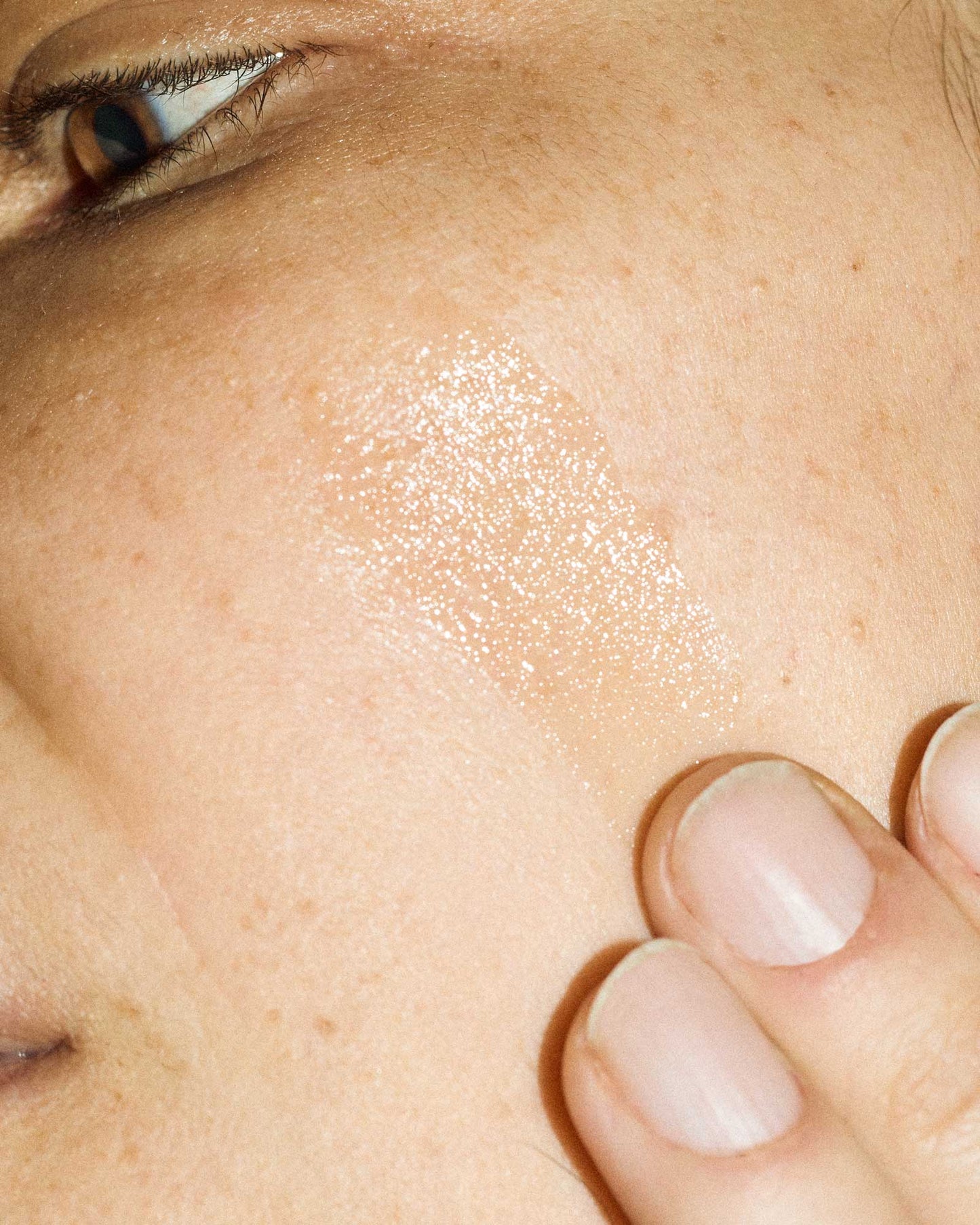
A well-chosen oil doesn’t replace every step in a routine. It plays a different role. It helps cushion the outer layer of skin, reduce that papery, overexposed feeling, and support the lipid layer that keeps the barrier feeling intact.
If your barrier is like a frayed electrical cord, the right oil acts like a protective wrap. It doesn’t magically rebuild everything overnight, but it helps reduce more damage while your skin settles.
Not every oil does this equally well. Sensitive skin tends to do best with oils that are:
- Biomimetic, meaning they behave similarly to skin’s own lipids
- Simple, without a crowd of fragrant extras
- Comfortable, so you’ll use them consistently
- Stable, so they don’t become another source of irritation over time
Why “natural” can still be too much
This is a common point of confusion for many people. Natural ingredients can be wonderful, but sensitive skin doesn’t judge an ingredient by its origin story. It responds to chemistry, concentration, freshness, and context.
A beautifully botanical oil can still be too aromatic, too oxidized, or too rich for skin that’s already flaring. A gentler choice often feels quieter. Less perfumed. Less dramatic. More like relief.
When skin is reactive, support beats stimulation.
The Building Blocks of the Best Sensitive Skin Oils
The best face oil for sensitive skin usually isn’t a single miracle ingredient. It’s a thoughtful combination of qualities that work together. Think of it as a recipe for calm. The base oil matters. The feel matters. The extra botanicals matter. Even the absence of certain ingredients matters.

Start with a skin-friendly base
The foundation of a sensitive-skin oil should be a carrier oil that feels compatible with the skin’s own surface lipids.
Jojoba oil stands out here. It’s technically unusual among plant oils because it closely resembles human sebum and is composed primarily of long-chain wax esters rather than the triglycerides common in many other oils. That structure helps it integrate into the skin’s lipid matrix without disruption. In the data provided by Root Science, jojoba reduced transepidermal water loss by up to 20 to 30% in clinical tests on compromised skin, and it has a non-comedogenic rating of 0 to 2. The same source also notes natural anti-inflammatory support from myristic acid, which can help reduce redness and irritation in reactive skin types (jojoba oil for sensitive skin).
What that means in everyday language is simple. Jojoba often feels less like “putting oil on your face” and more like giving your skin back something familiar.
Look for lightweight barrier support
Some sensitive skin can’t tolerate anything rich or slow to absorb. If that sounds like you, squalane is often a more comfortable option.
Squalane is a stable derivative of a substance naturally present in human sebum. Its texture is usually light, smooth, and easy to spread, which matters when skin is tender and doesn’t want to be rubbed. It also tends to feel less suffocating than heavier oils.
A practical ingredient deep-dive on best ingredients for sensitive skin can help you learn which soothing lipids and botanicals are worth prioritizing if your skin is easily upset.
The ideal oil has more than one soothing trait
A strong sensitive-skin oil often checks several boxes at once.
- Barrier compatibility. It behaves in a way that supports the outer skin layer rather than disrupting it.
- Low clogging potential. This matters if your skin is both reactive and breakout-prone.
- A calm finish. You want slip and comfort, not a heavy coating that makes you want to wash it off.
- Minimal scent load. Fragrant formulas often feel luxurious at first, then become the problem.
What about infused botanicals
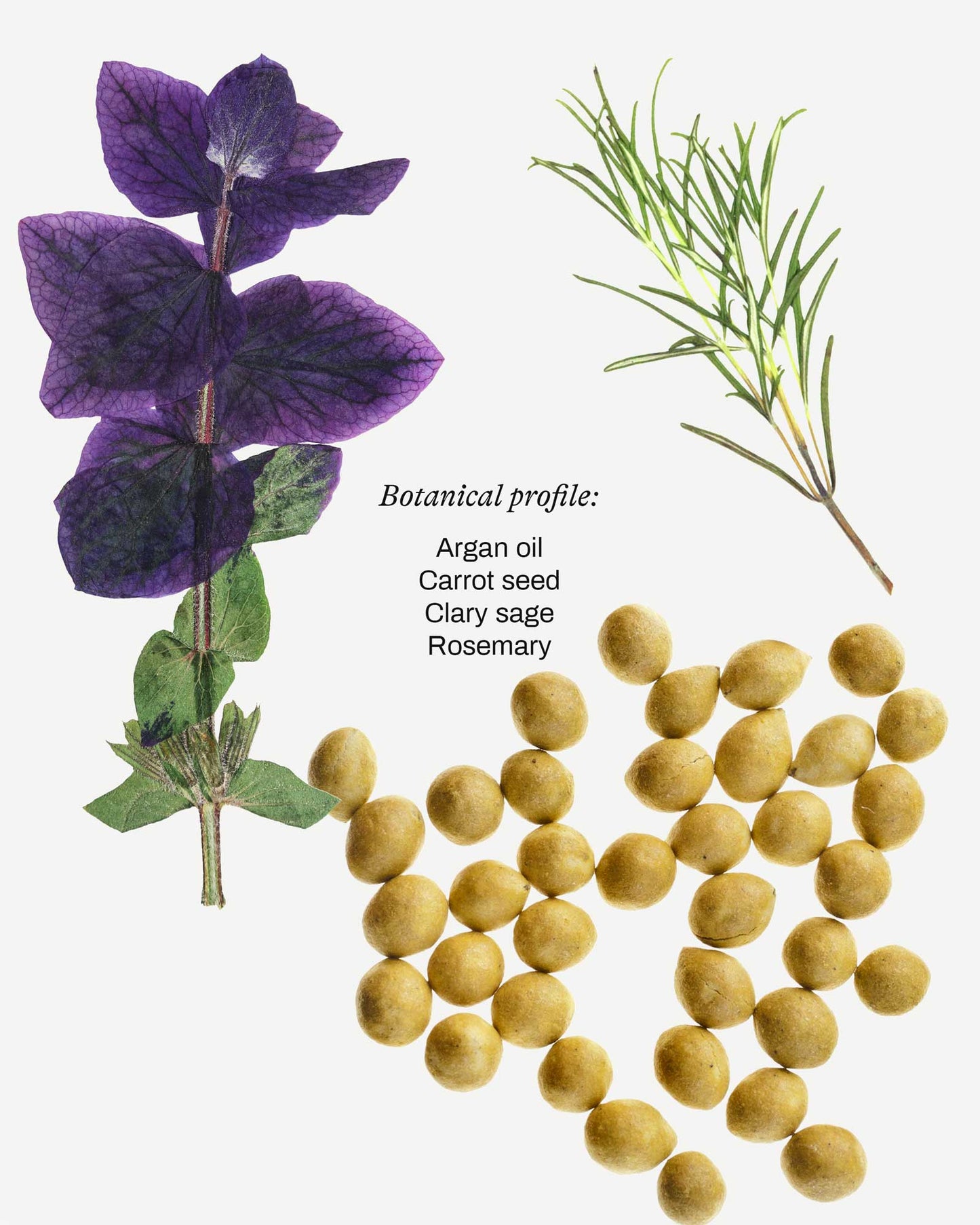
Carrier oils do the structural work, but gentle botanicals can add another layer of comfort. You’ll often see ingredients like calendula or chamomile in formulas designed for delicate skin because they’re associated with a calmer skin feel.
The key is restraint. Sensitive skin tends to prefer a whisper over a chorus. An oil with a few well-chosen soothing botanicals is usually easier to tolerate than one packed with every floral extract in the apothecary.
A simple label-reading checklist
When you pick up a face oil, scan it with these questions in mind:
- What is the base oil? If the first ingredients are lightweight, skin-friendly oils, that’s a strong start.
- Is fragrance added? “Parfum” and strongly aromatic essential oils can be warning signs.
- How complex is the formula? More ingredients don’t always mean more comfort.
- Will this texture suit your skin? Oily-sensitive skin often prefers lighter options. Dry-sensitive skin may want a slightly more cushioning feel.
- Does the product explain freshness and storage? That’s especially important with preservative-free oils.
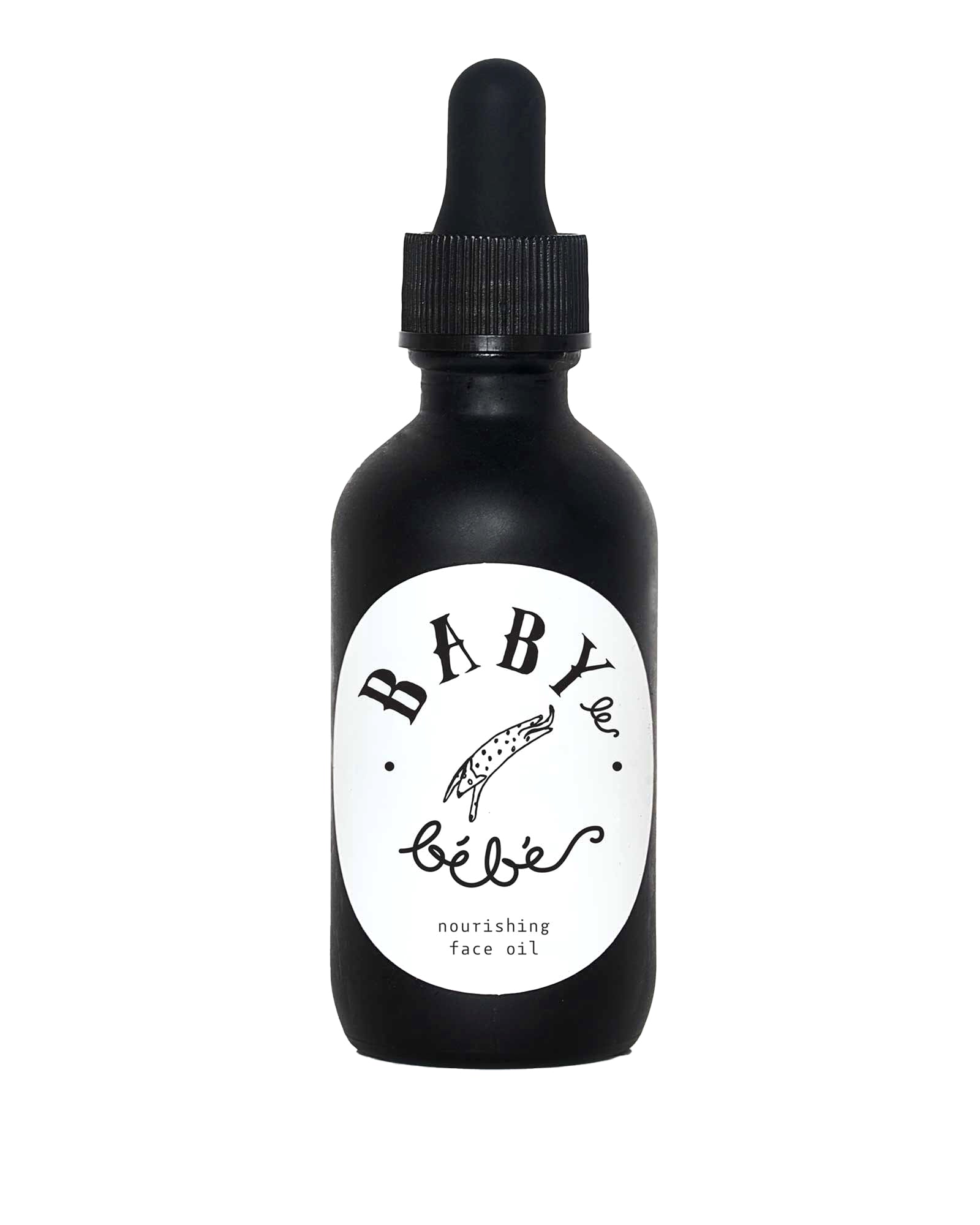
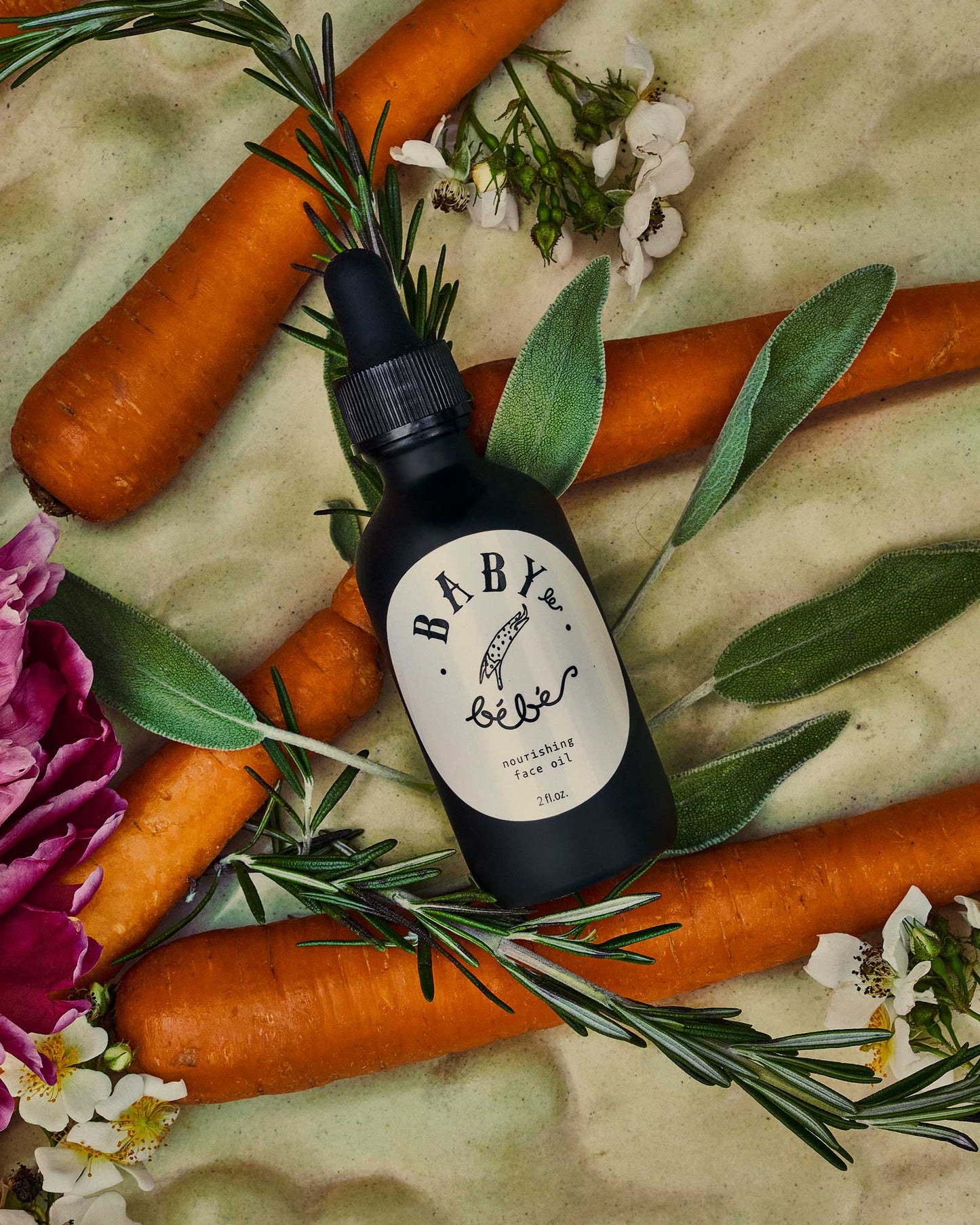
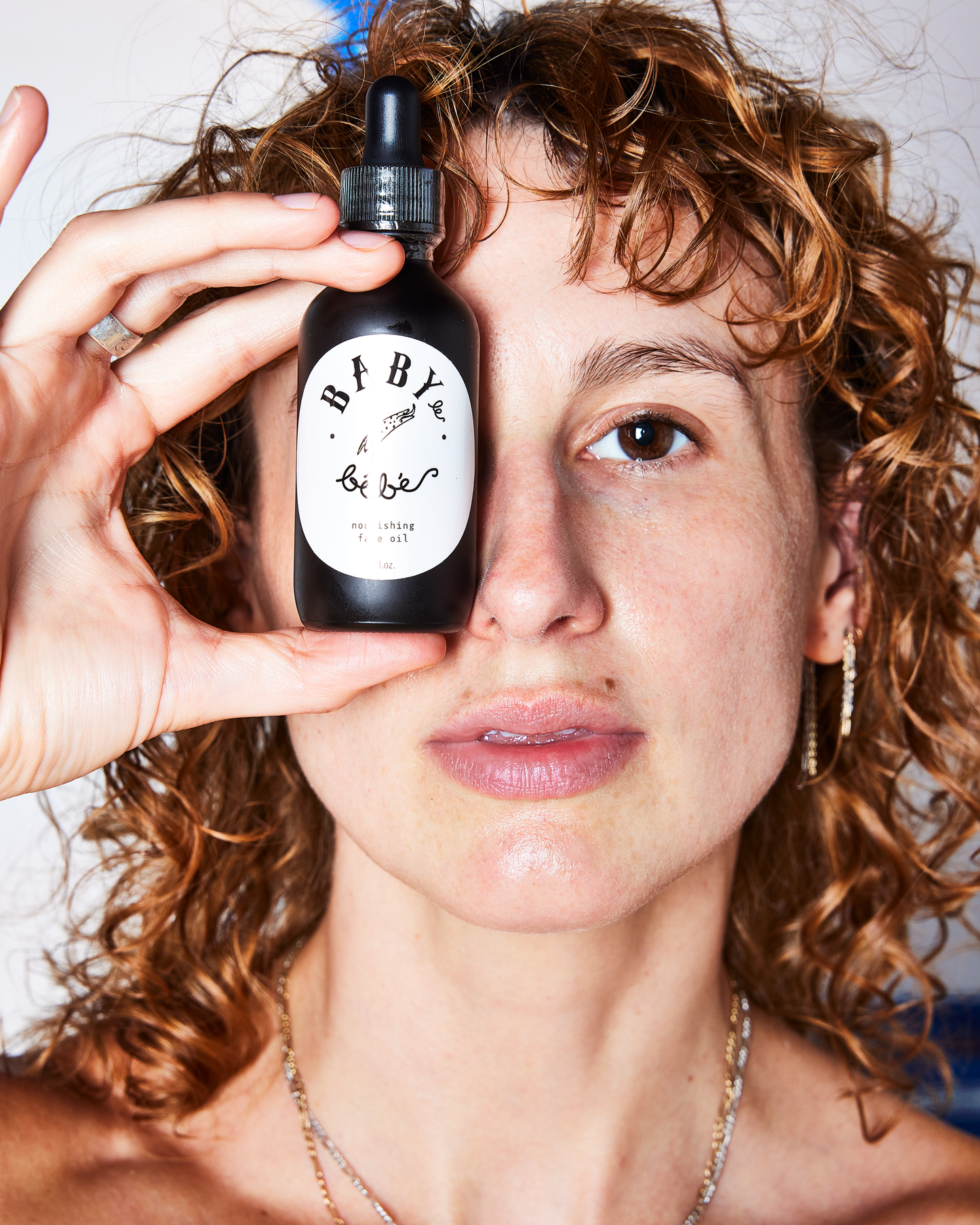
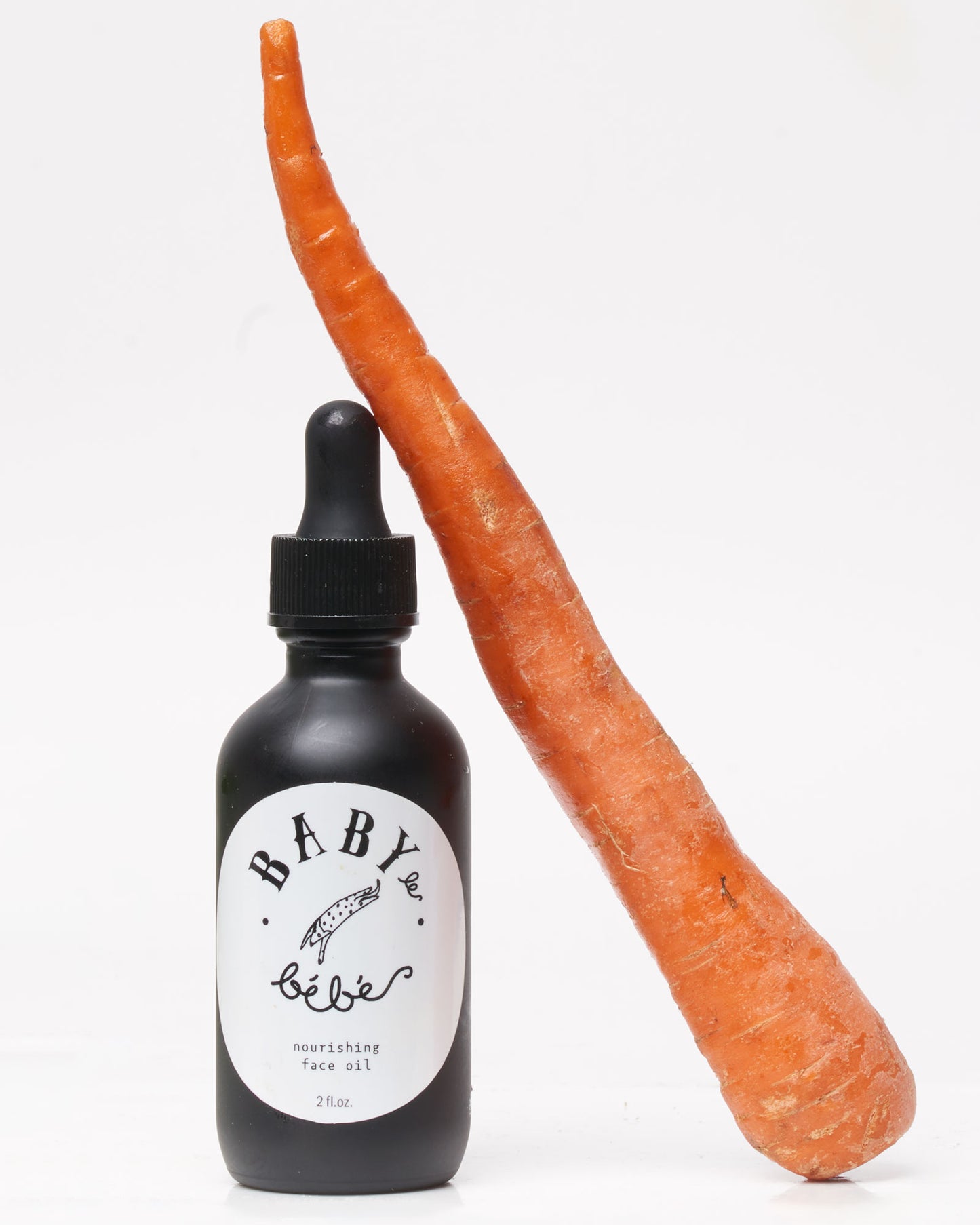
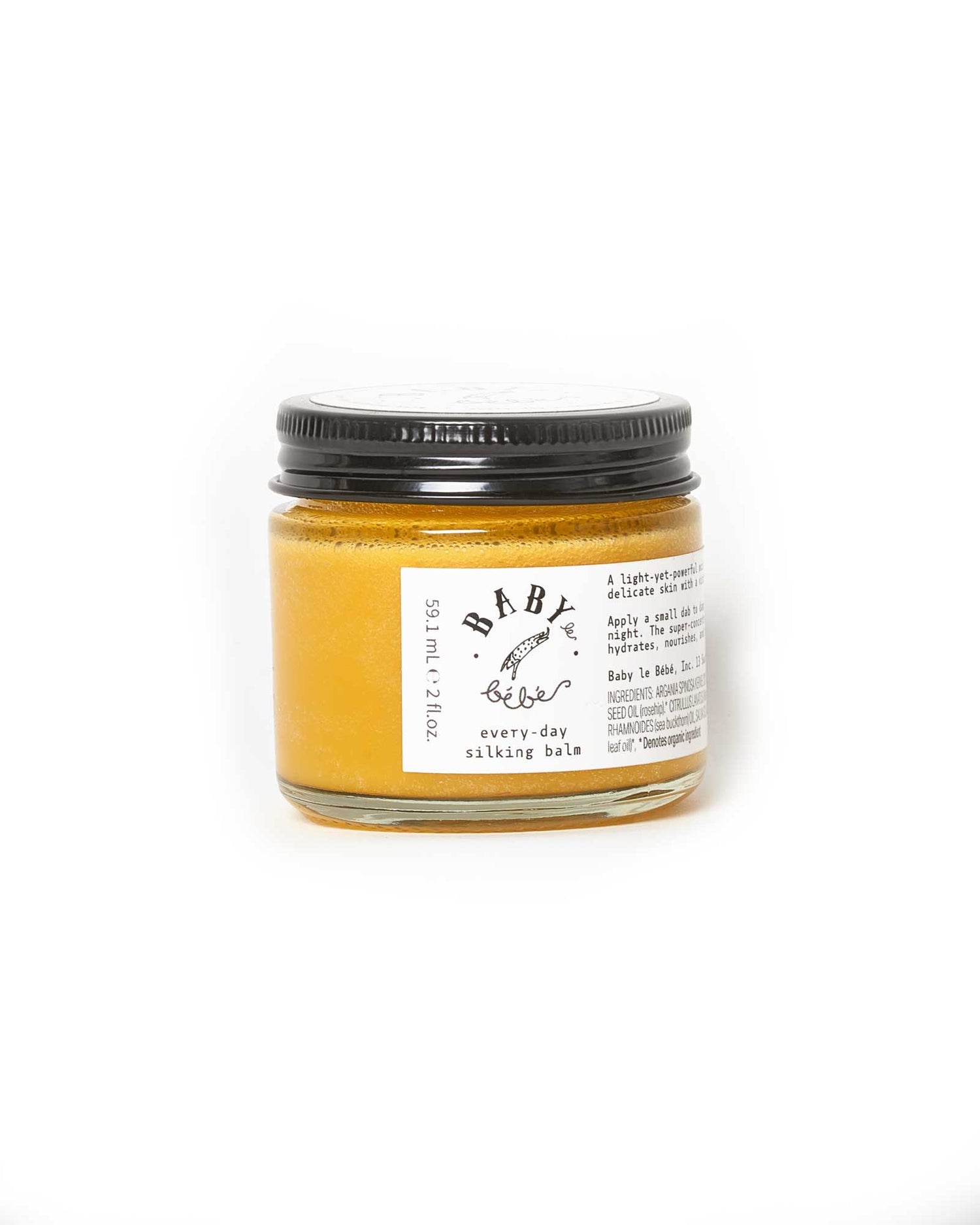
One example in this category is Baby le Bébé Nourishing Face Oil, a face oil positioned for delicate and oily skin with a lightweight feel. The broader lesson is the useful one: a good sensitive-skin oil should feel easy to wear, not like something you have to endure for the sake of results.
Common Irritants Hiding in Face Oils
A product can be plant-based, small-batch, cold-pressed, and still be wrong for sensitive skin. “Natural” tells you where something came from. It doesn’t tell you how your barrier will respond.
That’s especially true with face oils, because many blends are built around scent and sensory drama. For reactive skin, that can be a problem.
Potential Irritants to Avoid in Face Oils for Sensitive Skin
| Ingredient/Category | Why It Can Be a Problem for Sensitive Skin |
|---|---|
| Essential oils with a strong aroma | They can feel stimulating on an already fragile barrier and may trigger redness or stinging |
| Citrus oils | These are often sharp and active on skin that’s already inflamed or over-exfoliated |
| Minty oils | Cooling doesn’t always mean calming. On sensitive skin, it can feel like irritation |
| Synthetic fragrance or parfum | Fragrance is one of the most common reasons a “gentle” product still feels reactive |
| Very rich, pore-clogging oils | Some skin types develop congestion or bumps when the oil feels too occlusive |
| Drying alcohols | They can increase tightness and make a compromised barrier feel even more exposed |
| Overly complex botanical blends | Too many plant extracts at once can make it hard to predict how reactive skin will behave |
Fragrance is a frequent troublemaker
A fragrant face oil may smell like a spa treatment, but scent is often where a soothing formula goes off course. Sensitive skin frequently prefers formulas that smell faint, neutral, or like the raw ingredients themselves.
That doesn’t mean all essential oils are automatically bad in every context. It means reactive skin often benefits from caution, especially if you’re already dealing with flushing, eczema-prone patches, or a stinging response.
If a face oil’s main selling point is how beautiful it smells, sensitive skin may not be its first priority.
Rich doesn’t always mean nourishing
Another common misunderstanding is that thicker equals better. For some people, very rich oils create a trapped, overheated feeling. That can lead to congestion, itching, or the sense that skin can’t breathe.
Sensitive skin often needs comfort without heaviness. That balance is why lighter, more biomimetic oils tend to work so well.
Watch for hidden complexity
Some labels read like a botanical garden. That can sound appealing until you remember that every extra ingredient is another variable. If your skin reacts easily, simpler formulas make troubleshooting easier.
A short ingredient list won’t guarantee success, but it lowers the noise. You’re more likely to understand what your skin likes and what it doesn’t.
Red flags during use
Even before you finish the bottle, your skin may tell you a formula isn’t right.
Look out for:
- Immediate stinging
- A hot or flushed feeling
- New little bumps
- A shiny yet tight finish
- Redness that lingers after application
When that happens, don’t force it because the ingredient list “looks clean.” Sensitive skin responds to reality, not intention.
The Hidden Challenge of Natural Preservative-Free Oils
The most overlooked part of choosing a face oil isn’t always the ingredient list. It’s whether the oil stays fresh.
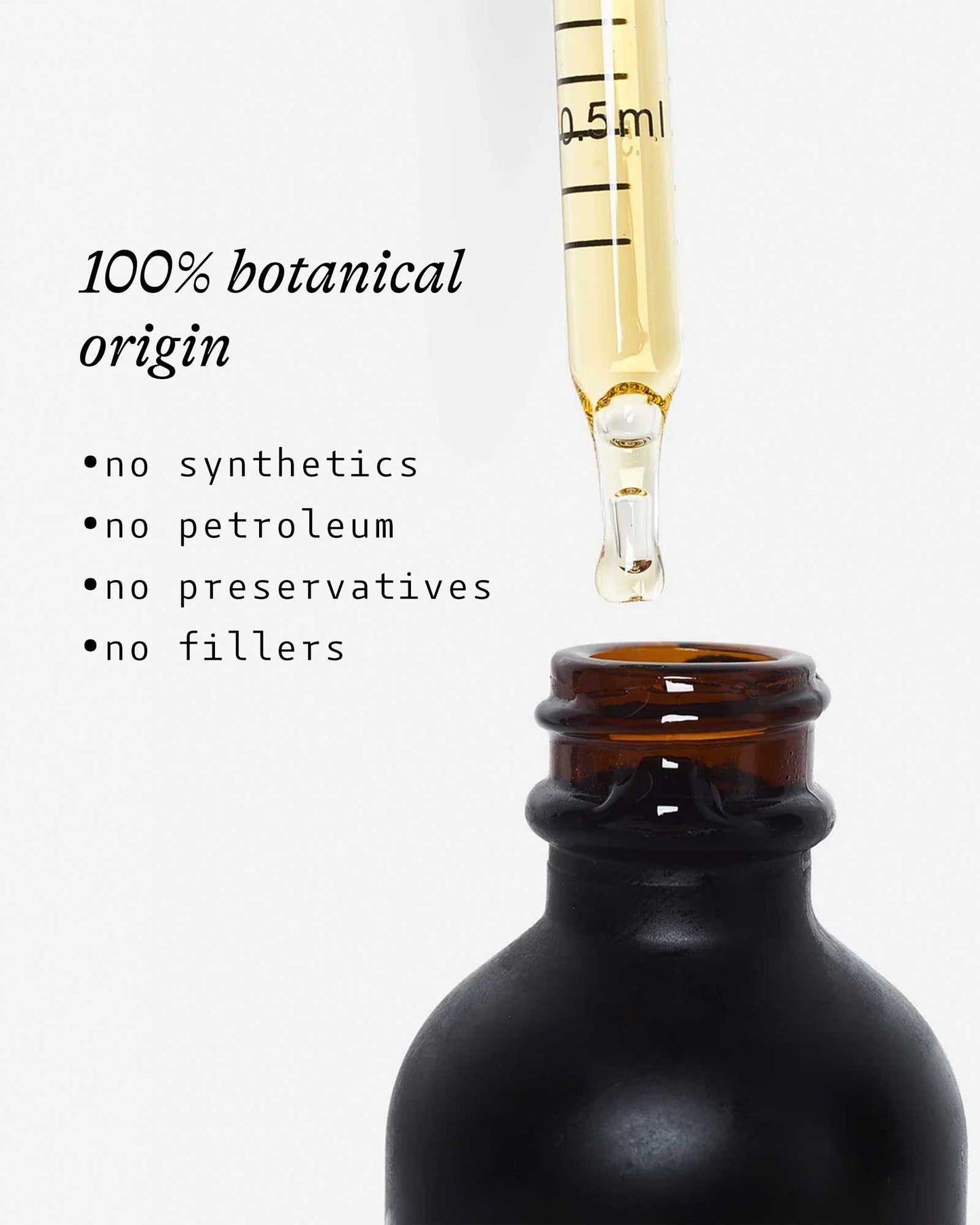
Many guides on oils for sensitive skin overlook the issue of oxidation in preservative-free formulas. That matters because degraded oils can trigger irritation and barrier compromise, which defeats the whole point of using a calming oil in the first place (oxidation and preservative-free face oils).
What oxidation means on your bathroom shelf
Oxidation is what happens when oil is exposed to air, heat, and light over time. The oil gradually changes. Its scent, feel, and skin behavior can shift.
For sensitive skin, that change matters. An oil that started out gentle can become a source of irritation as it degrades.
This is one of the trickiest parts of “clean” beauty. People often assume that fewer preservatives automatically means a product is safer. In some cases, it means you need to be more attentive to storage, packaging, and freshness.
Why this matters more for reactive skin
If your barrier is already fragile, you don’t have much wiggle room. A stable oil can feel cushioning and quiet. An oxidized oil may feel scratchier, more irritating, or oddly harsh even if the original ingredient list looked ideal.
That’s why smart packaging is part of the formula, even though it doesn’t appear in the ingredient deck.
A practical reference from Baby le Bébé on how natural products stay fresh is useful if you buy preservative-free skincare and want to store it well from the first drop to the last.
How to shop and store more carefully
Use these habits to protect delicate oils:
- Choose darker or opaque bottles. They help limit light exposure.
- Keep oils away from heat. A sunny windowsill is pretty, but it’s not ideal storage.
- Close the bottle promptly. Repeated air exposure speeds deterioration.
- Buy a size you’ll finish. Freshness matters more than abundance.
- Notice scent changes. If an oil starts smelling sharp, stale, or off, stop using it.
Signs your face oil may have turned
You don’t need a lab to notice that something is wrong. Watch for sensory clues.
- The smell changes from mild or nutty to stale, sour, or unpleasant
- The color deepens or shifts in a way that seems unusual
- The texture feels heavier, stickier, or less elegant
- Your skin suddenly reacts to a product that had been behaving well
Good skin results depend on good ingredients and good condition. Freshness is part of efficacy.
For sensitive skin, this topic deserves much more attention than it gets. The best face oil for sensitive skin isn’t only gentle on day one. It stays suitable through regular use.
How to Introduce a Face Oil into Your Routine
Even a well-chosen oil can disappoint if you apply too much, use it in the wrong spot in your routine, or skip patch testing. Sensitive skin likes slow introductions.
Start with a quiet patch test
Apply a small amount to a discreet area, such as along the jaw or near the side of the neck. Don’t test it beside several new products at once. Keep the rest of your routine simple while you observe.
This step is especially useful if your skin is prone to quick flushing or delayed irritation.
Apply less than you think
It is common to use too much face oil at first. Sensitive skin often responds better to restraint.
Try this order:
- Cleanse gently and leave your skin slightly damp.
- Apply water-based products first if you use them.
- Warm a small amount of oil between your palms.
- Press it onto the skin instead of rubbing hard.
- Pause and assess before adding more.
Pressing works well because it reduces friction. Think palms to cheeks, then forehead, then chin. Let the oil melt in rather than pushing it around.
Choose texture by skin behavior
If your skin gets congested easily, reach for lighter oils. Squalane is particularly useful here. It’s a stable derivative of a substance naturally found in human sebum, and it can reduce transepidermal water loss by 28% in 4 weeks on sensitive skin panels through barrier-supportive lipid replenishment. The same source notes a comedogenicity rating of 0, which helps explain why it’s often comfortable for reactive, breakout-prone skin (squalane for reactive skin).
If you want a visual guide to layering and technique, this short demonstration can help:
A practical walkthrough on how to use face oils can also help if you’re not sure whether oil belongs before or after moisturizer in your routine.
When oil goes in your routine
This depends on what else you use. In many routines, oil goes after water-based serums. Sometimes it comes before a thicker cream. In a very simple ritual, it may be the last step.
A good rule is to notice what your skin needs most:
- If skin feels dehydrated, apply oil over damp skin to help seal in comfort.
- If you use a heavier cream, try oil before or mixed very sparingly, depending on texture.
- If makeup pills, you may be using too much.
If it feels greasy
Don’t assume face oils aren’t for you. First adjust the amount. Then adjust the formula.
Often the fix is one of these:
- Use fewer drops
- Apply to damp skin
- Switch to a lighter oil
- Use it only at night
- Press it in instead of massaging
Sensitive skin routines work best when they feel soothing enough to repeat. The ritual should calm your skin, not test its patience.
Your Face Oil Questions Answered
Can oily and sensitive skin use face oil
Yes, often very successfully. Oily skin can still be dehydrated and reactive. The key is choosing a lightweight oil with low clogging potential and using a small amount. Texture matters just as much as ingredient choice.
What’s the difference between a face oil and a serum
A serum is usually built to deliver water-based ingredients. A face oil is usually there to soften, cushion, and help reduce moisture loss. They do different jobs, which is why many people use both.
Should I use face oil morning or night
Night is easier for many people because there’s no sunscreen or makeup to layer over it. But some skin loves a light press of oil in the morning too. The right answer depends on the formula, the amount, and how your skin behaves through the day.
Can I use face oil around the eye area
You can, but carefully. The skin there is thin and quick to react. Use the smallest amount and avoid strongly aromatic formulas. If your eyes water or sting, keep the oil farther out on the orbital bone.
How do I know if an oil is too rich for me
Your skin will usually show you. You may notice little bumps, a filmy feeling, or discomfort that makes you want to wash it off. That doesn’t mean all oils are wrong for you. It usually means the texture or composition isn’t the right match.
Is a preservative-free oil automatically better for sensitive skin
Not automatically. Some preservative-free formulas are beautiful for sensitive skin, but they require careful handling. Freshness, packaging, storage, and ingredient stability all matter.
What does oxidized oil seem like in real life
Usually, it smells off first. Then the feel may change. Some people also notice that a once-comfortable oil starts making skin look redder or feel itchy. If your skin suddenly dislikes a product that used to feel soothing, freshness is worth questioning.
What should I prioritize when shopping
Keep it simple. Look for:
- A gentle base oil
- Little to no added fragrance
- A texture that matches your skin
- Packaging that protects freshness
- Clear usage and storage guidance
The best face oil for sensitive skin should feel like relief. Not a gamble.
If you’re building a calmer, more thoughtful ritual, explore Baby le Bébé for botanical skincare made with natural ingredients and supported by practical education on use, storage, and everyday barrier care.