

Your skin may look calm in the morning, then flare by lunch. A cleanser that seemed fine last week suddenly stings. A cream your friend swears by leaves your cheeks hot, blotchy, or tight.
That cycle can make skincare feel like guesswork. You start reading every label, avoiding entire categories, and wondering whether “sensitive skin” means dry skin, allergic skin, irritated skin, or all of the above.
Many of us know that feeling. Sensitive skin is not only a skin type. It is an experience of caution, trial, and sometimes disappointment. The good news is that relief usually does not begin with doing more. It begins with understanding what your skin is asking for.
A Soothing Start for Stressed-Out Skin
Sensitive skin often changes how you move through ordinary routines. You hesitate before trying a new face wash. You brace for the tingle after rinsing. You keep one “safe” product around because everything else feels like a risk.
Some people first notice it after a season of overdoing actives. Others have always had skin that flushes easily, reacts to weather, or feels dry and prickly for no obvious reason. In both cases, the skin is telling us the same thing. It needs support, not a fight.
A gentle approach helps because reactive skin rarely responds well to constant correction. If the barrier is already strained, piling on stronger products can keep the cycle going. Calm skin usually comes from simpler formulas, fewer triggers, and ingredients chosen for comfort as much as performance.
That is why the best ingredients for sensitive skin are not only the ones that reduce redness in the moment. They are the ones that help the skin become steadier over time. We want ingredients that soften irritation, hold water, and reinforce the outer shield that protects us all day.
Think of this as a resilience-first philosophy. Instead of chasing every flare with a different treatment, we build a routine that helps skin stay less reactive in the first place. Plant-based care fits beautifully here when it is used thoughtfully. Oat, calendula, chamomile, aloe, and other botanicals can feel less like an attack and more like a steady hand.
Sensitive skin often improves when we stop asking it to be tough and start helping it feel safe.
Understanding the Science of Sensitive Skin
The clearest way to understand sensitive skin is to look at the skin barrier. This is the outer layer of skin that keeps moisture in and helps irritants stay out. When it is working well, skin feels more balanced. When it is disrupted, skin becomes more reactive.
The brick-and-mortar picture
A helpful analogy is a brick wall.
Your skin cells are the bricks. The lipids around them are the mortar. When the mortar is strong, the wall stays sealed. When the mortar wears down, gaps open up. Water escapes more easily, and outside irritants can slip in.
That water loss has a technical name, transepidermal water loss, often shortened to TEWL. You do not need to memorize the term. Just know what it means in daily life. Skin starts to feel tight, rough, dry, hot, or stingy because it cannot hold on to moisture as well.
One reason barrier care matters so much is that ceramides make up a significant portion of the skin’s barrier, and sensitive skin may show reduced ceramide levels in clinical observations. In the same overview, a Northwestern Medicine survey found a large majority of dermatologists recommended ceramides and a high percentage recommended hyaluronic acid for dry skin conditions that often overlap with sensitivity, as summarized by Chicago Skin Clinic’s review of the best ingredients for treating dry, sensitive skin.
Sensitive skin and sensitized skin are not always the same
Many readers get confused on this point. Some people naturally have reactive skin. Others have sensitized their skin by using too many harsh products, exfoliating too often, or cleansing in a way that strips away protective oils.
The symptoms can look similar:
- Burning or stinging: Often shows up after cleansing or applying active products.
- Dry, papery texture: The surface may feel thin or rough.
- Redness that comes and goes: Especially after wind, heat, washing, or new formulas.
- A product “suddenly” stops working: The skin may not be worse because the product changed. The barrier may be less able to tolerate it.
If your skin used to tolerate almost anything and now reacts to everything, sensitization may be part of the story. If your skin has always been picky, naturally delicate, or easily flushed, you may be dealing with a more persistent sensitivity pattern.
Why barrier support matters most
People often search for one miracle ingredient. In practice, the skin usually needs a system.
That system includes cleansing gently, keeping water in the skin, smoothing the surface so it feels comfortable, and protecting the outer layer so it can recover. Barrier support is not glamorous, but it is often the turning point.
A simple comparison makes this easier:
| Skin state | What it tends to feel like | What helps most |
|---|---|---|
| Compromised barrier | Tight, stingy, reactive, easily dry | Ceramides, hydration, fewer irritants |
| Dehydrated skin | Dull, thirsty, rough, uncomfortable | Humectants like hyaluronic acid, gentle sealing layers |
| Inflamed skin | Red, warm, prickly, unsettled | Soothing ingredients, minimal routine, less friction |
What long-term calm usually looks like
Skin resilience does not mean skin never reacts. It means the skin returns to balance more easily. A windy day, a warmer shower, or a new season no longer throws everything off.
That is why the best ingredients for sensitive skin usually do two jobs at once. They calm visible discomfort, and they help the barrier become more dependable.
When skin feels fragile, strength often comes from repair, not intensity.
Top Botanical Ingredients for Calming Skin
If we look at formulas made for reactive skin, a pattern appears. A 2022 systematic review found that niacinamide was the most frequently used active ingredient in products for sensitive skin, followed by Avena sativa (oat), allantoin, and glycyrrhetinic acid. The same review noted that ingredients aimed at inflammation reduction and barrier repair appeared in more than 50% of the products analyzed, while high-quality clinical data on sensitive skin groups remained sparse. You can read that summary in the PubMed record for the systematic review on skincare products for sensitive skin.
That finding matters because it points us toward ingredients with a long record of gentle use. It also reminds us to stay humble. Sensitive skin is personal. Even well-liked ingredients need to be introduced carefully.

Soothing and anti-inflammatory botanicals
Oat deserves its reputation. It is one of the most familiar comfort ingredients in skincare because it tends to feel softening, cushioning, and quiet on irritated skin. In formulas, oat can help create a protective feel on the surface, which is why it often shows up in products made for redness, dryness, or itch-prone skin.
Chamomile is another classic. Herbalists have long leaned on chamomile when skin looks overstimulated. In skincare, it is often chosen for that same reason. It can be a lovely fit when skin appears flushed and wants less drama.
Calendula sits in a similar family of skin-soothing plants. Many people think of it first for baby care, but it belongs as naturally in adult routines for reactive skin. It has a soft, comforting profile that suits creams, balms, and infused oils. If you enjoy learning about traditional botanical uses, this piece on calendula essential oil offers helpful plant context.
Aloe vera often helps when skin feels hot or overexposed. It is usually associated with cooling after sun, but the bigger idea is moisture and relief. For a reactive complexion, that light, watery comfort can be useful when richer products feel too heavy.
Barrier helpers that also calm
Niacinamide is not a botanical extract, but it belongs in this conversation because of how often it appears in sensitive-skin formulas. It stands out for a reason. It is known for supporting the skin barrier, helping with moisture retention, and calming inflammation. For readers who want one ingredient that multitasks without being aggressive, niacinamide often makes sense.
The key with niacinamide is dose and formula style. Some people do beautifully with it. Others prefer it in a simpler, lower-key formula rather than a product packed with multiple actives. If your skin is highly reactive, start slow.
Panthenol is another gentle workhorse. It is often described as soothing and comfort-giving, and it tends to fit well in products designed to help skin feel less dry and more settled. It is especially appealing when the skin feels both irritated and dehydrated.
Allantoin shows up in many formulas meant to soften and calm. It helps explain why a moisturizer can feel immediately more comfortable even when it does not seem rich. This is the sort of ingredient that improves the feel of a formula.
Redness reducers and repair-minded plant allies
Licorice-derived ingredients, including glycyrrhetinic acid and its relatives, are often chosen for skin that looks uneven, blotchy, or irritated. They sit at the intersection of calming and brightening. That makes them especially useful when sensitivity and post-irritation marks seem to travel together.
Centella asiatica has become popular because many people find it supportive when skin feels stressed. It is often included in formulas meant to comfort the skin after overuse of exfoliants or environmental strain. Readers often ask whether it is “too active.” In a well-made soothing formula, it usually functions more like a helper than a harsh treatment.
Green tea is another thoughtful plant ally. When we think about sensitive skin, we often focus only on what is happening now, such as stinging or redness. But daily life adds stress from sun, weather, and pollution. Green tea is appealing because it supports skin facing that everyday load without feeling abrasive.
How to choose among them
A long ingredient list can be overwhelming, so it helps to sort by what your skin is asking for most.
- If skin feels hot or flushed: Try oat, chamomile, calendula, or aloe in a simple formula.
- If skin feels thin, dry, or easily irritated: Look for niacinamide, panthenol, or allantoin in a barrier-focused moisturizer.
- If redness lingers after irritation: Licorice-derived ingredients or centella may be worth exploring.
- If your skin reacts to “everything”: Start with the shortest formula you can find and choose only one soothing hero at a time.
A quick reference can help:
| Ingredient | Best known for | Good moment to use it |
|---|---|---|
| Oat | Comfort and a protective feel | Dry, itchy, unsettled skin |
| Chamomile | Calming a flushed look | Skin that feels overstimulated |
| Calendula | Gentle botanical support | Delicate or easily upset skin |
| Aloe vera | Cooling hydration | Warm, irritated, thirsty skin |
| Niacinamide | Barrier support and calm | Skin that needs resilience |
| Panthenol | Softening and soothing | Dehydrated, reactive skin |
| Allantoin | Comfort and smooth feel | Rough, uncomfortable skin |
| Licorice-derived ingredients | Redness support | Blotchy or post-irritation skin |
| Centella asiatica | Stressed-skin support | Skin recovering from overdoing it |
Plant-based skincare works best when the formula respects the skin’s limits. Gentle herbs shine brightest in simple, well-balanced products.
Gentle Hydrators and Barrier Protectors
Calming ingredients help, but soothing alone is not enough. Sensitive skin also needs hydration and a protective finish that keeps that hydration from escaping too quickly.
Three jobs your moisturizer can do
A good sensitive-skin routine often includes three kinds of support. They work together, but they are not the same.
- Humectants: Think of these as water magnets. They attract moisture and help the skin feel hydrated. Hyaluronic acid fits here.
- Emollients: These smooth the skin surface. Plant oils often play this role by helping rough or flaky skin feel softer.
- Occlusives: These act more like a seal. Balms and richer butters can help hold moisture in place and reduce that tight, exposed feeling.
Readers often think they need to choose one. Usually, the skin likes some combination. A watery layer without a seal can evaporate quickly. A heavy balm without enough water underneath can feel protective but not especially hydrating.
Why hyaluronic acid helps some people and confuses others
Hyaluronic acid is popular because it hydrates without feeling greasy. That matters for skin that is sensitive but also dislikes heavy textures. It can make the skin feel fuller and more comfortable when used under a cream or oil.
Confusion comes from expecting it to do every job. It is a hydrator, not a full barrier routine by itself. If your skin still feels tight after a hyaluronic acid serum, it may be asking for an emollient or a balm on top.
For a practical overview of barrier-focused care, this guide on how to repair skin barrier is a useful companion read.
Plant oils, balms, and the comfort of a seal
For very reactive skin, the finish of a product matters almost as much as its active ingredients. A nourishing oil can reduce friction and soften the look of dry patches. A balm can create that sheltered feeling skin craves in cold weather, after cleansing, or during a flare.
Not all oils feel the same. Some are light and silky. Others are dense and cocooning. That is why texture testing matters with sensitive skin. The best formula is not the most nourishing on paper. It is the one your skin accepts daily.
This short video offers a helpful visual explanation of skin barrier care and hydration in practice.
Common Skin Irritants to Approach with Caution
Many people search for the best ingredients for sensitive skin but overlook the other half of the equation. Sometimes improvement comes less from adding a miracle ingredient and more from removing what keeps poking the skin.
Fragrance is a common troublemaker
Fragrance is one of the first things many sensitive-skinned people learn to watch. That includes synthetic fragrance blends and, in some cases, strongly aromatic essential oils.
This does not mean every fragrant plant ingredient is automatically bad. It means scent itself can be a problem when skin is already reactive. If your face stings but the product otherwise sounds soothing, fragrance may be the hidden issue.
Drying alcohols can leave the skin exposed
The word “alcohol” on a label can sound alarming, but context matters. Some fatty alcohols help creams feel smooth and are often well tolerated. Drying alcohols are the ones to approach carefully because they can leave skin feeling stripped and more vulnerable.
A simple way to judge your own skin is by the after-feel. If a toner or lightweight gel dries down fast and leaves your face squeaky, taut, or hot, it may be too aggressive for your current barrier condition.
Harsh surfactants and strong exfoliants
Cleansers matter more than people think. If a face wash foams aggressively and leaves skin feeling “extra clean,” many sensitive complexions will not interpret that as a success. They will interpret it as stress.
The same caution applies to strong exfoliation. Acids and scrubs can be useful in some routines, but reactive skin often needs less frequency, softer formulas, or a complete pause while the barrier recovers.
Natural does not always mean gentle
This is an important herbalist’s note. Plant-based skincare can be beautiful, but not every plant suits every face. Some essential oils, especially more intense or citrus-leaning ones, can be too stimulating for reactive skin.
A short red-flag checklist helps when you are scanning labels:
- Added fragrance: Often worth avoiding when skin stings easily.
- Bright dyes or colorants: These do not usually support barrier health.
- Strongly foaming cleansers: If cleansing feels harsh, the formula may be harsh.
- Intense exfoliant blends: A mix of acids can overwhelm a delicate barrier.
- Highly aromatic formulas: Strong natural scent can still be irritating.
If your skin is flaring, “simpler” is often the fastest way to learn what is helping and what is hurting.
Building Your Gentle Skincare Ritual
A calm routine is usually a small routine. Sensitive skin tends to respond best when we make changes slowly, observe carefully, and stop treating every rough day as a cue to buy five new products.
Patch testing without overcomplicating it
Patch testing is not glamorous, but it saves frustration. Apply a small amount of a new product to a discreet area first, then give your skin time to respond before using it more broadly.
If you are eager to test several products, resist that urge. Add one new formula at a time. That way, if your skin reacts, you know where to look.
The one-in, one-out rule
This is one of the gentlest habits you can adopt. When you bring in a new product, keep the rest of your routine stable.
That rule protects you from confusion. If you switch cleanser, toner, serum, and cream all at once, your skin may protest, and you still will not know which product caused it.
How to read the label with more confidence
Ingredient lists can feel intimidating, but a few habits make them easier.
- Look early in the list: The ingredients near the top shape most of the formula.
- Spot the purpose: Ask whether the product contains a calmer, a hydrator, a seal, or too many competing jobs.
- Notice the extras: If the formula is packed with fragrance, multiple exfoliants, and lots of botanical perfume, proceed carefully.
- Match the product to the moment: Red, flaky skin needs a different formula than skin that feels a little dry.
If you are shopping beyond skincare, the same careful mindset helps with items worn close to delicate skin. Resources on hypoallergenic and gentle products can be useful for people who react to adhesives, fabrics, or friction as well.
A minimalist routine that often works well
You do not need a crowded shelf to support sensitive skin. A thoughtful ritual can be very short.
- Cleanse gently each evening Use a cleanser that removes sunscreen, makeup, and daily buildup without leaving the skin tight. If you prefer a softer first step, this guide to a gentle cleanser for sensitive skin is a helpful reference.
- Apply hydration while skin is still slightly damp This might be a mist, essence, gel, or simple hydrating serum. The goal is comfort, not stimulation.
- Add a moisturizer, oil, or balm based on your skin’s mood Lighter layers can work during humid months. Richer balms often help when skin feels exposed, flaky, or wind-chapped.
- In the morning, keep it restrained Many sensitive-skinned people do better with fewer steps before heading out. If the skin already feels balanced, do not disturb it.
What patience looks like in practice
A gentle ritual does not always deliver dramatic overnight change. What you often notice first is subtler. Less stinging. Fewer surprise flare-ups. Skin that feels less angry after washing.
That is progress. Sensitive skin often heals in whispers rather than declarations.
A routine is working when your skin becomes less eventful.
Conclusion: Nurturing Calm and Resilient Skin
The best ingredients for sensitive skin are not always the trendiest ones. They are the ingredients that help your skin feel safe enough to settle. Often that means soothing botanicals, steady hydration, and barrier support used with patience.
Sensitive skin asks us to think in systems rather than spot fixes. A little oat, chamomile, calendula, aloe, niacinamide, panthenol, or allantoin can be helpful, but the deeper shift comes from how those ingredients are used. Gentle cleansing, thoughtful layering, and fewer irritants give them room to work.
There is also relief in letting skincare become simpler. A smaller routine can be more intelligent than a crowded one. It gives you clearer signals, fewer triggers, and a better chance to understand what your skin loves.
We find that this approach changes the relationship people have with their skin. Instead of trying to control every flare, they start building resilience day by day. The skin may still be delicate, but it feels less fragile. That is a meaningful difference.
Caring for sensitive skin is not about perfection. It is about consistency, softness, and respect for the barrier that protects you every day. When we choose ingredients and rituals with that mindset, calm skin becomes less of a lucky accident and more of a steady practice.
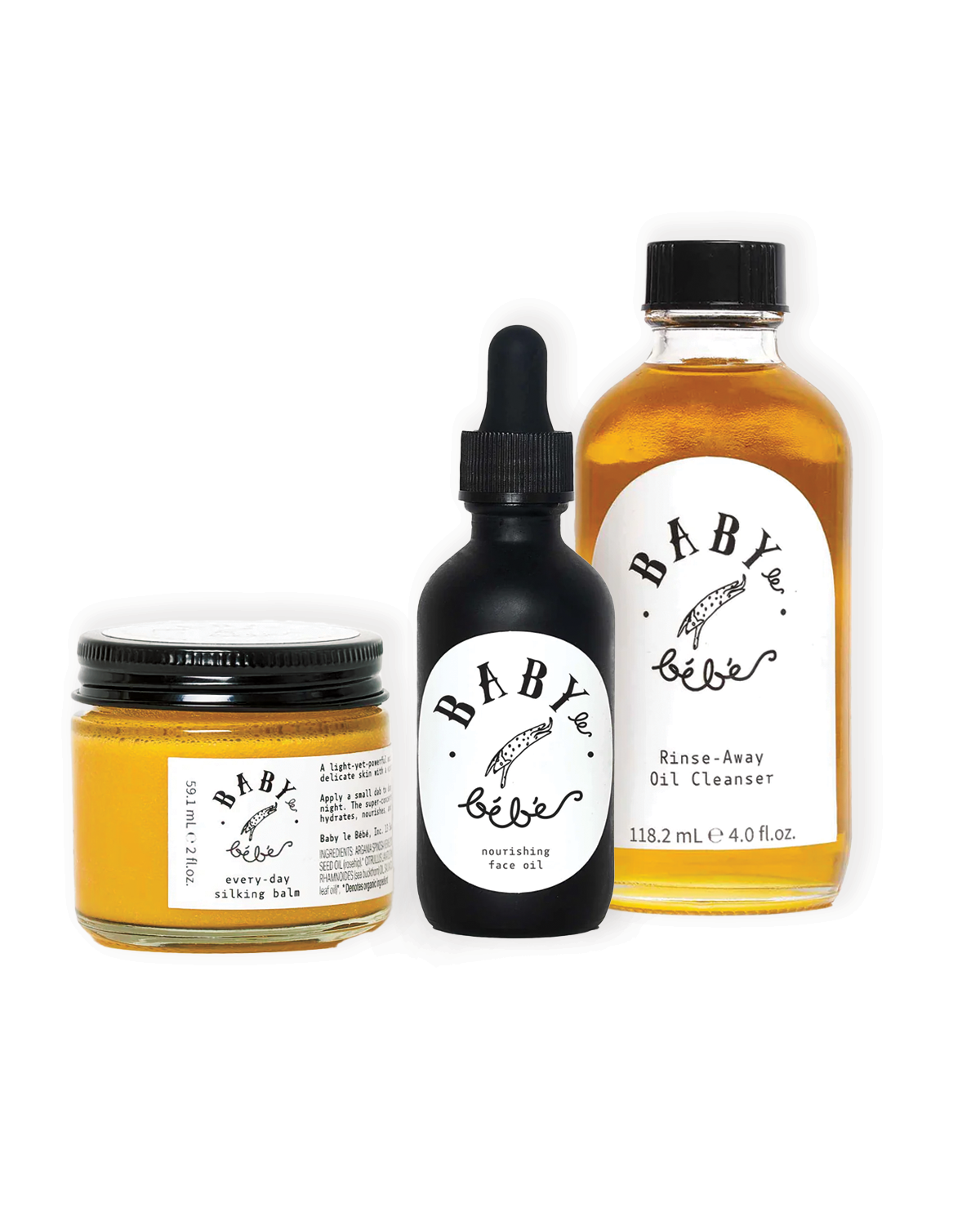
If you want to build a botanical ritual around that philosophy, Baby le Bébé offers natural, organic skincare designed to cleanse, hydrate, and seal moisture with a gentle touch.