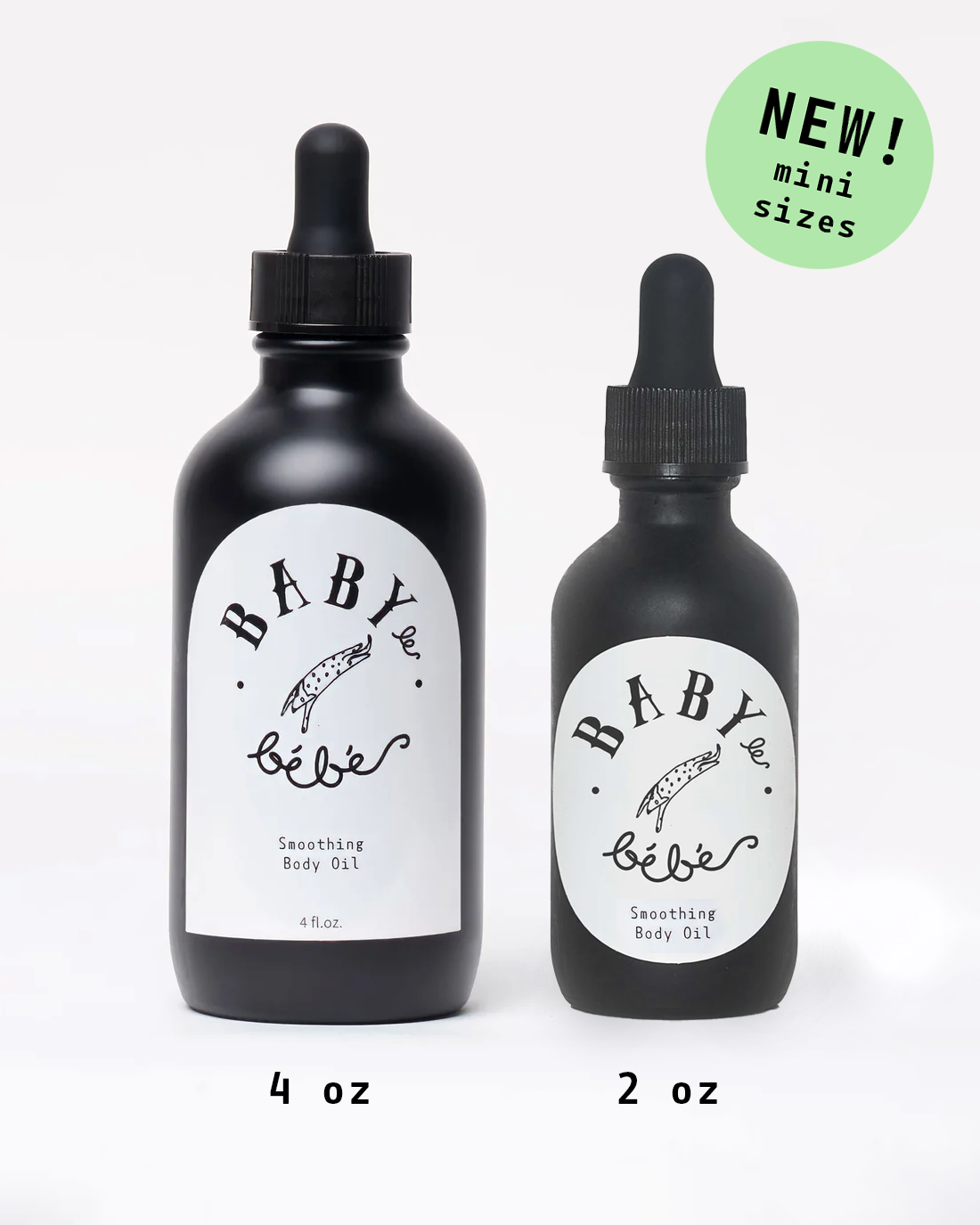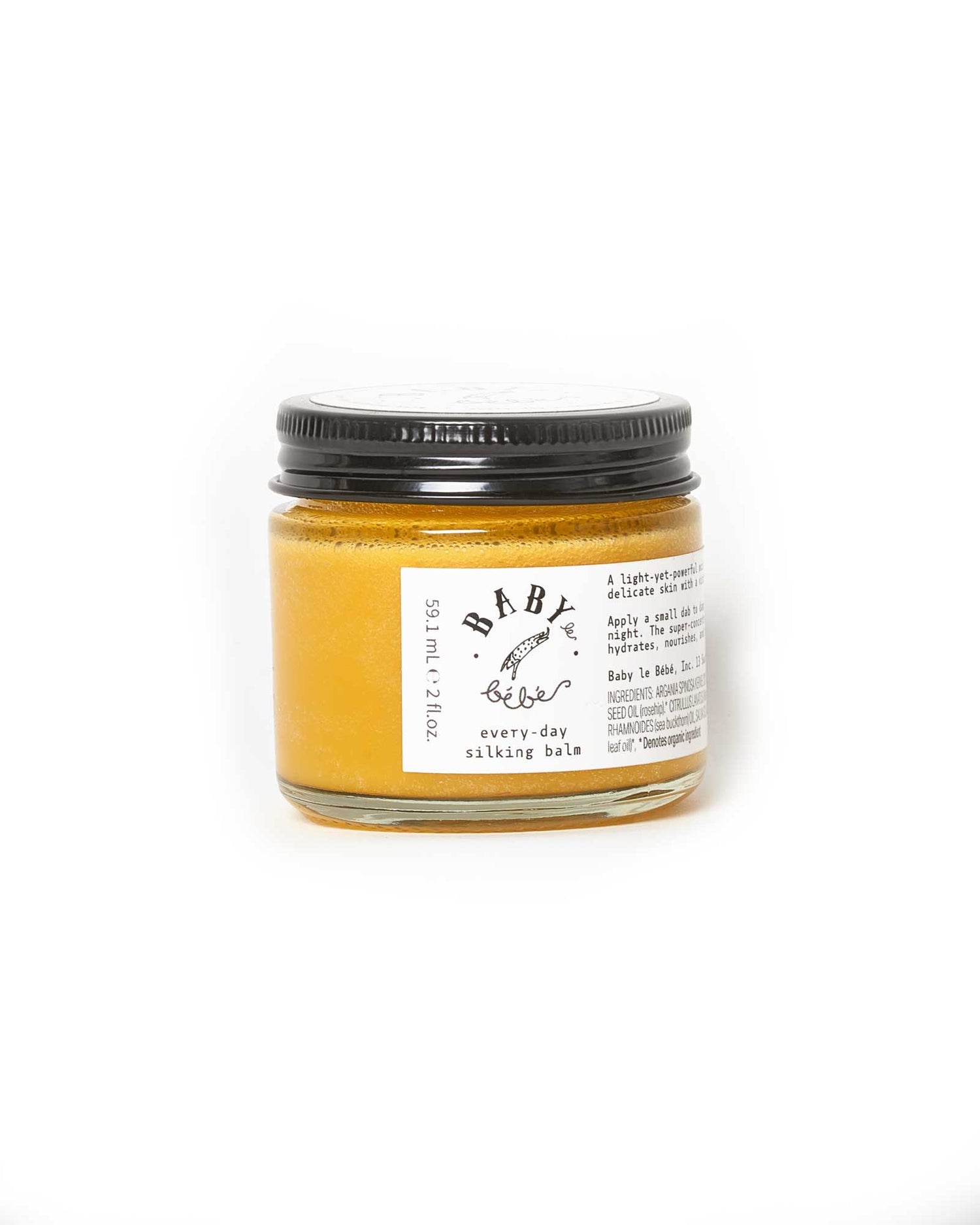


When you hear "natural body oil," what comes to mind? For me, it’s a simple, elegant formula made from pure, cold-pressed plant oils—think jojoba, sweet almond, or sunflower seed—without any of the synthetic fillers or fragrances that do more harm than good. These oils work with your skin's biology, not against it, delivering deep, lasting moisture and a radiant glow that typical lotions just can't match.
Why Natural Body Oils Are Your Skin's Best Friend
If you're tired of lotions that feel great for five minutes but leave your skin parched an hour later, it’s time to rethink your moisturizer. Most traditional lotions are made of up to 65% water, held together with synthetic emulsifiers and preservatives. When you smooth one on, you're mostly just applying water to skin that’s already dry, along with a list of ingredients your body simply doesn't recognize.
A natural body oil is a completely different approach. Instead of sitting on the surface like a temporary fix, pure plant oils are biochemically similar to your skin’s own lipids. This means your skin knows exactly what to do with them—they're absorbed deeply, working to fortify your natural moisture barrier from the inside out.
From Surface-Level Fix to Deep Nourishment
Think of it like choosing between a processed snack and a whole food. A lotion is like that snack—it gives you a quick hit but offers very little lasting value. A natural oil, on the other hand, is the whole food, packed with essential fatty acids, vitamins, and antioxidants that genuinely nourish your skin.
This simple shift delivers tangible, long-term benefits for your skin's health and appearance:
- Lasting Hydration: Oils create a gentle, protective seal that locks in moisture, keeping your skin supple and hydrated all day long.
- Improved Skin Barrier: Those nourishing fatty acids help strengthen your skin's protective layer, making it more resilient against environmental stress.
- A Visible Radiance: By delivering potent nutrients directly where they're needed, oils promote a healthy, natural glow—not an artificial sheen.
The real magic happens when you apply body oil to damp skin right after a shower. You become the emulsifier, trapping that water for maximum hydration and creating velvety-soft skin that actually lasts.
This simple switch can transform a daily chore into a mindful ritual. Natural body oils are more than just skincare; they are an invitation to indulge in a moment of peace, making them some of the best self-care gifts for women. By understanding what makes these oils so effective, you can finally achieve the deeply moisturized, glowing skin you’ve been searching for.
Understanding What Makes a Body Oil Truly Natural
The word "natural" gets thrown around so much in the beauty world that it’s almost lost its meaning. So, to find a body oil that’s genuinely good for your skin, we need to cut through the marketing noise. The easiest way to think about it is with a simple “whole foods” analogy.
A truly natural body oil is like a nutrient-dense meal for your skin. It’s made with oils that come directly from the seeds, nuts, and fruits of plants—things like sweet almond, jojoba, or sunflower. These ingredients are minimally processed to hold onto their vitamins, antioxidants, and fatty acids, giving your skin nourishment it can actually recognize and use.
The Whole Food Versus Processed Food Skincare Analogy
On the flip side are the "processed foods" of skincare. These are the conventional lotions and oils bulked up with synthetic fillers—think mineral oil (a byproduct of petroleum), silicones, and artificial fragrances.
While these ingredients can make your skin feel smooth for a little while, they often just sit on the surface, like plastic wrap. They don’t deliver any real nutritional benefits. Your skin doesn't recognize these synthetic compounds the way it recognizes plant lipids, so you're getting a temporary surface effect instead of deep, lasting hydration.
The core difference is simple: natural oils feed your skin with ingredients it understands, while synthetic oils merely coat it. This is why a high-quality natural body oil can fundamentally improve your skin's health, not just its appearance.
This shift toward authentic, plant-based skincare isn't just a niche trend; it’s a major move in the market. The global body oil market was valued at around USD 8.5 billion and is expected to climb to USD 13.2 billion. This shows a huge consumer demand for products that deliver real results without compromise. The growth is being driven by health-conscious people who are choosing organic and cruelty-free options over synthetics—a philosophy that’s at the heart of any truly natural brand. You can explore more data on the global body oil market on Dataintelo.com.
Why Processing Methods Matter
Even when you’re dealing with natural ingredients, how they are processed makes a world of difference. You’ll often see terms like “cold-pressed” on the best body oils, and there’s a very good reason for that.
Cold-pressing is a way of extracting oil from seeds or nuts without using high heat or harsh chemicals. Imagine making fresh orange juice. You could use a hand press, which keeps all the vitamin C and flavor intact. Or, you could boil the oranges and add chemicals to get the liquid out—what you’re left with is a shadow of the real thing.
It works the same way for body oils. Cold-pressing ensures all the oil’s delicate, beneficial compounds are preserved.
- Vitamins: Key players like Vitamin E, a powerful antioxidant that protects the skin from environmental stressors.
- Fatty Acids: Essentials like omega-6 and omega-9 that strengthen the skin’s moisture barrier and help it stay supple and elastic.
- Antioxidants: Compounds that fight free radicals, helping to keep skin looking healthy and resilient.
When an oil is refined with high heat or chemicals, many of these good things get destroyed. The final oil might still moisturize, but it’s missing the full spectrum of therapeutic benefits your skin is craving. Choosing a product made with cold-pressed oils guarantees you’re getting the most potent, nutrient-rich formula possible, turning a simple moisturizing routine into a truly nourishing ritual.
How to Read an Ingredient Label Like a Skincare Expert
Stepping into the world of natural skincare can feel like learning a new language, especially when you’re staring down a long list of ingredients you can’t pronounce. But you don’t need a chemistry degree to become a confident shopper. It really just comes down to knowing what to look for and, just as importantly, what to walk away from.
Think of an ingredient label—officially known as the INCI (International Nomenclature of Cosmetic Ingredients) list—as the product’s resume. Ingredients are always listed from the highest concentration to the lowest. This means the first few ingredients are doing most of the work. For a truly great natural body oil, you want to see recognizable plant names right at the top of that list.
Green Flags: The Ingredients You Want to See
Here’s a good rule of thumb: look for a short, simple ingredient list. A high-quality formula doesn’t need dozens of fillers to be effective. The most nourishing and powerful body oils are usually built around a few core carrier oils that your skin knows exactly what to do with.
These are your "green flags"—the powerhouse ingredients that signal a genuinely beneficial product:
- Jojoba Oil (Simmondsia Chinensis Seed Oil): This liquid wax is incredibly similar to your skin's own sebum. That means it absorbs beautifully and is fantastic for balancing all skin types.
- Sweet Almond Oil (Prunus Amygdalus Dulcis Oil): Rich in Vitamin E and fatty acids, this oil is a gentle hero for soothing and softening sensitive or dry skin.
- Sunflower Seed Oil (Helianthus Annuus Seed Oil): A light, non-comedogenic oil packed with linoleic acid, which is critical for helping strengthen the skin’s natural moisture barrier.
- Avocado Oil (Persea Gratissima Oil): This is a deeply penetrating and nutrient-rich oil, perfect for nourishing mature or very dry skin and helping improve elasticity.
When these names appear early on, you can trust the product is built on a foundation of real, plant-based nourishment. Digging into a more detailed guide on the best non-toxic body oil can introduce you to even more incredible botanicals to keep an eye out for.
Red Flags: The Ingredients to Avoid
Just as important as spotting the good stuff is learning to identify the red flags. These are the fillers and synthetic compounds that offer little to no real skin benefit and can sometimes even cause irritation. They're often signs of a lower-quality product hiding behind "natural" marketing claims.
Here are the usual suspects to watch out for:
- Mineral Oil & Petrolatum: These are cheap byproducts of petroleum. Instead of nourishing the skin, they just form a heavy barrier on the surface that can clog pores and prevent skin from breathing.
- "Fragrance" or "Parfum": This single word is a legal loophole that can hide hundreds of undisclosed chemicals, including phthalates and synthetic allergens. A truly natural oil will always list its essential oils by name.
- Parabens (e.g., Methylparaben, Propylparaben): These are synthetic preservatives used to give products an unnaturally long shelf life. There are ongoing concerns about their effects, and much cleaner, safer alternatives exist.
- Silicones (e.g., Dimethicone): These ingredients give products that slippery, silky feel, but it’s a purely cosmetic effect. They don’t actually hydrate the skin; they just coat it.
This quick diagram shows the core difference between how natural oils and synthetics work with your skin.
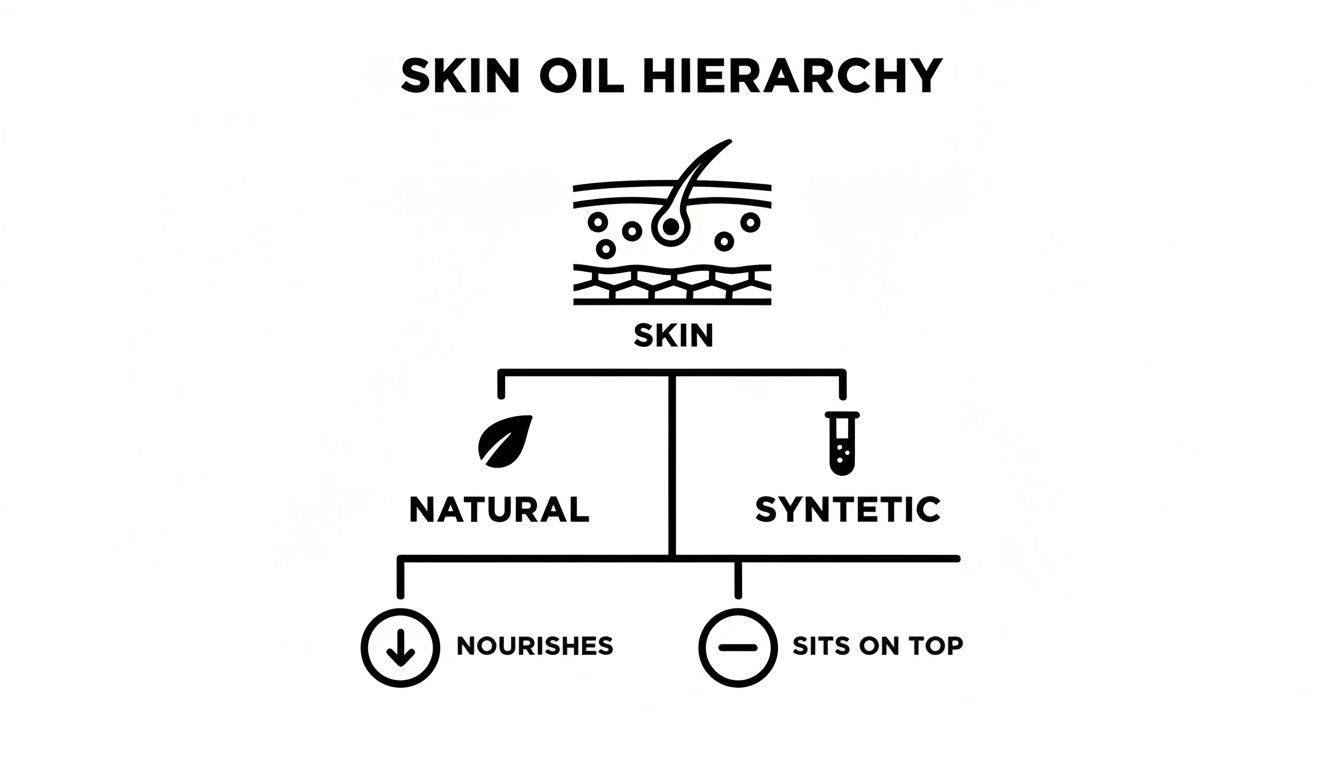
As you can see, natural oils are recognized and absorbed by the skin for deep nourishment. Synthetic oils, on the other hand, often just sit on the surface like a film.
A Quick Comparison Checklist
To make it even easier, here's a quick reference table. Use it to scan any label and instantly tell if you're holding a high-quality product or a cleverly disguised synthetic one.
| Natural Body Oil Ingredient Checklist |
|---|
| Green Flags (Look For These) |
| Recognizable Plant Oils (Jojoba, Almond, Sunflower) at the top. |
| Cold-Pressed or Unrefined oils that retain maximum nutrients. |
| Vitamin E (Tocopherol) as a natural antioxidant and preservative. |
| Named Essential Oils (e.g., Lavandula Angustifolia Oil). |
Once you have this knowledge, you can see right past the marketing claims and choose a body oil based on what’s actually inside the bottle. You’re no longer just a consumer; you’re an informed advocate for your own skin's health.
Matching the Right Natural Oil to Your Skin Type
Finding the "best" body oil isn’t about chasing a single buzzy product. The real secret is personalization. The oil that will make your skin feel its absolute best is the one that works in harmony with its unique biology.
Think of it like this: a garden in a dry, sunny climate needs different care than one in a cool, damp region. Your skin has its own "climate"—be it dry, oily, or sensitive. Choosing the right oil is like picking the perfect fertilizer to help it thrive. This is where you graduate from generic moisturizing to a truly intentional skincare practice.
When you understand your skin type, you can pick oils with the right fatty acid profiles to bring it into beautiful balance.
For Dry or Mature Skin
If your skin often feels tight, flaky, or just looks less plump than it used to, you're likely dealing with dryness or the natural changes that come with mature skin. Both types are thirsty for deep, lasting hydration and oils rich in nutrients that support elasticity. The goal here is to replenish lost lipids and fortify the skin’s protective barrier.
The oils you're looking for are typically richer in oleic acid, an omega-9 fatty acid known for its deeply moisturizing and softening properties.
Here are the top contenders for parched skin:
- Avocado Oil (Persea Gratissima Oil): This is a true superfood for the skin. It’s thick, incredibly nourishing, and packed with vitamins A, D, and E. It penetrates deeply, making it exceptional for restoring suppleness.
- Rosehip Seed Oil (Rosa Canina Fruit Oil): Celebrated for its regenerative powers, rosehip oil is rich in vitamins A and C. These antioxidants help encourage cell turnover and improve texture, making it a fantastic choice for supporting skin elasticity.
- Sweet Almond Oil (Prunus Amygdalus Dulcis Oil): A gentle yet powerful moisturizer, this oil is loaded with Vitamin E. It’s incredibly effective at soothing irritation caused by dryness and locking in moisture for a soft, smooth feel.
These oils act like a cozy, protective blanket, sealing in moisture and delivering the essential nutrients your skin needs to feel comfortable and radiant again.
For Oily or Acne-Prone Skin
Putting oil on oily skin sounds wrong, I know. But it’s one of the most effective ways to find balance. Often, oily skin is overproducing sebum because its moisture barrier is compromised, which sends it into a panic to produce even more oil. The right body oil can break this cycle.
You'll want to look for oils high in linoleic acid, an omega-6 fatty acid. Sebum from acne-prone skin is often deficient in linoleic acid, which makes it thick, sticky, and pore-clogging. Replenishing it helps normalize oil production and keep pores clear.
Choosing a lightweight, non-comedogenic oil is crucial. This term simply means the oil has been shown to not clog pores, making it a safe bet for balancing breakout-prone skin.
The best oils for this skin type feel light and sink in fast:
- Jojoba Oil (Simmondsia Chinensis Seed Oil): This is the undisputed champion for oily skin. Jojoba is technically a liquid wax ester, and its molecular structure is remarkably similar to your skin’s own sebum. This unique trait helps trick your skin into thinking it has produced enough oil, which helps balance everything out.
- Grapeseed Oil (Vitis Vinifera Seed Oil): Extremely lightweight and fast-absorbing, grapeseed oil is rich in linoleic acid and antioxidants. It moisturizes without leaving a greasy film, so it's perfect if you hate that heavy feeling.
- Hemp Seed Oil (Cannabis Sativa Seed Oil): Another linoleic acid powerhouse, hemp seed oil can help reduce inflammation associated with breakouts while hydrating without clogging pores.
Using these oils consistently can help retrain your skin, leading to a more balanced, clear complexion over time.
For Sensitive or Reactive Skin
If your skin is easily irritated, gets red easily, or throws a fit when you try new products, you've got sensitive skin. Your number one goal is to soothe, calm, and strengthen your skin's barrier without causing more drama. That means choosing the gentlest, purest oils you can find.
For sensitive skin, simplicity is everything. Look for oils with minimal ingredients and proven anti-inflammatory properties.
Here are some of the most gentle and effective options:
- Calendula-Infused Oil: This isn't a standalone oil but a carrier oil (like sunflower or olive) that's been infused with calendula flowers. Calendula is renowned for its incredible calming abilities, making it a go-to for reducing redness and comforting reactive skin.
- Sunflower Seed Oil (Helianthus Annuus Seed Oil): High in linoleic acid and Vitamin E, sunflower oil is fantastic for supporting the skin's barrier function. A strong barrier is less susceptible to outside irritants, making this a gentle and protective choice.
- Jojoba Oil (Simmondsia Chinensis Seed Oil): Because it’s so similar to our own sebum, it’s exceptionally well-tolerated by almost everyone, including the most sensitive. It offers gentle hydration without the risk of irritation.
By choosing one of these calming oils, you can give your skin the gentle care it needs to feel comfortable and become more resilient. Building a routine around these targeted oils empowers you to become your own skincare expert, creating a customized ritual that delivers real, lasting results.
Mastering the Art of Body Oil Application
Choosing a beautiful, high-quality body oil is the first step. But how you apply it makes all the difference between a nice moisturizer and truly luminous, velvety-soft skin. The secret isn't complicated, but it is a game-changer.
The single most important rule? Apply your oil to damp skin.
Think of your skin like a sponge. A dry, crusty sponge will barely absorb a single drop of water, but a damp one soaks it right up. Your skin works the same way. When it’s still dewy from a shower or bath, it’s far more receptive to the nourishing lipids in the oil.
This simple technique allows the oil to spread effortlessly and, more importantly, trap that precious water on your skin's surface. You’re essentially creating a fresh, on-the-spot emulsion that locks in hydration for hours, leaving you with that healthy glow—never a heavy, greasy feeling.
The Golden Rule: Damp Skin Application
Mastering this is easy, and it transforms your daily routine into a small, luxurious ritual. For an even deeper dive, you can explore our guide on how to use body oil after a shower.
Here’s how to do it perfectly:
- Pat, Don’t Rub: After your shower, gently pat your skin with a towel. The goal is to leave it slightly damp and dewy, not to rub it completely dry.
- Warm the Oil: Dispense a small amount of oil into your palms and rub them together. Warming the oil makes it even more pleasant to apply and helps it sink in beautifully.
- Massage It In: Using long, circular strokes, massage the oil into your skin. Start from your feet and work your way up toward your heart—a gentle massage technique that helps encourage circulation.
- Give It a Moment: Allow the oil a minute or two to fully absorb before getting dressed. This ensures it’s nourishing your skin, not your clothes.
Layering Like a Pro
If you use other body care products like serums or lotions, the order matters. In skincare, the general rule is to apply products from the thinnest consistency to the thickest. But oil is the one exception to this rule.
Because oils are occlusive—meaning they form a protective barrier—they should always be the final step in your body care routine. Applying an oil seals in all the hydrating products you applied beforehand, making everything you use work that much harder.
More Than Just a Moisturizer
One of the best things about a well-formulated natural body oil is its versatility. That one bottle is a multi-purpose tool that can simplify your routine and provide nourishment from head to toe.
Here are a few other ways we love to use it:
- A Luxurious Bath Soak: Add a few drops to a warm bath to infuse the water with moisturizing properties. You’ll step out with skin that’s already silky and soft.
- Cuticle and Hand Treatment: Massage a tiny amount into your cuticles and hands to combat dryness and keep your nails looking healthy and strong.
- Tame Dry Hair Ends: Rub a single drop between your palms and lightly smooth it over the ends of your hair. It’s perfect for fighting frizz and adding a subtle, healthy shine.
- Enhance Your Body Cream: For an extra boost of rich hydration, especially during dry winter months, mix a few pumps of oil directly into your favorite body lotion or butter.
Anatomy of a High-Quality Natural Body Oil
So, let’s put all these ideas together. What does an incredible natural body oil actually look like on the shelf? When you learn to look past the pretty packaging and marketing buzzwords, the best products have a few things in common: a serious commitment to purity, real-world effectiveness, and ethical sourcing. They’re designed not just to sit on top of your skin, but to truly feed it.
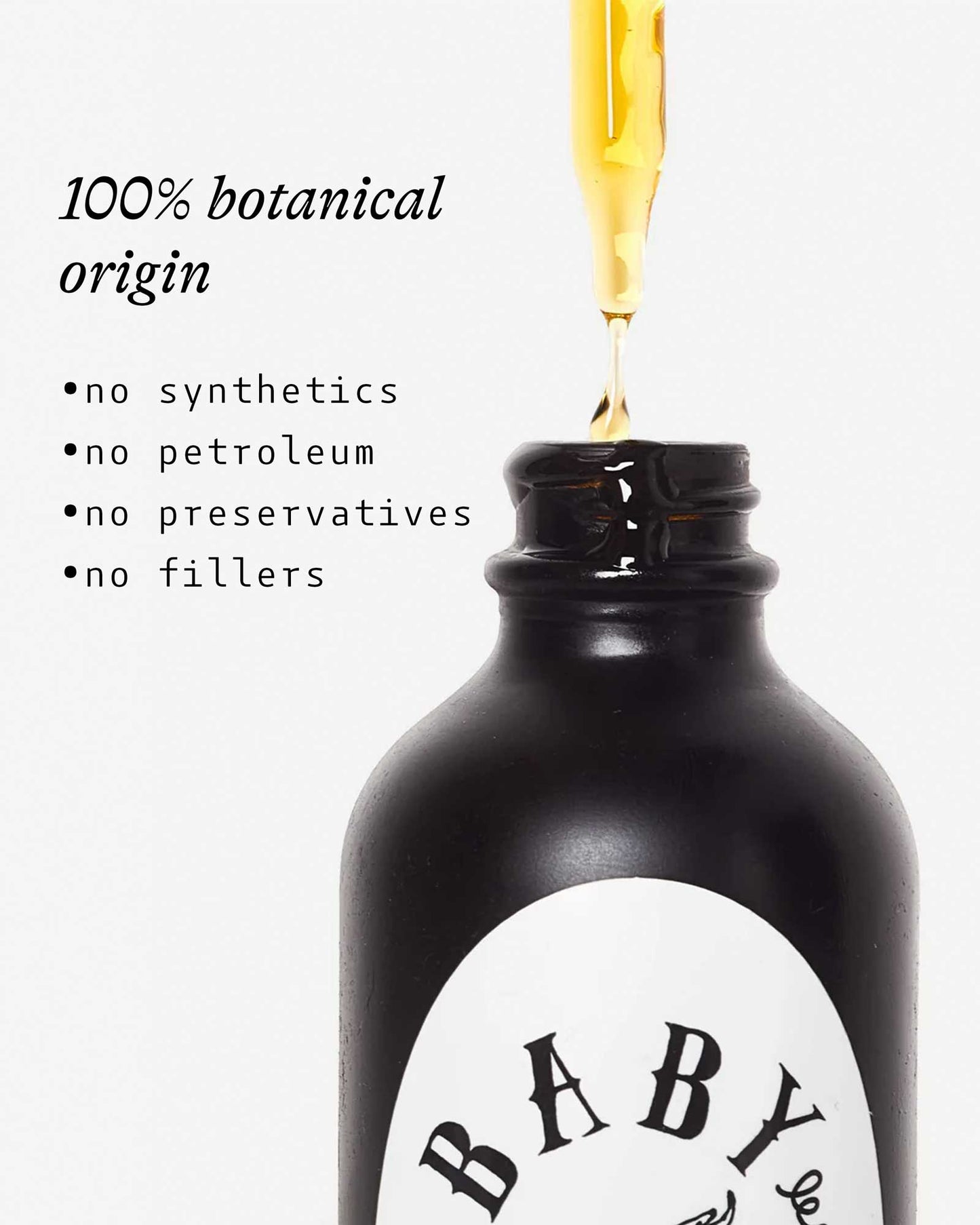
It all starts with the foundation: 100% natural, mostly organic ingredients. A top-tier formula will have a short, easy-to-read ingredient list where cold-pressed carrier oils—like Jojoba, Sunflower, and Sweet Almond—are the main event. You won’t see any synthetic preservatives, fillers, petroleum byproducts, or the mysterious catch-all, "fragrance." Just pure, potent botanicals.
The Pillars of a Superior Formula
An exceptional product is built on a few non-negotiable principles. It has to be gentle enough for the most sensitive skin, which means it’s totally free from common irritants and allergens. This dedication to clean, simple formulas is exactly what people are asking for right now.
And it’s not just a niche trend—the market data proves it. Natural oils now make up a massive 68.9% share of the entire global body oil market. That’s a huge shift, showing a real move away from synthetic chemicals and toward a deeper understanding of skin health. North America is leading the charge, holding 41.8% of the global market share as wellness and conscious consumerism become the new standard. (You can dig into the numbers in the global body oil market report from Market.us).
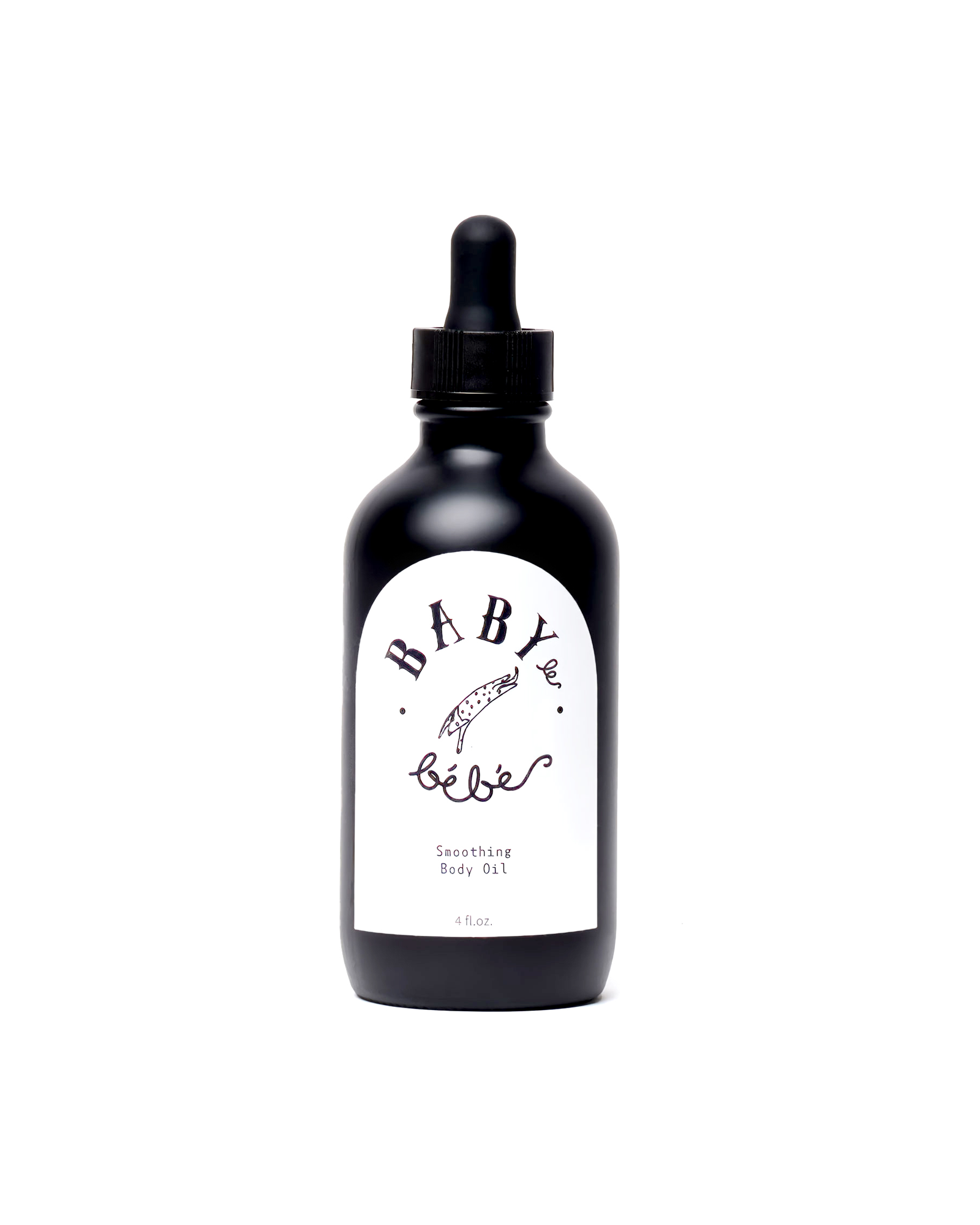
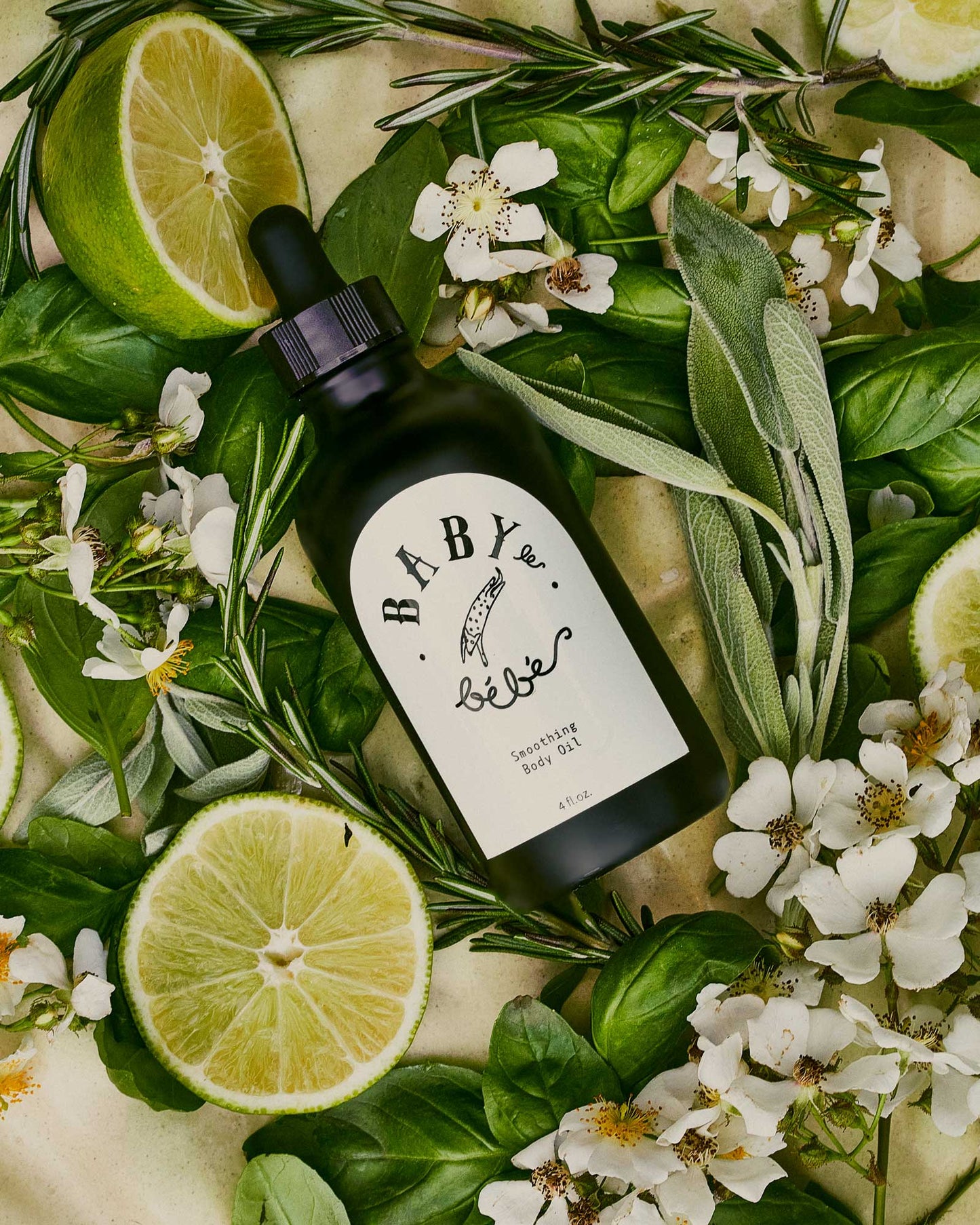
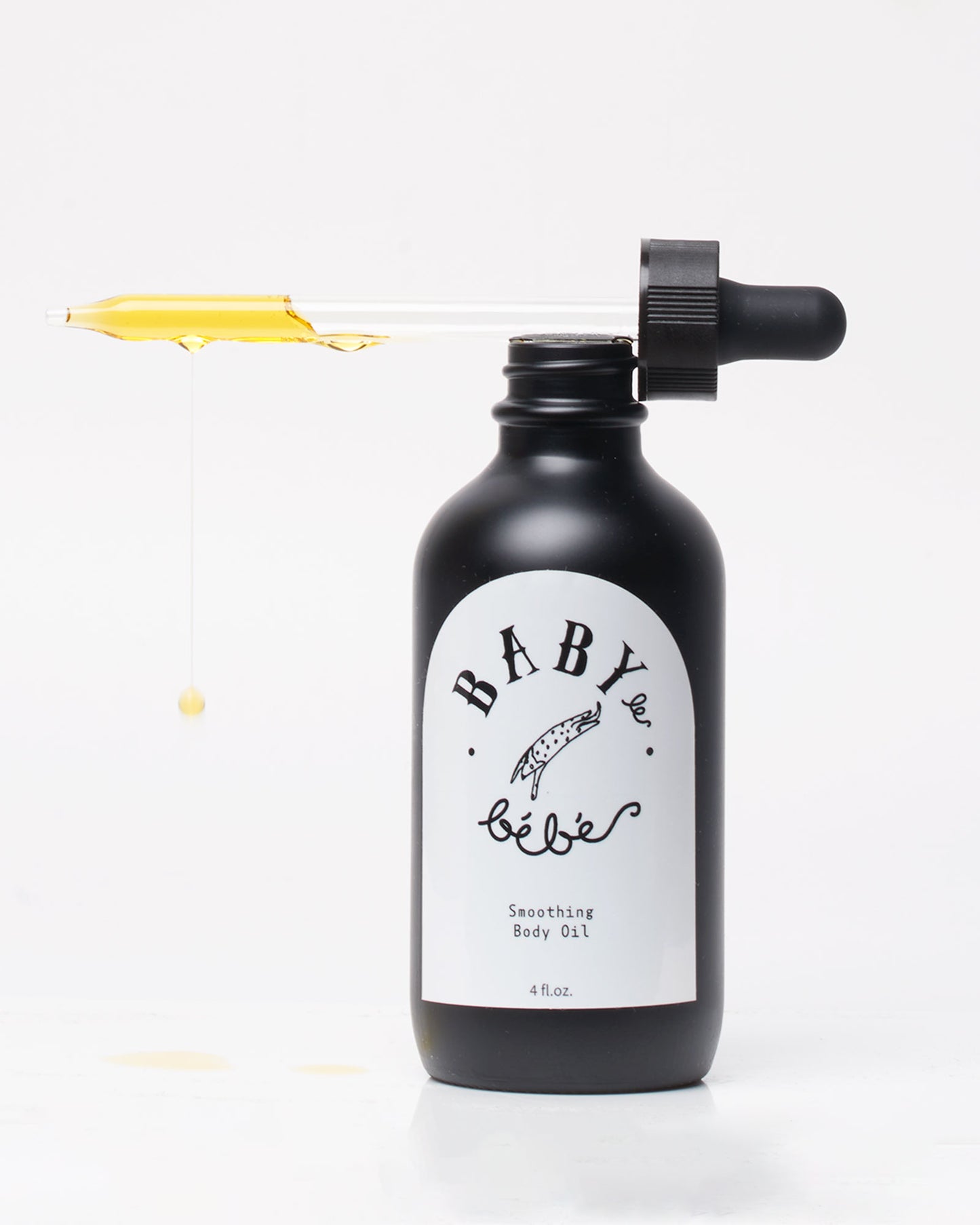
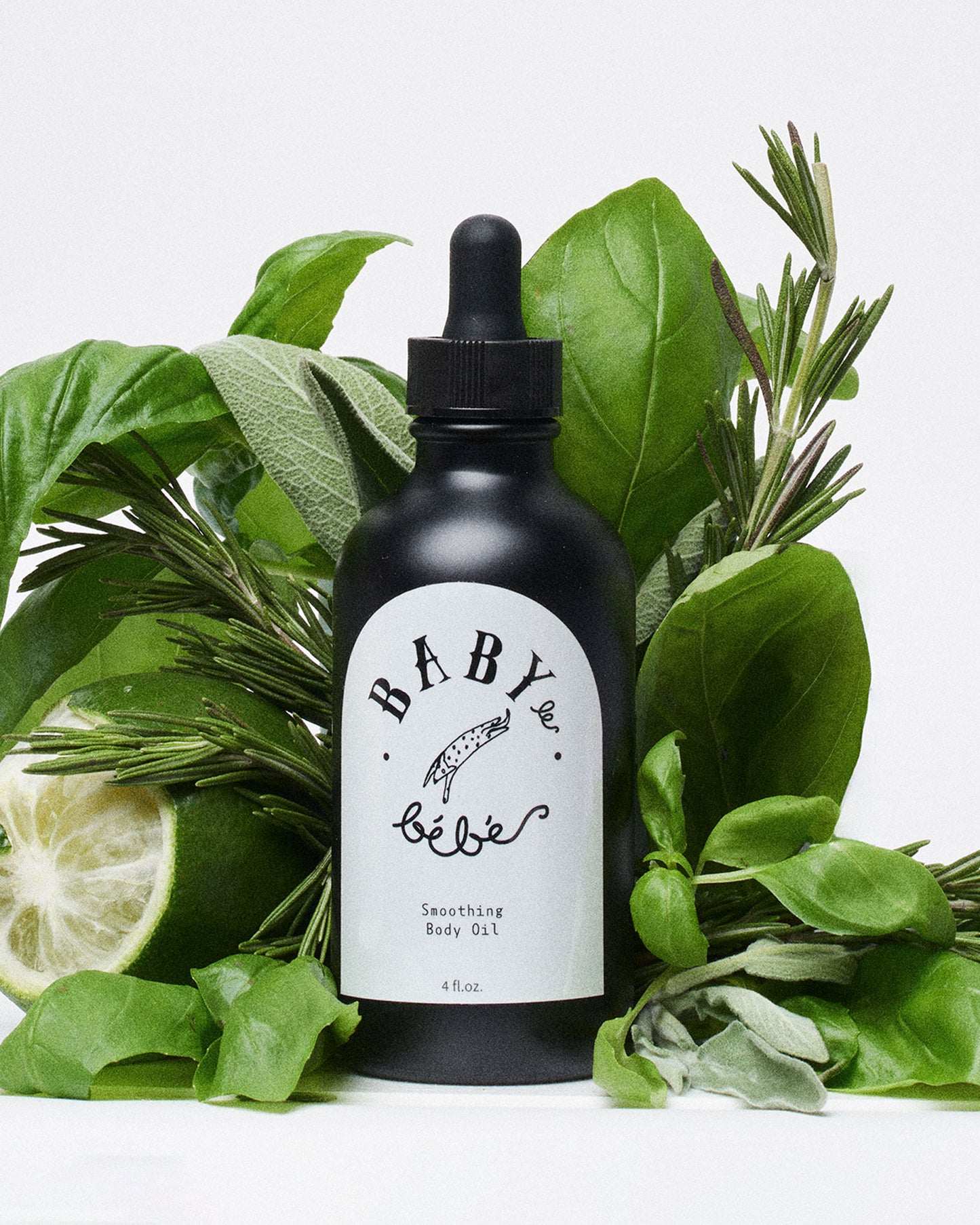
Brands that get it right, like Baby le Bébé, show how to meet this demand beautifully. By keeping the focus on minimal, high-quality ingredients, they create oils that are both incredibly safe and wonderfully effective, which is exactly what modern, informed customers want.
Deconstructing the Ingredient List
Let's get a little closer and see what's inside a formula like this. A great body oil is a thoughtful balance of fatty acids, vitamins, and antioxidants.
- Carrier Oils: A smart blend of oils rich in both oleic and linoleic acids gives your skin comprehensive nourishment. If you want to dive deeper, you can learn more about how fatty acids work in skincare in our detailed guide.
- Antioxidants: The inclusion of Vitamin E (often listed as Tocopherol) acts as a natural preservative. It keeps those delicate oils fresh while also protecting your skin from daily environmental stressors.
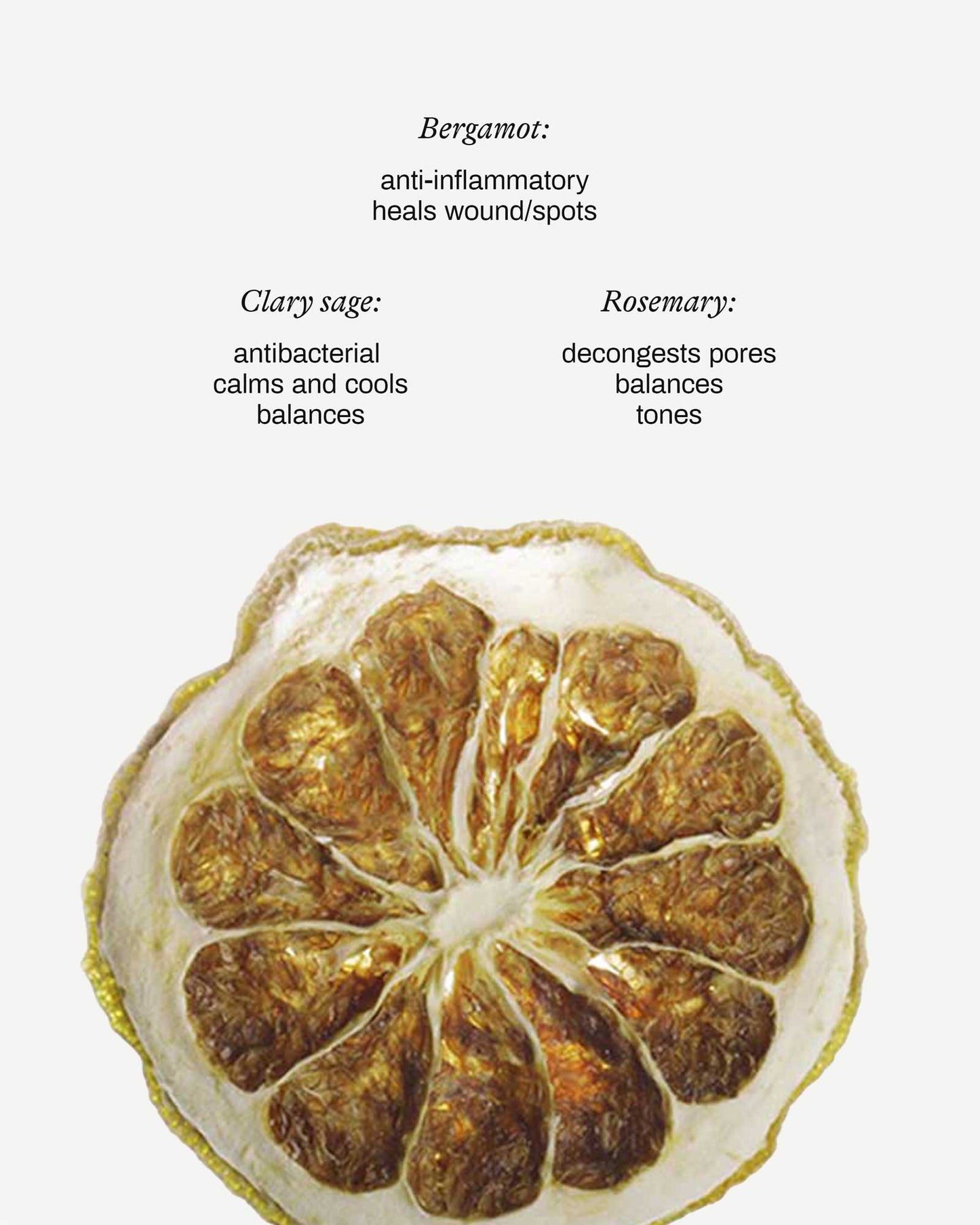
- Aromatic Botanicals: Any scent should come from pure, named essential oils. These do more than just smell good; they offer their own therapeutic benefits for a subtle, grounded aroma.
The anatomy of the best natural body oil is one of simplicity and intention. Every single ingredient serves a purpose to support skin health, with nothing added for filler or artificial effect.
If you’re curious about how different botanicals work together, exploring DIY essential oil blends can be a great way to understand their unique properties. A little bit of knowledge here goes a long way, empowering you to spot a truly superior formula when you see one.
A Few Common Body Oil Questions, Answered
Even after learning all the benefits, a few practical questions might still be lingering. Let's clear up some of the most common concerns so you feel completely confident adding a beautiful, natural body oil to your daily ritual.
Will a Body Oil Make My Skin Feel Greasy?
This is the number one fear, and it’s entirely avoidable. That greasy feeling is almost always caused by one of three things: using way too much product, applying it to bone-dry skin, or using a formula with cheap fillers like mineral oil that just sit on the surface like a film.
A high-quality, plant-based body oil is a different story. Oils like jojoba and grapeseed are biochemically similar to your skin’s own sebum, which means they sink in beautifully. The trick is to apply just a small amount—a few drops per limb is plenty—to damp skin right after a shower. This helps the oil spread easily and lock in that precious hydration without any heavy or sticky residue.
Can I Use My Natural Body Oil on My Face?
It’s tempting, but it’s generally best to stick with a dedicated face oil. While the ingredients in your body oil are fantastic, the skin on your face is much more delicate and has a whole different set of needs.
Body oil formulas are often a bit richer and might contain essential oil concentrations that are perfectly safe for your body but could be too potent for your face. A product designed specifically for the face will use a carefully chosen blend of non-comedogenic oils to nourish that sensitive area without clogging pores.
How Should I Store My Body Oil to Keep It Fresh?
Proper storage is key for preserving the potency of a truly natural oil. Since these formulas don’t rely on synthetic preservatives, you need to protect them from their two biggest enemies: light and heat.
Think of your natural oil like a fine cooking oil—you wouldn't leave it sitting on a sunny windowsill. Store your body oil in a cool, dark place like a medicine cabinet or a drawer. This prevents the delicate plant compounds from oxidizing, which can make them lose their effectiveness. High-quality oils often come in dark glass bottles for this very reason; the packaging itself is designed to shield them from degradation.
Ready to feel the difference a truly exceptional formula can make? Explore the thoughtfully crafted, 100% natural body oils from Baby le Bébé and discover your new favorite ritual for calm, resilient skin. Shop the collection.