

You’re probably here because face oils feel both promising and confusing.
One bottle says “organic.” Another says “natural.” A third promises glow, balance, barrier support, and somehow fewer breakouts, all at once. If your skin is sensitive or reactive, that confusion gets heavier. You’re not just choosing a nice extra. You’re trying to avoid redness, clogged pores, or that stinging feeling that makes you regret trying something new.
The good news is that face oils don’t have to be mysterious. When you understand what’s inside the bottle, how to match an oil to your skin, and how to apply it gently, oils can become one of the simplest parts of your routine.
Why Organic Face Oils Are Your Skin's Best Ally
Organic face oils appeal to a lot of people for a simple reason. They feel closer to the plant itself.
For many shoppers, that matters more than marketing language. According to Mahaan SS on organic oils for skincare, the global organic skincare market is projected to grow by $20.37 billion by 2029, and approximately 68% of shoppers favor organic products over conventional alternatives because of concerns about synthetic chemicals, pesticides, and GMOs.
That shift says something important. People aren’t only chasing a glow. They’re paying attention to what they put on their skin and where those ingredients come from.
Oils work like a topcoat for the skin
Think of your skin barrier like a brick wall. Skin cells are the bricks. Lipids are the mortar that helps hold everything together. A good face oil can help support that outer layer, soften roughness, and reduce the tight feeling that often comes after cleansing or weather changes.
That’s why the best organic face oils often feel especially comforting for skin that gets dry, reactive, or stressed. They don’t need to be flashy to be useful. A well-chosen oil can help your routine feel calmer.
Organic matters for many sensitive skin users
If your skin reacts easily, fewer unnecessary extras can feel like a relief. Many people looking for organic oils are also looking for formulas with a shorter, easier-to-read ingredient list.
A gentle rule: the more reactive your skin is, the more helpful it is to choose products that are easy to understand at a glance.
That doesn’t mean every organic oil will suit every face. Some oils are lightweight. Some are richer. Some blends include essential oils that sensitive skin may not love. The goal isn’t to assume all botanical products are automatically gentle. The goal is to choose wisely.
A face oil should support, not overwhelm
The best organic face oils don’t need to do everything. They need to do the right thing for your skin.
For one person, that might mean a light oil that sits comfortably under sunscreen. For another, it might mean a richer evening oil that seals in moisture after a bath. The most useful way to think about face oil is not as a miracle product, but as a tool. Once you know how to read labels and match oils to your needs, the category gets much easier to trust.
Decoding the Labels on Your Skincare Bottles
A skincare label can feel like a foreign language. Once you know a few core terms, it becomes much easier to spot what’s meaningful and what’s mostly decoration.

Certified organic
Certified organic is the closest thing to a formal stamp of approval.
Consider it a market tag that says someone checked how the ingredient was grown and handled. It signals that the oil met a set of standards, rather than borrowing the word “organic” because it sounds appealing.
If you want a wider grounding in ingredient language, Baby le Bébé’s guide to demystifying natural ingredients safety and efficacy in skincare is a useful companion read.
Natural
Natural sounds reassuring, but it’s broader and less precise.
An ingredient can come from nature and still be heavily processed. A product can also contain some natural ingredients without being mostly plant-based. That doesn’t automatically make it bad. It just means the word itself doesn’t tell you enough.
When you see “natural,” pause and look at the full ingredient list. Ask yourself:
- What are the first ingredients? The top of the list usually tells you the formula’s backbone.
- Is fragrance vague or specific? If your skin is sensitive, unclear fragrance language deserves caution.
- Does the label explain the plant source? Specificity usually signals more care than generic plant talk.
Cold-pressed
Cold-pressed refers to how the oil was extracted.
A simple analogy helps. If you cook spinach for a long time, its texture and character change. Plant oils can also change when exposed to heat during extraction. Cold-pressing avoids that heat-heavy process, which many shoppers prefer when they want a more minimally altered oil.
For face oils, cold-pressed often suggests a product chosen for its original plant profile rather than one heavily refined for uniformity.
Unrefined and wildcrafted
Unrefined means the oil has gone through less processing. It often keeps more of its original color, scent, and plant character. That can be a plus if you want the oil in a more whole form, though it may also mean a stronger natural aroma.
Wildcrafted usually means the plant was gathered from its natural environment rather than farmed in the usual way. It can sound romantic, but it isn’t the same as organic certification. Treat it as a sourcing detail, not proof of purity on its own.
Labels tell a story, but the ingredient list tells the truth.
A quick label-reading checklist
Use this when comparing the best organic face oils side by side:
- Start with the front label. Note whether it says certified organic, natural, cold-pressed, or unrefined.
- Turn to the ingredient list. Look for recognizable plant oils near the top.
- Scan for added fragrance or essential oils. This matters most for reactive skin.
- Check the packaging. Dark glass often suggests the brand is thinking about ingredient stability.
- Notice the overall simplicity. A shorter formula is often easier to patch test and evaluate.
A good bottle shouldn’t ask you to guess what it is.
A Directory of Nature's Most Powerful Botanical Oils
Every face oil has its own personality. Some are featherlight. Some feel cocooning. Some are better as solo oils, while others work best as part of a blend.
One of the easiest ways to compare them is by texture, skin feel, and clogging potential. A comedogenic rating is a rough guide to how likely an oil is to clog pores. It’s not destiny, but it’s a practical starting point.
Quick Guide to Top Organic Face Oils
| Oil | Comedogenic Rating (0-5) | Best For | Key Benefit |
|---|---|---|---|
| Jojoba | 0-2 | Oily, combination, sensitive skin | Balancing and barrier support |
| Rosehip | Low | Dull, dry, mature-looking skin | Nourishing and softening |
| Argan | Low | Normal, dry, combination skin | Conditioning and smoothing |
| Squalane | Low | Most skin types | Lightweight moisture sealing |
| Tamanu | Moderate | Blemish-prone or stressed skin | Rich, comforting support |
Jojoba feels familiar to the skin
Jojoba is one of the most useful oils to understand because it behaves a little differently from the rest. According to Organically Becca on organic facial oil benefits, jojoba oil is technically a liquid wax ester, not a true oil. Its fatty acid profile mirrors human sebum, and its comedogenic index of 0-2 allows it to integrate well into the skin, helping regulate sebum production and reduce transepidermal water loss by 20-30% within 28 days.
That’s why jojoba often works for people who say, “My skin is oily, but also somehow tight.” It doesn’t usually feel greasy in the heavy sense. It feels more like your skin has settled down.
Rosehip and argan bring different strengths
Rosehip is often chosen when skin looks tired, uneven, or just a bit flat. It has a drier finish than many people expect, so it can work well if you want nourishment without a thick coating.
Argan tends to feel silkier and a bit more cushiony. It’s often a nice middle ground for people who want comfort but don’t enjoy very rich oils.
These two get grouped together a lot, but they don’t feel the same on the skin. If rosehip is more like a lightweight knit layer, argan is closer to a soft wrap.
Squalane and tamanu serve different moments
Squalane is often the “I don’t usually like oils, but I can use this” option. It’s light, smooth, and easy to layer.
Tamanu is richer and more characterful. Some people love it for evening use or for areas that need extra comfort. Others find it too assertive as a full-face daily oil. That doesn’t make it wrong. It just means placement matters.
If you enjoy making your own blends, it’s smart to learn the difference between a nourishing base oil and a more aromatic add-on. For people experimenting carefully, these DIY essential oil blends are helpful inspiration, but sensitive skin users should still keep blends simple and patch test first.
Don’t confuse plant oils with essential oils
Many readers get tripped up by this distinction.
A carrier oil like jojoba, argan, or rosehip can usually be applied more generously. An essential oil is far more concentrated and often needs dilution. That distinction matters a lot if your skin reacts easily.
Calendula is a good example of a botanical ingredient people often seek out for calm, comfort-focused routines. Baby le Bébé’s article on calendula essential oil helps clarify how a single plant ingredient can show up in different forms and why that matters in formulation.
Some of the best organic face oils are simple because simple formulas make it easier to know what your skin is responding to.
The strongest routine isn’t always the most elaborate one. Often, it’s the one that makes your skin less busy.
How to Choose the Right Oil for Your Unique Skin
Matching an oil to your skin is less like picking a trendy product and more like choosing the right fabric for the weather. The same sweater won’t suit every season, and the same face oil won’t suit every skin condition.
Dry or dehydrated skin
Dry skin usually needs comfort, softness, and help holding onto moisture. Dehydrated skin can feel similar, but it often lacks water rather than oil alone.
For both, richer oils or cushiony blends often feel better than very dry-finish options.
- Argan oil can be a good fit if your skin feels tight after washing.
- Rosehip oil suits people who want nourishment without a thick afterfeel.
- Squalane layered over moisturizer works well if you want a lighter seal.
If your face still feels tight after applying oil, the issue may be timing. Oil seals. It doesn’t replace water-based hydration on its own.
Oily or acne-prone skin
Many people with oily skin avoid face oils because they assume oil equals congestion. In practice, the texture and type of oil matter more than the category name.
Jojoba often makes sense here because it feels light and sits comfortably on the skin. A simple, lightweight oil can feel more balanced than a heavy cream that traps heat and leaves the skin shiny.
Look for oils that feel breathable rather than syrupy. Use less than you think you need. Often a small amount is enough.
Sensitive or reactive skin
This group needs the most care, and it’s often the least well served by “best of” lists.
If your skin stings easily, turns red quickly, or reacts to fragrance, choose oils with very short ingredient lists first. A single-ingredient oil can teach you more than a busy blend because it removes the guessing.
Good starting points often include:
- Jojoba for a balanced, low-fuss option
- Squalane if you want a very lightweight feel
- Plain argan if your skin prefers a little more softness
Be more cautious with essential oil-heavy blends, especially if the label leans hard on “soothing” scent. Calming for the mind doesn’t always mean calming for the skin.
If your skin is reactive, boring is often beautiful.
Combination skin
Combination skin usually wants flexibility. The cheeks may ask for comfort while the T-zone wants a lighter touch.
You don’t have to apply one oil in exactly the same way to the whole face. That’s one of the easiest upgrades people miss. You can use a lighter layer through the center of the face and a slightly richer pass on the drier outer areas.
A practical pairing is:
- Jojoba through the T-zone
- Rosehip or argan on the cheeks
That approach often feels more natural than forcing one texture everywhere.
Mature-looking skin
Skin that’s starting to feel thinner, drier, or less springy usually benefits from consistency more than intensity.
Look for oils that help the surface feel supple and less papery. Richer evening use can be especially comforting here, while daytime may call for something smoother and lighter under sunscreen and makeup.
This is also where routine matters. A well-chosen oil used regularly often does more than a crowded shelf of products used off and on.
When one oil isn’t enough
Some people do best with one straightforward oil. Others prefer a blend because it gives a more rounded feel. The key is knowing why you’re blending.
A blend makes sense when you want:
- Slip plus cushion
- Light daytime wear and richer evening support
- A base oil with a small amount of aromatic botanical accent
A simple visual can help if you’re still sorting out where oils fit in your routine.
One useful way to decide
At day's end, ask your skin these questions:
- Does it feel tight? You may need more sealing and support.
- Does it feel greasy but not comfortable? You may need a lighter oil or less product.
- Does it sting easily? Strip the routine back and test simpler formulas.
- Does makeup sit badly over oil? Your oil may be too rich for morning use.
The best organic face oils are the ones your skin will let you use consistently. Comfort is a form of compatibility.
Mastering Application for Maximum Radiance
A good oil can disappoint if the application is off. Most problems people blame on the oil are really about amount, order, or technique.
Use less than your instincts suggest
The most common mistake is overapplying.
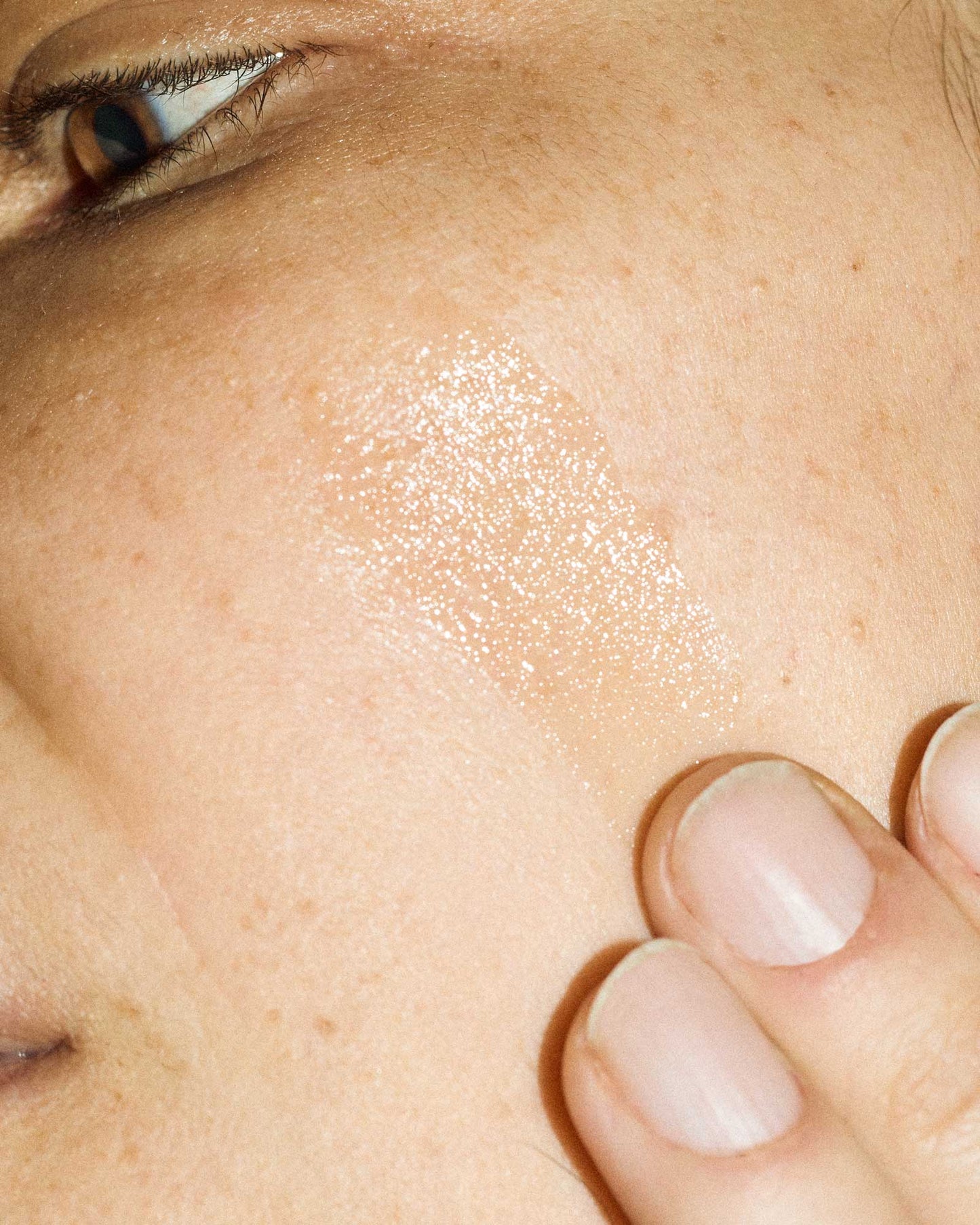
Face oil should usually feel like a veil, not a coating. If your face stays slick for a long time, pills under sunscreen, or leaves fingerprints on your phone, that’s often a sign you used too much.
Apply with moisture underneath
Oil is best at helping hold in what’s already there. That means it tends to perform better when applied after a hydrating step, not onto a completely parched face.
Try this order:
- Cleanse gently
- Apply a mist, hydrating serum, or moisturizer
- Press in your oil
- Finish with sunscreen in the morning
If you want a deeper walkthrough, Baby le Bébé’s guide on how to use face oils explains common layering questions in a practical way.
Press and pat, don’t rub hard
Rubbing can create unnecessary friction, especially if your skin is reactive.
Warm the oil between your palms, then press it onto the cheeks, forehead, and chin. Pat lightly. Let the product spread with the heat of your hands rather than dragging it across the skin.
Application cue: if your skin looks glossy but feels calm, you’re probably in the right range. If it feels slippery or overloaded, scale back.
Before or after moisturizer
This confuses almost everyone because both can work.
Use oil after moisturizer when your main goal is sealing in comfort and reducing moisture loss.
Use oil before moisturizer if the formula is very light and you want your cream on top. Some people prefer this because it reduces surface shine.
There isn’t one universal answer. There is the answer your skin tolerates best.
Morning and evening don’t need to match
A lot of people do better with two different styles of use:
- Morning calls for a lighter hand so makeup and sunscreen sit well.
- Evening is a better time for a richer layer or a slower facial massage.
That shift alone can make face oils feel much easier to live with. You don’t have to force the same ritual into every part of the day.
Safety Storage and Preserving Your Oil's Potency
Natural oils need gentler handling than people expect. If you use them casually, store them badly, or skip patch testing, even a beautiful formula can become frustrating.
This is especially important for sensitive skin. According to Organics on best organic face oils, searches for “preservative-free face oils for reactive skin” rose by 35%, yet many articles still skip patch testing guidance. The same source notes that essential oil-heavy blends can trigger reactions in 10-20% of sensitive users.
Patch testing is not optional for reactive skin
People often patch test only when they already expect trouble. It’s better to treat it as standard practice.
A simple patch test looks like this:
- Choose a small area such as the side of the jaw or behind the ear.
- Apply a small amount of the oil or blend.
- Leave the rest of your routine simple so you can tell what caused any reaction.
- Watch for signs of irritation such as redness, itching, warmth, or persistent stinging.
- Only move to full-face use if the test area stays comfortable.
If a product contains multiple essential oils, be even more cautious. Fragrant doesn’t always mean gentle.
Preservative-free doesn’t mean carefree
Many face oils don’t contain water, which changes how they’re preserved and handled. People often hear “preservative-free” and assume the product takes care of itself. It doesn’t.
What matters most is keeping the oil protected from light, heat, and contamination. Every time you touch the dropper to your skin or leave the bottle open in a warm room, you make the formula work harder.
Storage affects performance
Treat your face oil the way you’d treat a good pantry ingredient. You want it protected from the things that make it break down faster.
Here’s the simplest storage routine:
- Choose dark glass bottles. They help shield the contents from light.
- Keep oils away from sunny windows. Light and warmth can stress delicate plant oils.
- Avoid a hot, steamy bathroom shelf. Heat swings aren’t ideal.
- Close the bottle promptly. Less air exposure is better.
- Use clean hands. Don’t invite extra contamination into the bottle.
Store your face oil somewhere cool, dry, and shaded, not where it looks prettiest.
How to tell when an oil is past its prime
Your nose is often your first clue.
If an oil smells sharply stale, sour, or oddly crayon-like, it may have oxidized. Texture and color changes can also signal that the formula isn’t at its best anymore. When in doubt, stop using it on the face.
Degraded oil won’t give you the same elegant skin feel. On reactive skin, it may be even less welcome.
Keep safety simple
You don’t need to be fearful. You need a few habits.
Sensitive skin usually responds best when you remove variables, store products carefully, and introduce one new oil at a time. That approach may feel slower, but it’s what lets you build a routine you can trust.
The Baby le Bébé Ritual A Study in Botanical Purity
A thoughtful face oil should reflect everything that matters most in daily use. Ingredient clarity. gentle application. sensible storage. and a routine that doesn’t ask the skin to fight through unnecessary extras.
That’s why a botanical apothecary approach can feel so different from a trend-driven skincare shelf. When a brand centers cold-pressed plant oils, avoids synthetics and preservatives, and builds education around use and storage, the product becomes easier to understand and easier to live with.
What a well-built ritual looks like
A grounded oil ritual is usually small.
In the morning, skin often does well with a light cleanse or rinse, hydration, a few pressed drops of face oil, then sunscreen. At night, the ritual can be slower. Cleanse, hydrate, press in oil, and let the skin rest.
Some people also like to warm a little oil in the hands and press it over the cheekbones and around the mouth as the last step before bed. That’s less about chasing perfection and more about reducing friction in every sense.
One example of formula philosophy in practice
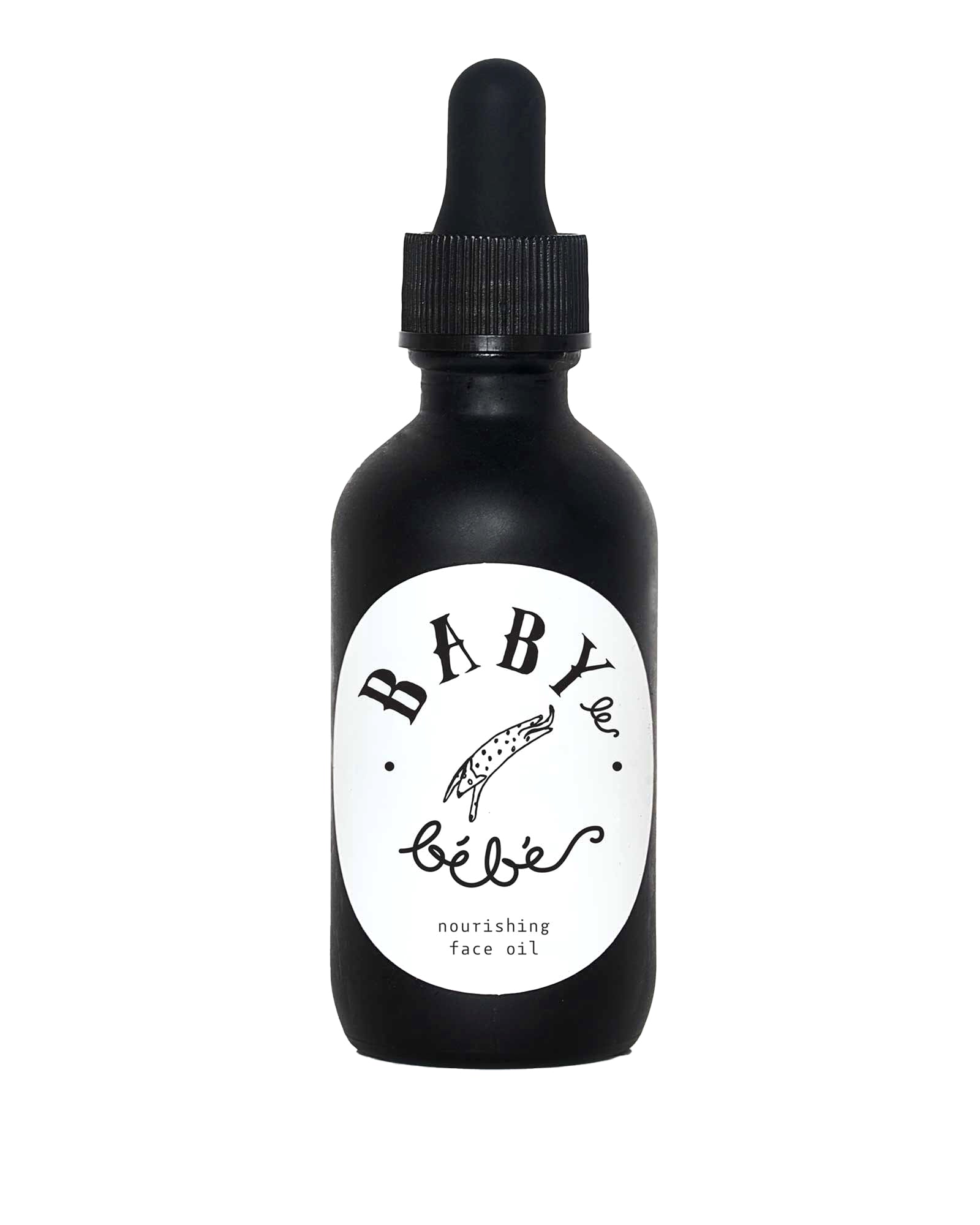
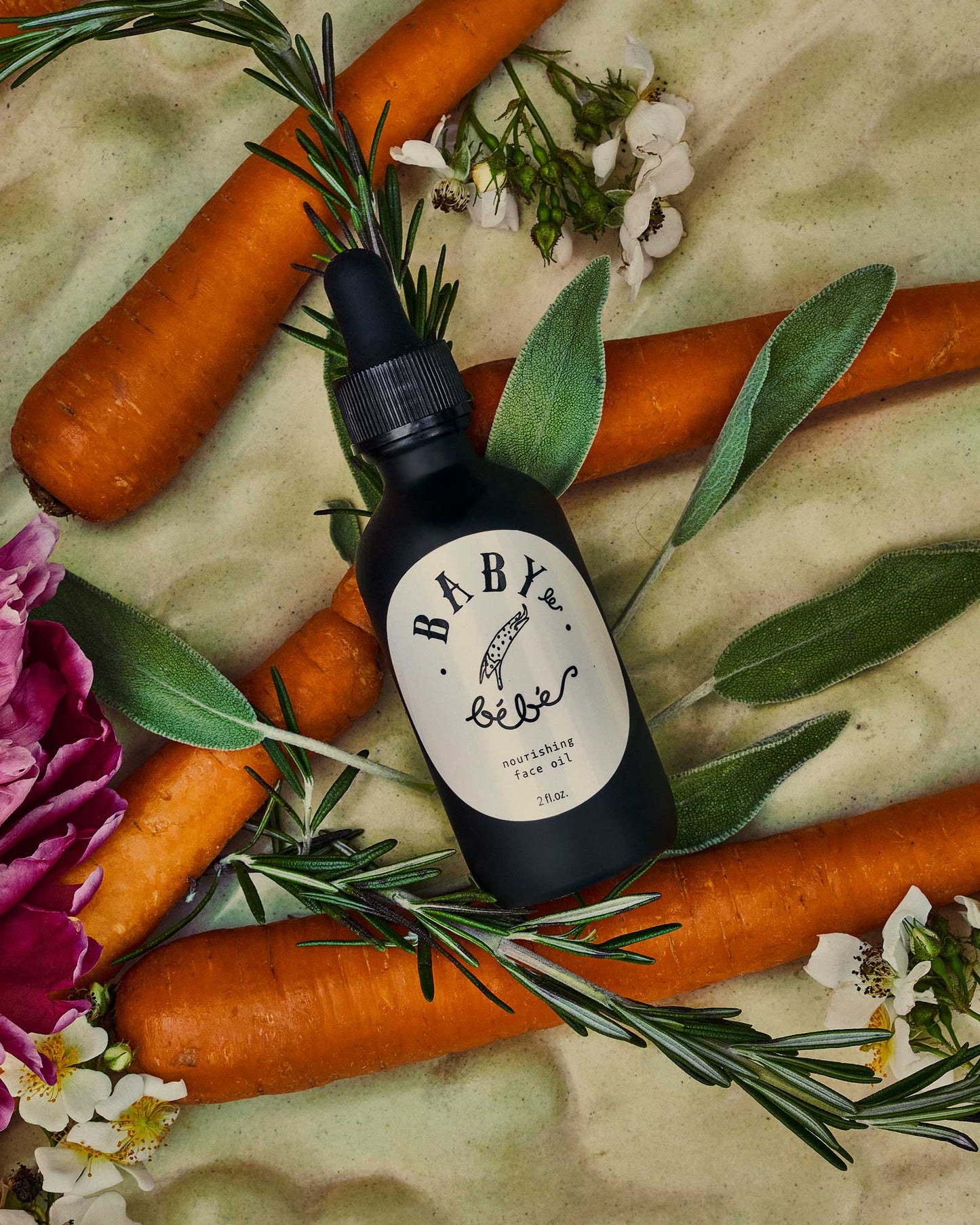
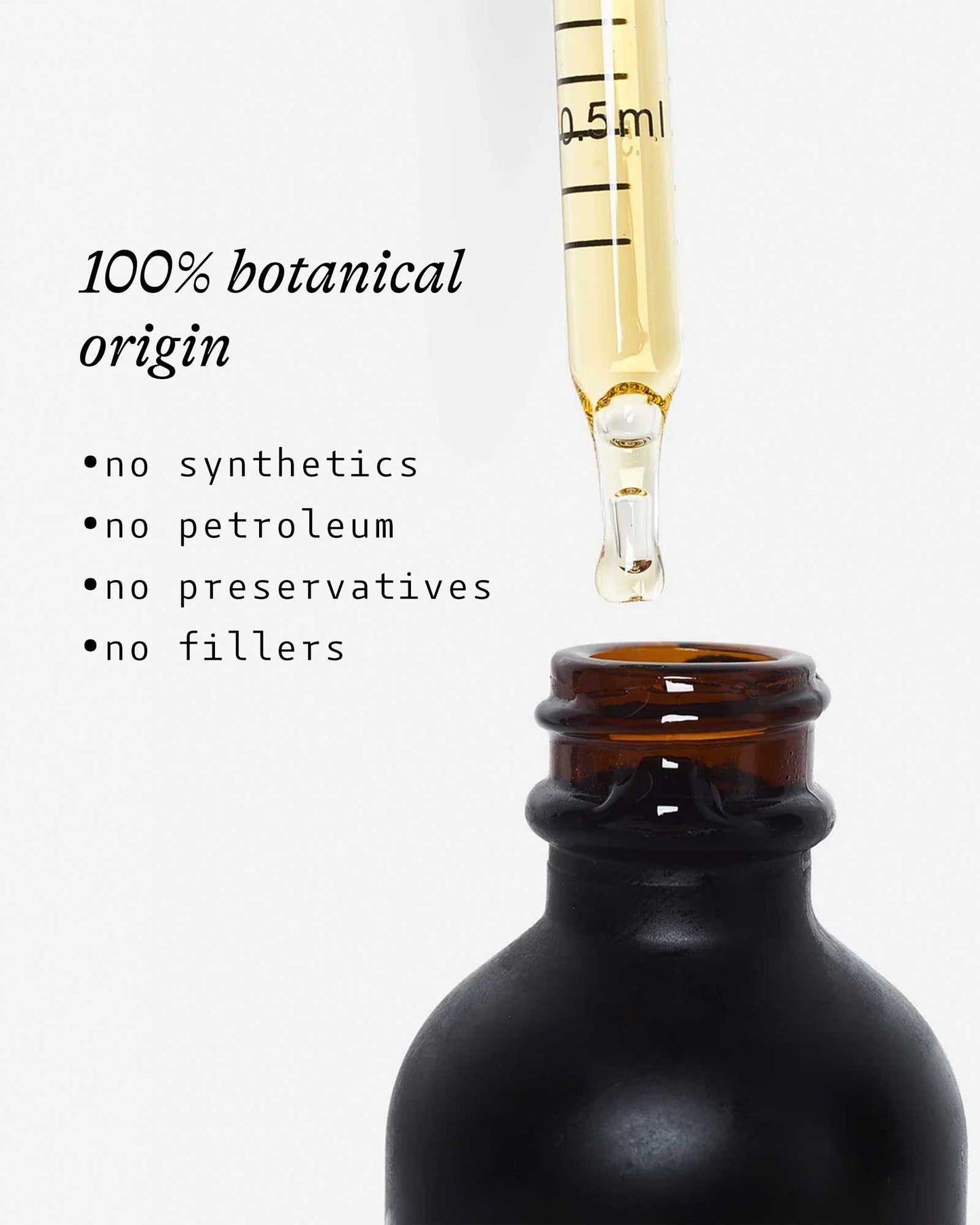
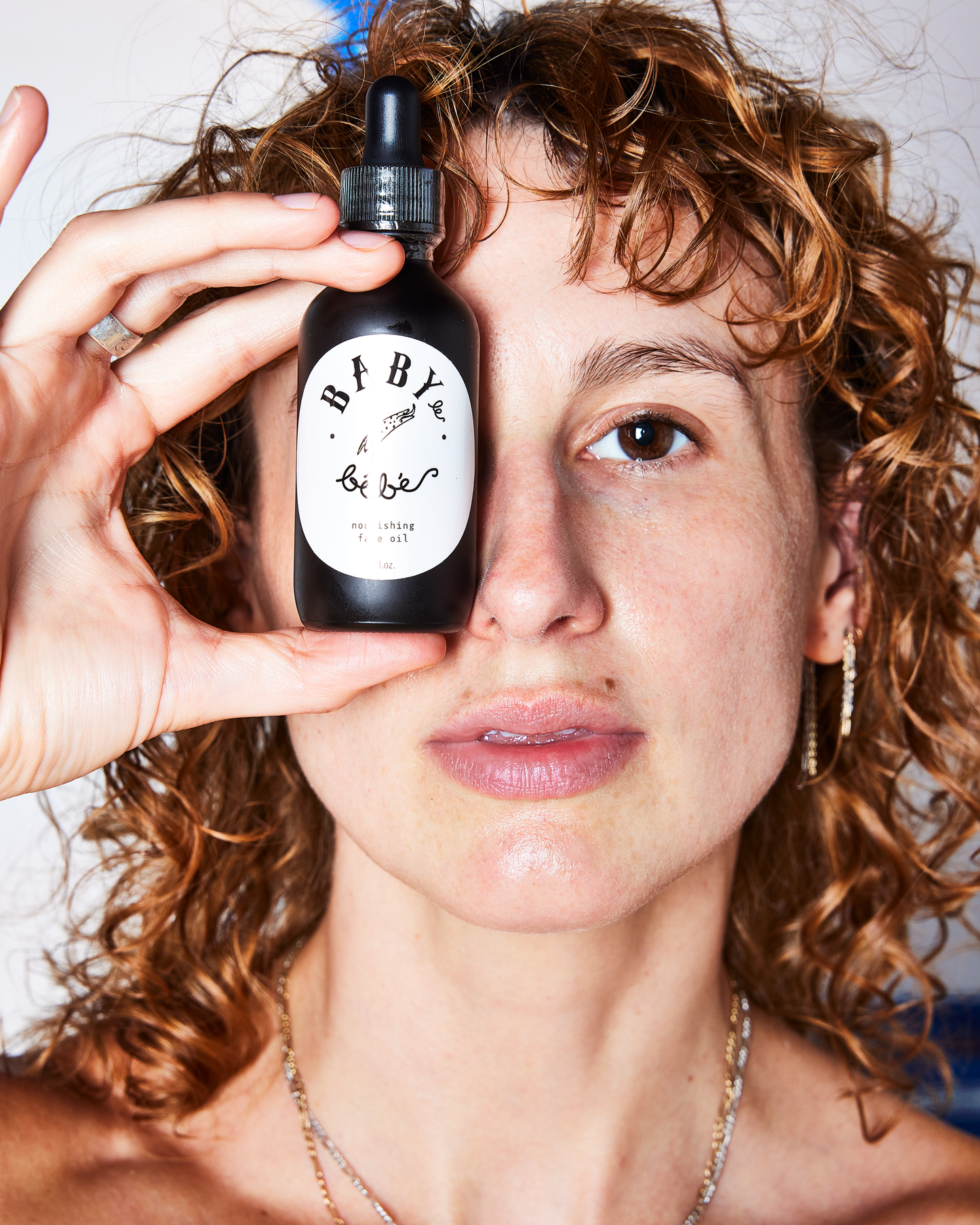
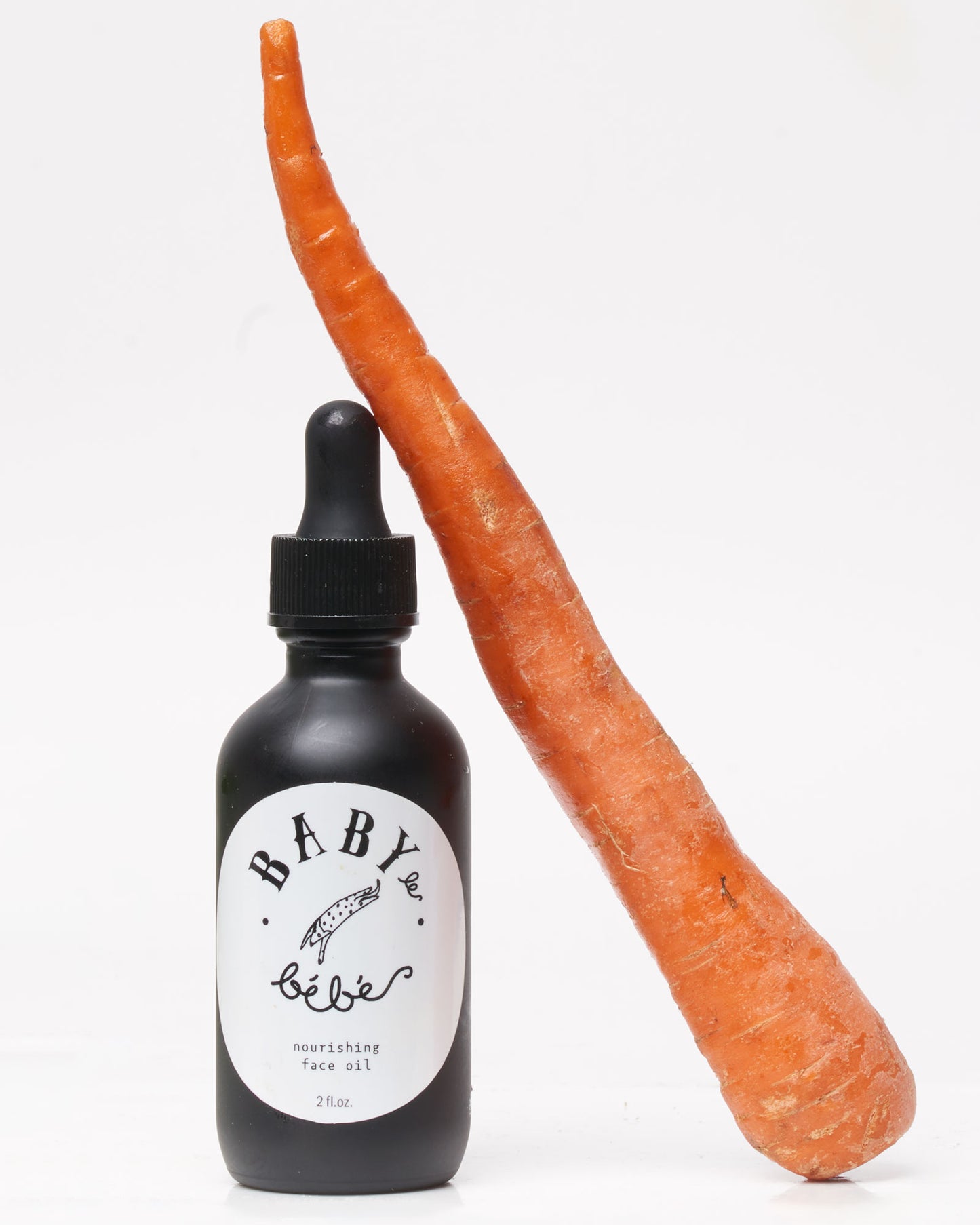
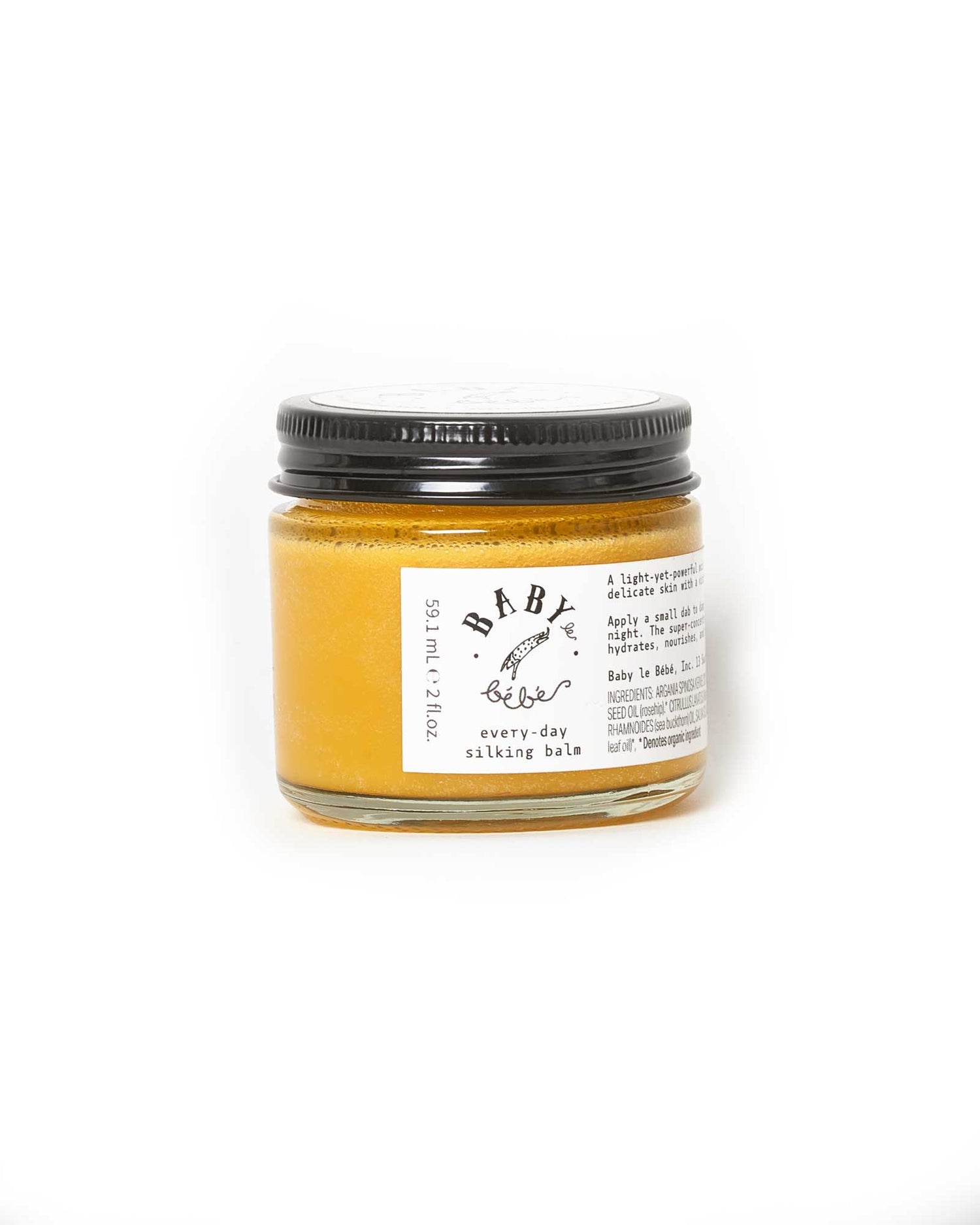
One option in this category is Baby le Bébé Nourishing Face Oil, which the brand describes as a preservative-free botanical face oil made with organic ingredients and no synthetics or petroleum. In practical terms, that places it in the kind of routine discussed throughout this guide: simple, oil-based, and best handled with mindful storage and patch testing like any other concentrated botanical product.
That same philosophy also explains why packaging and storage matter so much. If you’ve ever read about how to store loose leaf tea for peak freshness, the logic is familiar. Light, heat, air, and moisture gradually change delicate plant material. Face oils deserve the same respect.
A calm routine is often the strongest one
The most useful lesson from the best organic face oils isn’t that you need more products. It’s that you need fewer unknowns.
A simple ritual often looks like this:
- One cleanser you trust
- One hydrating step your skin tolerates
- One face oil chosen for your skin’s current needs
- Consistent storage and careful use
That rhythm gives you feedback. You learn whether your skin likes jojoba better than argan, whether evenings are the right time for richer oils, and whether scented blends are worth the risk for you.
The point isn’t to build a dramatic routine. It’s to build one that your skin can relax into.
If you want to explore a botanical routine built around that kind of simplicity, ingredient clarity, and daily ritual, visit Baby le Bébé.