

The move toward the best vegan skincare brands isn't just a trend anymore—it's become a powerful shift in how we think about beauty. This reflects a much deeper desire for products that align with our ethics, give us real transparency, and don’t harm the planet.
The Conscious Shift to Vegan Skincare
The entire beauty world is in the middle of a major change. We’re no longer just accepting what’s on the front of the bottle; we’re flipping it over to see what’s actually inside. This isn’t just shopping—it’s conscious consumerism, and it's about making thoughtful choices that go beyond a product’s basic performance.
Think of it like the farm-to-table movement, but for your face. We want to know the origin story of our skincare—where did these ingredients come from, how were they sourced, and were any animals involved along the way? This demand for truth and ethical alignment is completely reshaping the industry.
The Drivers Behind the Vegan Skincare Movement
So, what’s really fueling this incredible shift? It’s a mix of a few key factors that are encouraging us to seek out vegan alternatives and hold brands to a much higher standard. It comes down to our ethics, our health, and a growing desire for more sustainable ways of living.
The core motivations really boil down to this:
- Animal Welfare: This is the heart of the movement—a commitment to avoiding animal-derived ingredients and ensuring no animal testing ever happens, from start to finish.
- Ingredient Transparency: We're more educated than ever, and we demand clean formulas without hidden animal byproducts like lanolin, carmine, or animal-derived squalene.
- Environmental Impact: Many vegan brands are also leading the charge on sustainable sourcing and eco-friendly packaging, which resonates with anyone trying to lighten their environmental footprint.
- Perceived Gentleness: Plant-based ingredients are often seen as a softer, kinder choice, especially for those of us with sensitive or reactive skin.
This isn't just a fleeting moment; it’s a market-wide transformation. The global vegan skincare market was valued at around USD 16.60 billion in 2023 and is on track to more than double, reaching an estimated USD 35.75 billion by 2032.
This massive growth, driven by a compound annual growth rate of nearly 8.90%, signals a permanent change in what we expect from our beauty products. You can read more about this market shift and its projections to see just how big this movement has become.
This guide is here to help you navigate this exciting new world. We'll walk through how to decode labels, vet brands, and choose the best vegan skincare that truly lines up with your values and gives your skin the nourishment it deserves.
Decoding Vegan, Cruelty-Free, and Plant-Based Labels
Stepping into the world of ethical skincare can feel like trying to read a foreign menu. You see words like “vegan,” “cruelty-free,” and “plant-based” everywhere, but they definitely don’t all mean the same thing. Getting clear on these terms is the first real step to finding skincare that truly lines up with your values.
Let's use a simple cookie analogy to make sense of it all.
A "cruelty-free" cookie means no animals were harmed to test the recipe. Simple enough. But it could still be made with butter and eggs, so it’s not vegan.
A "vegan" cookie, on the other hand, is made with absolutely zero animal products—no milk, no eggs, and no honey. By definition, a truly vegan product is also cruelty-free because the entire philosophy is rooted in avoiding animal use and exploitation.
Then you have the "plant-based" cookie. This one is made mostly from plants like oats and almonds, but it might have a sneaky ingredient like a bit of milk powder or a honey glaze. The term describes what the cookie is primarily made of, not its entire ingredient list.
Vegan and Cruelty-Free Are Not Interchangeable
This is where most people get tripped up. A product can be cruelty-free without being vegan. And a brand can sell some vegan products without the company as a whole being cruelty-free.
Here’s how that works in the real world:
- Cruelty-Free (But Not Vegan): A brand might have a rock-solid policy against animal testing on all its products. That's great. But some of those formulas might still contain ingredients like beeswax, lanolin (from sheep's wool), or honey. Many people are perfectly fine with this, and it’s a valid personal choice.
- Vegan Product (From a Non-Cruelty-Free Brand): A company could create a moisturizer using 100% plant-derived ingredients, making that specific product vegan. However, if that same company sells its products in places where animal testing is required by law, the brand itself is not cruelty-free.
This is why you have to be a bit of a detective, looking at both the product’s formula and the brand’s bigger-picture policies. You can dive deeper into the nuances of cruelty-free and vegan skin care to get even more clarity.
So, What Does Plant-Based Mean?
“Plant-based” is a term that feels like it should mean vegan, but it’s not regulated in the beauty industry. It usually just means the formula is mostly made of ingredients from plants—think botanical oils, extracts, and butters.
The problem is, it’s often used as a marketing halo. A brand can shout about its lovely botanical extracts while quietly using animal-derived emulsifiers or preservatives. Think of “plant-based” as a signpost pointing in a good direction, but it's not the final destination.
Key Takeaway: While "plant-based" suggests a focus on botanicals, "vegan" is the only term that guarantees a product is completely free of all animal-derived ingredients.
As you build an ethical routine, it helps to understand related ideas. For instance, learning about affordable clean beauty products gives you another way to assess formulas, as "clean" often overlaps with ethical and non-toxic standards.
Vegan vs Cruelty-Free vs Plant-Based: What's the Difference?
To make your shopping trips easier, we've put together a quick-glance table to help you decode these labels on the shelf. This should help you figure out in seconds if a product meets your personal standards.
| Term | Definition | Contains Animal Byproducts? | Animal Testing Involved? |
|---|---|---|---|
| Vegan | Contains no animal-derived ingredients or byproducts whatsoever. | No | No, by ethical standard. |
| Cruelty-Free | The final product and its ingredients were not tested on animals. | Maybe. Can contain ingredients like beeswax or honey. | No |
| Plant-Based | Primarily made from plant-derived ingredients. | Maybe. Can still contain trace animal byproducts. | Varies. Not an official claim about testing. |
Once you have this knowledge in your back pocket, you can slice right through the marketing noise and read labels with total confidence. You'll know if a product is just "inspired by nature" or if it truly holds up to the rigorous standards of being vegan and cruelty-free. That clarity is what empowers you to make choices that feel right for both your skin and your conscience.
How to Vet Brands and Read Ingredient Lists
Gorgeous packaging and a compelling brand story can make any product feel right, but real confidence comes from knowing how to look past the marketing. This is where you become your own expert. Learning to read a label like a detective is the single most important skill for finding truly vegan skincare that aligns with your values.
It's how you cut through the noise and find what's real.
The easiest place to begin is with third-party certifications. Think of these logos as a stamp of approval from an independent watchdog that has already done the heavy lifting for you.
Trustworthy Labels to Look For
Not all bunny logos and leafy icons are the same. Many are just self-made graphics that don't mean much. For a guarantee you can actually trust, look for these globally recognized certifications:
- The Leaping Bunny: This is the gold standard for cruelty-free products. It certifies that no animal testing was used at any point in the product’s creation—from the raw ingredients to the final formula you hold in your hand.
- The Vegan Society Sunflower: This simple sunflower logo confirms a product is 100% vegan. The Vegan Society verifies that absolutely no animal-derived ingredients are present, making it a quick, reliable symbol for anyone avoiding animal products.
This simple decision tree shows how these two labels work together to help you quickly assess a product's ethics.

As you can see, the most conscious choice will always carry both a cruelty-free and a vegan certification.
How to Read an Ingredient List
What if a product looks promising but doesn’t have a logo? That's when it's time to put on your detective hat and scan the ingredient list—officially known as the INCI (International Nomenclature of Cosmetic Ingredients). Ingredients are always listed from the highest concentration to the lowest, so the first few ingredients make up the bulk of the product.
This skill is useful far beyond the beauty aisle. For example, knowing how to read supplement labels uses the same principles of scrutinizing sources and active compounds—a great practice for vetting any product you bring into your life.
When you're scanning a skincare label, you're mostly looking for the common animal-derived ingredients that have a habit of hiding in plain sight as emulsifiers, moisturizers, or colorants.
A Little Encouragement: Don't feel overwhelmed if you don't recognize every single ingredient. Your goal isn't to become a cosmetic chemist overnight. Just focus on spotting the most common non-vegan culprits, and with a little practice, it will become second nature.
Common Animal Ingredients to Avoid
Many workhorse ingredients in traditional cosmetics have some pretty surprising origins. That "deeply hydrating" cream or "vibrant" lipstick might contain things you'd never expect. Spotting these is the key to building a routine that's genuinely vegan.
Here are some of the most common ones to watch for:
- Lanolin: A waxy fat extracted from sheep's wool. It’s a heavy-duty emollient often found in thick creams and lip balms.
- Carmine (or Cochineal): This is a red pigment made from crushed female cochineal insects. It’s responsible for the deep red in many lipsticks and blushes.
- Squalene: A moisturizing oil traditionally harvested from shark liver. This is a big one to watch out for. Thankfully, most conscious brands now use its plant-derived cousin, squalane, which comes from olives or sugarcane. Always check which one is on the label.
- Guanine: This creates the shimmery, pearlescent effect in highlighters, eyeshadows, and nail polish. It’s made from crushed fish scales.
- Collagen & Elastin: Unless explicitly stated as "plant-based" or "vegan," these structural proteins are almost always sourced from the connective tissues of animals.
- Keratin: A protein used in strengthening treatments for hair and nails, keratin is sourced from animal hair, horns, and hooves.
- Glycerin & Stearic Acid: These are tricky because they can come from either animal fats or plants. If the label doesn’t specify a source (like "vegetable glycerin"), it's best to be skeptical or reach out to the brand for clarification.
By getting familiar with these terms and knowing which certifications to trust, you empower yourself to make choices with total confidence. You'll no longer be swayed by vague claims, but instead, you'll rely on your own knowledge to build a skincare ritual that’s not only effective but also truly, authentically kind.
Finding Vegan Skincare for Your Skin Type
Choosing vegan skincare isn't just about ethics; it's about finding formulas that speak your skin’s language. Just because a product is plant-based doesn't mean it’s the right fit for everyone. The real art is in matching the right botanicals to your unique skin.
It’s a common myth that “vegan” or “natural” automatically equals gentle. While many plant-based brands focus on soothing ingredients, some powerful botanicals and essential oils can still be too much for certain skin types. This is why getting personal with your routine is everything.
For Sensitive and Reactive Skin
If your skin flares up easily—think redness, itching, or a general feeling of irritation—your goal is to find peace. You need ingredients that calm inflammation and help rebuild your skin's protective barrier, not challenge it.
Look for these gentle, soothing botanicals:
- Chamomile and Calendula: These two are famous for a reason. Their anti-inflammatory powers are fantastic for taking down redness and calming that uncomfortable, reactive feeling.
- Oat Extract: Often found as colloidal oatmeal, this is a classic for a reason. It's incredibly effective at soothing itchiness and calming angry skin.
- Aloe Vera: Nothing beats the cooling, hydrating relief of aloe vera, especially when your skin feels hot or stressed.
A word of advice: Always, always patch-test new products. If you have sensitive skin, this step is non-negotiable. Apply a tiny amount behind your ear or on your inner wrist and give it 24 hours to see how your skin feels.
For Acne-Prone and Oily Skin
When you're dealing with breakouts and shine, the goal is balance. It's so tempting to reach for harsh, stripping products, but that often just makes your skin produce more oil to compensate. Instead, look for ingredients that clarify gently and provide lightweight hydration.
Focus on these plant-powered helpers:
- Willow Bark Extract: This is nature’s source of salicylic acid. It works to gently exfoliate inside the pores, helping to clear out congestion and prevent future breakouts.
- Tea Tree Oil: A true powerhouse for its antibacterial and anti-inflammatory properties. The key is to find it in a well-formulated product where it's properly diluted, as it’s far too strong to use on its own.
- Niacinamide (Vitamin B3): In vegan formulas, this is often derived from plant sources. It's brilliant for helping to regulate oil production, reduce the appearance of pores, and calm the redness left behind by old blemishes.
For Dry and Dehydrated Skin
If your skin constantly feels tight, looks dull, or has flaky patches, it’s thirsty. Your routine needs to do two things: add moisture, and more importantly, lock it in. Think of it as building a little raincoat for your skin to stop water from escaping.
Seek out these deeply nourishing ingredients:
- Plant-Based Hyaluronic Acid: This molecule is a hydration superstar, capable of holding up to 1,000 times its weight in water. It pulls moisture from the air right into your skin for a deep, plumping effect.
- Shea and Cocoa Butters: These rich, creamy butters are loaded with fatty acids that create a protective seal on the skin. They lock in all that good moisture while deeply nourishing the skin.
- Squalane (from olives or sugarcane): This beautiful, lightweight oil feels almost identical to your skin’s own natural oils. It moisturizes without a hint of greasiness and helps improve skin’s elasticity and bounce.
For Mature and Aging Skin
For skin showing fine lines, a loss of firmness, or sun spots, you want ingredients that support collagen, protect from environmental stress, and encourage fresh, healthy cells to come to the surface.
Look for these potent allies in your vegan formulas:
- Bakuchiol: Often called a natural alternative to retinol, this plant extract is incredible. It helps soften the look of fine lines and improve skin firmness, but without the irritation and redness that often come with traditional retinoids.
- Rosehip Oil: Packed with vitamins A and C, this oil is legendary for its regenerative abilities. It's wonderful for improving skin texture and helping to fade discoloration over time.
- Vitamin C (from sources like Sea Buckthorn or Acerola Cherry): As a powerful antioxidant, Vitamin C is your skin's best defender against daily damage. It also brightens the entire complexion and plays a key role in producing healthy collagen.
By matching these powerhouse ingredients to your skin's specific needs, you can build a vegan routine that delivers real results. It proves that choosing ethically doesn’t mean you have to compromise; in fact, it might just be the path to your best skin ever.
Alright, you've learned how to read a label like a seasoned pro. Now, let's move from theory to real-world examples. Seeing how brands bring ingredient integrity and ethical sourcing to life is the best way to connect the dots. The vegan skincare world is buzzing with incredible companies, from science-forward innovators to soulful, minimalist artisans.
Here are a few standout brands that really walk the talk. Each one has a unique philosophy and offers something special, proving that choosing ethically doesn't mean you have to compromise on results.
The Scientific Innovator: Biossance
Biossance has become a powerhouse in clean beauty by brilliantly blending science with sustainability. Their entire line revolves around one superstar ingredient: squalane. For decades, squalene was harvested from shark livers—an incredibly destructive and unsustainable practice.
Biossance changed the game by creating a 100% plant-based version from renewable sugarcane. This bio-fermented squalane is not only completely ethical but also exceptionally stable and deeply hydrating.
Their commitment doesn’t stop there. Biossance is both Vegan and Leaping Bunny certified, so you know exactly what you’re getting. Products like their Squalane + Vitamin C Rose Oil are a perfect example of how modern biotech can deliver powerful, beautiful results without the ethical baggage.
The Minimalist Champion: Five Dot Botanics
If you’ve ever felt overwhelmed by ingredient lists that read like a chemistry textbook, Five Dot Botanics is a welcome sigh of relief. This UK-based brand is built on a simple, elegant idea: every single product contains only five ingredients.
This minimalist approach means there's no room for fillers, synthetics, or anything that doesn’t serve a direct purpose. It forces a focus on incredibly high-quality, potent botanicals. Their transparency is refreshing—you know precisely what you're putting on your skin. This makes their line a fantastic choice for anyone with sensitive skin or those looking to strip their routine back to the essentials.
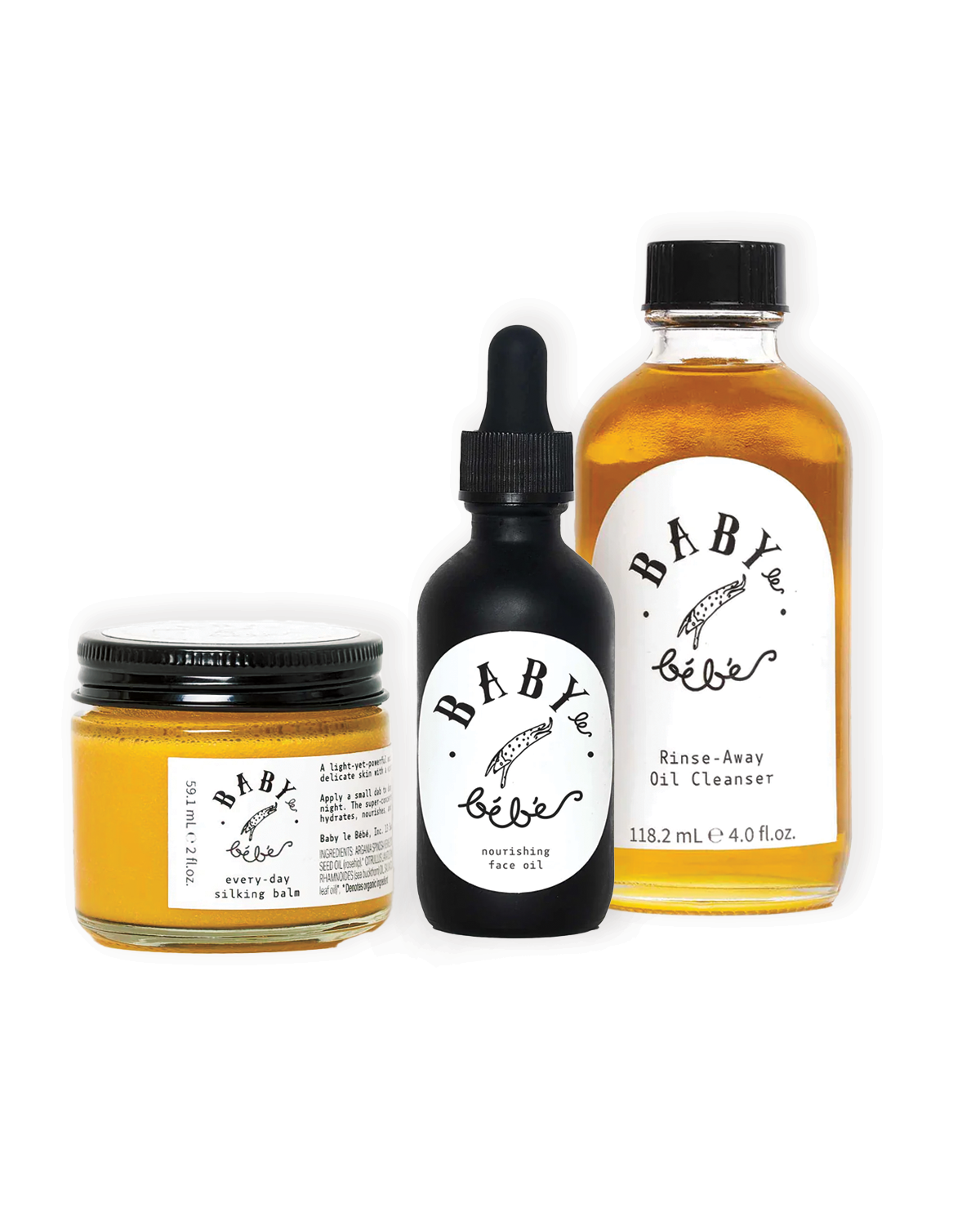
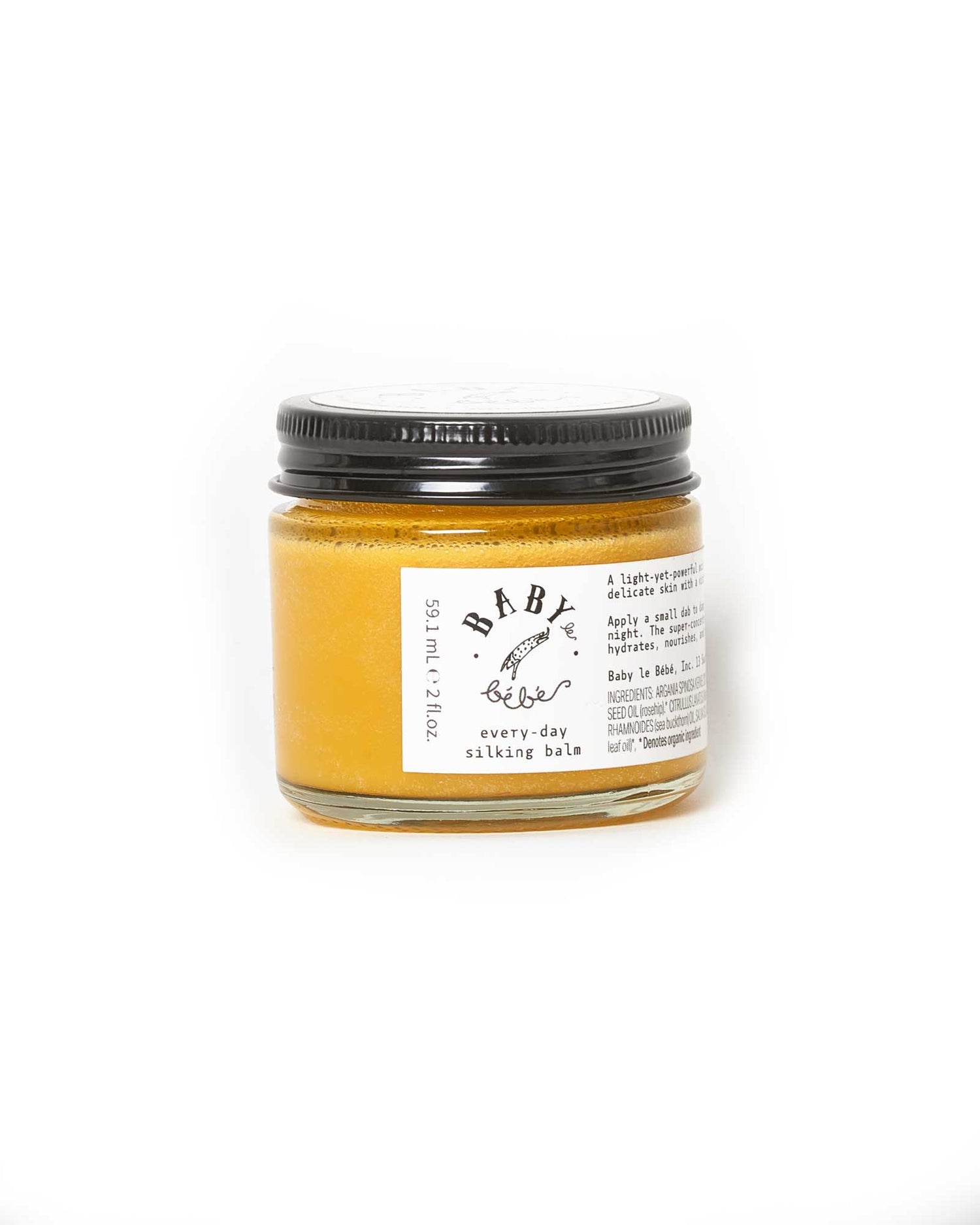
The Fresh-Poured Naturalist: Baby le Bébé
Some brands find their magic by returning to the artisanal roots of skincare. Baby le Bébé, an apothecary nestled in the Catskills, is a beautiful example of this, championing a "truly natural" philosophy with exceptionally gentle, preservative-free formulas.
Their approach is a rare find in today's market. By making products without any preservatives, they serve a community that prioritizes fresh, minimally processed skincare. This is a dream for those with highly reactive skin or anyone committed to a 100% natural lifestyle.
Here’s where their unique philosophy really shines:
- Vegan + Beeswax: They’re transparent about their "vegan plus beeswax" lineup, offering fully vegan products alongside those that use ethically sourced beeswax. This gives you the power to choose what aligns with your personal ethics.
- Preservative-Free: A bold choice that resonates with purists who want to avoid all preservatives, whether synthetic or natural.
- Made in the USA: Small-batch production in their New York apothecary means every product has outstanding quality control and freshness.
This brand is a perfect reminder that the "best" choice is always personal. For someone looking for one of the best non-toxic skincare brands that is also free of preservatives, Baby le Bébé is a true standout.
Other Ethical Brands Worth Exploring
The world of vegan skincare is vast and full of inspiration. Beyond these three, many other brands are making waves with their thoughtful formulas and ethical missions.
Here are a few more to put on your radar:
- OSEA Malibu: Known for its gorgeous, seaweed-infused formulas that are vegan, cruelty-free, and bring all the nourishing benefits of the ocean right to your skin.
- Herbivore Botanicals: This brand is beloved for its beautiful, plant-based products that rely on natural ingredients and steer clear of all synthetics.
- Youth to the People: A California-based company that pairs superfood extracts with clinical science to create potent, 100% vegan skincare that delivers real results.
From the biotech labs of Biossance to the minimalist studio of Five Dot Botanics and the natural apothecary of Baby le Bébé, each of these brands shows that finding the best vegan skincare is all about matching your personal values with your skin’s unique needs.
How to Build Your Perfect Vegan Skincare Routine
Alright, you’ve learned how to read labels and spot the good stuff. Now for the fun part: putting it all together into a routine that actually makes your skin feel incredible.
Building a vegan skincare routine doesn't have to be some complex, 10-step puzzle. In fact, simple is almost always better. It’s all about consistency and layering products in the right order so they can do their best work.
Think of it as a simple three-act play for your skin: Cleanse, Treat, and Moisturize. This core framework ensures every product builds on the last, leading to better absorption and that happy, healthy glow we’re all after.
Step 1: Cleanse
Cleansing is your foundation. Its only job is to get everything off—makeup, SPF, city grime, and excess oil—without stripping your skin’s delicate moisture barrier. For a really deep clean, especially on makeup days, nothing beats a vegan double cleanse.
- First Cleanse (Oil-Based): Start with a cleansing oil or balm on dry skin. These are brilliant at melting away stubborn, oil-based things like foundation and sunscreen. Just massage it in, add a splash of water to make it milky, and rinse.
- Second Cleanse (Water-Based): Follow up with a gentle gel or cream cleanser. This step whisks away any lingering residue, leaving your skin perfectly clean and prepped for what comes next.
Step 2: Treat
This is where you get specific. With your skin freshly cleansed, it’s primed to drink up potent, active ingredients. Serums are the heroes here, delivering concentrated plant-based solutions for whatever your skin is asking for—be it more hydration, brightness, or calm.
A plant-derived hyaluronic acid serum is a perfect example. It acts like a little moisture magnet, pulling hydration deep into the skin for a plump, dewy finish. Pro tip: apply it to damp skin to help it absorb even more effectively.
A well-structured routine is more than just a list of products; it’s a ritual that nourishes your skin and honors your commitment to ethical choices. By layering thoughtfully, you ensure every plant-powered ingredient works its hardest for you.
Step 3: Moisturize and Seal
This is your final, loving step: locking it all in. A moisturizer seals in the goodness from your treatment serum and provides a protective layer of hydration to face the day (or night).
- For Daytime: A lighter lotion or a cream packed with antioxidants is perfect. It protects your skin from whatever the environment throws at it.
- For Nighttime: Now’s the time to go richer. A nourishing facial oil or a velvety balm can work magic overnight, helping repair your skin’s barrier so you wake up soft and supple.
By following this simple Cleanse, Treat, and Moisturize framework, you create a beautiful synergy between your products. For more ideas on how this all comes together, check out our guide to building a complete non-toxic skincare routine. You've got this.
Common Questions About Vegan Skincare
Diving into the world of vegan skincare can bring up a lot of questions, especially when you’re trying to sort through marketing claims and ingredient lists. Let’s clear up some of the most common points of confusion so you can feel confident in the choices you make for your skin.
Is Vegan Skincare as Effective as Traditional Products?
Without a doubt. The idea that vegan formulas are less powerful is a myth from a bygone era. Today’s best vegan skincare is built on high-performance botanicals and bio-fermented ingredients that are scientifically celebrated for their results.
Think of ingredients like bakuchiol (a gentle, plant-based retinol alternative), potent vitamin C derived from botanicals, and hyaluronic acid sourced from fermentation. These aren’t just “natural substitutes”; they are powerhouse actives in their own right. Smart brands are investing in serious research to create formulas that deliver incredible results without a single animal-derived ingredient.
Does "Vegan" Automatically Mean It's Good for Sensitive Skin?
Not necessarily. While many vegan brands build their ethos around gentle, plant-based formulas, the term "vegan" isn't a synonym for "hypoallergenic."
Nature is powerful, and that means some natural ingredients—like certain essential oils or potent plant extracts—can be sensitizing for reactive skin types. If your skin is sensitive, the key is to look for vegan products that also emphasize minimal, soothing ingredients. And as always, patch-testing a new product is the smartest first step.
A Note on Trust: The most reliable way to know if a product aligns with your values is to look for official third-party seals. The Leaping Bunny logo is the gold standard for cruelty-free, while The Vegan Society's sunflower emblem confirms a product is 100% free of animal ingredients.
How Can I Be Sure a Brand Is Truly Vegan?
Beyond the trusted certifications we just mentioned, a little label-reading goes a long way. If a brand doesn’t have an official seal, check its website for a clear, transparent policy on animal testing and ingredients. You can usually find this in their FAQ or "About Us" section.
When in doubt, learning to scan the INCI (ingredient) list yourself is an empowering skill. Keep an eye out for common non-vegan components and you'll quickly become your own best advocate.
Are Vegan Skincare Products Always More Expensive?
Not at all. Just like with any other skincare category, prices run the gamut from drugstore-friendly to high-end luxury. In fact, the explosion of interest in vegan beauty has created a wonderfully competitive market.
You can now find incredibly effective, beautifully formulated vegan skincare at nearly every price point. The growing demand for the best vegan skincare brands means you never have to choose between your budget and your values.
For those who prioritize fresh, preservative-free, and truly natural formulas, explore the curated collection from Baby le Bébé. Discover gentle, effective rituals made in the USA with 100% natural ingredients at babylebebe.com.