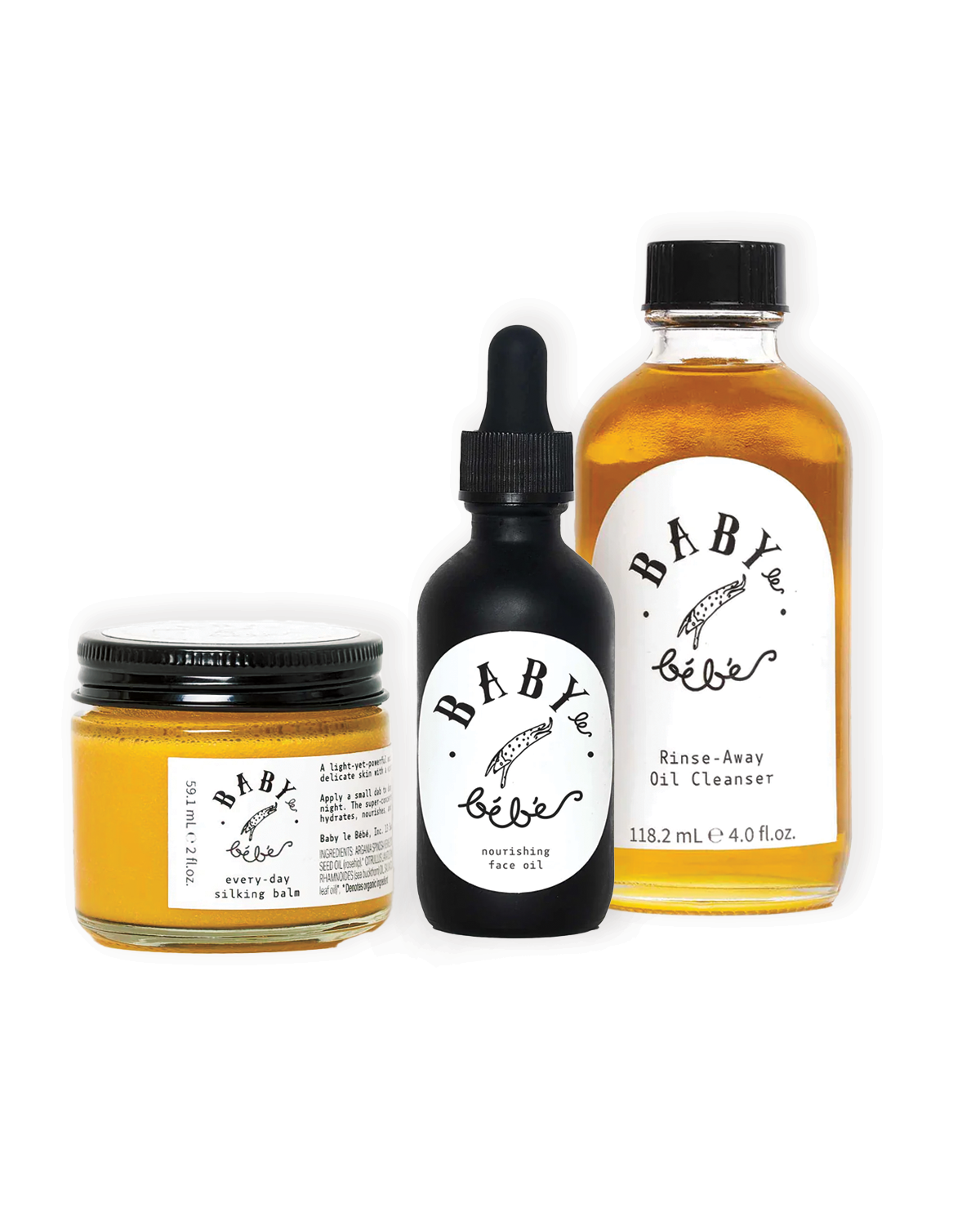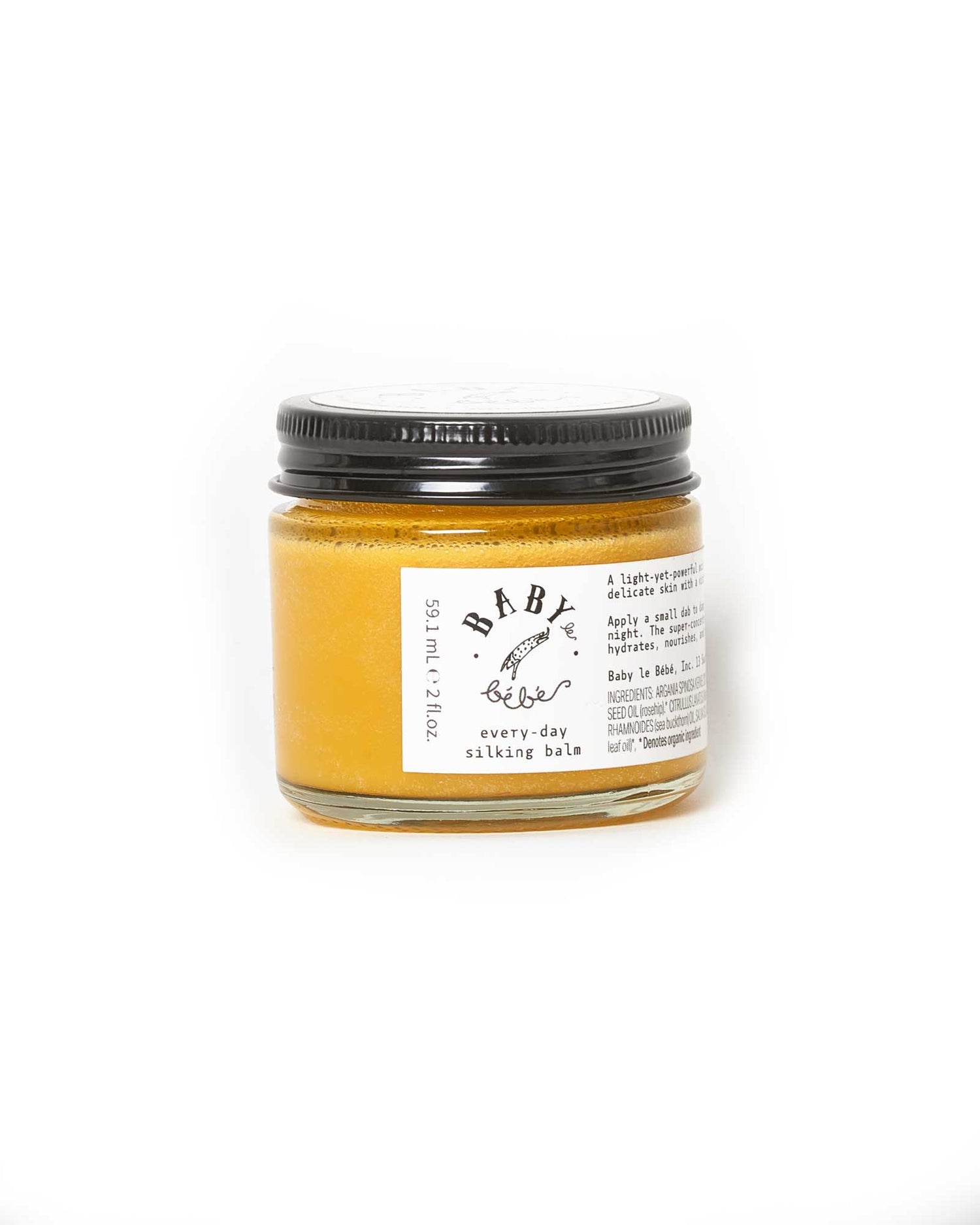


Welcome to the new world of beauty—one where what’s left out of your products is just as important as what’s put in. This is the heart of cruelty-free and vegan skincare, a powerful movement driven by people who are asking for transparency, ethics, and kindness in their daily rituals.
The Rise of Conscious Skincare
Something fundamental is happening in the beauty world. It’s no longer just about achieving flawless skin; it's about how we get there. This isn't a fleeting trend. It’s a real shift in our collective values, where ethical sourcing and honesty are becoming non-negotiable.
This growing awareness is changing the entire industry. People are looking past the flashy marketing claims and asking what’s really inside their bottles and how those formulas came to be. This has ignited a huge demand for cruelty-free and vegan products, pushing brands to finally be more accountable.
A Movement Backed by Numbers
This isn't just a feeling—the numbers tell a powerful story. The global market for cruelty-free cosmetics is booming, hitting USD 14.84 billion in 2023. Skincare alone made up an incredible 44.2% of this market, mostly because people are actively seeking natural, plant-based formulas for everything from sensitivity to aging.
And it's only growing. Projections show the market expanding to over USD 23.54 billion by 2030, proving that ethical beauty is absolutely here to stay. You can explore the full cruelty-free cosmetics market report to see the data for yourself.
Choosing cruelty-free and vegan skincare is about more than personal preference. It's a vote for a kinder, more transparent beauty industry where efficacy and ethics go hand-in-hand.
Setting the Stage for Clarity
To navigate this new landscape, it helps to get clear on the core principles. The terms "cruelty-free" and "vegan" are often used together, but they actually address two very different parts of ethical production:
- Cruelty-Free: This is all about the process. It’s a promise that no animal testing was performed on the final product or any of its ingredients, at any point in the supply chain.
- Vegan: This is all about the ingredients. It ensures the product contains absolutely no animal-derived components or by-products.
A product can be one without being the other, which is where things can get confusing, even for the most careful shoppers. We created this guide to be your simple, clear roadmap. We'll break down these concepts, help you spot real claims, and empower you to build a skincare routine that truly aligns with your values.
Decoding Cruelty-Free vs. Vegan Skincare
When you’re trying to shop with intention, the labels cruelty-free and vegan come up a lot. It's easy to assume they mean the same thing, but they actually answer two very different questions about a product.
Think of it like this: Cruelty-free tells you how the product was made—its process. Vegan tells you what is in the product—its ingredients. One is about testing, the other is about composition.
Cruelty-Free Focuses on the Process
A product labeled cruelty-free is making a promise about its development: no animal testing was involved, period. This guarantee applies to the finished product you hold in your hand, but it also extends to every single ingredient that went into the formula.
From the first raw material to the final bottle on the shelf, it means no animal was used for testing. This is a stand against outdated and completely unnecessary practices in the beauty industry.
A cruelty-free label addresses the testing part of animal welfare. It's a crucial standard, but it doesn't say anything about the ingredients inside the product itself.
This is where people often get tripped up. A lotion can be certified cruelty-free because it wasn’t tested on animals, but it might still contain ingredients like beeswax or lanolin (from sheep's wool). For a product to be completely free from animal involvement, you need to look for the vegan label, too.
Vegan Focuses on the Ingredients
The vegan label takes things a step further, focusing entirely on the formula's contents. For a product to be truly vegan, it must be completely free of animal-derived ingredients, by-products, or any other animal-sourced substances.
This creates the most comprehensive standard for animal welfare in skincare. It means no animals were harmed for testing, and no animal parts or secretions are included in the bottle.
This overlap—or lack of it—is what confuses most shoppers. A product can be:
- Cruelty-Free but Not Vegan: It wasn't tested on animals, but it contains something like honey or milk proteins.
- Vegan but Not Cruelty-Free: This is less common but possible. The formula has no animal ingredients, but the brand (or its parent company) might still test other products on animals where required by law.
- Both Vegan and Cruelty-Free: This is the gold standard for ethical beauty. It means no animal testing and no animal ingredients.
To make it even clearer, here’s a simple side-by-side comparison.
Cruelty-Free vs. Vegan Skincare At a Glance
This table breaks down exactly what each claim means, so you know what you're looking at when you read a label.
| Attribute | Cruelty-Free Skincare | Vegan Skincare |
|---|---|---|
| Primary Focus | The process of product development | The ingredients in the final product |
| Animal Testing | Prohibited for the final product and all its ingredients | Prohibited as part of true vegan standards |
| Animal Ingredients | Can contain animal-derived ingredients like honey, lanolin, or carmine | Contains absolutely no animal-derived ingredients or by-products |
| Key Promise | "We did not test this on animals." | "There are no animal products in this." |
Understanding these differences is the first real step toward making choices that align with your values. When you shop for cruelty free and vegan skin care, you're not just buying a moisturizer; you're supporting a philosophy of kindness and transparency that is quietly reshaping the entire beauty industry for the better.
How to Spot Genuinely Ethical Products
Trying to figure out what’s actually cruelty-free and vegan can feel like you're trying to read a secret code. You'll see cute bunny logos or stamps that say "Not Tested on Animals," but many of these are just self-made claims. They aren't regulated, which means they can be pretty misleading. To really feel good about what you're buying, you need a higher standard of proof.
This is where third-party certifications come in. These official logos aren't just pretty graphics; they are legally protected seals of approval from independent organizations. Think of them as a promise backed by a rigorous audit, not just a brand's good intentions.
The Gold Standard Cruelty-Free Certifications
When it comes to proving a product is genuinely cruelty-free, two logos stand out as the most trustworthy and recognized around the world. Seeing one of these means the brand has opened up its entire supply chain for a thorough investigation.
-
Leaping Bunny: This is often considered the gold standard. The Leaping Bunny logo certifies that no animal testing happened at any point in the product's development. Brands have to commit to a fixed cut-off date, meaning they won't use any new ingredients that were tested on animals after that day. This promise extends to their ingredient suppliers and manufacturers, too.
-
PETA's Beauty Without Bunnies: This program also verifies that a brand does not conduct, commission, or pay for any animal tests on its ingredients, formulas, or finished products. PETA actually offers two logos: one for cruelty-free and another that clearly states "Vegan & Cruelty-Free," which adds another layer of confidence.
These organizations don't just take a company at its word. They require stacks of documentation and legally binding contracts. That's what makes a certified product so different from one with a generic bunny sticker on the box.
The Ultimate Vegan Verification
While cruelty-free logos focus on the process (no testing), a vegan certification guarantees the ingredients are entirely free from animal-derived sources. The most respected and thorough certification here comes from The Vegan Society.
The Vegan Society's sunflower logo is a powerful symbol. It confirms that the product contains zero animal ingredients, animal by-products, or animal-derived GMOs. Crucially, it also verifies that no animal testing was involved in the product's development or manufacturing.
This all-in-one approach is incredibly helpful. It addresses both the testing and the ingredient sourcing in a single, trusted trademark, offering complete peace of mind.
How to Double-Check a Brand's Status
Seeing a logo is a great start, but the best way to be 100% certain is to check the brand's status directly with the organization that certified it. Unfortunately, some brands have been known to use fake logos to appeal to conscious shoppers.
Luckily, all the major certifiers keep public online databases. This is your most powerful tool for cutting through the marketing noise.
- Visit the Official Database: Head to the websites for Leaping Bunny, PETA's Beauty Without Bunnies, or The Vegan Society.
- Use the Search Function: Type in the name of the brand you're curious about.
- Confirm the Listing: If the brand is officially certified, you'll see it in the search results. If it isn't there, the claims on its packaging aren't backed by that organization.
This simple two-minute check is all it takes to go from a hopeful shopper to a truly informed one. By relying on these trusted third-party certifiers, you can be sure the products you choose genuinely align with your values.
Animal-Derived Ingredients Hiding on Your Shelf
Learning to navigate the world of cruelty-free and vegan skin care really comes down to becoming a savvy label-reader. Just because a product is cruelty-free doesn't always mean it's vegan—its formula can still contain animal-derived ingredients that aren’t always obvious.
These ingredients are often used for their moisturizing, coloring, or texturizing properties, but effective, beautiful plant-based alternatives are more available than ever. Getting familiar with what to look for is the most empowering step you can take. It turns a confusing ingredient list into a clear roadmap, so you can choose products that truly align with your values without ever sacrificing performance.
Spotting Common Animal-Derived Ingredients
Many ingredients have names that don’t immediately signal their animal origins. Below are some of the most frequent culprits you'll find in conventional skincare, along with their kinder, plant-powered substitutes.
-
Lanolin: A popular emollient found in thick creams and balms, lanolin is an oil extracted from sheep's wool. It's used for its intense moisturizing and protective qualities.
- Plant-Based Alternatives: Look for products formulated with rich botanicals like shea butter, cocoa butter, or plant oils like olive and jojoba. They provide deep hydration and create a protective barrier on the skin without any animal involvement.
-
Collagen: Often marketed for its anti-aging benefits, collagen is a protein typically sourced from the skin, bones, and connective tissues of animals like cows and fish.
- Plant-Based Alternatives: The beauty of plant-based skincare is its ability to encourage your skin's own collagen production. Ingredients like vitamin C, peptides, and plant-derived retinoids are proven to boost your natural collagen synthesis for firmer, healthier skin.
This is where third-party certifications become so helpful. They do the vetting for you, so you can trust a product's ethical claims at a glance.

Relying on trusted certifiers like Leaping Bunny, PETA, and The Vegan Society is the surest way to confirm a product’s status without having to scrutinize every single ingredient yourself.
More Ingredients to Watch For
Beyond the common moisturizers and proteins, other ingredients are frequently used for pigment, texture, and stability.
Squalene vs. Squalane This one causes a lot of confusion. Squalene is an oil traditionally harvested from the livers of sharks. It’s an incredible moisturizer, but its sourcing has major ethical and environmental implications.
Fortunately, there is a brilliant, stable, and completely plant-derived alternative: squalane.
Squalane (with an "a") is the hydrogenated version of squalene, which makes it more stable for use in skincare. It is most commonly sourced from olives, sugarcane, or amaranth. It delivers the same lightweight, non-greasy hydration without harming any animals.
When you see "squalane" on a vegan product's ingredient list, you can feel confident it's the beautiful, plant-derived version.
Carmine and Guanine These are used for color and shimmer, especially in makeup but occasionally in tinted skincare.
-
Carmine (CI 75470): This creates a vibrant red pigment and is made from crushed cochineal insects.
- Plant-Based Alternatives: Natural pigments from beets, berries, and other plant sources create beautiful red and pink tones.
-
Guanine (CI 75170): Used to create a pearlescent, shimmering effect, guanine is derived from fish scales.
- Plant-Based Alternatives: Mica and synthetic fluorphlogopite (synthetic mica) are minerals that provide brilliant shimmer and are staples in modern vegan formulas.
The demand for these kinder ingredients is growing fast. The global vegan cosmetics market is projected to surge to USD 37.43 billion by 2034, largely because consumers are actively choosing these plant-powered alternatives. This shift shows a powerful desire for formulas that are gentle, sustainable, and effective. You can explore additional market growth insights on Fortune Business Insights.
By learning what to look for, you can easily sidestep these hidden ingredients. This knowledge ensures your skincare routine is not only effective but also a true reflection of your commitment to compassionate, modern beauty.
Building Your Gentle Vegan Skincare Routine
Alright, you’ve got the knowledge to spot truly ethical products. Now for the fun part: putting it all together into a routine that your skin will love.
Creating a gentle cruelty-free and vegan skincare routine doesn’t mean you need a ten-step regimen. In fact, when you’re dealing with sensitive or reactive skin, less is almost always more.
Here is a simple, three-step ritual designed to cleanse, hydrate, and protect your skin using soothing, plant-powered ingredients that actually work.
Step 1: Start with a Gentle Oil Cleanse
The first, most important step is a good cleanse—but not the kind that leaves your skin feeling tight and squeaky. Many traditional foaming cleansers strip away your skin's natural oils, which is a fast track to irritation, especially for sensitive types.
This is where an oil cleanser is a game-changer.
It works on a simple principle: like dissolves like. The oils in the cleanser grab onto the excess sebum, makeup, and sunscreen on your skin, lifting them away so they can be rinsed off without disrupting your delicate skin barrier. Your face is left feeling clean, soft, and balanced. Never stripped.
Look for formulas with nourishing, non-comedogenic plant oils. Jojoba, grapeseed, and sunflower oils are all wonderful choices for their light texture and calming feel. This step preps your skin beautifully for what comes next.
An oil cleanse respects your skin’s natural lipid barrier—its first line of defense. By keeping this barrier happy and intact, you help your skin stay calm, strong, and resilient.
Step 2: Hydrate with a Soothing Facial Oil
Once your skin is clean, it's time to replenish moisture and deliver a dose of concentrated nutrients. For sensitive skin, a high-quality facial oil is a fantastic option because it provides deep hydration and protection without the extra emulsifiers or preservatives often found in creams.
Think of a well-made vegan facial oil as a nourishing meal for your skin. It’s packed with the good stuff: antioxidants, vitamins, and essential fatty acids that work to soothe inflammation, help repair damage, and strengthen your skin from within.
When choosing an oil, look for ingredients known for their calming properties. Rosehip oil is amazing for promoting regeneration and dialing down redness, while chamomile is a classic soother. To get more ideas for creating a simple and effective routine, you can explore our full guide on https://babylebebe.com/blogs/news/non-toxic-skincare-routine.
As you build your routine, it's always helpful to learn more about the power of natural ingredients for healthy skin.
Step 3: Seal and Protect with a Balm
The final step is all about locking in that moisture and creating an extra layer of protection. For anyone with sensitive or dry skin, a protective balm is a must-have. It acts like a cozy sweater for your face, shielding it from moisture loss and external irritants like wind and cold.
Balms are anhydrous (meaning water-free) and have a richer texture than oils. They create a gentle, occlusive barrier on the skin's surface, which stops the hydration from your facial oil from simply evaporating away. This step is key to keeping your skin feeling comfortable and supple all day or all night.
Seek out vegan balms made with beautiful butters and waxes like shea butter, cocoa butter, or candelilla wax. These ingredients are brilliant at conditioning the skin and providing lasting protection.
You can apply a thin layer over your whole face or just press it onto drier spots like your cheeks, lips, or around the nose. And that’s it—your simple, gentle vegan routine is complete, leaving you with calm, hydrated, and happy skin.
The Bigger Impact of Your Skincare Choices
Choosing cruelty-free and vegan skin care feels good on a personal level, but its real influence extends far beyond your own bathroom shelf. Every time you choose a product, you’re not just building a routine. You're casting a vote and taking part in a much larger conversation about ethics and the environment.
Your choice becomes part of a collective movement, one that firmly rejects outdated and unnecessary animal testing. It sends a clear signal to the beauty industry: compassion isn’t a niche concern, it's a fundamental expectation. This is about acknowledging that modern science gives us effective, humane alternatives that make animal cruelty in cosmetics obsolete.
Environmental Harmony and Conscious Consumption
Beyond the ethics, your choices have real environmental weight. Sourcing common animal-derived ingredients—like tallow from animal fat or collagen from animal tissues—relies on industrial farming, which carries a heavy carbon and water footprint. This system contributes to deforestation, greenhouse gas emissions, and water pollution.
In contrast, thoughtfully sourced, plant-based ingredients usually require far fewer resources. When you opt for formulas built from botanicals, you support a more sustainable model of agriculture that works in greater harmony with the planet. This simple shift helps reduce the strain on our ecosystems, preserving biodiversity for the future.
This consumer-driven change is making huge waves. Today, over 65% of global beauty consumers are actively looking for animal-free products. This shift is led by shoppers who see vegan formulas as a clear indicator of both sustainability and mindful self-care. As recent market intelligence on vegan cosmetics shows, the trend is moving toward transparent, apothecary-style brands.
A Vote for a Kinder Future
Every purchase you make is a vote for the kind of world you want. When you choose a vegan and cruelty-free product, you’re not just one person making a small choice. You’re joining millions of others who are demanding a kinder, greener, and more transparent future for the beauty industry.
Your individual decision adds momentum to a global movement. It tells brands that integrity matters, that transparency is non-negotiable, and that effective skincare never needs to come at the cost of compassion or planetary health.
This collective pressure has already pushed countless brands to reformulate their products, seek out official certifications, and adopt more sustainable practices. If you want to explore companies that truly live these values, our roundup of the best clean beauty brands is a great place to start.
At its heart, the move toward cruelty-free and vegan skincare is about alignment—making sure your daily rituals reflect your deepest values. It proves that a single conscious choice, multiplied by millions, has the power to reshape an entire industry for the better. Your bottle of facial oil or jar of balm becomes a quiet statement of hope, a symbol of a more beautiful future for all of us.
A Few Final Questions on Ethical Skincare
As you get closer to building a routine you truly feel good about, a few last questions often pop up. Clearing up these common points of confusion is the final step toward shopping with complete confidence.
Here are some straightforward answers to the things we get asked most often about cruelty-free and vegan skin care.
Are Natural and Organic Products Always Ethical?
Not necessarily. It's easy to assume that words like "natural" and "organic" automatically mean a product is also vegan or cruelty-free, but that's not the case. These labels are about how the ingredients were grown or sourced, not whether they came from an animal or were tested on one.
For instance, a face cream can be made with 100% organic ingredients and still contain animal-derived beeswax or goat's milk. A "natural" brand might sound wholesome, but if you don't see an official cruelty-free logo, there's no guarantee. Always look for the Leaping Bunny, PETA, or Vegan Society seals to be certain. For a deeper dive into skincare lingo, our comprehensive glossary is here to help.
Does Vegan Skincare Expire Faster?
This is one of the most common myths out there, and the short answer is no. A product's shelf life has everything to do with its formulation and preservation system, not whether its ingredients are plant-based.
Today’s best vegan skincare uses incredibly effective, nature-derived preservatives like vitamin E (tocopherol) or rosemary extract to keep formulas fresh and stable. Even better, water-free products like oils and balms have a naturally long shelf life because they don’t create an environment where microbes can grow.
Quality vegan products are formulated for stability. Well-crafted balms, oils, and even water-based products with plant-derived preservatives are designed to last just as long as their conventional counterparts.
Are Plant-Based Ingredients as Effective?
Absolutely. In many cases, they’re even more effective—and much gentler on the skin. Nature has given us a rich library of powerful, active botanicals that have been used for centuries to heal and nourish.
Think of it this way:
- Plant-derived squalane from olives perfectly mimics your skin's own sebum for lightweight, non-greasy hydration.
- Bakuchiol, from the babchi plant, offers retinol-like benefits for smoothing fine lines, but without the infamous irritation.
- Shea butter and candelilla wax provide deep, lasting moisture and protection, easily replacing animal-derived lanolin and beeswax.
The idea that animal-derived ingredients are somehow superior is an outdated concept. Modern cruelty free and vegan skin care is packed with potent botanicals that deliver incredible, science-backed results for your skin.
What About Cruelty-Free Brands Owned by a Parent Company That Tests?
This is a really personal ethical decision, and there isn't a single right answer. Many conscious shoppers choose to support the cruelty-free brand directly. They see their purchase as a "vote" for ethical practices, sending a clear message to the parent company that there is a strong, profitable market for cruelty-free products.
On the other hand, some people prefer to avoid these brands altogether, feeling that any money spent ultimately props up the parent corporation's unethical policies. The best approach is the one that feels right for you. Supporting the cruelty-free subsidiary is still a powerful way to champion positive change from within the industry.
At Baby le Bébé, our philosophy is built on the simple idea that what’s good for you should also be good for the earth. Our formulas are crafted with 100% natural ingredients, are Leaping Bunny certified cruelty-free, and are vegan (with the gentle exception of ethically sourced beeswax in our balms). Explore our curated collection of botanical skincare at https://www.babylebebe.com.