

If you have sensitive skin, you know the cycle all too well: the frustrating dance of redness, itching, and unexpected flare-ups. It often feels like your skin is on constant high alert, reacting to almost everything. Vegan skincare offers a much-needed sanctuary from this battle by changing the ingredient philosophy from the ground up.
Why Vegan Skincare Is a Game-Changer for Sensitive Skin
Instead of relying on a long list of synthetic chemicals and animal-derived components, vegan formulas are built around the quiet intelligence of plants.
Think of it like choosing a whole-food diet over processed meals. The ingredients are simpler, more recognizable, and inherently gentler on your system. This is the heart of vegan skincare for sensitive skin.
The Power of Plant-Based Simplicity
The vegan skincare market has seen incredible growth, and it’s projected to reach $21.4 billion by 2027. This isn't just a trend; it's a fundamental shift away from common animal-derived ingredients like lanolin or certain collagens, which can trigger reactions in up to 20-30% of people with sensitive conditions like rosacea or eczema.
Plant-based alternatives—like the formulas we craft with 99% organic botanicals—often provide superior calming benefits without needing synthetic preservatives or parabens. You can explore more about this industry-wide shift to see why so many are choosing plants over synthetics.
For sensitive skin, the benefits are clear and immediate:
- Fewer Potential Irritants: Vegan formulas naturally skip common allergens like lanolin (from sheep's wool), beeswax, and carmine (a red pigment from insects).
- Focus on Soothing Botanicals: This philosophy prioritizes ingredients celebrated for their anti-inflammatory properties, like chamomile, calendula, and oat oil.
- Emphasis on Barrier Support: Many plant oils, such as jojoba and sea buckthorn, beautifully mimic the skin's own sebum. This helps fortify your skin's protective barrier, making it stronger and more resilient.
At its heart, vegan skincare isn't about restriction; it's about intentional selection. It’s choosing ingredients that work with your skin's natural functions, not against them.
A Gentle Path to Resilient Skin
When you adopt a vegan routine, you're creating a safe space for your skin. By removing the guesswork and sidestepping ingredients known for causing flare-ups, you give your skin a real chance to heal and find its balance. This is especially true for brands that take it a step further, formulating without any preservatives or synthetics.
This guide is your roadmap. We’ll walk you through what makes vegan products so effective, how to build a simple and soothing daily ritual, and how to confidently find the calm, healthy skin you deserve.
Getting to the Root of Your Sensitive Skin
Before you can find the right vegan skincare for sensitive skin, it helps to understand what’s really going on with your complexion. Think of sensitive skin less as a single “type” and more as a conversation. Your skin is trying to tell you something, and learning to interpret its signals is the first step toward finding lasting calm.
Not all sensitivity looks or feels the same. Your skin’s reactivity can usually be traced back to one of three places. Pinpointing which one sounds most like you will help you move beyond just reacting to flare-ups and start building a routine that offers true, consistent support.
Genetically Sensitive Skin
This is the kind of sensitivity you were born with. It’s an inherent part of your skin’s constitution, like your eye color or hair texture, and is often connected to genetic conditions like eczema, rosacea, or psoriasis. If you’ve spent most of your life with skin that’s easily upset, this is likely you.
You might notice:
- Constant or frequent redness and flushing.
- A tendency toward inflammatory skin conditions.
- Reactions to a whole range of products and even changes in the weather.
With this skin profile, the goal is gentle, consistent care. You can’t change your skin’s predisposition, but you can create a peaceful environment for it with soothing, minimalist skincare that respects its delicate nature.
Sensitized Skin
Unlike genetic sensitivity, this is a condition that’s created over time. It’s a state, not a permanent identity. Think of it as your skin waving a white flag, letting you know its protective barrier has been compromised by outside forces.
Imagine your skin barrier as a sturdy brick wall. Your skin cells are the "bricks," and natural lipids are the "mortar" holding everything together. When that mortar gets worn down, irritants can sneak in and precious moisture escapes. The result is sensitized skin.
This often happens from:
- Over-exfoliation: Using harsh scrubs or strong acids too often.
- Product Overload: A routine packed with too many active ingredients can strip and overwhelm the skin.
- Environmental Stress: Things like pollution, harsh wind, and sun exposure can slowly weaken your skin's natural defenses.
The good news? Sensitized skin is almost always reversible. By paring your routine back to simple, barrier-supporting basics—like those found in a gentle vegan skincare ritual—you can help your skin rebuild and find its strength again.
Allergic Skin
This kind of sensitivity isn't about a weakened barrier, but an immune system response. Your body has flagged a specific ingredient—an allergen—as a threat and is reacting to it. This reaction, known as allergic contact dermatitis, is often delayed, showing up 24 to 72 hours after you’ve used the product.
Signs of an allergic reaction often include intense itching, hives, swelling, or a bumpy, scaly rash right where the product was applied. Once you identify and remove the culprit—whether it's a synthetic fragrance, a specific preservative, or even a natural essential oil—the reaction will clear up.
Understanding which of these categories best describes your skin is incredibly empowering. It shifts you from feeling like a passive victim of your skin’s moods to being an informed caretaker. This knowledge is the true foundation for building a vegan skincare ritual that brings you comfort, calm, and a healthy glow.
Your Guide to Vegan Ingredients for Sensitive Skin
Trying to figure out skincare ingredients can feel like learning a whole new language, especially when your skin overreacts to just about everything. The good news? When you turn to vegan skincare, the conversation gets a whole lot simpler. Think of this as your field guide to reading ingredient labels with confidence—so you can finally tell the skin-soothing allies from the potential troublemakers.
The whole point of vegan skincare for sensitive skin is to use ingredients that calm things down, strengthen your skin's defenses, and provide real nourishment. Millions of us deal with sensitive skin, and clean, plant-based formulas have become one of the best ways to manage it.
This simple visual breaks down where skin sensitivity often comes from—whether it’s genetic, a reaction you've developed over time, or a true allergy.

Figuring out which one describes your skin is the first step toward choosing the right ingredients to bring it back to balance.
Your Skin's Botanical Allies
Think of these ingredients as the peacekeepers for your complexion. They're well-known for their gentle, anti-inflammatory, and barrier-supporting qualities, which is why you'll find them in the best vegan skincare.
- Chamomile: This delicate flower is a true powerhouse of anti-inflammatory compounds, like bisabolol, that work to calm redness and soothe irritation almost on contact. It’s basically a cup of chamomile tea for your skin.
- Calendula: Famous for its incredible healing abilities, calendula helps repair damaged skin and ease discomfort. Its gentle touch makes it perfect for even the most reactive skin types. You can learn more about the benefits of calendula essential oil in our deep dive.
- Oat Oil: Packed with skin-loving lipids, ceramides, and antioxidants, oat oil is amazing at restoring a compromised skin barrier. It helps lock in moisture and shield your skin from environmental stress.
- Jojoba Oil: The molecular structure of jojoba oil is remarkably similar to your skin’s own sebum. This allows it to moisturize and balance your skin without clogging pores—a true universal crowd-pleaser.
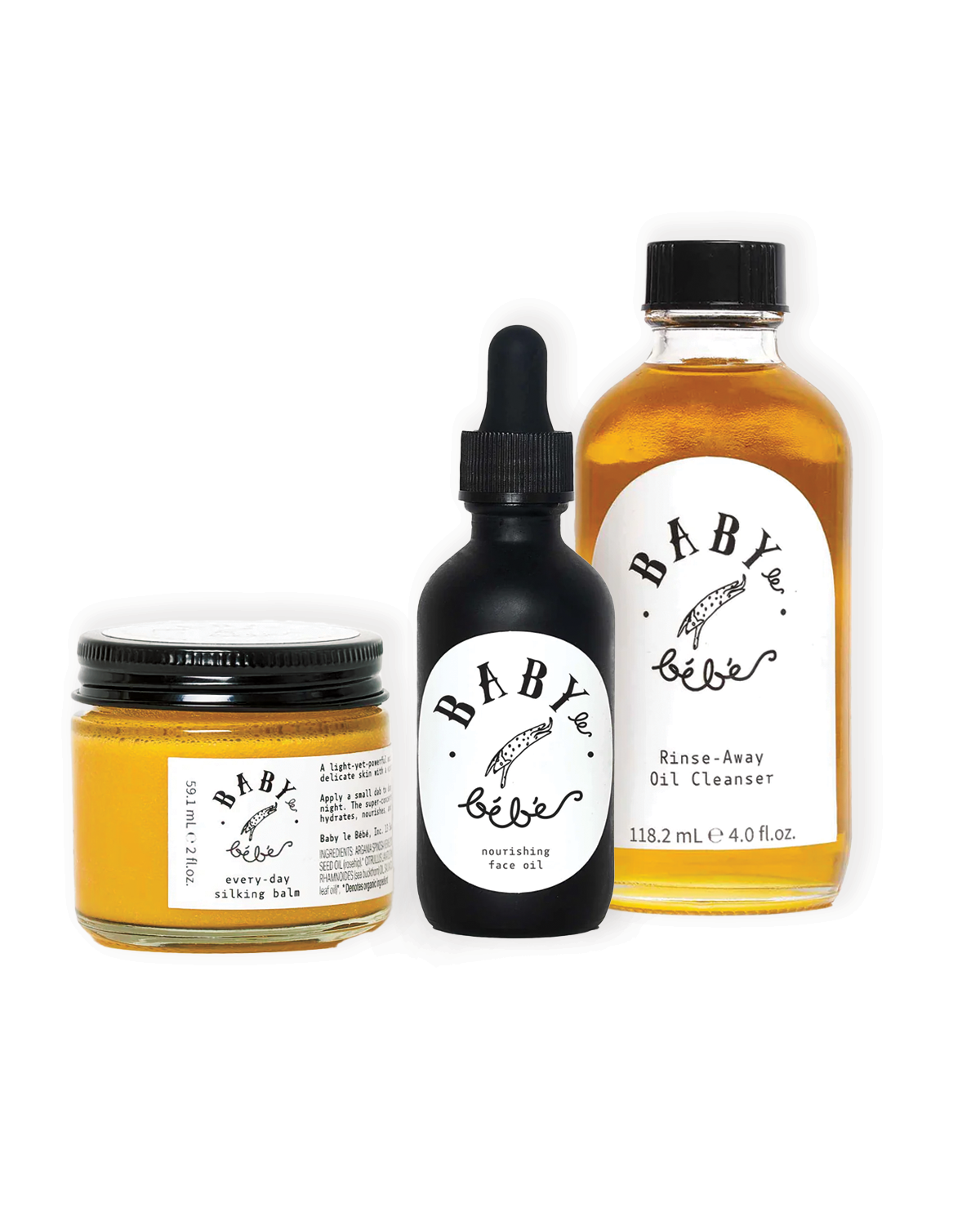
These botanicals are the foundation of formulas designed for reactive skin, like our Baby le Bébé collection, because they deliver results without aggression. They work in sync with your skin's own functions to build resilience from the inside out.
Known Irritants to Sidestep
Knowing what to look for is only half the battle; knowing what to avoid is just as important. Many conventional products—and even some so-called "natural" ones—are loaded with ingredients that can stir up trouble for sensitive skin. Your best defense is becoming a vigilant label-reader.
When you have sensitive skin, your routine should be an act of kindness. That means consciously avoiding ingredients that are known to cause disruption, no matter how popular or common they are.
Here is a quick reference guide to help you tell the good guys from the bad guys when choosing your next product.
| Vegan Ingredient Guide for Sensitive Skin | Skin Allies (Look For These) | How They Help | Known Irritants (Avoid These) |
|---|---|---|---|
| Soothing Botanicals | Chamomile, Calendula, Aloe Vera | Reduce inflammation, calm redness, and promote healing. | Synthetic Fragrance & Dyes |
| Nourishing Oils | Oat Oil, Jojoba Oil, Sea Buckthorn Oil | Fortify the skin barrier, lock in moisture, and mimic natural sebum. | Drying Alcohols (SD Alcohol, Denatured) |
| Gentle Cleansers | Coco-Glucoside, Decyl Glucoside | Cleanse effectively without stripping the skin's protective oils. | Harsh Sulfates (SLS, SLES) |
| Animal-Free Hydrators | Shea Butter, Plant-Based Glycerin | Provide deep, lasting moisture and a protective layer. | Lanolin & Animal Fats |
Let’s dig a little deeper into why these common irritants are so problematic.
Understanding Common Troublemakers
Many of these ingredients are tossed into products to improve their texture, scent, or shelf life, but for sensitive complexions, they often come at a cost.
- Synthetic Fragrance: Often listed simply as "parfum" or "fragrance," this is a catch-all term that can hide thousands of different chemicals. It is one of the most common culprits behind contact dermatitis and allergic reactions.
- Harsh Sulfates (SLS/SLES): Sodium lauryl sulfate and sodium laureth sulfate are what create that satisfying lather in many cleansers. But they are powerful detergents that can strip the skin’s natural oils, leaving it feeling dry, tight, and vulnerable.
- Drying Alcohols: While some "fatty" alcohols can be beneficial, others like SD alcohol or denatured alcohol are used to help products dry quickly. For sensitive skin, they can be intensely dehydrating and cause major irritation.
- Lanolin: Derived from sheep's wool, lanolin is a common emollient in thick creams. While it’s an effective moisturizer, it's also a well-known allergen that can trigger reactions in a lot of people.
By choosing vegan skincare for sensitive skin, you automatically sidestep lanolin and other animal-derived ingredients. Brands like Baby le Bébé take it a step further, crafting preservative-free formulas that also eliminate synthetic fragrances, sulfates, and other known irritants. This proves that you really only need gentle, thoughtful botanicals for calm, healthy, and resilient skin.
Building Your 4-Step Vegan Skincare Ritual
Now that you know how to spot calming botanicals on an ingredient list, it’s time to bring that wisdom into your daily routine. Creating a consistent ritual is one of the kindest things you can do for stressed, reactive skin. And no, you don’t need a complicated 10-step routine. For sensitive complexions, less is almost always more.
We’re going to focus on a simple, supportive four-step framework: Cleanse, Treat, Hydrate, and Seal. This structure gives your skin exactly what it needs, when it needs it—without feeling overwhelmed. Think of it as building a calm, quiet home for your skin, one gentle layer at a time.
Step 1: Cleanse – The Foundation of Calm
This is, without a doubt, the most critical step for sensitive skin. The wrong cleanser can strip your skin’s protective barrier, leaving it feeling tight, dry, and exposed to irritation. The goal here is simple: remove impurities, makeup, and sunscreen without washing away your skin’s precious natural oils.
For a truly gentle approach, turn to oil or cream-based cleansers. These formulas dissolve dirt and excess sebum while nourishing the skin—a world away from the harsh, stripping action of many foaming washes. Using a vegan skincare for sensitive skin cleanser means you’re avoiding common animal-derived irritants right from the start.
Gentle Cleansing Best Practices:
- Use Lukewarm Water: Hot water is a known trigger for redness and can dehydrate the skin. Always use a temperature that feels comfortable and neutral.
- Pat, Don't Rub: After rinsing, gently pat your face dry with a clean, soft towel. Aggressive rubbing creates friction and unnecessary stress for delicate skin.
- Don't Over-Wash: Cleansing once in the evening is often plenty. If you feel you need a morning cleanse, a simple splash of water might be all it takes.
For a deeper dive into choosing that perfect first step, take a look at our guide on finding a gentle cleanser for sensitive skin.
Step 2: Treat – Targeted Soothing and Repair
Once your skin is clean, it's perfectly prepped to receive targeted treatments. This is where you address specific concerns like redness, dehydration, or uneven texture with a potent yet gentle serum. A serum’s lightweight, concentrated formula allows key ingredients to penetrate deeply and get to work.
Look for serums featuring calming heroes like niacinamide, which is celebrated for its ability to reduce inflammation and strengthen the skin barrier. Another fantastic option is bakuchiol, a plant-based alternative to retinol that offers similar smoothing benefits without the notorious irritation.
This is where vegan skincare’s gentle, plant-powered approach really shines. Formulations can sidestep common allergens like lanolin, which irritates an estimated 15-20% of sensitive users, and instead lean on deeply hydrating ingredients like coconut oil and hyaluronic acid. Brands using COSMOS-certified botanicals have even reported an 87% reduction in fine lines and 91% firmer skin, showing that gentle care can be powerfully effective.
Step 3: Hydrate – Replenish Essential Moisture
Hydration is the key to a plump, comfortable, and happy complexion. When your skin is properly hydrated, its barrier functions more effectively, which means it’s better at keeping irritants out and moisture in. This step is all about applying a product designed to draw water into the skin.
For sensitive types, lightweight moisturizers, lotions, or hydrating mists are excellent choices. They deliver a surge of moisture without feeling heavy or suffocating the skin.
Think of your skin like a dry sponge. A good hydrator drenches that sponge with water, making it soft, pliable, and ready to absorb what comes next.
Look for ingredients like glycerin, hyaluronic acid (often plant-derived in vegan formulas), and aloe vera. These humectants act like little magnets, pulling moisture from the air and locking it into your skin cells for lasting comfort.
Step 4: Seal – Lock It All In
The final, and often overlooked, step is to seal it all in. After hydrating, you need to apply something that creates a light, breathable barrier on the skin's surface. This simple step prevents all that lovely moisture you just added from evaporating away—a process known as transepidermal water loss (TEWL).
Non-comedogenic (non-pore-clogging) face oils or balms are perfect for this job. They lock in the benefits of your serum and moisturizer while providing an extra layer of protection against environmental stressors like wind and dry air.
Your Four-Step Ritual At a Glance:
| Step | Purpose | Recommended Vegan Product Types |
|---|---|---|
| 1. Cleanse | Gently remove impurities without stripping the skin. | Oil Cleanser, Cream Cleanser, Cleansing Balm |
| 2. Treat | Deliver concentrated actives to soothe and repair. | Calming Serum (with Niacinamide or Bakuchiol) |
| 3. Hydrate | Replenish the skin's water content. | Lightweight Moisturizer, Hydrating Mist, Gel Cream |
| 4. Seal | Lock in moisture and protect the skin barrier. | Non-Comedogenic Face Oil, Protective Balm |
By following this simple four-step ritual, you create a predictable, nurturing environment where your sensitive skin can finally relax and thrive. Consistency is your greatest tool; stick with this routine, and you’ll be well on your way to building stronger, calmer, and more resilient skin.
How to Safely Introduce and Test New Products
Even when you’re working with the most gentle, beautiful formulas, introducing a new product to sensitive skin requires a bit of patience. Think of it like a slow, polite introduction—you want to give your skin time to get acquainted without feeling overwhelmed or surprised.
This simple process is your best defense against an unexpected flare-up. It puts you in control and makes your routine feel safe and predictable.
The single most important step is the patch test. It’s a low-risk way to see how your skin feels about a new product before you commit to using it all over your face. A tiny, controlled test can save you from days of dealing with redness or irritation.
The Patch Test: A Simple How-To
Properly patch-testing is easy and takes just a moment, but the feedback it gives you is priceless. It’s a non-negotiable step when adding anything new to your vegan skincare for sensitive skin routine.
- Choose a Discreet Spot: Apply a tiny amount of the product to a clean patch of skin where a reaction wouldn't be too visible. Good spots are right behind your ear, on the side of your neck, or on your inner wrist.
- Apply and Wait: Leave the product on as directed. If it's a rinse-off product like a cleanser, wash it off after a minute. If it's a leave-on serum or moisturizer, let it absorb and leave it for at least 24 hours.
- Observe Closely: Keep an eye on the area. You’re looking for any signs of trouble—things like redness, itching, stinging, little bumps, or swelling.
- Repeat if Needed: If your skin is exceptionally reactive, it's a good idea to repeat the test for two or three days in a row. Some sensitivities, especially true allergies, can take a little longer to show up.
If you notice any irritation at all, gently wash the area with a mild cleanser and cool water, and stop using the product. If you see no reaction after 24-72 hours, you’re likely good to go.
Troubleshooting Your Skin's Signals
Sometimes, even with a successful patch test, your skin might start sending distress signals once you begin using a new product more broadly. Don't panic. The key is learning to read these signals and respond calmly.
Think of your skin's reactions not as failures, but as feedback. Your skin is communicating its needs, and your job is to listen and adjust accordingly.
- If you see redness or feel itchy: This is a classic sign of irritation. Immediately stop using the new product. You can calm the area with a cool compress and apply a simple, soothing balm you already know your skin loves.
- If your skin feels tight or looks flaky: The product might be a little too drying for you. This can happen with cleansers that are too stripping or certain active treatments. Stop using it and focus on barrier support with hydrating serums and gentle, nourishing oils.
- If you experience breakouts or clogged pores: The formula might be too heavy for your skin or contain an ingredient that doesn't agree with you. It’s time to switch to something lighter and non-comedogenic.
The Skin Elimination Method: Finding the Culprit
If your skin is suddenly acting up and you have no idea why, it’s time to put it on a "skin elimination diet." This just means stripping your routine back to the bare essentials: a gentle cleanser and a simple moisturizer you trust completely.
Once your skin has calmed down (this could take a few days or even a week), you can start reintroducing your other products one at a time. Give your skin at least three to four days between each new addition.
This slow, patient approach is the absolute best way to pinpoint exactly which product—or which ingredient—is causing the issue. It takes a little patience, but it’s the surest path to long-term skin peace.
Extending Vegan Care to Your Body and Bath Routine
That same thoughtful care you show your face? Your body deserves it, too. Sensitive skin doesn't just stop at your chin, and concerns like body acne, keratosis pilaris, or simple dryness often respond beautifully to the same gentle, plant-focused approach.
Choosing vegan skincare for sensitive skin for your body is a simple way to sidestep the common troublemakers in conventional lotions and washes. Many are loaded with synthetic fragrances, harsh detergents, or pore-clogging mineral oil that can easily throw your skin's delicate balance off-kilter, leading to flare-ups from head to toe.
From Daily Chore to Mindful Ritual
Turning a daily bath or shower into a calming ritual is one of the kindest things you can do for your body and your mind. This is all about choosing products that soothe your skin and your senses without any artificial extras.
Try swapping your go-to body lotion for a nourishing botanical body oil. When you apply high-quality plant oils to damp skin right out of the shower, they sink in and lock in moisture beautifully, leaving your skin soft and supple, never greasy. It’s a simple switch that offers a more direct, grounded form of hydration. You can learn more about how to find the best bath oil for dry skin in our detailed guide.
A body care routine isn't just about cleansing and moisturizing. It's an opportunity to check in with your body, soothe tired muscles, and create a moment of genuine self-care in a busy day.
This holistic way of thinking also means looking at other things that touch your skin all day. Just as you check your skincare labels, being mindful of household products can make a huge difference. Learning why fragrance-free laundry detergent is a non-negotiable for sensitive skin is a great place to start.
When you choose gentle, plant-based formulas for every part of your routine, you create a true sanctuary for your sensitive skin.
Of course. Here is the rewritten section, crafted to match the specified human-written style, tone, and voice.
Your Vegan Skincare Questions, Answered
When you’re trying to calm sensitive skin, new labels and routines can feel overwhelming. Let’s clear up some of the most common questions about vegan skincare, so you can move forward with confidence and find a routine that truly works for you.
Is Vegan Skincare Automatically Better Than “Clean” or “Natural”?
This is a great question. While "clean" and "natural" are well-intentioned, the terms aren't regulated, which can lead to confusion. A "vegan" label, however, offers a very specific, concrete promise: the formula is completely free of animal-derived ingredients.
This is a huge win for sensitive skin, as it automatically rules out common irritants like lanolin (from wool), beeswax, and carmine. It often means the formula relies on a more focused, plant-based palette, which can result in a gentler, more predictable product for skin that reacts to everything.
How Long Until My Skin Adjusts to a New Vegan Routine?
Patience is everything in skincare. Your skin typically needs a full 28 days—one complete cell turnover cycle—to fully adapt and show you what a new routine can do.
That said, you should notice some initial calming benefits, like less redness or tightness, within the first week or two. The most important thing is consistency. Give your skin the time it needs to heal and respond to these new, soothing botanicals without chopping and changing products.
True skin resilience is built slowly and gently, not overnight. A calm, consistent routine gives your skin barrier the space it needs to repair and strengthen from the ground up.
Can I Still Use Actives Like Vitamin C in a Vegan Routine?
Absolutely. It’s a common misconception that vegan skincare is less potent. Many of the most powerful and beloved actives—including Vitamin C (ascorbic acid), hyaluronic acid, and niacinamide—are easily sourced from plants or created through biotechnology without any animal input.
The key, as with any active, is to introduce it slowly. Always patch-test first, even with plant-derived ingredients. Potency is potency, and giving your skin time to acclimate is always the smartest path.
At Baby le Bébé, our entire philosophy is built on the truth that gentle, botanical ingredients deliver the most powerful and sustainable results for sensitive skin. Our preservative-free, vegan-friendly rituals are designed to give your skin exactly what it needs to find its own calm, resilient center.
Ready to start your journey? Explore the collection.