

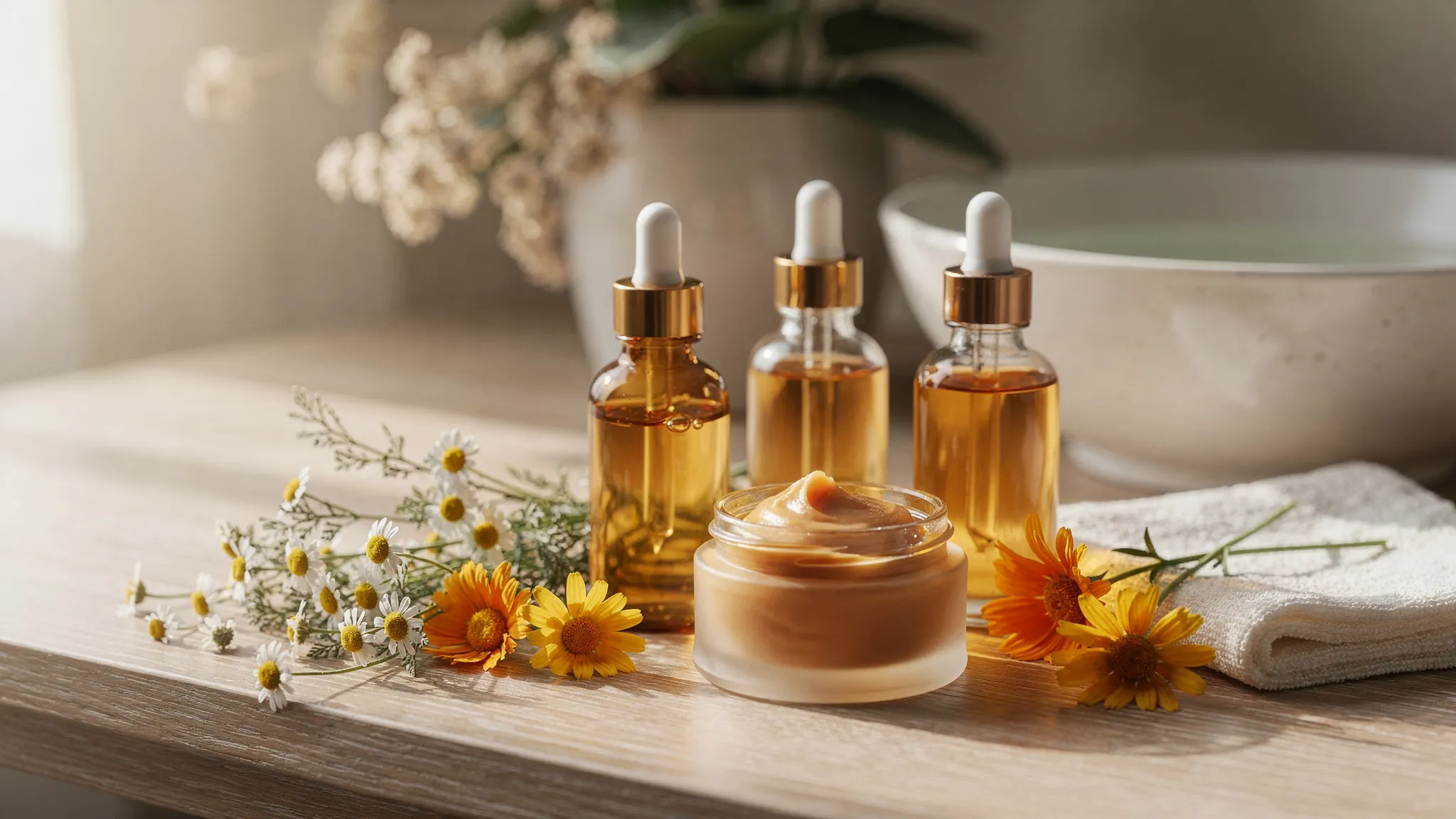
Sensitive skin is not only about what you see in the mirror. It is about what you feel: the sudden sting after cleansing, the tightness that arrives ten minutes after moisturizing, the flush that seems to come from nowhere. For reactive skin, comfort is a form of performance.
That is why well-made botanical skincare can feel so different. Not because every plant ingredient is automatically gentle, and not because “natural” is a magic word. It feels better when the formula is simple, lipid-rich, and designed to support the skin barrier instead of overpowering it.
Botanical skincare works best for sensitive skin when it gives the skin fewer reasons to panic and more of what it recognizes: oils, waxes, butters, and plant compounds that help soften, cushion, and protect.
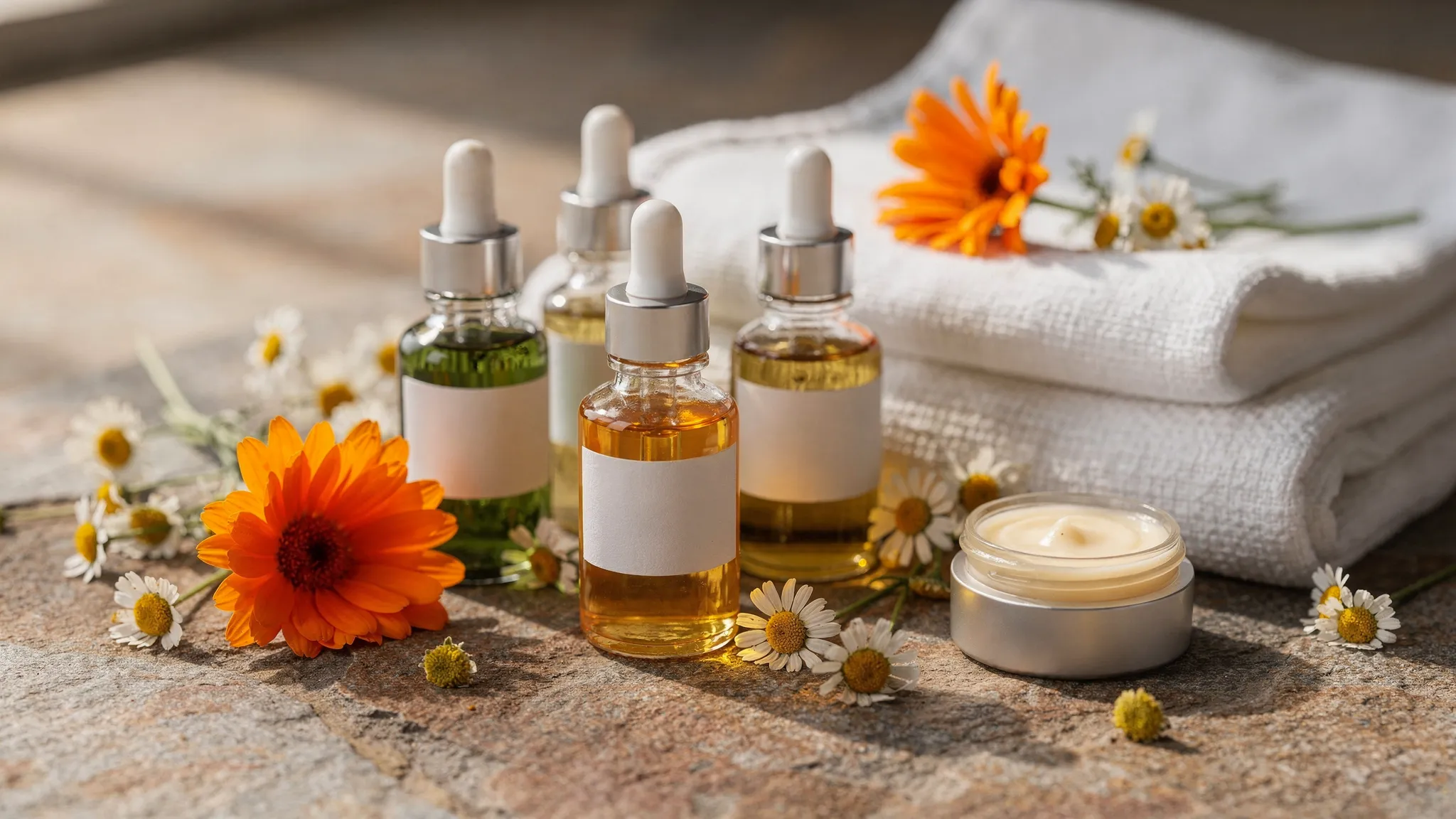
Sensitive skin is a sensation before it is a skin type
Sensitive skin can look red, dry, flaky, or irritated, but it can also look completely normal while still feeling uncomfortable. DermNet describes sensitive skin as skin that experiences unpleasant sensations such as stinging, burning, pain, itching, or tingling in response to triggers that may not bother other people.
Those triggers might include cold wind, hot water, fragrance, exfoliating acids, retinoids, harsh cleansers, stress, or even friction from a towel. The common thread is reactivity. Sensitive skin tends to have a lower tolerance threshold.
A major reason is the skin barrier. The outermost layer of your skin, the stratum corneum, acts like a protective wall. When that wall is strong, it helps keep water in and irritants out. When it is disrupted, ordinary products can suddenly feel sharp, hot, or drying.
This is where botanical skincare can shine. Plant oils and butters are rich in lipids, the same broad category of substances your barrier depends on to stay flexible and resilient. The goal is not to force the skin into submission. The goal is to help it feel safe again.
Why botanical skincare often feels more comfortable
The best botanical formulas for sensitive skin usually have three qualities: they are simple, they are barrier-supportive, and they avoid unnecessary sensory drama. In practice, that means fewer aggressive cleansing agents, fewer synthetic additives, and a more skin-cushioning texture.
Plant lipids help soften the barrier
Many botanical oils contain fatty acids, such as linoleic, oleic, palmitic, and stearic acids. These fatty acids help give oils and butters their texture, absorption rate, and skin feel. Some feel light and silky. Others feel richer and more protective.
For sensitive skin, this matters because dryness and irritation often worsen when the skin loses too much water. Moisturizers and emollients can help reduce that water loss by coating and softening the outer layer of skin. The American Academy of Dermatology recommends applying moisturizer soon after washing to help trap moisture in the skin.
Botanical oils are especially helpful when applied to slightly damp skin. The water gives hydration, while the oil helps seal and soften. This is why a few drops of facial oil can feel more comfortable than a heavy cream that disappears quickly or leaves sensitive skin tight.
If you want to go deeper into how different plant oils behave, Baby le Bébé’s guide to carrier oils for skin is a helpful place to start.
Simpler formulas give reactive skin less to process
Sensitive skin often prefers predictability. A formula with a long list of fragrance components, colorants, texture modifiers, and strong active ingredients may be elegant on paper, but it can create too many possible triggers.
Botanical skincare is not automatically minimal, but it can be. A thoughtfully made balm, oil cleanser, or body oil may rely on a short list of plant-derived ingredients instead of a crowded formula. For reactive skin, that simplicity can be the difference between “my face is burning” and “my skin feels calm.”
This is also why anhydrous formulas, meaning formulas made without water, can be appealing for sensitive skin. Oils and balms do not require the same type of preservation system as water-based products because microbes need water to grow. They still need clean handling and proper storage, but they can be a beautiful option for people trying to avoid unnecessary preservatives.
The texture feels protective, not stripping
Sensitive skin often reacts badly to the “squeaky clean” feeling. That feeling is not a sign of health. It can mean the cleanser has removed too much of the skin’s natural lipid layer.
Oil cleansers, balms, and botanical body oils offer a different sensory experience. Instead of foam, tightness, and friction, they provide slip. Instead of leaving skin bare, they leave it soft and cushioned. For many people with sensitive skin, that change in texture is what makes the routine feel better immediately.
A good botanical cleanser should remove sunscreen, makeup, and daily buildup without making the skin feel punished afterward. If cleansing is the step that usually causes stinging or tightness, explore Baby le Bébé’s guide to choosing a gentle cleanser for sensitive skin.
What “feels better” actually means for sensitive skin
Comfort is not vague. Sensitive skin gives very specific feedback. When a product is working well for your barrier, the signs are often quiet: less tightness, less heat, less itching, and a softer finish after cleansing or moisturizing.
| What you feel | What it may suggest | Botanical approach that may help |
|---|---|---|
| Tightness after washing | Cleanser may be too stripping | Try a low-foam or oil-based cleanser |
| Stinging from creams | Barrier may be compromised or formula may contain triggers | Use simpler, fragrance-conscious formulas and patch test |
| Flaking with shine | Skin may be dehydrated but still producing oil | Apply botanical oil over damp skin, not dry skin |
| Redness from friction | Skin may dislike rubbing or exfoliation | Use press-and-pat application and soft cloths |
| Dry patches that return quickly | Moisture may not be sealed in | Layer hydration first, then oil or balm |
The point is not to chase a perfectly “natural” routine. The point is to build a routine that your skin recognizes as calm.
Botanical skincare vs. conventional sensitive-skin formulas
It is important to be fair: many conventional sensitive-skin products are excellent. Some synthetic ingredients are well studied, stable, and helpful. Petroleum-based occlusives, for example, can be very effective for certain barrier needs, even though some people prefer plant-based alternatives for ingredient philosophy, texture, or environmental reasons.
The real question is not “natural versus synthetic” as a battle. The better question is: what does your skin tolerate, and what kind of formula feels good enough that you will use it consistently?
| Skincare goal | Conventional route | Botanical route | Sensitive-skin note |
|---|---|---|---|
| Cleanse | Surfactant-based gels, creams, or foams | Oil cleansers, cleansing balms, plant-based cream cleansers | Avoid stripping, high-foam cleansers if skin feels tight |
| Soften | Silicone-rich lotions or creams | Plant oils, butters, and waxes | Choose lighter oils if prone to congestion |
| Protect | Petrolatum or synthetic occlusives | Beeswax, plant waxes, shea butter, richer balms | Both can work, but texture preference matters |
| Scent | Synthetic fragrance or fragrance-free | Essential oils, hydrosols, or unscented formulas | Fragrance of any kind can bother reactive skin |
| Preserve | Preservatives in water-based formulas | Anhydrous oils and balms, or naturally preserved systems | Waterless does not mean careless, keep jars clean and dry |
Baby le Bébé’s approach fits the botanical route: 100% natural formulations, 99% organic ingredients, cruelty-free practices, and a curated apothecary of balms, oils, and cleansers made without synthetics, parabens, petroleum, preservatives, or fillers. For sensitive skin, that kind of ingredient clarity can make the daily ritual feel less like a guessing game.
How to choose botanical skincare for sensitive skin
A botanical label is only as good as the formula behind it. Sensitive skin needs discernment, not just prettier ingredient names.
Look for formulas that make sense at a glance. If the product is an oil, the first ingredients should be recognizable oils. If it is a balm, you should see butters, waxes, and plant lipids doing the work. If it is a cleanser, it should explain how it removes buildup without relying on harsh detergents.
A few practical rules help:
- Choose short, transparent ingredient lists when your skin is flaring.
- Be cautious with strong essential oil blends, even when they smell beautiful.
- Patch test new products before applying them to your whole face.
- Introduce one new product at a time so you can identify what helps or hurts.
- Store natural oils and balms away from heat, sunlight, and water contamination.
For sensitive skin, the best formula is often the one that does less, but does it beautifully.
A simple botanical ritual for calmer-feeling skin
The most comforting routine is usually not complicated. Sensitive skin often improves when the daily ritual becomes consistent, gentle, and barrier-first.
Cleanse without stripping
Use lukewarm water and a gentle cleanser that does not leave your skin squeaky. Massage softly with fingertips, then rinse or remove with a damp cloth without scrubbing. If your skin feels tight immediately after cleansing, your cleanser may be too strong.
Hydrate before you oil
Botanical oils are excellent at softening and sealing, but they do not replace water. Apply oil to slightly damp skin, or layer it over a simple hydrating step your skin already tolerates. This helps the oil lock in comfort rather than sitting on top of dryness.
Press in oil, do not rub
Warm a small amount of facial oil between your palms, then press it into the skin. This reduces friction and helps you avoid over-applying. Sensitive skin often prefers touch that is slow and minimal.
Seal vulnerable areas with balm
If you have dry patches around the mouth, cheeks, hands, or body, a balm can add a protective layer. Richer botanical balms are especially helpful in cold weather, after bathing, or anywhere the skin feels exposed.
If your skin barrier already feels compromised, read Baby le Bébé’s guide on how to repair the skin barrier before adding strong actives or exfoliants back into your routine.
When botanical skincare may not feel better
Botanical skincare can be deeply comforting, but natural ingredients can still irritate. Essential oils, citrus extracts, certain herbs, exfoliating fruit enzymes, and even some carrier oils may bother specific people.
If a product causes burning, swelling, hives, persistent redness, or worsening irritation, stop using it. If symptoms are severe, recurring, or painful, check with a board-certified dermatologist. Sensitive skin can overlap with eczema, rosacea, allergic contact dermatitis, or other conditions that need medical guidance.
Patch testing is especially important if you have a history of reactions. Apply a small amount of product to a discreet area, such as the inner arm or behind the ear, and watch for changes over 24 to 48 hours. For highly reactive skin, repeat the test before using the product on your face.
Botanical skincare feels best when it is chosen with respect for your skin’s limits.
The emotional comfort of a gentler ritual
There is another reason botanical skincare can feel better: it changes the mood of the routine. Sensitive skin care can become stressful when every new product feels like a risk. A simple oil, balm, or cleanser made with recognizable plant ingredients can make the ritual feel slower and more grounded.
That does not mean skincare has to be precious or complicated. It means the texture, scent level, ingredient list, and application method should all communicate the same message to your skin: nothing harsh, nothing rushed, nothing unnecessary.
For people with sensitive skin, that kind of quiet consistency is luxury.
Frequently Asked Questions
Is botanical skincare always better for sensitive skin? No. Botanical skincare can feel better when it is simple, well formulated, and suited to your skin, but natural ingredients can still trigger irritation. Sensitive skin should prioritize barrier support, low-friction textures, and careful patch testing.
Can plant oils make sensitive skin break out? Yes, some oils may feel too heavy or clog-prone for certain skin types. Lighter oils are often better for congestion-prone skin, while richer oils and balms may suit very dry skin. Start with a small amount and introduce only one new product at a time.
Should sensitive skin avoid essential oils? Not always, but caution is wise. Essential oils are highly concentrated and can irritate reactive skin, especially in leave-on products. If you are very sensitive, choose low-scent or unscented botanical formulas whenever possible.
Why does my skin sting even with natural products? Stinging can happen when the skin barrier is compromised, when a formula contains an ingredient you do not tolerate, or when you apply products after exfoliation, shaving, or over-cleansing. Pause actives, simplify your routine, and focus on barrier repair.
How long does it take for a botanical routine to feel better? Some comfort, such as less tightness after cleansing, can happen immediately. Barrier repair takes longer and depends on the level of irritation. Give a simple routine a few weeks, unless a product causes burning, rash, or worsening symptoms.
Bring your sensitive skin back to quiet
If your skin feels easily overwhelmed, choose care that is simple, botanical, and barrier-minded. Baby le Bébé creates 100% natural, mostly organic skincare with plant-based oils, balms, and cleansers designed for healthy, feel-good skin.
Explore the Baby le Bébé apothecary and build a ritual that feels as good as it looks: gentle cleansing, soft botanical nourishment, and a protective finish your sensitive skin can settle into.


0 comments