

You’re probably here because your skin has become a negotiation.
One bottle promises glow. Another promises balance. A third warns you away from oils entirely if you’re acne-prone, while the next swears oil is exactly what your skin needs. You turn a box over in the aisle or scroll through a product page, and suddenly you’re reading a paragraph of ingredient names that sound more like a laboratory inventory than something meant for your face.
That confusion is common. I hear it often from people who want simpler skincare but don’t want to be naïve about it. They want products that feel gentle, make sense on the skin, and don’t ask them to ignore irritation in the name of “results.”
Organic facial oils can offer that return to clarity. Not because every oil suits every person, and not because “natural” automatically means better, but because a well-made facial oil is often refreshingly honest. It has a short ingredient list. You can learn what each plant brings. You can feel the difference between a dry, balancing oil and a dense, sealing one. You can begin to choose with intention instead of impulse.
Navigating the World of Natural Skincare
A customer once came into an apothecary holding three products in her hands: a foaming cleanser that left her cheeks tight, a heavy cream that broke her out around the chin, and a serum she bought because the label said “clean” but never really understood. Her question was simple. “How do I know what my skin needs?”
That’s the right question.
Many people don’t need more products. They need a way to read skincare with confidence. Facial oils can help because they strip the conversation down to fundamentals: barrier support, moisture retention, nourishment, and texture. Instead of chasing every new claim, you learn to ask quieter, better questions. Is this oil light or rich? Is it likely to clog pores? Was it handled gently, or refined until it lost much of its character?
This interest in simpler plant-based care isn’t niche anymore. The global organic skincare market is projected to grow by $20.37 billion by 2029, and 68% of consumers prefer organic formulations, reflecting a wider shift toward plant-based products and away from synthetic-heavy routines, according to Baby le Bébé’s overview of organic face oils.
If you’ve been wondering whether it’s time to make the switch to organic and natural skincare, the better frame may be this: not a switch for the sake of trend, but a move toward understanding.
Good skincare gets easier when you stop asking what’s most popular and start asking what your skin is trying to tell you.
The best organic facial oils aren’t just the ones on a list. They’re the ones whose ingredients, texture, and purpose match your skin with quiet precision.
What Makes a Facial Oil Truly Organic and Effective
The word “organic” gets stretched in skincare. Sometimes it points to careful farming and clean processing. Sometimes it’s only a whisper on the front label, while the formula itself tells a different story.
To choose well, it helps to separate three ideas.
Natural isn’t the same as organic
A natural oil usually means it comes from a plant source. That’s a good start, but it doesn’t tell you how the plant was grown, how the oil was extracted, or what else was added afterward.
An organic oil suggests the botanical ingredient was grown with organic practices. A certified organic oil goes a step further and indicates that a recognized standard has been met. Certification isn’t the only marker of quality, but it does give you a firmer handhold.
That’s why label reading matters. Marketing language can be soft and romantic. Ingredient lists are more honest.
For a helpful companion on this point, Baby le Bébé has a useful piece on demystifying natural ingredients, safety, and efficacy in skincare.
Cold-pressed and unrefined usually mean more of the plant remains intact
Think of the difference between fresh juice and a heavily processed concentrate. Both may begin with the same fruit, but they don’t arrive with the same aroma, texture, or vitality.
Cold-pressed oils are extracted without intense heat. Unrefined oils go through less processing. In practical terms, this often means more of the oil’s natural fatty acids, scent, color, and skin-supportive compounds remain present.
A pale, deodorized oil may still function as an emollient. But a carefully pressed unrefined rosehip or argan oil often brings more character to the bottle. You can see it. You can smell it. Your skin can often feel it.
A good facial oil doesn’t need a crowded formula
One reason many people move toward facial oils is ingredient economy.
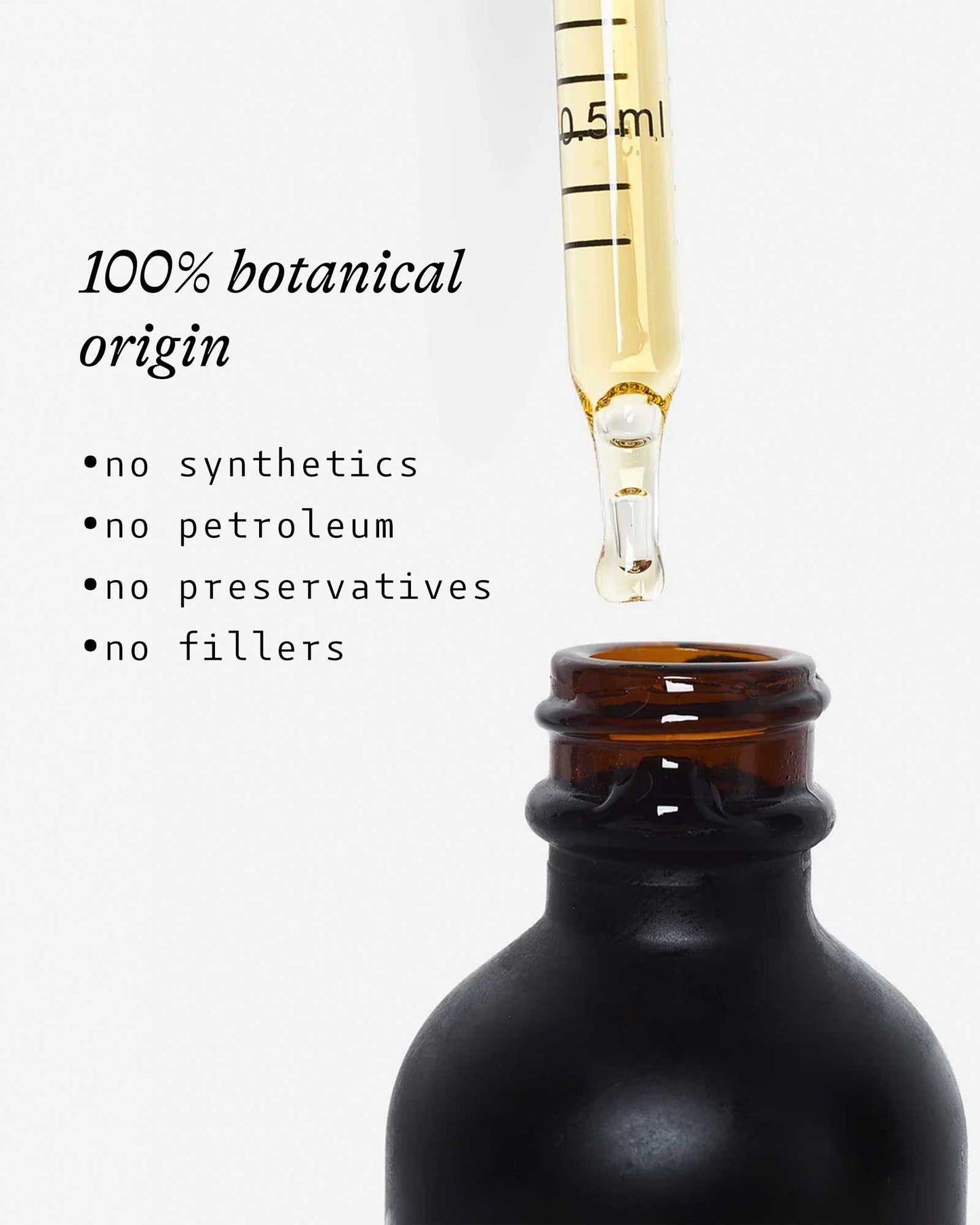
Because oils don’t contain water, they often don’t require the same preservation approach as water-based creams or gels. That doesn’t mean every oil blend is automatically perfect, but it does mean a facial oil can often be beautifully simple.
Look for formulas that make sense on paper. A short list of plant oils. Maybe a botanical extract. Nothing there just to sound advanced.
Here’s a simple quality checklist:
- Plant names you can identify: Jojoba, rosehip, argan, hemp seed, sunflower.
- Processing language with substance: Cold-pressed, unrefined, steam extracted.
- Packaging that protects the oil: Dark glass and a dispenser that limits repeated exposure to air and light.
- A clear purpose: Balancing, calming, sealing in moisture, or softening rough texture.
Purity should serve function
An effective oil isn’t “good” only because it’s organic. It’s good when the purity of the ingredient still serves a purpose on your skin.
A finely made jojoba oil should feel light and absorb without fuss. A rosehip oil should carry enough richness to support dull or mature skin without becoming suffocating. A blend for reactive skin should respect the barrier, not ask it to work harder.
A useful test: if a facial oil sounds lovely but you can’t tell what it’s meant to do, keep looking.
The best organic facial oils aren’t just pure in principle. They’re coherent in design.
The Building Blocks of the Best Oils Key Ingredients and Their Benefits
A facial oil works well when its chemistry makes sense for skin. That may sound technical, but the core idea is simple. Your skin barrier is built in part from lipids. When that barrier is strained, the right oils can help replenish what’s missing and reduce the feeling of dryness, tightness, or fragility.
Essential fatty acids are the quiet repair crew
The most useful place to begin is with essential fatty acids, often called EFAs. These include omega-3, omega-6, and omega-9. In skincare, they matter because they help support the lipid layer that keeps water from escaping too quickly.
Scientific findings summarized by Mahaanss on organic skincare oils note that a deficiency in linoleic acid is linked to 65% higher trans-epidermal water loss in atopic skin, and topical use of oils rich in these fatty acids can increase hydration by up to 40% in four weeks.
That explains why some oils seem to calm skin rather than merely coat it. They aren’t only making the surface feel smoother. They’re helping the barrier hold water more effectively.
Jojoba oil behaves differently from many people expect
Jojoba is often described as an oil, but it behaves more like a liquid wax ester. That matters because it sits in a category of its own. It tends to feel balanced rather than heavy, and it’s often a wise choice for people who say, “My skin is oily, but also somehow dehydrated.”
Because jojoba resembles skin’s own sebum more closely than many oils do, it often feels intuitive on the face. It softens without the blanket-like finish of richer oils.
Jojoba is less about drama and more about steadiness.
Rosehip oil is for skin that looks tired, marked, or thin
Rosehip has earned its place among the best organic facial oils because it brings a useful mix of fatty acids and antioxidant support. It’s often chosen for dullness, visible post-blemish marks, and the look of fine lines.
Rosehip also carries vitamin A compounds and a naturally vivid hue when minimally processed. That deeper color often signals a less stripped-down oil.
If your skin feels as though it has lost some bounce or brightness, rosehip is one of the first botanicals I’d consider.
Argan oil is elegant because it nourishes without a thick finish
Argan is a favorite for people who want softness and comfort but dislike the feeling of residue. It tends to offer a silky texture that works well across many skin moods, especially when skin feels dry from weather, over-cleansing, or a retinoid routine.
It’s often a good “middle path” oil. Not as featherlight as some balancing oils, not as dense as richer nighttime options.
Sacha inchi is worth knowing
Sacha inchi doesn’t appear on every popular list, but it deserves more attention. It’s notable for its omega profile, especially omega-3 richness among shelf-stable plant oils in the verified research. That makes it interesting for skin that needs nourishment with a calm finish.
The same verified data also notes that sacha inchi has antioxidant capacity and has been studied for inhibiting enzymes involved in the breakdown of collagen and elastin. In plain language, that means it’s an oil many people look to when they want support for firmness and resilience over time.
Some oils are chosen because they feel luxurious. Others are chosen because skin behaves better when they’re present. The best ones do both.
Antioxidants help with the visible wear of daily life
Skin doesn’t age only because time passes. It also responds to light, pollution, dryness, friction, and inflammation.
That’s where antioxidants in facial oils matter. Vitamins A, C, and E, along with plant compounds in many seed oils, help defend against the oxidative stress that can leave skin looking rough, dull, and uneven. This is part of why a thoughtfully chosen oil often leaves skin looking more rested, not just shinier.
A few ingredient examples help make this concrete:
- Rosehip oil: often chosen for dullness, the look of fine lines, and post-blemish marks.
- Argan oil: useful when skin needs elasticity support and softness without heaviness.
- Sunflower and hemp seed oils: often appreciated by reactive skin because they feel gentle and straightforward.
- Tea tree in blends: sometimes used for blemish-prone skin, though stronger aromatic oils require care.
One resource for broader routine building
If you’re trying to place facial oils inside a wider skin-supportive routine, it can help to browse curated categories such as skin renewal products, especially if your interest extends beyond oils alone and into barrier-minded care more broadly.
Ingredients work in relationships, not isolation
No oil is universally “the best.” The better question is what role it plays.
A linoleic-acid-rich oil may suit skin that clogs easily. A waxier oil may help reduce moisture loss. A more antioxidant-rich oil may be chosen when the skin looks weary or weathered.
Here’s a simple way to think about the building blocks:
| Ingredient type | Why it matters | Common examples |
|---|---|---|
| Essential fatty acids | Support the lipid barrier and reduce water loss | Rosehip, argan, hemp seed, sunflower |
| Sebum-like texture | Helps skin feel balanced, not overloaded | Jojoba |
| Antioxidant-rich botanicals | Help defend against visible stress and dullness | Rosehip, argan, sacha inchi |
| Calming seed oils | Often chosen for reactive or sensitized skin | Hemp seed, sunflower, pumpkin seed |
When you understand that framework, ingredient lists become less mysterious. You stop buying oils because they’re fashionable and start choosing them because their structure suits your skin.
How to Choose an Organic Facial Oil for Your Skin Type
Most confusion around facial oils comes from a single myth: that oils are all basically the same. They aren’t.
Texture, fatty acid profile, and comedogenic rating all change how an oil behaves. A rich oil that comforts very dry cheeks may feel suffocating on a congested T-zone. A balancing oil that calms breakouts may feel too slight for a wind-chapped complexion in winter.
The comedogenic scale helps here. Verified guidance from Organically Becca’s discussion of facial oil benefits notes that low-comedogenic oils such as argan (0), hemp seed (0), and rosehip (1) are often excellent choices because they help balance sebum without clogging pores, while coconut oil (4) can trap bacteria and worsen breakouts.

Read the scale, then read your skin
A low number on the comedogenic scale doesn’t guarantee perfection, but it’s a useful starting point. Think of it as a map, not a verdict.
If your skin clogs easily, stay toward the lower end. If your skin is dry and rarely breaks out, you may tolerate somewhat richer oils without trouble.
Organic Facial Oil Cheat Sheet by Skin Type
| Skin Type | Top Oil Recommendations | Key Benefit | Comedogenic Rating (0-5) |
|---|---|---|---|
| Oily or acne-prone | Argan, hemp seed, rosehip, jojoba | Balances sebum and hydrates with lower clogging risk | Argan 0, Hemp seed 0, Rosehip 1, Jojoba 2 |
| Dry or dehydrated | Argan, avocado, sweet almond, jojoba | Softens roughness and helps reduce moisture loss | Argan 0, Avocado 2, Sweet almond 2, Jojoba 2 |
| Sensitive or reactive | Sunflower seed, hemp seed, rosehip, black cumin seed | Supports the barrier and feels gentler on stressed skin | Sunflower 0, Hemp seed 0, Rosehip 1, Black cumin seed 0-1 |
| Combination | Jojoba, grapeseed, rosehip, pumpkin seed | Gives slip and hydration without feeling too heavy | Jojoba 2, Grapeseed 2, Rosehip 1, Pumpkin seed 2 |
| Mature | Rosehip, argan, sea buckthorn, prickly pear | Nourishes and supports elasticity and radiance | Rosehip 1, Argan 0, Sea buckthorn 1, Prickly pear 1-2 |
If your skin is oily or acne-prone
Many people in this group avoid oils out of habit. Often, that leaves them over-cleansing and under-supporting the barrier.
Look for oils with lower comedogenic ratings and a lighter feel. Argan, hemp seed, and rosehip are common starting points. Jojoba also works well for many people because of its sebum-like character.
Avoid assuming that “drying out” blemishes is the goal. Congested skin usually behaves better when it feels balanced, not punished.
If you’re acne-prone, choose oils with restraint in mind. Lightweight, low-comedogenic, and simple usually beats rich and trendy.
If your skin is dry or dehydrated
Dry skin lacks oil. Dehydrated skin lacks water. Many people have both.
In this case, choose oils that soften and seal. Argan is a strong all-rounder. Avocado and sweet almond can be useful if your skin likes a richer finish. Jojoba is helpful when you want comfort without a heavy film.
The key is to apply oil over hydration, not onto a parched face and hope for a miracle. Oil locks in. It doesn’t replace water.
If your skin is sensitive or reactive
Reactive skin often does best with fewer ingredients and less fragrance. This is where simple seed oils can shine.
Sunflower seed oil, hemp seed oil, and rosehip are often good places to begin. Black cumin seed oil may also appeal to those looking for a more purifying profile while still staying in the low-comedogenic range.
For this group, patch testing matters more than trends.
If your skin is combination
Combination skin likes balance. You may be oily through the center of the face and dry at the edges, or your skin may shift by season.
That’s where medium-light oils often do well. Jojoba is especially versatile. Grapeseed gives a lighter finish. Rosehip can support radiance while staying relatively comfortable for mixed skin.
Some people even use different oils on different areas. There’s nothing improper about that. Your forehead and cheeks don’t have to live by the same rules.
If your skin is mature
Mature skin often benefits from oils that bring both nourishment and antioxidant support.
Rosehip is a natural choice here. Verified data also notes that rosehip reduced wrinkle depth by 23% after 8 weeks in topical use, tied to its vitamin A activity and collagen support, as described in the earlier verified dataset. Argan, sea buckthorn, and prickly pear are also appealing when skin looks thinner, drier, or less luminous.
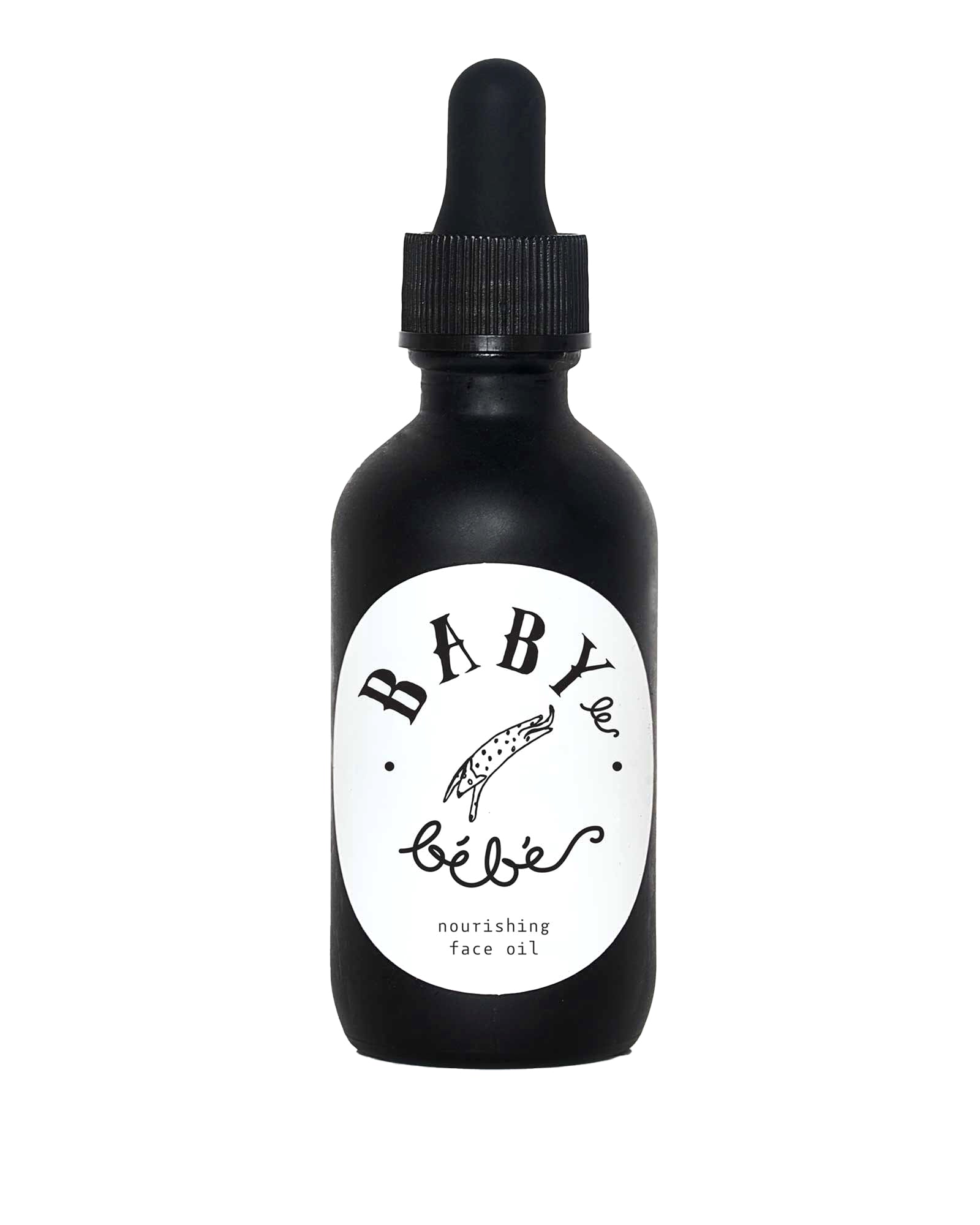
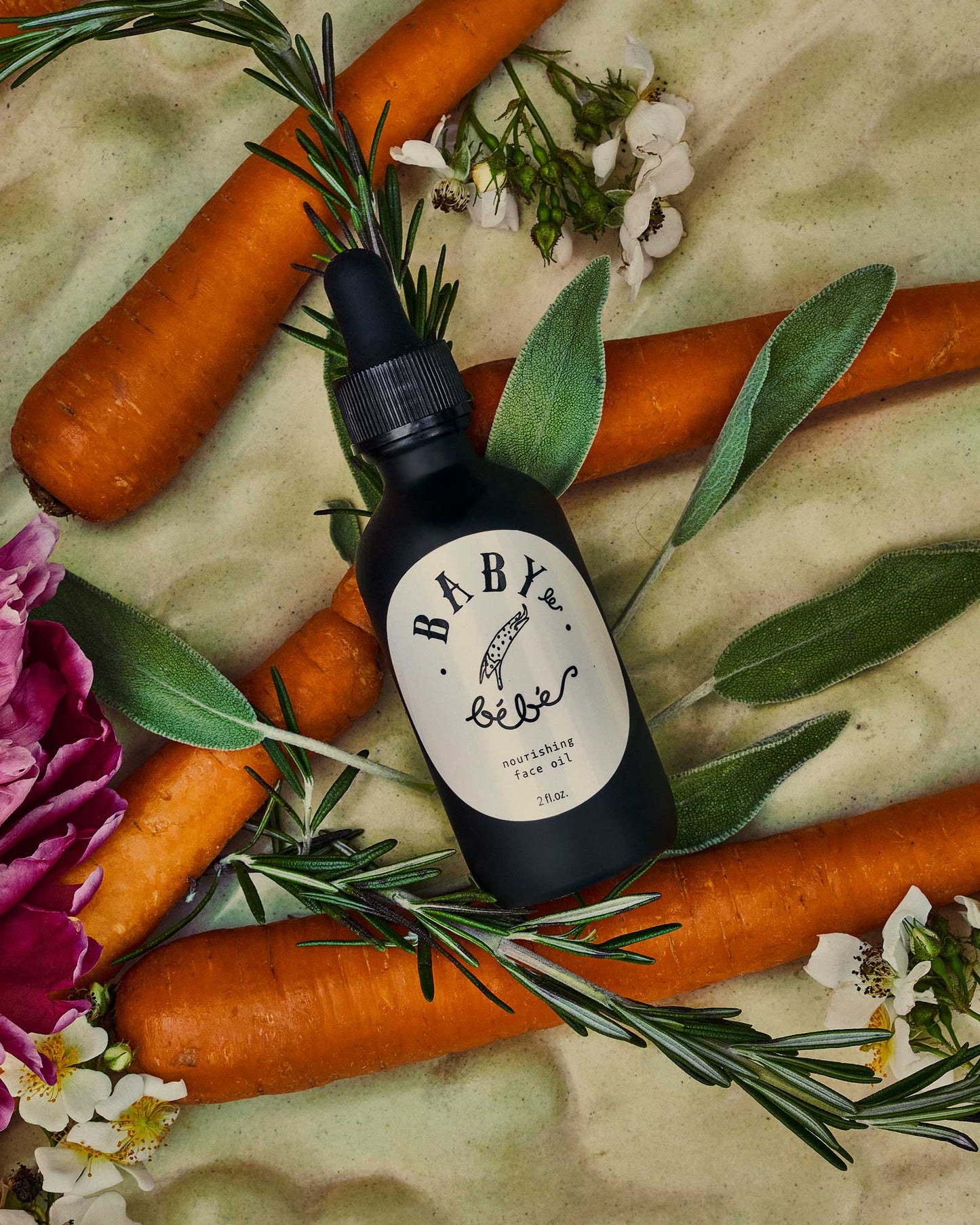
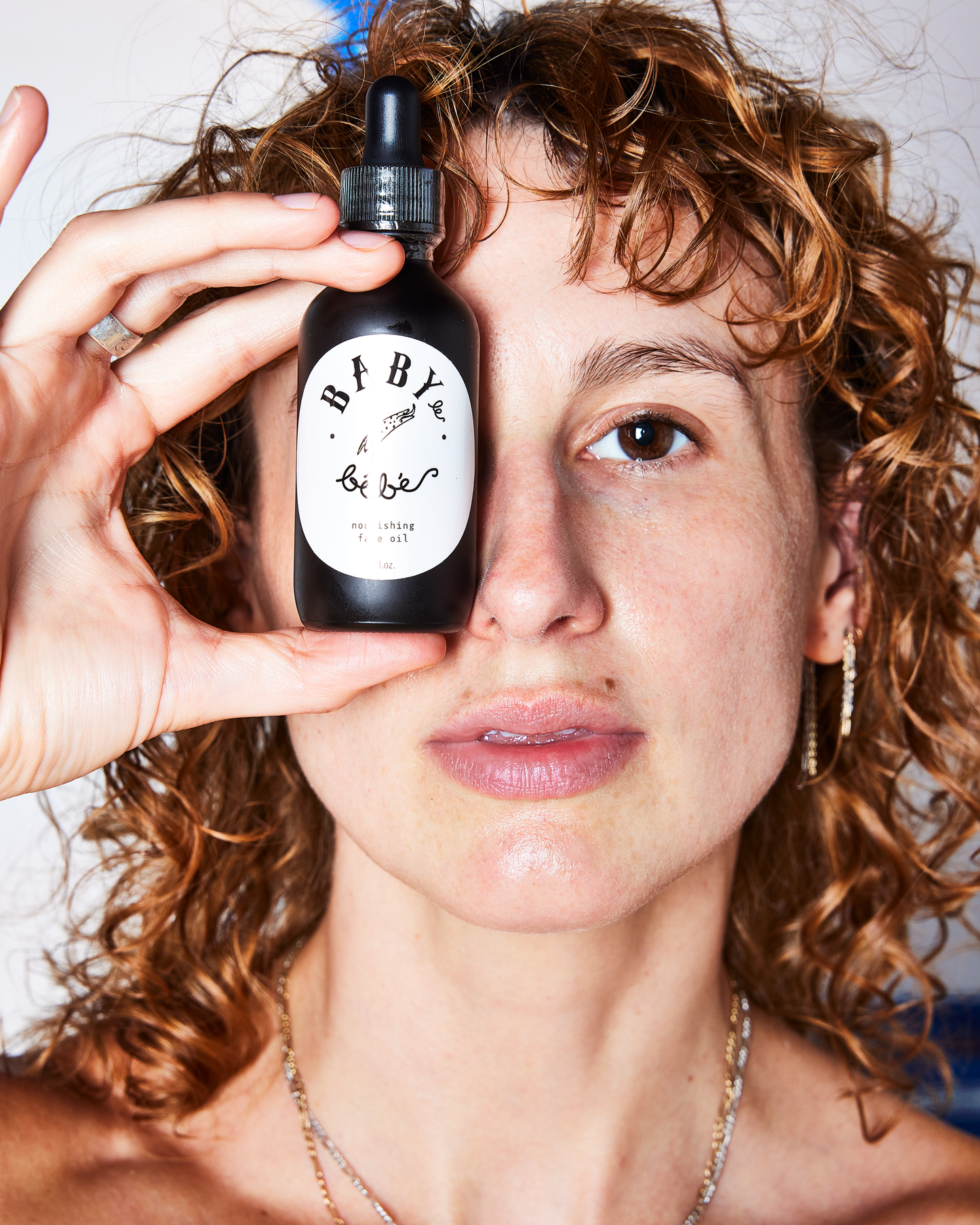
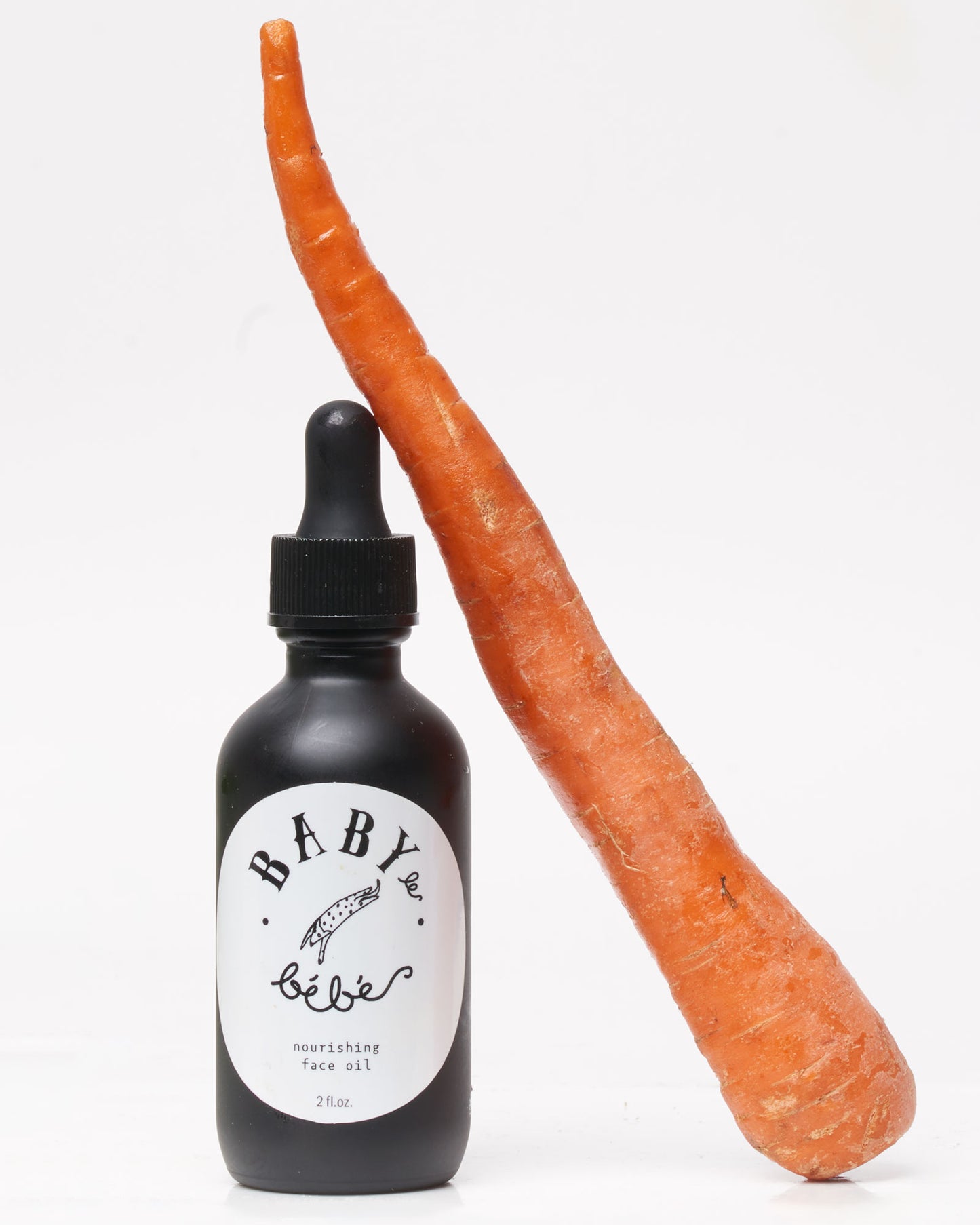
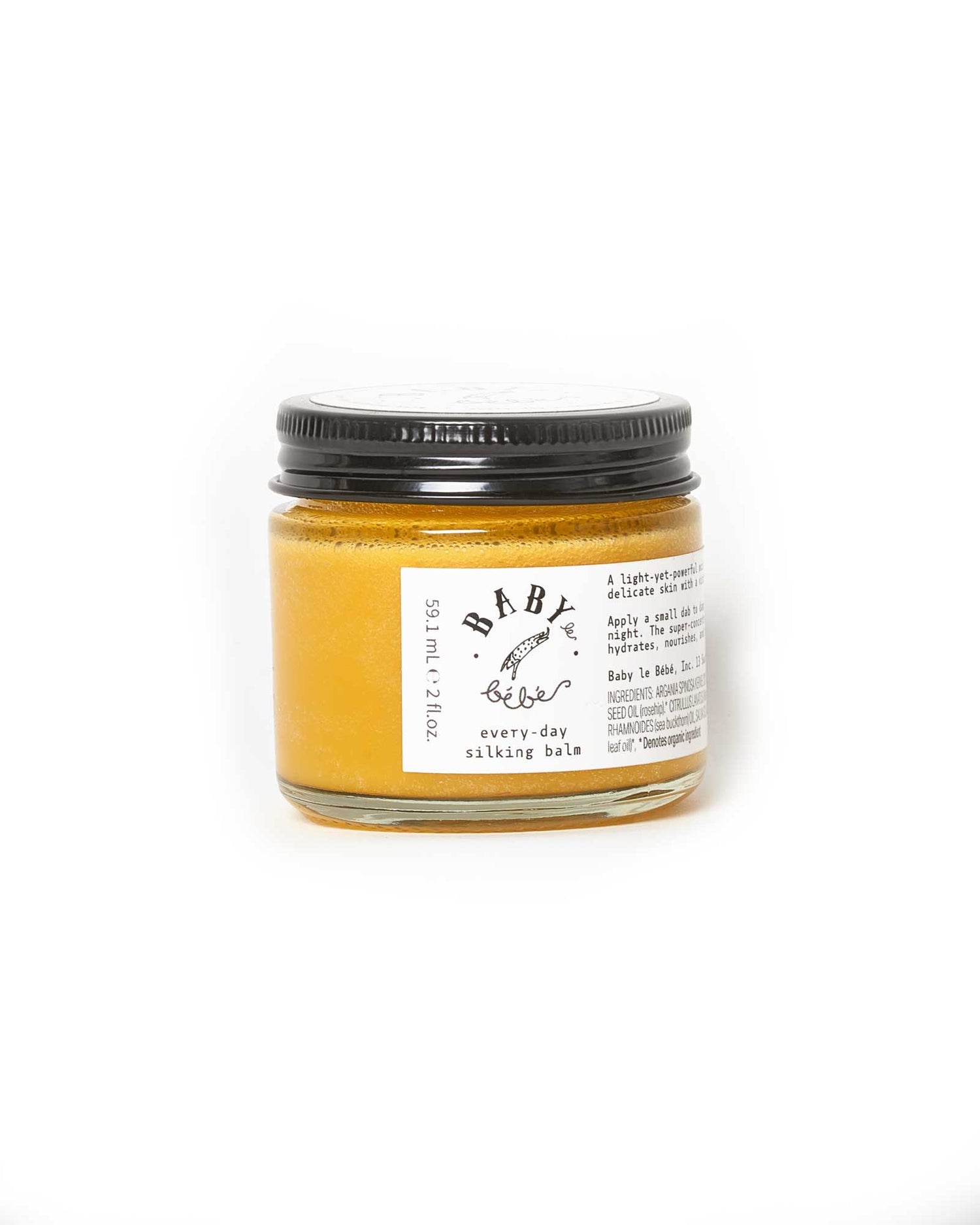
One practical option in this category is Baby le Bébé Nourishing Face Oil, which the brand describes as a blend of botanical, cold-pressed and steam-extracted oils made with organic ingredients. That sort of formula structure can suit readers who want a multi-oil blend rather than choosing a single carrier oil.
A few useful mistakes to avoid
- Choosing by hype alone: An expensive oil can still be wrong for your skin.
- Using too much: More oil doesn’t mean more nourishment. It often just means residue.
- Ignoring climate: A summer oil and a winter oil don’t always need to be the same.
- Fearing all oil because of one bad experience: Often the issue was the wrong oil, not oil itself.
The best organic facial oils become much easier to choose once you stop asking for one universal answer and start choosing by skin behavior.
The Ritual of Application Using Facial Oils for Maximum Benefit
Application changes everything. A beautiful oil can feel disappointing if it’s used in the wrong amount, at the wrong moment, or on skin that hasn’t been prepared for it.
Start with damp skin
Facial oil doesn’t create water in the skin. It helps hold onto it.
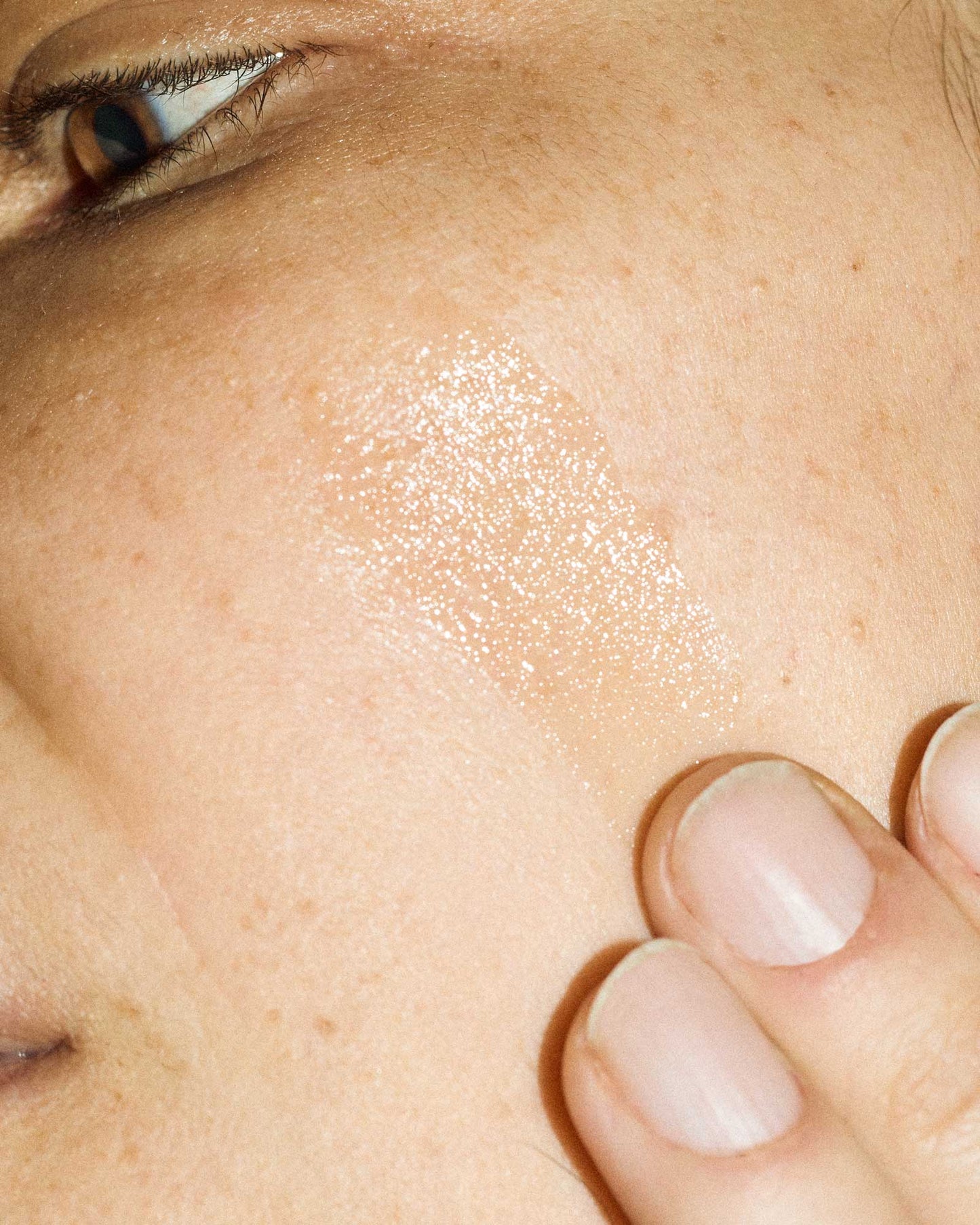
That’s why the loveliest moment to apply oil is after cleansing or after a hydrating layer, when the skin is still slightly damp. This gives the oil something to seal in and helps it spread more evenly with less product.
If you’d like a brand-specific walkthrough, Baby le Bébé offers a practical guide on how to use facial oil.
Use less than you think
Most faces need only a few drops.
Warm the oil between your palms first. Then press it into the skin rather than rubbing aggressively. Pressing helps distribute the oil while being kinder to skin that’s inflamed, thin, or freshly exfoliated.
Here’s a simple ritual:
- Cleanse gently: Remove sunscreen, makeup, and the day without stripping.
- Leave a little moisture behind: Don’t wait until your face feels tight.
- Dispense a small amount: Usually just a few drops.
- Press and pat: Begin at the cheeks, then move to forehead and chin.
- Pause: Give the oil a minute before adding anything else.
Small ritual, big difference: facial oil should feel like a finish, not a coating.
Where oil fits in your routine
People often ask whether oil goes before or after moisturizer. In many routines, oil works best as the last step or near the last step, especially if your moisturizer is lighter and water-based.
If your cream is rich and occlusive, you may prefer the oil before it. The answer depends on texture. The broader rule is simple: thinner products usually go first, thicker or more sealing ones later.
A visual demonstration can help if you’re more of a watch-and-follow learner.
Turn application into a brief massage
You don’t need an elaborate facial massage routine. A few slow strokes are enough.
Try pressing the oil along the jaw, gliding lightly from the sides of the nose outward across the cheeks, then smoothing from the center of the forehead toward the temples. Keep pressure gentle. The goal is comfort, not sculpting theatrics.
Routine affects consistency. When a step feels soothing, people keep doing it. And with facial oils, consistency is often where the primary benefit appears.
Decoding the Label Green Flags and Red Flags in Organic Skincare
A label can either steady you or mislead you.
The front of the bottle usually sells a mood. The back of the bottle tells the truth. If you want to choose among the best organic facial oils without relying on someone else’s ranking, label literacy is the skill that gives you freedom.
Green flags worth noticing
A good label usually feels calm. It doesn’t try to impress you with excess.
Look for these signs:
- A short ingredient list: Especially for a single-oil product or a simple blend.
- Recognizable botanical names: You should be able to identify the main oils.
- Processing language with meaning: Cold-pressed and unrefined suggest gentler handling.
- Clear intent: The formula should tell you whether it aims to balance, soften, soothe, or seal.
- Protective packaging: Dark glass and well-designed droppers help preserve freshness.
Red flags that deserve caution
Not every “natural” product is thoughtfully made.
Be wary when you see:
- Fragrance or parfum: Especially if your skin is reactive.
- Long lists of extras: If a facial oil contains many decorative ingredients, ask why.
- Mineral oil or silicone-heavy design: Some people tolerate them, but they move the product away from a botanical-apothecary style formula.
- Vague marketing language: “Clean,” “green,” or “pure” without ingredient clarity isn’t enough.
The nuanced question of beeswax
Many shoppers now look first for vegan formulas. That preference makes sense, especially for people who want plant-only skincare.
Still, there’s a more nuanced category worth understanding. Verified market data summarized by Healtsy’s review of organic face oils notes a 28% rise in sales for beeswax-blend facial oils in 2025, alongside fewer irritation reports in sensitive skin trials than some fully vegan oils.
That doesn’t mean beeswax is automatically better. It means there are cases, especially in reactive skin, where an ethically sourced beeswax blend may offer a more comforting semi-occlusive finish than an all-plant formula alone.
Some people need a formula philosophy that is strictly vegan. Others need the quiet protection of a barrier-supportive occlusive. The right choice is the one that aligns with both your skin and your values.
Read for function, not ideology alone
A label should answer practical questions.
Is this mostly a lightweight seed oil? Is there an occlusive component? Is this likely to feel breathable or dense? Would this suit skin that flares easily?
When you read labels this way, you stop being swayed by the prettiest bottle. You begin shopping like an herbalist. Not suspicious of everything, but attentive to what each ingredient is doing there.
Frequently Asked Questions About Organic Facial Oils
Will facial oil make my oily skin greasier?
Not necessarily. The issue is usually the type of oil and the amount used.
Oily skin often does well with lighter, lower-comedogenic oils such as argan, hemp seed, rosehip, or jojoba. A few drops pressed into damp skin can feel balancing rather than greasy.
Can I use facial oil if I have acne?
Yes, many people with acne can. The key is choosing low-comedogenic oils and keeping the formula simple.
Patch test first. If your skin is inflamed or you’re using active treatments, introduce one oil at a time so you can tell how your skin responds.
Should I apply oil before or after moisturizer?
Usually after lighter hydrating products, because oil helps seal them in.
If your moisturizer is very rich, you may prefer oil before it. Let texture guide you. Thinner first, heavier later is a reliable rule.
How many drops should I use?
Start small.
Two or three drops is often enough for the whole face. If your skin still feels tight, add one more drop next time rather than flooding the skin all at once.
Can I use facial oil every day?
Many people can, especially at night.
Some use oil morning and evening. Others reserve it for colder months, retinoid nights, or periods when the skin feels stressed. Daily use is fine if the oil suits your skin.
How should I store my oil?
Keep it tightly closed, away from direct heat and strong light.
A cool cupboard is usually better than a sunny bathroom shelf. If an oil smells sharp, stale, or noticeably different over time, it may no longer be fresh.
Do I need a blend, or is one single oil enough?
Either can work.
A single oil is easier for learning your skin. A blend can be useful if you want several qualities at once, such as barrier support, a lighter finish, and antioxidant content in one bottle.
Should I patch test even if the oil is organic?
Yes.
Organic speaks to sourcing and processing. It doesn’t guarantee universal tolerance. Skin can still react to botanical ingredients, especially if it’s already sensitized.
Your Path to Mindful Skincare
The best organic facial oils aren’t magic bottles waiting to rescue you. They’re tools. Beautiful ones, often, but still tools.
What changes your skin over time is the combination of good ingredients, thoughtful use, and attention. When you know how to read a label, understand an oil’s texture, and match ingredients to your skin’s real behavior, skincare becomes quieter. Less reactive. More grounded.
That’s the apothecary way of approaching the face. Start with what’s needed. Choose plants with purpose. Keep the ritual simple enough that you’ll return to it.
Mindful skincare doesn’t ask you to buy everything. It asks you to notice. The tightness after cleansing. The shine that comes from imbalance, not health. The comfort that arrives when your barrier is finally supported.
Choose slowly. Patch test. Let your skin answer.
If you’d like to explore botanical skincare made for daily rituals, visit Baby le Bébé. Their Catskills apothecary approach centers on natural, preservative-free formulas, gentle education, and thoughtful oils and balms designed to support calm, resilient skin.