

Shopping for natural and organic skin care products should feel simple, but the beauty aisle often makes it harder than it needs to be. One label says “clean.” Another says “plant-based.” A third says “organic-inspired,” which sounds lovely, but may not mean much at all.
The good news is that you do not need to become a cosmetic chemist to shop wisely. You just need a clear framework: understand the label language, read the ingredient list, match the formula to your skin, and choose brands that are transparent about sourcing, safety, and ethics.
This guide walks you through exactly how to shop natural and organic skin care products with confidence, whether you are buying a face oil, cleanser, balm, body oil, or a full daily ritual.
First, know what “natural” and “organic” actually mean
In skincare, “natural” and “organic” are often used together, but they are not the same claim.
“Natural” generally suggests that ingredients come from plant, mineral, or other naturally occurring sources. However, in the United States, the term is not tightly defined for cosmetics in the way many shoppers assume. That means a product can use the word “natural” while still containing synthetic fragrance, petrochemical fillers, or a very small percentage of botanical ingredients.
“Organic” has a more specific meaning when it refers to agricultural ingredients. The FDA explains that organic cosmetics may be regulated by the USDA when they contain agricultural materials and make organic claims. The USDA Organic label is one of the clearest signals that ingredients were grown and processed according to organic standards.
Here is the practical difference when you are shopping:
| Label term | What it usually suggests | What to verify before buying |
|---|---|---|
| Natural | Ingredients are derived from nature | Full ingredient list, not just front-label claims |
| Organic | Agricultural ingredients meet organic standards | Certification or percentage of organic ingredients |
| 100% organic | All qualifying ingredients are organic | USDA or equivalent certification details |
| Made with organic ingredients | Some ingredients are organic | Which ingredients and what percentage |
| Clean | Brand-defined term, not a universal standard | Ingredient exclusions, transparency, and formulation philosophy |
| Plant-based | Uses botanical ingredients | Whether animal-derived or synthetic ingredients are also present |
| Cruelty-free | Not tested on animals | Certification or clear brand policy |
A trustworthy brand will not rely only on beautiful language. It will tell you what is in the product, why each ingredient is there, and how the formula supports skin.
Read the ingredient list, not just the front label
The front of a skincare product is marketing. The ingredient list is where the truth lives.
Cosmetic ingredients are usually listed in descending order of concentration, with the highest-concentration ingredients appearing first. For natural and organic skin care products, this matters because a product may advertise one botanical extract while the formula is mostly water, silicones, or synthetic fragrance.
Look for recognizable botanical bases near the top of the ingredient list, such as plant oils, butters, waxes, hydrosols, herbal extracts, and naturally derived antioxidants. For oil-based products, the first ingredients often reveal the product’s texture, richness, and suitability for your skin type.
A short ingredient list is not automatically better, but it can be a sign of focus. What matters most is that every ingredient has a purpose.
Green flags on a skincare label
Strong natural and organic formulas often include ingredients that support the skin barrier, soften texture, and reduce moisture loss. Depending on the product type, you may see botanical oils like jojoba, sunflower, argan, rosehip, olive, or avocado, plus butters such as shea or cocoa. Balms may include beeswax or plant waxes to seal in moisture.
For sensitive skin, simple formulas with calming botanicals and low-fragrance profiles are often easier to tolerate. If you are new to oils, our guide to carrier oils for skin is a helpful next read because it explains how different oils behave on dry, oily, sensitive, and combination skin.
Red flags to pause on
Not every synthetic ingredient is automatically harmful, and not every natural ingredient is automatically gentle. Still, if your goal is a truly natural and organic routine, it makes sense to be cautious with certain categories.
Common ingredients to evaluate carefully include undisclosed “fragrance” or “parfum,” petroleum-derived fillers, mineral oil, parabens, phthalates, harsh sulfates, drying alcohols, and unnecessary colorants. Strong essential oil blends can also be irritating for some people, especially if your skin is reactive, rosacea-prone, or compromised.
If a product claims to be natural but does not disclose a full ingredient list, that is a reason to keep looking.
Match the product to your skin type
The best natural product is not the one with the prettiest jar or the longest list of botanicals. It is the one your skin can actually use.
Skin type matters because plant oils and natural butters vary widely in texture, fatty acid profile, absorption rate, and occlusiveness. A rich balm that feels wonderful on very dry skin may feel too heavy for an oily face. A lightweight oil that suits combination skin may not be enough for cracked winter hands.
Use this table as a starting point:
| Skin type or concern | What to look for | What to avoid or use carefully |
|---|---|---|
| Dry skin | Rich oils, butters, balms, barrier-supporting lipids | Foaming cleansers, drying alcohols, under-layering hydration |
| Oily or breakout-prone skin | Lightweight oils, simple cleansers, non-heavy textures | Very rich butters on congested areas, highly comedogenic oils |
| Sensitive skin | Minimal formulas, calming botanicals, low or no scent | Strong essential oils, fragrance blends, too many actives at once |
| Mature skin | Antioxidant-rich oils, nourishing balms, gentle cleansing | Stripping products that weaken the barrier |
| Body dryness | Body oils, bath oils, balms for elbows, knees, and hands | Synthetic fragrance-heavy lotions if you are reactive |
| Baby or family use | Very gentle, simple, fragrance-conscious formulas | Strong essential oils, unnecessary actives, aggressive exfoliants |
If your skin is sensitive or unpredictable, patch testing is not optional. Apply a small amount of the product to a discreet area, such as the inner arm or behind the ear, and observe for 24 to 48 hours. This is especially important with essential oils, herbal extracts, exfoliants, and products for babies or children.
Understand formula types before you buy
A cleanser, oil, balm, cream, and serum can all be “natural,” but they do very different jobs.
A natural cleanser should remove buildup without leaving skin tight or squeaky. Oil cleansers and balm cleansers can be especially helpful for dry or sensitive skin because they dissolve makeup, sunscreen, and excess sebum while respecting the skin’s lipid barrier. If cleansing is your main concern, our guide to choosing the best organic face cleanser goes deeper into label reading and texture.
Facial oils and body oils are lipid-based products. They soften skin, help reduce water loss, and support the barrier, especially when applied to damp skin. They are not the same as water-based hydrators, so they work best when paired with moisture already on the skin.
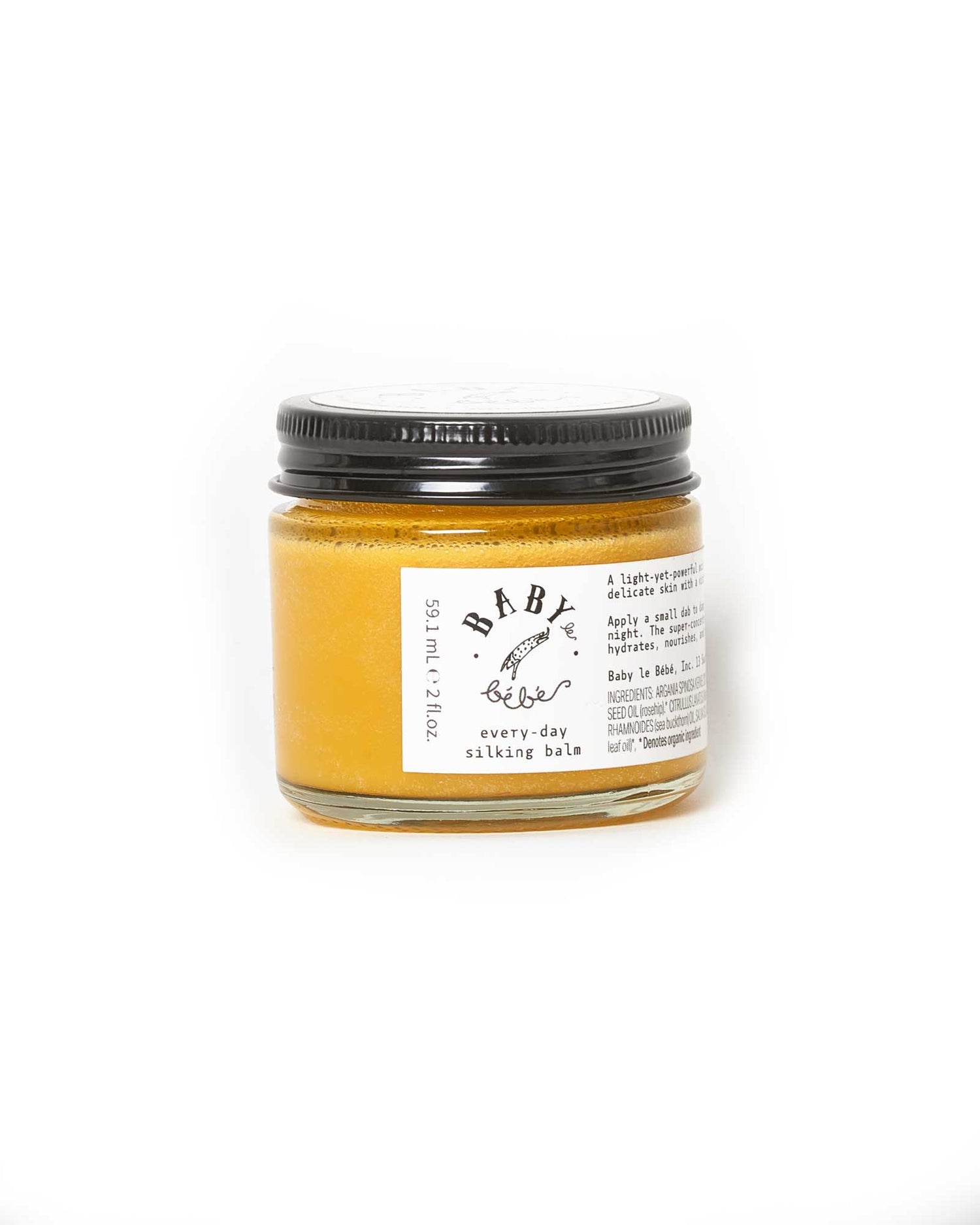
Balms are richer and more occlusive. They are ideal when skin needs a protective layer, such as during winter, after washing hands repeatedly, or on dry patches. A balm does not need to be complicated to be effective. Often, a thoughtful blend of botanical oils, butters, and waxes is enough.
Creams and lotions are emulsions, meaning they contain both water and oil. Because water can support microbial growth, most water-based products require preservatives. Preservatives are not inherently bad, but if you are specifically shopping preservative-free, you need to understand whether the formula is waterless or otherwise safely designed. For a deeper explanation, read our guide to preservative-free skincare.
Look for quality markers that actually matter
Luxury skincare is not defined by heavy glass, gold lettering, or a high price. In natural skincare, true quality usually comes down to freshness, sourcing, formulation integrity, and transparency.
Cold-pressed and unrefined oils often retain more of their naturally occurring nutrients, though they may have stronger color or scent. Organic sourcing can reduce exposure to certain agricultural chemicals and support farming practices that align with a more earth-conscious routine. Small-batch production can also be valuable when a brand is working with delicate botanical ingredients, because freshness matters.
Packaging matters too. Natural oils are vulnerable to oxidation from light, heat, and air. Dark glass, air-conscious dispensing, and clear storage instructions are all signs that the brand understands the product’s stability.
When you are comparing products, ask yourself:
- Does the brand explain why the ingredients were chosen?
- Is the full ingredient list easy to find before checkout?
- Are organic percentages or certifications stated clearly?
- Does the product make realistic claims rather than miracle promises?
- Are storage, shelf life, and usage instructions included?
- Is the brand transparent about animal testing and animal-derived ingredients?
These questions help separate genuine natural skincare from greenwashed products that borrow the language of nature without the substance.
Do not confuse “natural” with automatically safe
This is one of the most important rules of shopping natural skincare: natural ingredients can be powerful.
Essential oils, exfoliating fruit enzymes, clay masks, herbal extracts, and concentrated botanical actives can all affect the skin. For some people, they are helpful. For others, especially those with eczema, rosacea, allergies, or a damaged barrier, they can be too much.
If your skin stings often, flushes easily, or reacts to new products, start with the simplest possible routine. Choose a gentle cleanser, a nourishing oil or moisturizer, and a protective balm if needed. Add only one new product at a time, and give your skin at least one to two weeks before introducing another.
A good natural routine should make your skin feel comfortable, resilient, and balanced. If a product causes burning, persistent redness, swelling, or itching, stop using it. When symptoms are severe, recurring, or connected to a medical condition, consult a dermatologist.
Verify cruelty-free, vegan, and beeswax claims
Natural and organic skin care products often overlap with ethical skincare, but the claims are different.
Cruelty-free means a product or brand does not test on animals, though standards can vary. A certification from organizations such as Leaping Bunny can help verify the claim. Vegan means the product contains no animal-derived ingredients. A product can be cruelty-free but not vegan if it contains beeswax, honey, lanolin, or milk-derived ingredients.
Beeswax is a good example of why nuance matters. Some shoppers avoid it completely because they want fully vegan formulas. Others prefer responsibly sourced beeswax because it creates a breathable protective barrier in balms. Neither choice is wrong. The key is transparency, so you can choose according to your values.
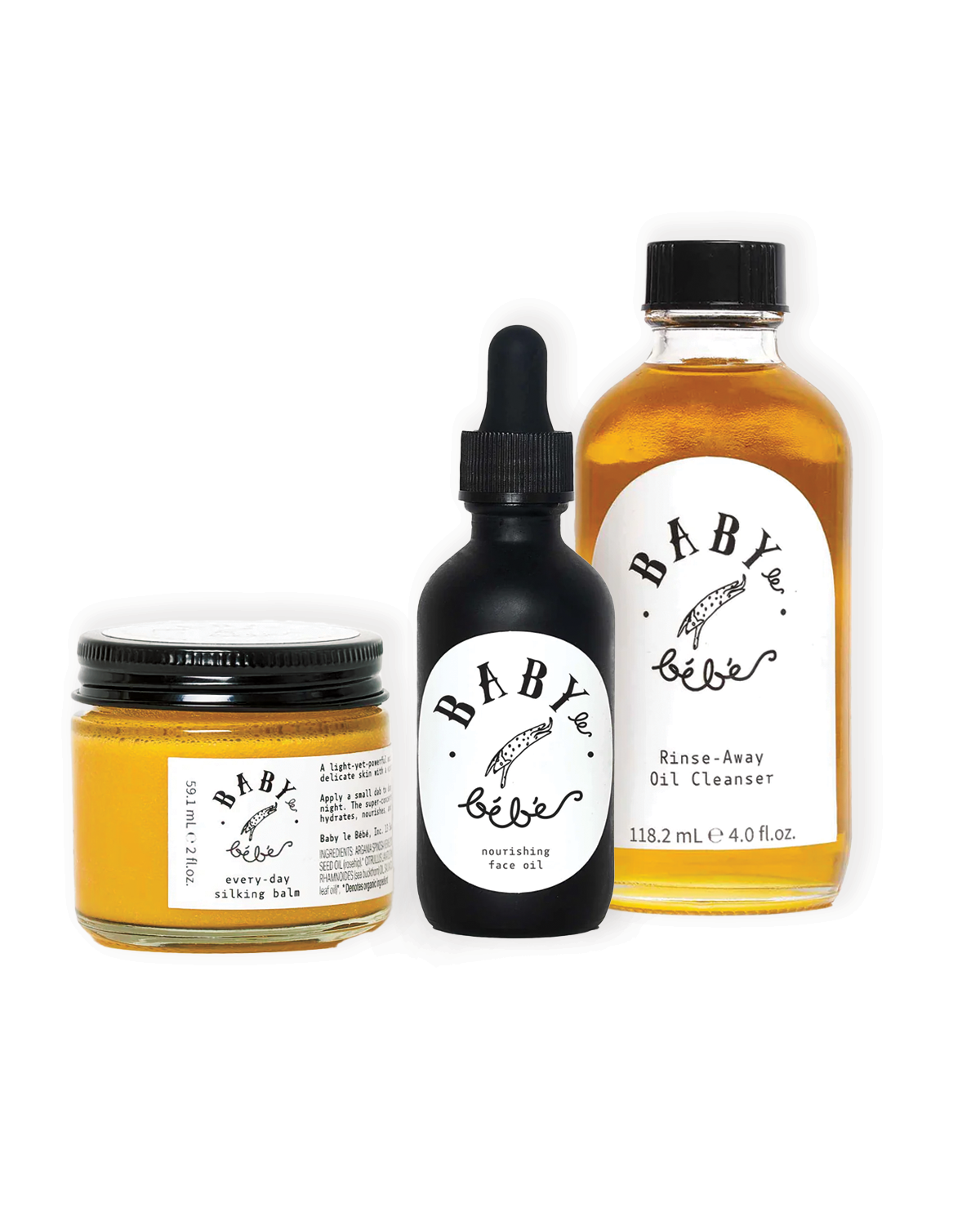
Baby le Bébé offers both vegan and beeswax options, which makes it easier to choose products that fit your preferences without compromising on a natural, botanical approach.
Build a simple shopping process
A clear process prevents impulse buys and helps you avoid overcrowding your routine. Before adding a product to your cart, move through these five checks.
- Define the job: Decide whether you need cleansing, hydration support, barrier protection, body moisture, lip care, or a targeted treatment.
- Check the ingredient base: Look at the first five ingredients to understand what the formula is mostly made from.
- Match the texture to your skin: Lightweight oils suit some faces, rich balms suit dry patches, and gentle cleansers suit nearly everyone.
- Verify the claims: Look for organic percentages, certification details, cruelty-free policies, and full transparency.
- Plan the introduction: Patch test first, then introduce one product at a time so you can identify what works.
This approach is especially helpful if you are switching from conventional skincare to a more natural ritual. You do not need to replace everything overnight. In fact, your skin may do better if you transition gradually.
Start with the product that touches your skin most often, such as cleanser or body moisturizer. Then replace products as they run out. This “one-in, one-out” approach is less wasteful and makes it easier to track your skin’s response.
Shop by ritual, not by trend
Skincare trends change constantly, but your skin’s basic needs are steady: gentle cleansing, hydration, lipid support, and protection.
A natural routine does not need ten steps. For many people, a simple ritual is more effective because it reduces irritation and helps you stay consistent. A morning routine might include a gentle cleanse or rinse, a hydrating layer if desired, a few drops of facial oil, and sunscreen. An evening routine might focus on cleansing thoroughly and sealing in moisture with an oil or balm.
For the body, apply oil after bathing while skin is still slightly damp. This helps trap water on the skin’s surface and leaves the body feeling softer without relying on synthetic fillers. If you are shopping specifically for body care, this guide to the best organic body oil can help you compare oils and application methods.
The goal is not to own more products. The goal is to own the right products.
How Baby le Bébé approaches natural and organic skincare
Baby le Bébé’s apothecary is built for shoppers who want skincare that feels luxurious without relying on synthetics, petroleum, preservatives, or fillers. The brand focuses on 100% natural formulations, 99% organic ingredients, cruelty-free practices, and botanical ingredients chosen for healthy, feel-good skin.
The curated selection includes balms, oils, and cleansers designed to support simple rituals rather than complicated routines. Because the brand also offers educational skincare resources, shoppers can learn how ingredients work before deciding what belongs on their skin.
That kind of transparency matters. When a brand helps you understand the formula, not just desire the product, you can shop with more confidence.
Frequently Asked Questions
Are natural and organic skin care products better for sensitive skin? They can be, especially when formulas are simple, fragrance-conscious, and barrier-supportive. However, natural ingredients can still irritate sensitive skin, so patch testing is important.
How can I tell if a skincare product is really organic? Look for a recognized certification, a clearly stated percentage of organic ingredients, and an ingredient list that identifies which botanicals are organic. Be cautious with vague phrases like “organic-inspired.”
Do preservative-free skincare products expire faster? Not always. Waterless oils and balms can be formulated without traditional preservatives because they do not contain water, but they still need proper storage away from heat, light, and contamination.
Should I avoid all synthetic ingredients? That depends on your preferences and skin needs. Some shoppers choose fully natural formulas for personal, environmental, or sensitivity reasons. The most important step is reading the full label and choosing transparent brands.
What is the easiest way to start a natural skincare routine? Start with one product you use daily, such as a gentle cleanser, facial oil, body oil, or balm. Introduce it slowly, patch test first, and avoid changing your entire routine at once.
Ready to shop with more confidence?
Natural skincare should feel grounded, transparent, and sensorial, not confusing. When you know how to read labels, verify organic claims, and choose formulas for your actual skin type, it becomes much easier to find products that support your skin and your values.
Explore the Baby le Bébé apothecary for 100% natural, cruelty-free skincare crafted with botanical ingredients, no synthetics, no petroleum, no fillers, and a thoughtful approach to everyday skin rituals.