

You're standing in the aisle, or scrolling with six tabs open, holding one bottle that says “clean,” another that says “natural,” and a third that promises “eco-conscious luxury.” The front labels feel reassuring. The backs feel like homework. If you've ever wondered whether sustainable body care products are truly better for your skin, better for the earth, or just better at marketing, you're not alone.
I see this confusion often in the apothecary world. People want to make kind choices, but they don't want to be tricked into paying more for vague language and pretty packaging. They also don't want a lecture. They want a body oil, cleanser, balm, or lotion that works, feels good, and fits their values without turning a daily ritual into a moral test.
That's the right place to begin. Sustainability isn't about perfection. It's about learning how to ask better questions. It's also not a fringe concern anymore. The sustainable personal care category was valued at USD 50.8 billion in 2021 and is projected to reach USD 129.7 billion by 2031, according to Allied Market Research's sustainable personal care market analysis.
If you're trying to make your bath and body shelf a little more thoughtful, that's already meaningful progress. A simple starting point is learning how organic bath and body products differ from products that only borrow the language of wellness.
Your Body Care Routine and Its Ripple Effect
A body care routine seems small. A few pumps after the shower. A balm on dry elbows. A soak at the end of a long day. But every one of those choices has a ripple effect.
The formula has to come from somewhere. Oils are grown or extracted. Containers are manufactured, shipped, opened, emptied, and discarded or reused. Even the way a product is built, whether it contains water, whether it needs a heavy preservation system, whether it tends to be over-dispensed, changes its impact.
Why small choices matter
Many individuals don't start with ideology. They start with irritation. Their skin feels tight after showering. Their bathroom fills with half-used bottles. They buy a “green” lotion, then realize they can't tell what makes it greener. The practical questions come first.
That's healthy skepticism.
Sustainable body care works best when it solves two problems at once: it cares for skin well, and it reduces unnecessary strain on resources.
A bottle can look earthy and still hide avoidable waste. A plain package can hold a beautifully considered formula. Once you notice that, shopping gets less overwhelming because you stop judging only by branding.
What thoughtful change looks like
You don't need to replace everything overnight. Making one swap at a time often yields better results:
- Start with the product you use most. Body lotion, cleanser, or body oil often has the biggest day-to-day footprint because you use it often and in larger amounts.
- Choose formulas you'll finish. The most sustainable product is not the one with the loudest claims. It's the one that suits your skin and doesn't sit half-full under the sink.
- Look for fewer compromises. If a formula is gentle, stable, and packaged with care, you won't need to keep buying alternatives that didn't work.
That's the heart of it. Sustainable body care products aren't about building a perfect shelf. They're about making your routine more intelligent, more grounded, and more connected to the actual life of the product.
The Six Pillars of Sustainable Body Care
“Sustainable” becomes clearer when you stop treating it like one label and start treating it like a structure. I like to think of it as a six-legged table. If one leg is weak, the whole thing wobbles.

Ingredients and sourcing
Ingredients are the first pillar because they shape nearly everything else. A more durable approach doesn't begin with a trendy label swap. It begins with formula design. As CAS explains in its discussion of natural ingredients for cosmetics, a stronger sustainability strategy uses renewable, bio-based inputs like vegetable oils and lower-impact processing such as solvent-free extraction.
Think of sourcing like a farm-to-table kitchen for your skin. You're asking where the raw materials came from, whether they're renewable, and whether they were handled in a way that respects both the material and the ecosystem around it.
Packaging and manufacturing
Packaging is the most visible pillar, so shoppers often over-focus on it. It matters, but so does manufacturing. A beautifully boxed product can still be wasteful if the process behind it is resource-heavy or the package can't be meaningfully reused.
Manufacturing is like the unseen workshop behind the storefront. You may never visit it, but its choices shape the final product just as much as the label does.
Ethics and transparency
Ethics asks who was affected while this product was made. That includes animal welfare, labor practices, and the broader standards a brand uses when choosing partners and materials.
Transparency is simpler than it sounds. It means the brand tells you enough for you to make an informed decision. Not just “green” or “clean,” but actual information about ingredients, packaging logic, and use guidance. If you want to compare that kind of clarity across brands, lists of best non-toxic skincare brands can help as a starting point, as long as you still read past the headline.
Lifecycle
Lifecycle means asking what happens before the product reaches you and what happens after you finish it. Can the packaging be reused? Refilled? Recycled in practice, not just in theory? Does the formula architecture reduce waste during use?
A quick way to remember the six pillars:
| Pillar | Plain-language question |
|---|---|
| Ingredients | What is this made of? |
| Sourcing | Where did those materials come from? |
| Packaging | How much material is used, and can it live longer? |
| Manufacturing | How was it made? |
| Ethics | Who or what was affected along the way? |
| Lifecycle | What happens after I'm done with it? |
One useful example of pillar overlap is Nourishing Face Oil, described as a feather light, non-comedogenic, beautifully scented, 100% botanical face oil suitable for all skin types, including oily complexions. Even though it's a face product, it shows how formula decisions, sensory feel, and plant-based composition can work together instead of competing.
How to Decode a Sustainable Ingredient Label
Ingredient labels intimidate people because they look technical. They're often less mysterious than they seem. You're usually trying to answer three basic questions: what is doing the main work, what supports the formula, and what might irritate your skin or complicate the product unnecessarily.
More shoppers are paying attention here for good reason. Over 40% of shoppers prioritize natural components in beauty and personal care products, according to Data Bridge Market Research's overview of sustainable and refillable personal care products.
Read the first third first
The top of the ingredient list usually tells you the most. In body care, the true nature of the product often becomes apparent there.
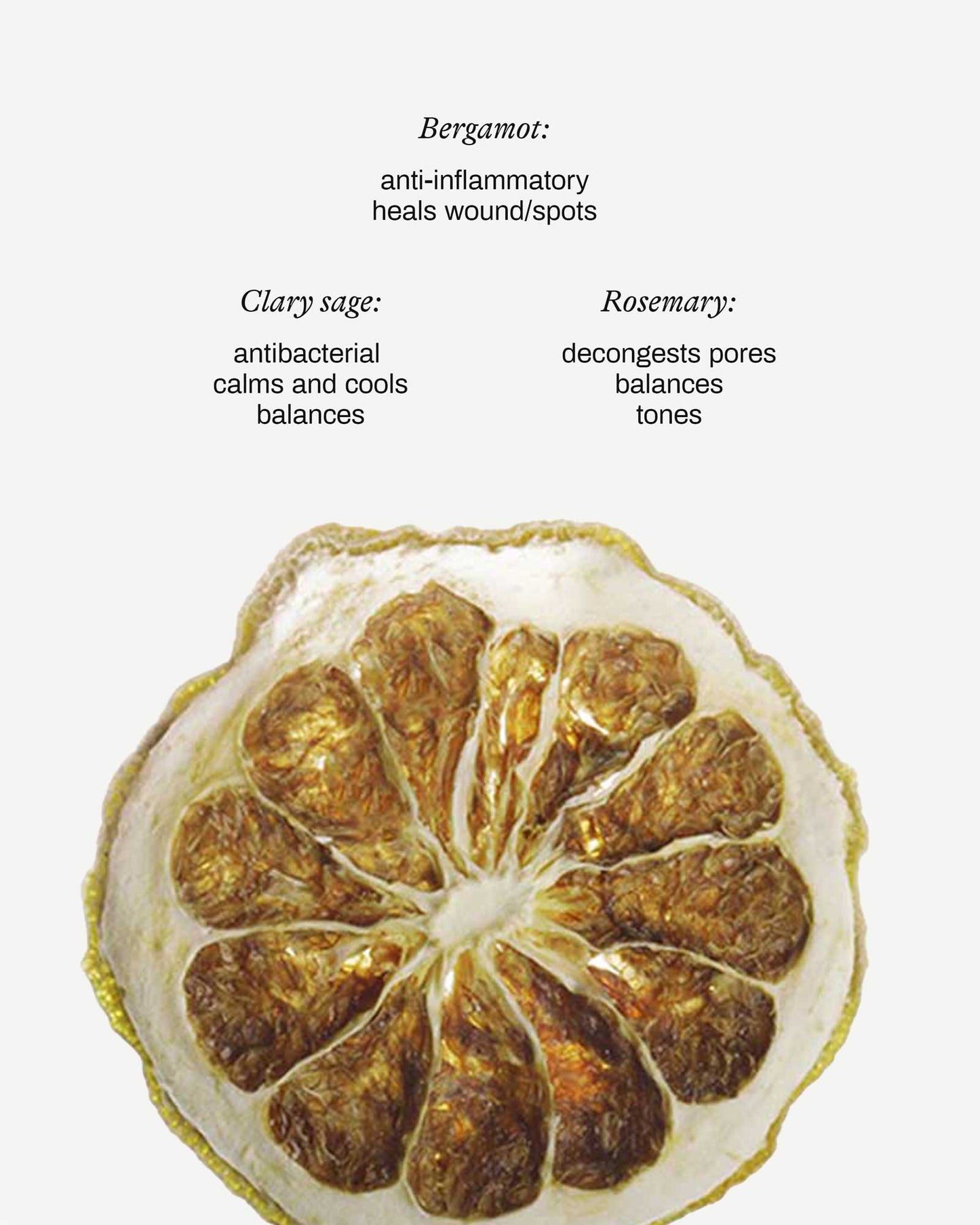
If the formula leads with plant oils, butters, waxes, or gentle cleansers, that tells you something different from a formula built mostly around filler ingredients and a long tail of tiny botanical additions. A drop of chamomile at the bottom doesn't make a formula botanical in spirit.
Here's a practical way to read:
- Look for the base. Is the product built around oils, butters, aloe, water, or something else?
- Notice the support system. Emulsifiers, antioxidants, and preservatives can all have a valid role. The question is whether they support the formula or dominate it.
- Watch for fragrance complexity. Sensitive skin often does better when the scent story is simpler.
Why botanical lipids matter
For body care, plant oils and butters often do more than decorate a label. They can help soften skin, support the barrier, and reduce the need for a formula to rely on less skin-friendly fillers. That doesn't mean every botanical ingredient is gentle for every person. It means the formula can be built around materials that have a direct skin function.
Practical rule: A sustainable ingredient label should show intention, not just trend-chasing. The ingredients near the top should have a job you can understand.
That's one reason people gravitate toward routines centered on oils, balms, and simpler compositions. If you're trying to build a calmer shelf, guides on a non-toxic skincare routine can help you recognize patterns that support both skin comfort and ingredient clarity.
Don't confuse simple with careless
A shorter ingredient list isn't automatically better, but it often makes a formula easier to understand. For sensitive users, that can be helpful. Fewer moving parts can mean fewer chances for conflict.
This short video gives a useful visual reset before your next label check:
A good ingredient list should answer a customer's curiosity, not punish it. When a brand explains why it chose an oil, wax, or extraction method, it's treating you like an informed participant in your own ritual.
Judging a Product By Its Container
Many people assume the greenest package is the one with no plastic in sight. I understand the instinct. Plastic has become the visual villain of modern consumption. But packaging choices are more complicated than a single material preference.
The better question is not “Is it plastic-free?” The better question is “What container reduces total waste, protects the formula well, and makes reuse or proper disposal realistic?”
Why the obvious answer isn't always right
Glass feels virtuous. It's familiar, widely recyclable, and aesthetically beautiful. But it's also heavy and breakable. For a body oil shipped across long distances, those trade-offs matter.
Lightweight recycled plastic can sometimes make more sense in real life, especially when shipping impact, breakage, and actual reuse are considered. The problem isn't just material type. It's whether the packaging was selected with the whole journey in mind.
One reason this issue matters so much is scale. The global cosmetics industry generates about 120 billion units of packaging every year, as noted in Going Zero Waste's discussion of zero-waste skincare brands. That doesn't tell you which single material is always best. It does tell you that packaging design deserves serious thought.
What to reward instead
The most practical improvements often come from extending the life of the package. This guide to eco beauty essentials points to refill schemes and return-for-reuse models as especially actionable because they reduce demand for virgin materials.
That's a more useful standard than surface virtue. Ask whether the container can do more than one job over time.
- Durable primary packaging works best when it's made to stay in use rather than be discarded quickly.
- Refill systems can reduce material throughput if customers can access and use them easily.
- Dispensing matters because a package that prevents leaks, contamination, or overuse also reduces waste.
Sometimes the greener-looking package is only greener-looking.
A simple packaging lens
When you compare sustainable body care products, try this short checklist:
| Ask this | Why it matters |
|---|---|
| Is the package durable enough to reuse? | Reuse often beats one-time recyclability |
| Does it protect the formula well? | Damaged product is waste too |
| Is refill realistically possible? | Good systems must work in ordinary life |
| Is the material easy to handle after use? | End-of-life decisions need to be practical |
If you're trying to apply this thinking beyond skincare, these reusable swaps for everyday life offer a helpful wider lens. The same principle applies in the bathroom as in the kitchen or travel bag. Lasting systems tend to outperform one-off fixes.
Gentle and Sustainable Choices for Sensitive Skin
Sensitive skin changes the conversation. A formula can be ethically sourced and beautifully packaged, yet still be wrong for skin that flushes, stings, or reacts easily. Sustainability guides often fall short here because they talk about waste and costly packaging but rarely talk about tolerance.
That's a mistake, because a product that irritates your skin is not sustainable for you. You won't use it consistently, and you probably won't finish it.
Why formula architecture matters
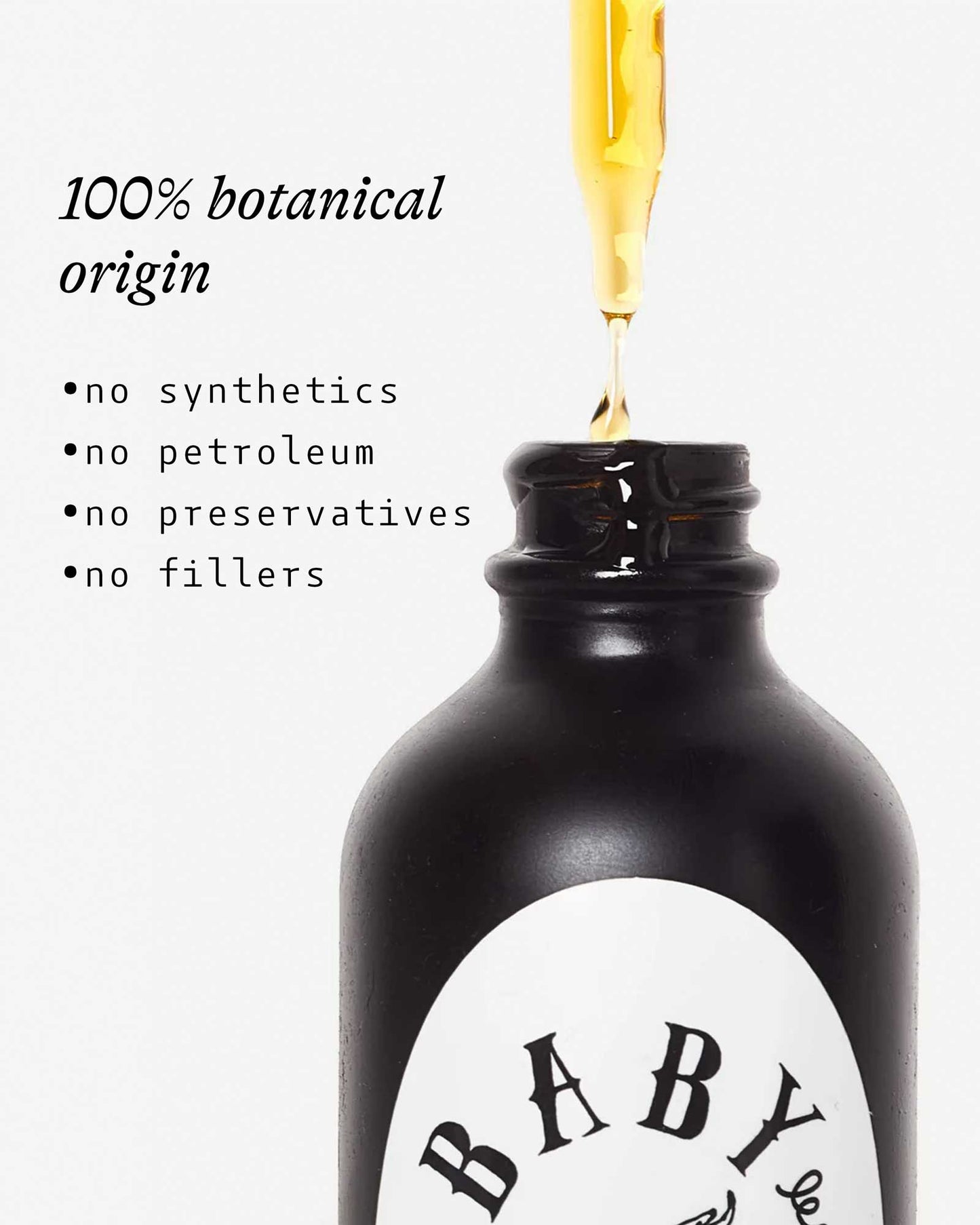
One of the most useful distinctions is whether a product is anhydrous, meaning water-free, or water-based. According to Repurpose Global's discussion of zero-waste skincare brands, water-free body oils and balms can be simpler to preserve and gentler on reactive skin than water-based lotions that require strong preservation systems.
This doesn't mean all lotions are bad. It means water changes the technical demands of a formula. Once water enters the product, preservation becomes more complex. For sensitive skin, that complexity can matter.
Why oils and balms can be a smart choice
Anhydrous formulas often do three helpful things at once. They simplify the formula, reduce the need for preservation strategies associated with water-containing products, and create a more concentrated application.
That can be especially useful on dry patches, compromised barriers, and areas that need sealing rather than just quick surface softness.
Consider a simple comparison:
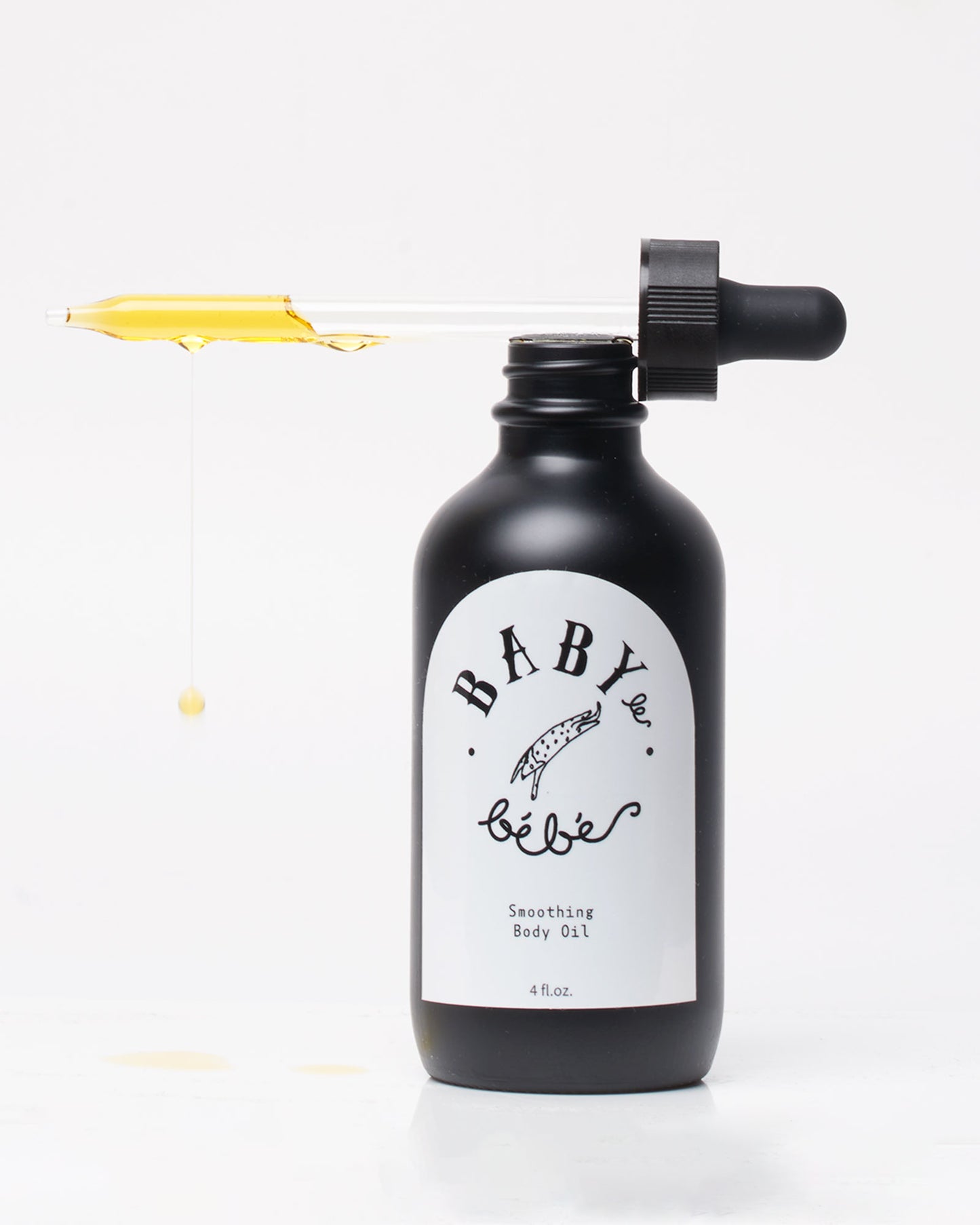
- Body oils tend to spread easily and work well after bathing, when skin is still slightly damp.
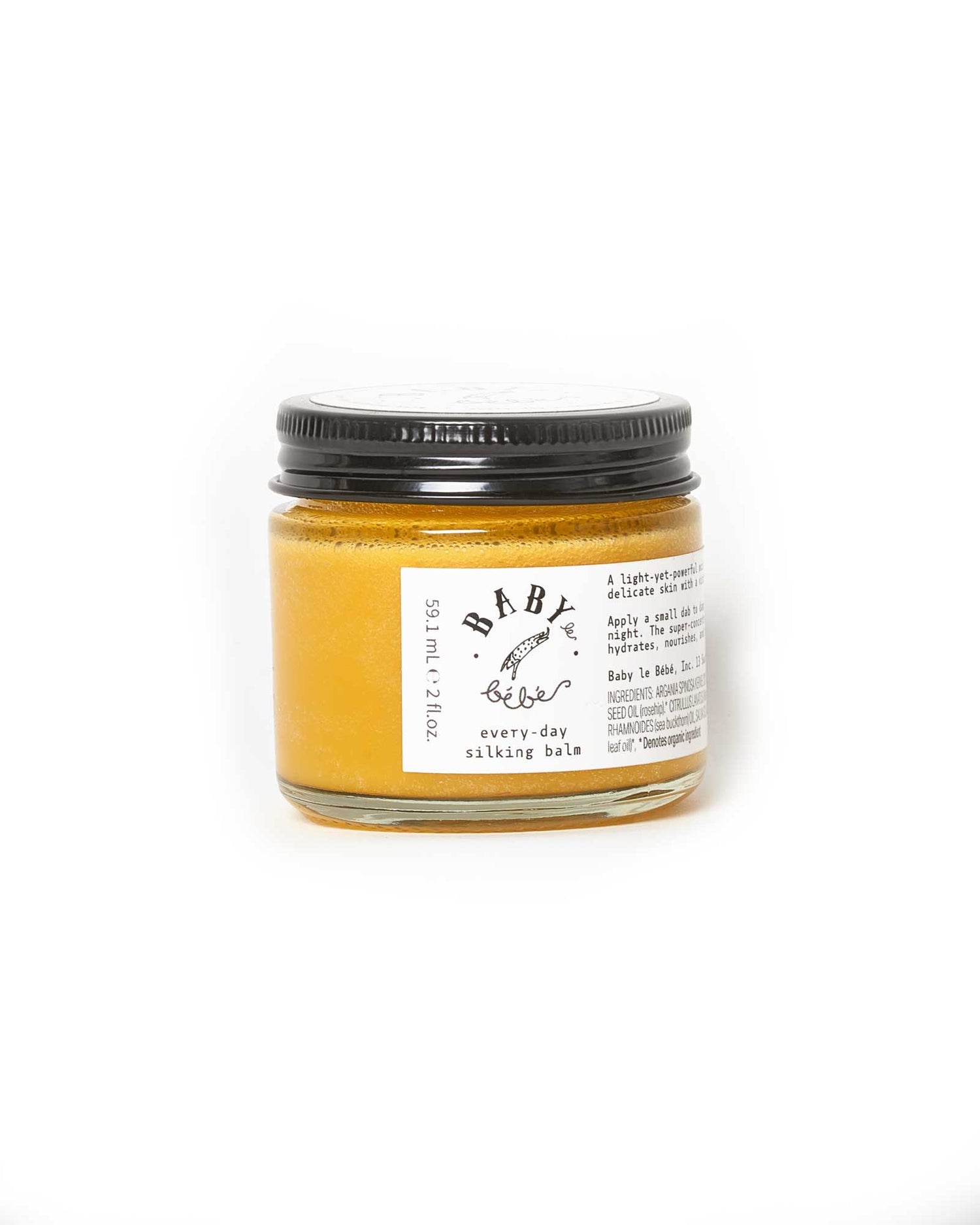
- Balms are denser and better for targeted areas like elbows, knees, hands, and wind-chapped skin.
- Lotions and creams can feel lighter, but they usually bring more formulation complexity with them.
If your skin is reactive, “natural” is not enough information. Texture, water content, and preservation strategy matter just as much.
This is also where a small product can tell you a lot about philosophy. For example, "Bébé Butter" Lip Balm is described as a smooth-as-silk, 100% botanical-and-beeswax lip balm that soothes, hydrates, and softens dry and damaged lips. Even though it's for lips, it reflects the broader appeal of balm architecture: focused ingredients, no need to pretend to be complicated, and a format that makes sense for dry, vulnerable skin.
What sensitive skin shoppers should watch for
Natural ingredients can still irritate. Essential oils, fragrant botanicals, and active plant extracts may be lovely on one person and too much for another. The answer isn't fear. It's discernment.
When evaluating body care, ask:
- Is the formula water-free or water-based?
- Is the scent profile simple or layered?
- Does the product seem built for barrier support, or mostly for marketing language?
For many people with delicate skin, a thoughtful oil or balm routine is both gentler and easier to maintain.
Building Your Sustainable Body Care Ritual
A sustainable routine shouldn't feel like a punishment shelf. It should feel like a rhythm you enjoy returning to. The best rituals are usually simple, repeatable, and designed around products that do their jobs well.
You don't need ten steps. You need products that fit the way you live and the way your skin behaves.
Start with one meaningful swap
If your current body lotion leaves you unsatisfied, start there. If your shower routine creates a parade of half-used bottles, start there. Choose the item that causes the most friction and replace it with something more aligned.
A gentle ritual often looks like this:
- Cleanse without stripping so your skin doesn't spend the rest of the day trying to recover.
- Apply oil or balm at the right moment, ideally when skin is still slightly damp.
- Use denser products only where needed so you don't overapply and waste product.
That's not minimalism for its own sake. It's efficiency with care.
Use less by using better
Many people waste body care because they use it at the wrong time or store it poorly. A good product goes further when you help it along.
- Apply after bathing because slightly damp skin helps oils and balms spread more evenly.
- Store with care because heat, moisture, and direct light can shorten the life of delicate botanical formulas.
- Match texture to need so you're not using a rich balm where a lighter oil would do.
A ritual becomes more sustainable when the product gets used fully and well.
Let the routine reflect your values
Some people want refill options wherever possible. Some prioritize low-complexity formulas for reactive skin. Some want giftable packaging that still respects material use. These aren't conflicting values. They're design choices.
When a brand teaches customers how to store, use, and understand a formula, that education is part of sustainability too. It helps prevent misuse, waste, and disappointment. That's one reason I appreciate when apothecary brands treat body care as a practice rather than a purchase.
A good ritual doesn't ask for perfection. It asks for attention.
If you build your shelf that way, sustainable body care products stop feeling like a category and start feeling like common sense. You choose formulas that respect skin. You choose containers with a reason behind them. You buy a little less impulsively and use what you bring home a little more fully.
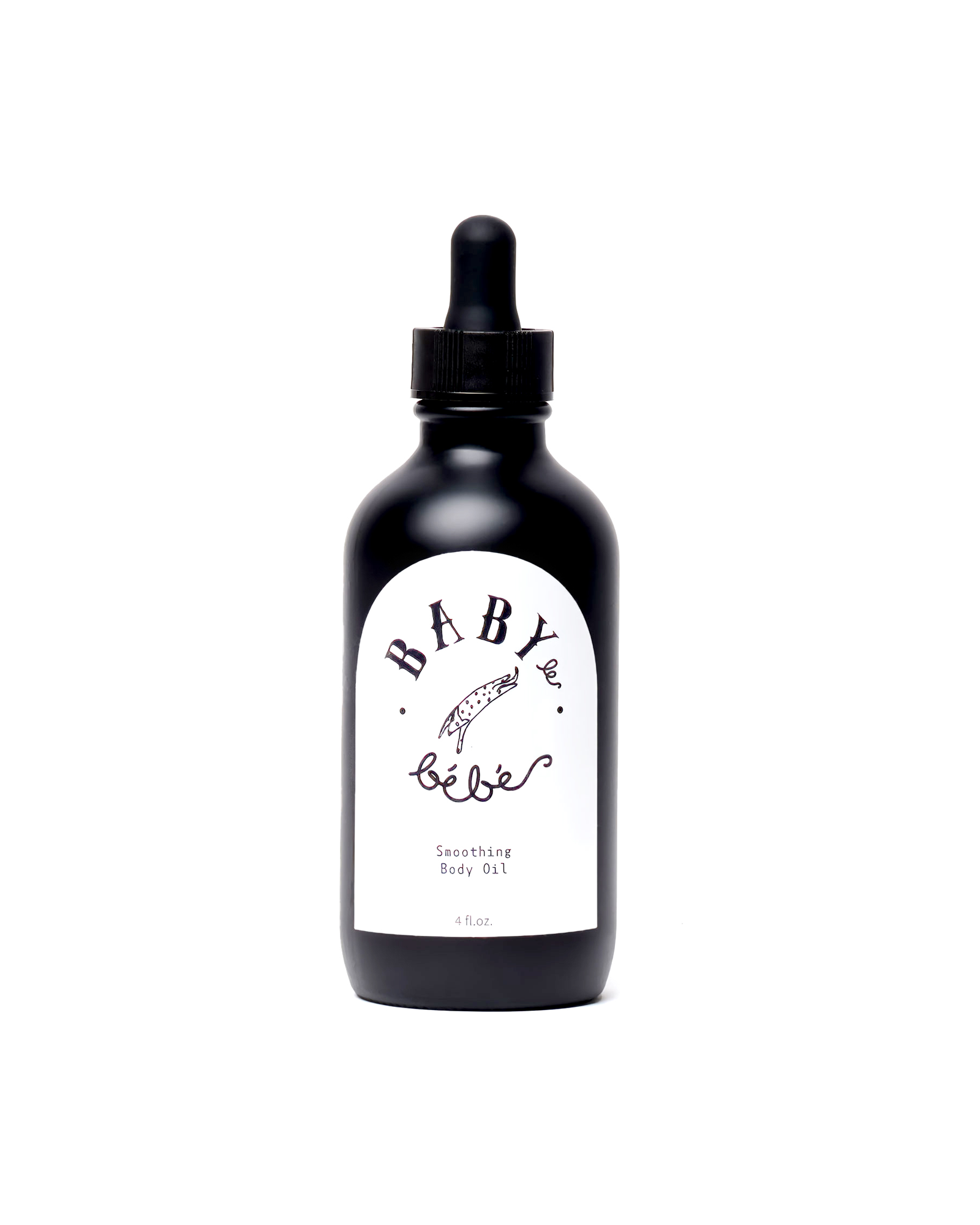
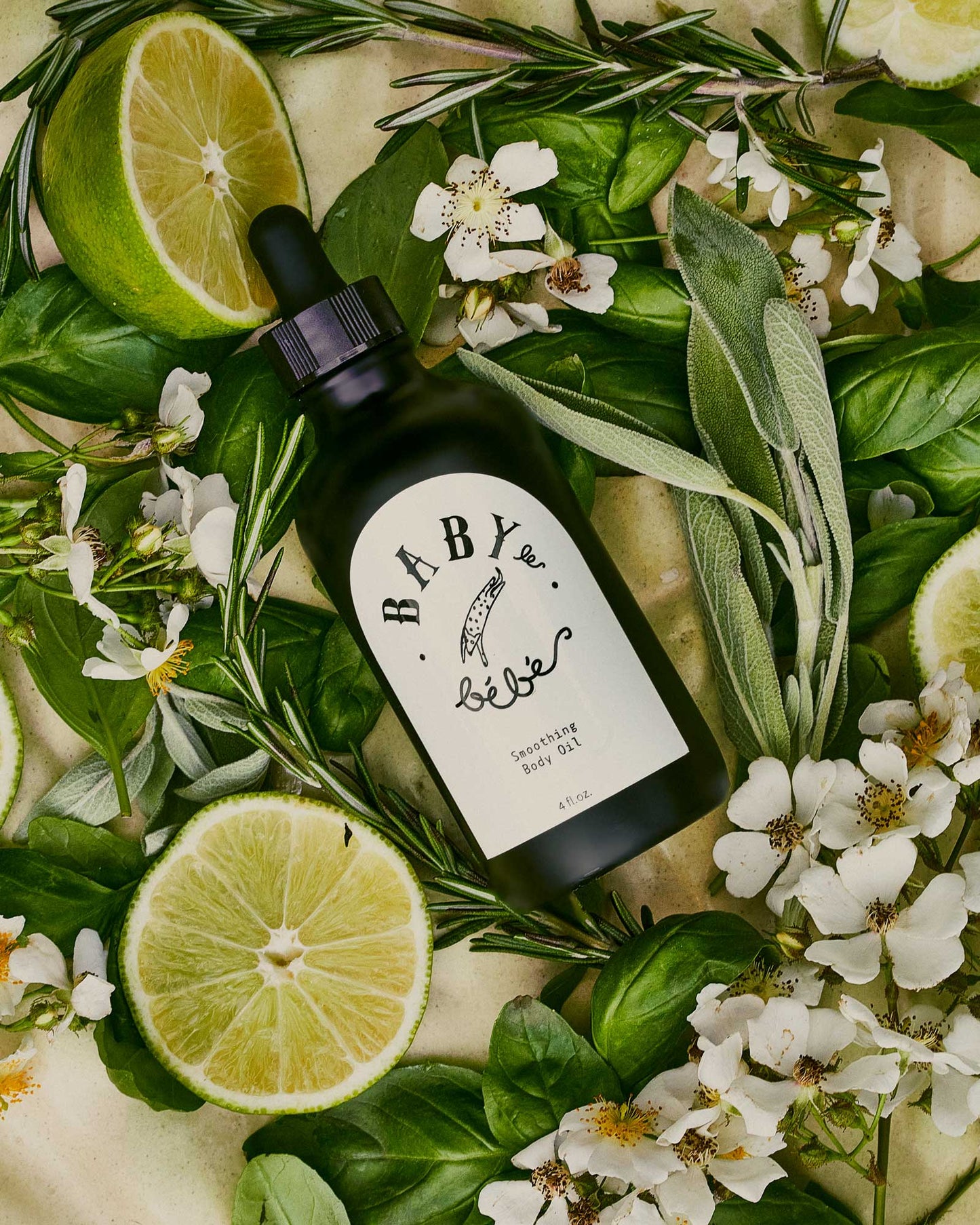
If you'd like a botanical approach that pairs ingredient transparency with thoughtful daily use, explore Baby le Bébé. Its apothecary collection centers on natural, preservative-free rituals designed for calm, resilient skin, with education that helps you understand not just what to use, but why.