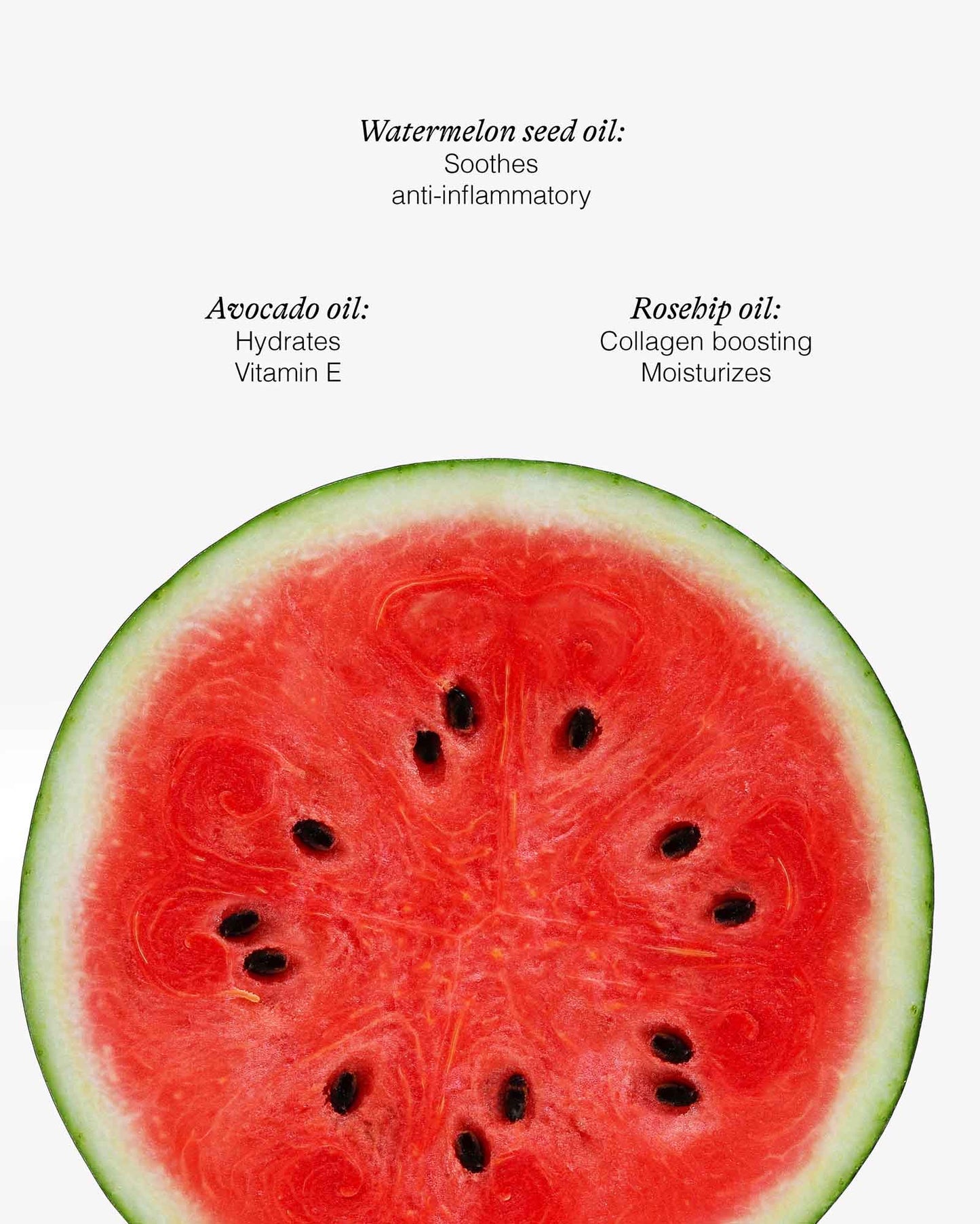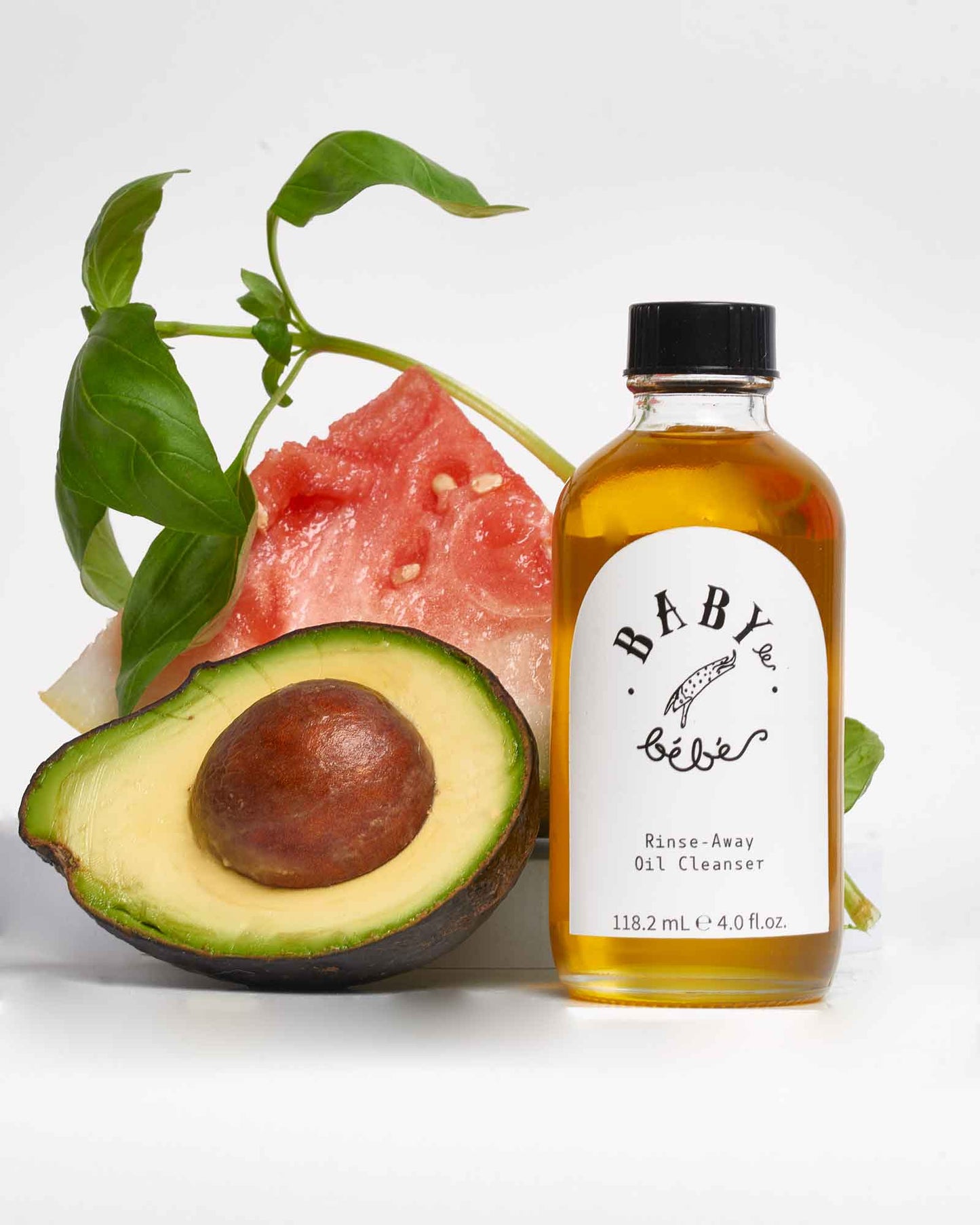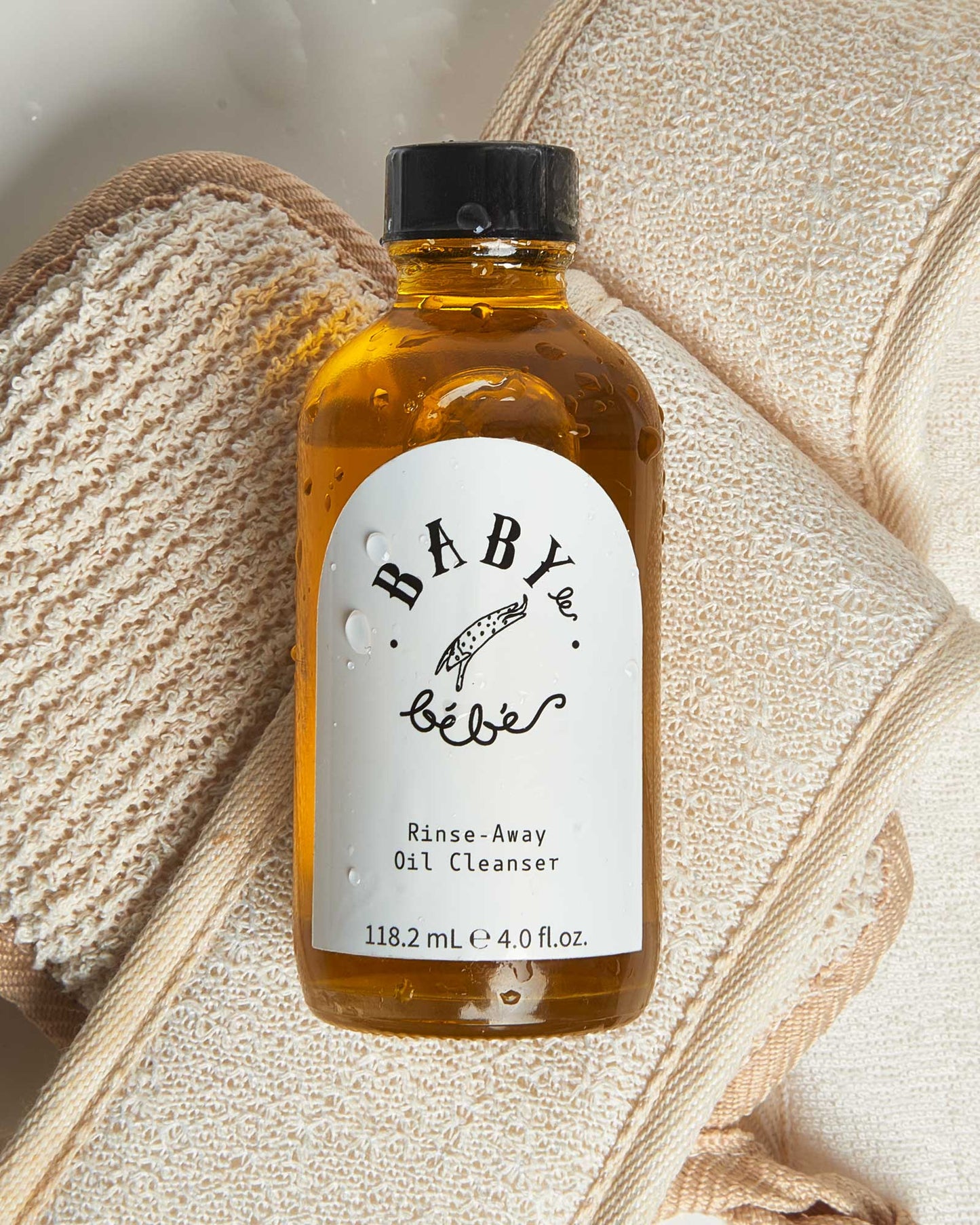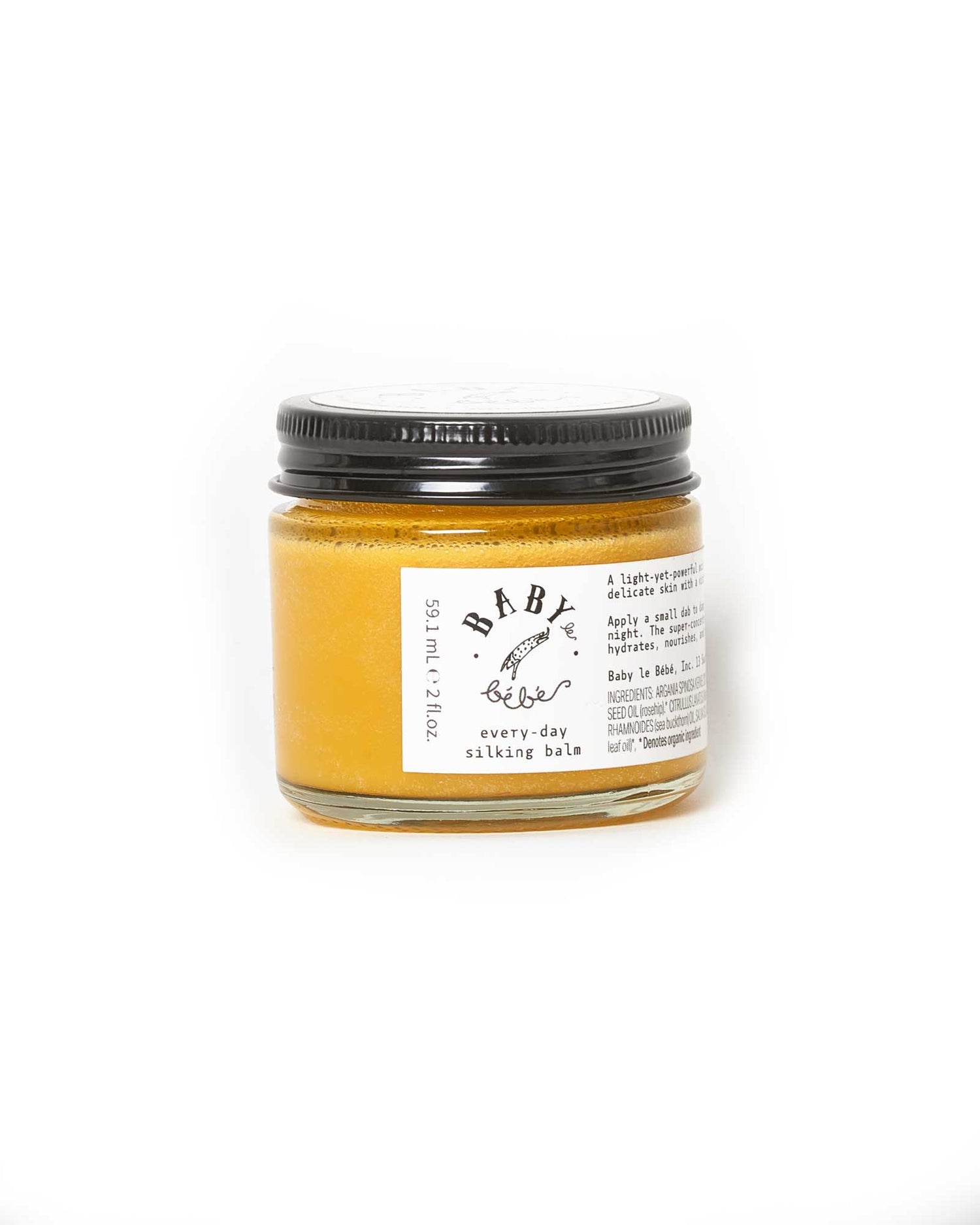


The short answer? Please don’t. While it seems like a harmless shortcut in the shower, reaching for the body wash to cleanse your face is one of the most common mistakes in skincare.
Body wash is formulated for the tougher, less sensitive skin on your body, not the delicate skin on your face. Using it there can lead to dryness, irritation, and even breakouts. Your face just requires a much gentler touch.
Why Using Body Wash on Your Face Is a Problem
It’s an incredibly common habit. You’re in the shower, the body wash is right there, and it just seems efficient. But this convenience comes at a cost to your skin's health. Think of it this way: you wouldn't use dish soap to wash a silk shirt. The same logic applies here—the skin on your body is like durable denim, while your facial skin is like delicate silk. It needs specialized care.
This isn’t just a minor issue; it's a widespread habit. A landmark national survey revealed that up to 80% of Americans are washing their faces incorrectly. Even more surprisingly, 52% of consumers—including 66% of men and nearly 40% of women—admit to routinely using body wash or hand soap on their face.
This practice can strip the skin's natural protective barrier, leading to irritation, tightness, and a whole host of other issues. You can learn more from these surprising skincare statistics.
Quick Look: Body Wash vs Face Wash
So, what are the real differences? It all comes down to formulation. Body washes are designed to tackle heavy sweat, dirt, and oil on thicker, more resilient skin. Facial cleansers, on the other hand, are formulated to gently cleanse the thinner, more sensitive skin on your face without disrupting its natural balance.
Here’s a simple side-by-side comparison:
| Feature | Body Wash | Facial Cleanser |
|---|---|---|
| Purpose | Cleanses thick body skin of heavy dirt and sweat. | Gently cleanses delicate facial skin of impurities. |
| Key Ingredients | Often contains strong detergents (sulfates), and artificial fragrances. | Formulated with milder surfactants and nourishing botanicals. |
| pH Level | Typically higher (more alkaline), which can be stripping. | pH-balanced to match the skin's natural acidity. |
| Skin Impact | Can cause dryness, tightness, irritation, and breakouts on the face. | Maintains moisture balance, supports skin barrier health. |
Understanding these fundamental differences is the first step toward better skin. Choosing the right product isn't about luxury; it's about giving your skin the appropriate care it needs to stay healthy, calm, and balanced.
Understanding Why Your Facial Skin Is Different
Ever wondered why you can get a breakout on your chin while the skin on your back stays perfectly clear? It’s because your facial skin and body skin are playing by two totally different rulebooks.
Think of it this way: the skin on your body is like durable denim, built to handle friction, sun, and daily life. The skin on your face, however, is more like fine silk—thinner, more delicate, and far more reactive. It requires a gentler touch.
This isn't just a feeling; it's a structural reality. Your facial skin is significantly thinner than the skin on most of your body. The area around your eyes, for example, is the most delicate on your entire body, making it especially vulnerable to anything harsh.
The Density of Oil Glands
One of the biggest distinctions is the number of sebaceous (oil) glands. Your face, especially the T-zone (forehead, nose, and chin), is packed with them compared to your arms, legs, or torso. These glands are essential, producing the natural oils (sebum) that keep your skin soft and hydrated.
But when you use a body wash designed to cut through sweat and grime on thicker skin, it’s simply too much for your face. It can strip away all those necessary oils, which sends a panic signal to your skin to produce even more oil to compensate. The result? You might end up with more clogs and breakouts than you started with.
A More Fragile Moisture Barrier
Your skin’s outermost layer is called the moisture barrier, or acid mantle. It's a thin, slightly acidic film that acts as a bodyguard, keeping moisture in and pollutants and bacteria out.
Your skin’s happy place is a pH of around 5.5, which is slightly acidic. This acidity is key to keeping that barrier strong and healthy. Many body washes are more alkaline (higher pH), which can throw your facial skin’s delicate ecosystem completely out of whack.
When a harsh cleanser disrupts this barrier, it creates tiny, invisible cracks in your skin’s defense system. This leads to two major problems:
- Moisture escapes easily, causing that tight, dry, flaky feeling.
- Irritants get in easily, leading to redness, sensitivity, and inflammation.
Because facial skin is thinner and constantly exposed to the elements, its moisture barrier is already working overtime. Using a cleanser formulated for tough body skin is like scrubbing a silk scarf with a kitchen sponge—it might seem clean at first, but you’re causing damage over time. Understanding this is the first step to realizing why the soap you use on your body has no business being on your face.
How Body Wash Ingredients Harm Your Face
To really understand why body wash is a bad idea for your face, you have to look past the marketing on the bottle and get familiar with the ingredient list. Most popular body washes are formulated with a pretty intense cocktail of chemicals. Their job is to cut through the day's grime, sweat, and oil on your body.
When you put those same ingredients on your delicate facial skin, it’s a recipe for irritation.
Think of it like using an industrial-strength floor cleaner on a delicate silk scarf. That’s essentially what happens. The harsh detergents, overpowering fragrances, and aggressive preservatives are simply too much for the thinner, more sensitive skin on your face to handle.
The Problem with Strong Detergents
That satisfying, bubbly lather most of us associate with being "clean"? It usually comes from powerful detergents called sulfates. These are surfactants like Sodium Lauryl Sulfate (SLS) and Sodium Laureth Sulfate (SLES), and their main purpose is to strip away oil and grime.
While they’re effective on your arms and legs, they don’t know when to stop on your face.
They aggressively remove the natural oils that make up your skin’s protective moisture barrier. This leads directly to that tight, squeaky, and uncomfortably dry feeling. And it doesn't just cause dryness—it weakens your skin’s defenses, leaving it more vulnerable to environmental stressors and bacteria.
Overpowering Fragrances and Dyes
That strong "ocean breeze" or "spring meadow" scent in your body wash is almost always synthetic. Artificial fragrances are one of the most common causes of skin sensitivity, allergic reactions, and contact dermatitis. They can trigger immediate redness, itching, and inflammation, especially if you have reactive skin.
Similarly, those vibrant colors come from artificial dyes that do absolutely nothing for your skin. They're just for looks, adding another layer of unnecessary chemicals that can easily irritate your face and potentially lead to clogged pores and breakouts.
"When you use a harsh body wash, you are not just cleansing; you are disrupting your skin's natural pH balance. This chemical imbalance can take hours, or even days, to correct, leaving your face in a constant state of stress and vulnerability."
Hidden Chemicals and Preservatives
Beyond the obvious culprits, many body washes contain a whole host of other problematic ingredients. One human biomonitoring study found that 88-100% of urine samples contained chemicals like phthalates and triclosan, largely from personal care products. Thinner facial skin can absorb up to 60% more of these toxins, which are linked to irritation and hormone disruption. You can learn more about how personal care products impact the body.
A few common ingredients to watch for include:
- Parabens: Preservatives used to extend shelf life that can mimic estrogen.
- Formaldehyde-releasers: Preservatives that are known to cause allergic skin reactions.
- Alcohol: Often included in high concentrations, which leads to severe dryness.
These ingredients are chosen for durability on a store shelf, not for the health of your facial skin. Choosing a gentler, botanical-based facial cleanser is a much safer—and more effective—way to care for your complexion.
The Risks for Acne-Prone and Sensitive Skin
For most people, using body wash on your face is simply not a great idea. But if your skin is sensitive, reactive, or prone to breakouts? It’s more than just a bad habit—it’s a recipe for a skincare disaster. The formulas in most body washes are just too harsh, and they can set off a whole chain reaction of issues that are tough to calm down.
Imagine your sensitive skin is like a finely tuned instrument. A body wash, with its strong detergents and heavy fragrances, is like trying to play that instrument with a hammer. It completely disrupts the delicate harmony, leading to irritation, redness, and painful flare-ups.
The Acne-Prone Skin Cycle
If you deal with breakouts, you already know that balance is everything. Using a harsh body wash on your face strips away its natural oils, which sends your oil glands a panic signal. To compensate, they go into overdrive, pumping out even more oil than before.
This creates the perfect storm for acne:
- Excess Oil: That overproduction of sebum starts clogging up your pores.
- Damaged Barrier: A compromised skin barrier can't properly defend against acne-causing bacteria.
- More Inflammation: Harsh ingredients cause irritation, making any existing breakouts look redder and feel more painful.
You end up stuck in a frustrating cycle where you’re trying to get your skin clean but are actually making your acne worse. That temporary "squeaky clean" feeling is quickly replaced by more oil and more inflammation.
Triggers for Sensitive Conditions
For anyone with skin conditions like eczema or rosacea, the stakes are even higher. The skin barrier is already compromised, which makes it incredibly vulnerable to outside irritants. Using a body wash in this case can feel like throwing fuel on a fire.
The synthetic fragrances, aggressive sulfates, and chemical preservatives often packed into body washes are well-known triggers for sensitive skin. They can provoke an immediate inflammatory response, leading to the exact symptoms you work so hard to avoid.
For example, those heavy perfumes can cause contact dermatitis, while harsh sulfates can strip away the protective lipids your skin needs, leading to the severe dryness and flaking that come with an eczema flare-up. You can learn more about finding a gentle cleanser for sensitive skin in our guide.
Ultimately, choosing a gentle, purpose-built facial cleanser isn't just about pampering yourself. For those with sensitive or acne-prone skin, it’s a non-negotiable step toward building a resilient, calm, and healthy complexion. It’s about removing a major source of irritation from your routine so your skin can finally heal and thrive.
How to Choose the Right Facial Cleanser
Walking down the skincare aisle can feel like a pop quiz you didn't study for. With countless bottles all promising perfect skin, how do you find the one that’s actually right for you? It’s simpler than you think. The secret isn’t in the flashy marketing on the front; it’s about understanding your skin's unique language and choosing a product that genuinely supports its health.
The goal is to shift your mindset from simply washing your face to cleansing it. This means leaving behind the harsh, stripping chemicals often found in body washes and turning toward gentle, effective formulas designed for the delicate skin on your face. That simple change is the first real step toward a calmer, happier complexion.
This decision tree breaks down why grabbing that body wash in a pinch can backfire, especially if you have sensitive skin that’s prone to breakouts or irritation.
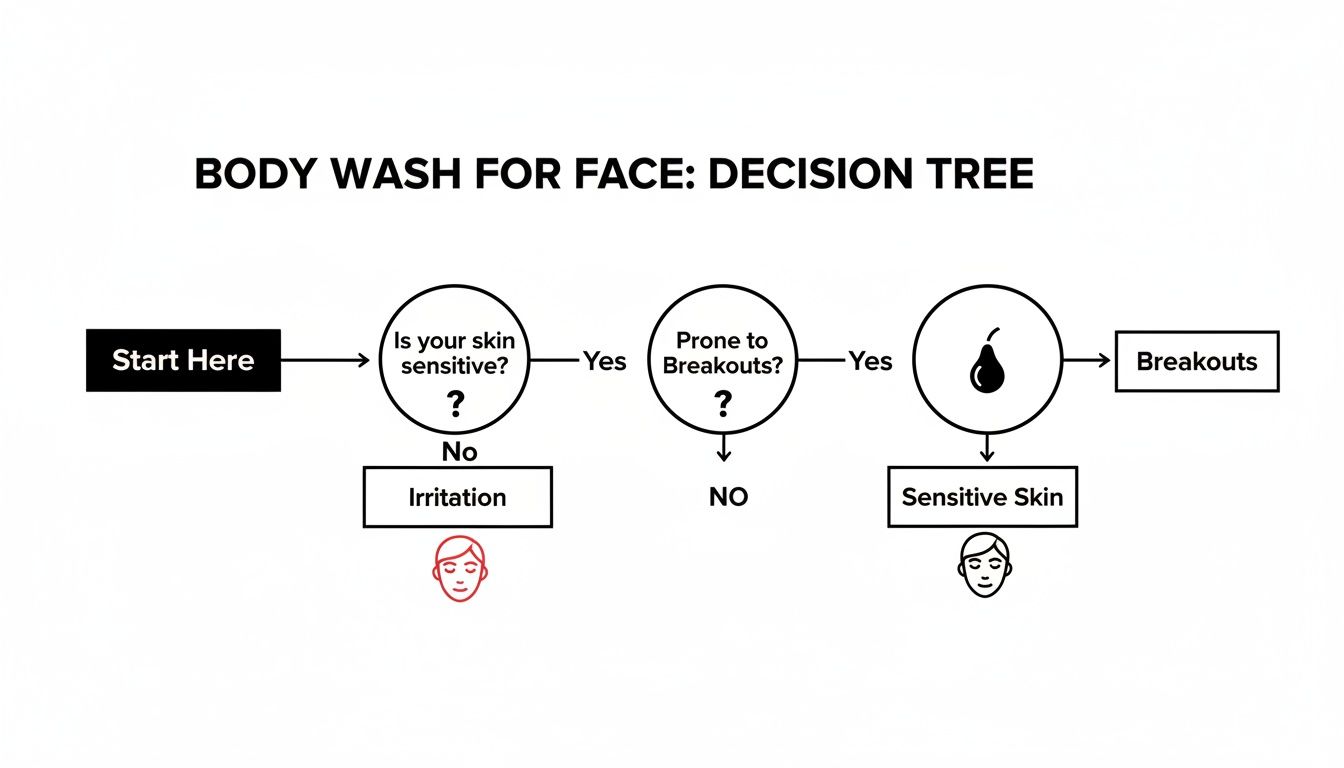
As you can see, the potential risks—like dryness, redness, and breakouts—almost always outweigh the convenience.
Match the Cleanser to Your Skin Type
The texture of a cleanser says a lot about what it’s designed to do. Finding the right match starts with getting honest about your skin type.
- For Oily or Acne-Prone Skin: Gel cleansers are your best friend. They feel lightweight but are fantastic at cutting through excess oil and clearing out pores without being aggressive.
- For Dry or Mature Skin: Cream cleansers offer a much-needed dose of hydration. They gently cleanse away the day while replenishing moisture, leaving skin feeling soft and comfortable, never tight.
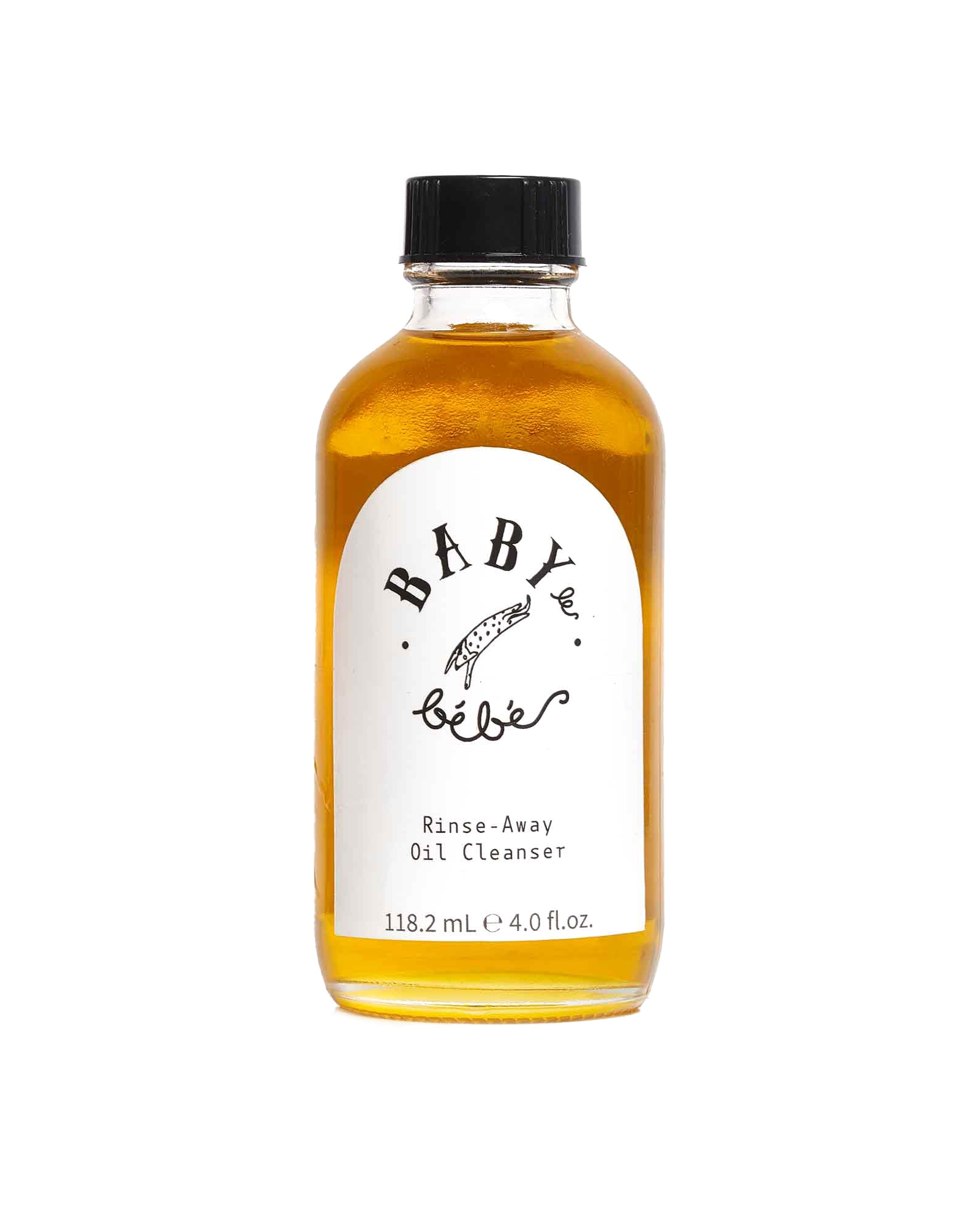
- For Sensitive or Reactive Skin: It might sound counterintuitive, but oil cleansers are incredibly gentle and effective. They work on the "like dissolves like" principle, melting away makeup, sunscreen, and grime while respecting the skin’s delicate lipid barrier. You can learn more about finding the best organic face cleanser in our in-depth guide.
Decode the Ingredient Label
Learning to skim an ingredient list is like gaining a superpower. You don’t need a degree in chemistry, but knowing which ingredients to look for—and which to run from—will completely change your skin game.
Your skin has a naturally acidic pH of around 5.5, and a good cleanser will respect that. Look for formulas that are pH-balanced and built around nourishing botanicals and gentle, plant-derived surfactants instead of harsh sulfates. It’s smart to apply the same care here as you would with other products in your home; this guide to cleaning products for sensitive skin offers great insight into spotting gentle, non-irritating ingredients that are just as important for your face.
Key Takeaway: If your face feels “squeaky clean” after washing, that’s actually a warning sign. It means your skin’s protective oils have been stripped away, leaving it vulnerable to irritation and dryness.
To make things easier, here's a quick guide to help you find the perfect cleanser for your skin's needs.
Find Your Perfect Cleanser Match
This table breaks down which cleanser types and ingredients work best for each skin concern, helping you choose a product that will soothe and support your complexion.
| Skin Type | Best Cleanser Type | Key Ingredients to Look For | Ingredients to Avoid |
|---|---|---|---|
| Oily Skin | Gel or Foaming | Salicylic Acid, Tea Tree Oil, Niacinamide | Heavy oils, Alcohol, Harsh Sulfates |
| Dry Skin | Cream or Oil | Hyaluronic Acid, Glycerin, Ceramides, Jojoba Oil | Sulfates (SLS/SLES), Salicylic Acid, Fragrance |
| Sensitive Skin | Oil or Milk | Chamomile, Aloe Vera, Calendula, Oat Kernel Extract | Fragrance, Alcohol, Dyes, Essential Oils |
| Combination | Gentle Gel or Balm | Green Tea, Antioxidants, Hyaluronic Acid | Harsh exfoliants, Alcohol-based toners |
Ultimately, choosing the right cleanser is about working with your skin, not against it. When you focus on gentle formulas and supportive ingredients, you’re not just cleaning your face—you’re nurturing its long-term health.
Building a Simple and Effective Skincare Routine
Great skin doesn't come from a complicated, 10-step process. It comes from consistency and using the right products that work with your skin's natural functions, not against them. Once you step away from harsh, stripping products like body wash, you can build a simple ritual that truly nurtures your complexion.
This is all about quality over quantity. A few well-chosen products are always more effective than an arsenal of mismatched ones. The foundation of any great routine really just comes down to three core pillars: cleansing, nourishing, and protecting.
The Three Pillars of a Healthy Routine
Building a routine is a lot like building a house—you need a strong foundation. Start with these three essential steps, and you’ll create a supportive framework for healthy, resilient skin.
-
Cleanse Gently: The first step is washing away impurities without stripping your skin bare. A proper facial cleanser, unlike a body wash, is designed to remove dirt, makeup, and excess oil while respecting your skin's delicate moisture barrier. This prepares your face to actually absorb the good stuff that follows.
-
Nourish Deeply: After cleansing, your skin is primed to drink in beneficial ingredients. This is the moment to apply a targeted serum or a nourishing facial oil to replenish hydration and deliver a concentrated dose of vitamins and antioxidants. For those with drier complexions, exploring the best oil cleanser for dry skin can be a beautiful way to combine cleansing and nourishing benefits into one step.
-
Protect and Seal: The final, crucial step is to lock in all that goodness with a moisturizer or balm. This creates a protective seal on the skin’s surface, preventing moisture loss throughout the day and shielding your face from environmental stressors. A quality Anti-Aging Moisturizer is perfect here, as it helps keep your skin hydrated while addressing signs of aging.
By focusing on these three steps, you create a sustainable ritual that supports your skin’s long-term health rather than providing a temporary fix. It’s a shift from fighting against your skin to working with it.
This simple "cleanse, nourish, protect" model is so effective because it addresses your skin's most fundamental needs. It ensures your face is clean, hydrated, and defended, allowing it to function at its best. It’s the perfect antidote to the kind of damage caused by using harsh products like body wash on your delicate facial skin.
Common Questions About Facial Cleansing
Even when we know the difference between face and body cleansers, a few practical questions always come up. Let’s clear the air on some of the most common ones so you can feel truly confident in your skincare rituals.
Can You Use Body Wash on Your Face in an Emergency?
We’ve all been there. You’re traveling and forgot your face wash, or you just ran out at the worst possible time. So, is it okay to grab the body wash in a pinch?
Honestly, we really advise against it. But if you have absolutely no other choice, there are ways to minimize the potential fallout. Look for the gentlest, most fragrance-free body wash you can find. Use a tiny, pea-sized amount, lather it well in your hands first, and rinse completely with lukewarm water. If you have a moisturizer, apply it immediately after.
Think of this as a one-time exception, not a new habit. For anyone with sensitive skin, even a single use can be enough to trigger irritation.
Does Squeaky Clean Mean Healthy Skin?
So many of us grew up thinking that tight, squeaky feeling was the ultimate sign of clean skin. In reality, that squeak is a major red flag. It means your skin’s protective lipid barrier has been stripped of its natural, essential oils.
This barrier is your skin’s first line of defense. It’s what keeps moisture in and protects you from bacteria and environmental stressors. When it's compromised, your skin becomes vulnerable.
When this stripping happens over and over, it can lead to chronic dryness, heightened sensitivity, and even cause your skin to overproduce oil to compensate, which can trigger breakouts. A healthy cleanse should leave your face feeling soft, balanced, and comfortable—never tight or squeaky.
Are All-in-One Face and Body Washes a Good Idea?
Those all-in-one products for face and body seem like the perfect, convenient solution. And while they’re probably a step up from a harsh, standard body wash, they rarely offer the gentle, thoughtful formulation of a dedicated facial cleanser.
To be effective enough to clean your body, they often rely on cleansing agents that are still too strong for the delicate skin on your face. For truly calm, healthy skin, it’s always best to use separate products designed specifically for the unique needs of your face and body.
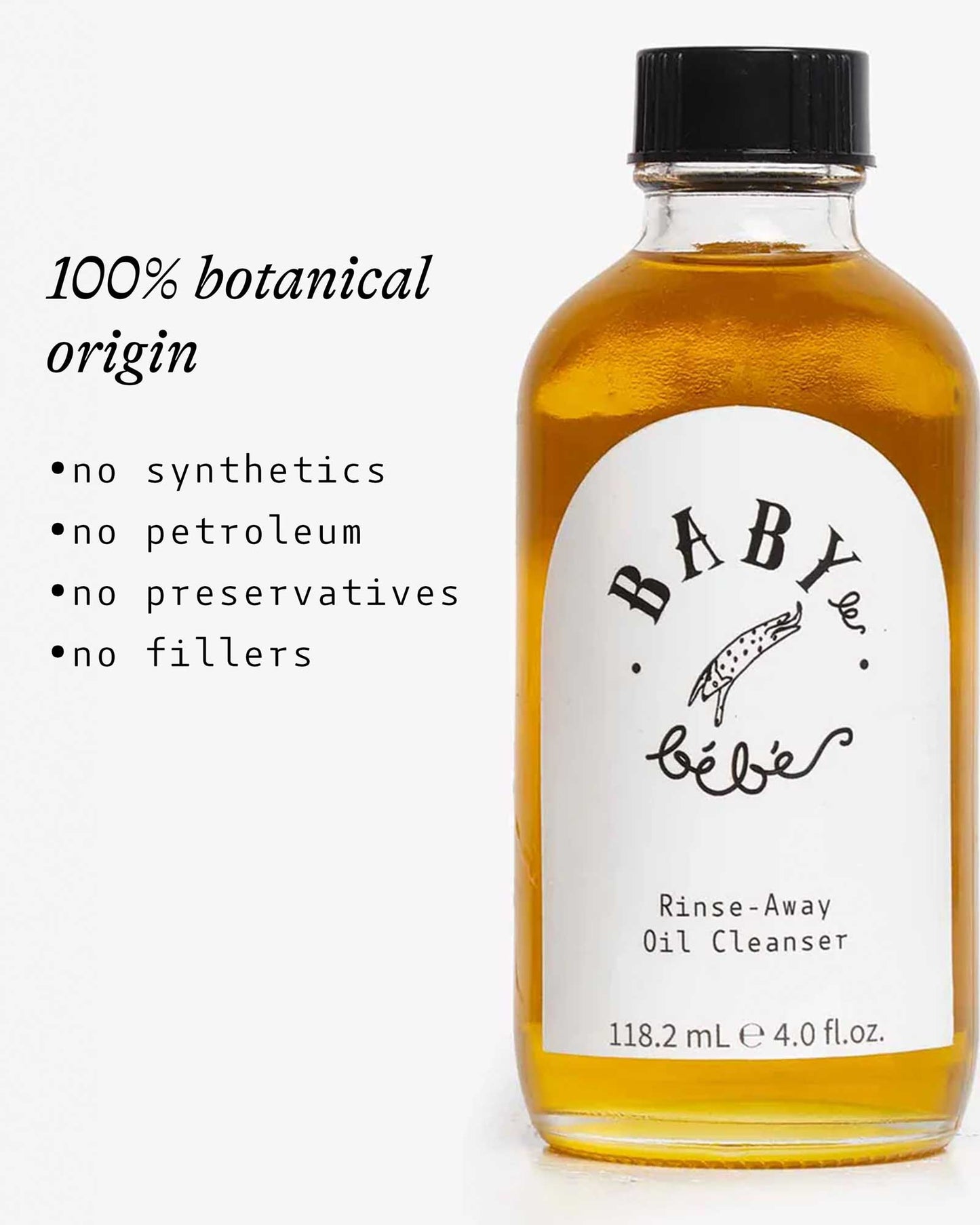
For a truly gentle cleansing experience that respects your skin's delicate balance, explore the botanical-based formulas from Baby le Bébé. Our products are crafted to cleanse, nourish, and protect without ever stripping your skin. Discover our collection and build a simple, effective ritual at https://www.babylebebe.com.