

When your skin feels tight, flaky, and uncomfortable, it's sending a clear signal: something is out of balance. And while it's easy to blame the weather, the true causes often run much deeper.
Natural remedies work by giving your skin what it truly recognizes—plant-based oils and butters rich in lipids that are biocompatible with your own. Think of ingredients like rich shea butter or nourishing coconut oil. Instead of just sitting on the surface, they help repair your skin barrier and lock in moisture, all without the harsh synthetics found in so many conventional products.
Why Your Skin Feels Dry and How Nature Can Help
That tight, uncomfortable feeling is a familiar one. Your environment, your daily habits, and even the products you trust all play a role in your skin’s health.
Picture the crisp, dry air on a beautiful day in the Catskills—it’s refreshing for the soul but demanding on the skin. This kind of environmental exposure, especially when combined with indoor heating, can strip away your skin's protective oils. The result is skin that feels vulnerable, looks flaky, and is prone to irritation.
Understanding the Root Causes
But the issue isn't just external. Internal factors, like not drinking enough water, can dehydrate your skin from the inside out. Worse, many common skincare products are formulated with harsh synthetic ingredients, stripping alcohols, and artificial fragrances that disrupt your skin’s delicate ecosystem. These chemicals weaken its natural defenses, creating a frustrating cycle of dryness and sensitivity.
The core philosophy behind natural remedies is simple: work with your skin, not against it. By turning to nature, we find solutions that respect and support our body's innate healing processes.
The Power of Botanical Ingredients
This is where the real power of botanical ingredients shines. Unlike synthetic compounds that merely coat the skin, plant-based oils and butters offer a solution that is deeply compatible with your own biology.
Their effectiveness comes down to beautiful, simple science:
-
Lipid-Rich Composition: Ingredients like shea butter and coconut oil are full of fatty acids that closely resemble the lipids that make up your skin's protective barrier. They just fit.
-
Nutrient Density: These natural sources are packed with vitamins, antioxidants, and anti-inflammatory compounds that actively soothe and repair damaged skin from within.
-
Gentle and Pure: Truly natural formulas—free from harsh preservatives and petroleum—provide pure nourishment without causing more irritation, making them ideal for even the most sensitive complexions.
This guide will walk you through creating a soothing, natural skincare ritual. We'll explore simple daily routines, powerful weekly treatments, and the specific ingredients that offer gentle yet profound relief. You’ll feel empowered to leave that tight, dry feeling behind for good.
Building Your Daily Ritual for Hydrated Skin
Lasting relief from dry skin isn't found in a single magic product. It’s built through a gentle, consistent ritual—a few mindful moments each day to reconnect with your skin.
The most effective approach is a simple, three-part rhythm: Cleanse, Hydrate, and Seal. This isn't a chore; it’s the foundation for calm, resilient skin, and one of the best natural remedies you can adopt. This method moves away from harsh, stripping products and instead embraces botanical ingredients that work with your skin. The key is all in the layering.
The Gentle Cleanse
Your ritual should always begin with purification, not punishment. So many cleansers strip the skin of its natural oils, leaving behind that tight, squeaky, and deeply uncomfortable feeling. This is where oil cleansing comes in. It’s based on the simple principle that like dissolves like, allowing the oil to gently melt away makeup, impurities, and excess sebum.
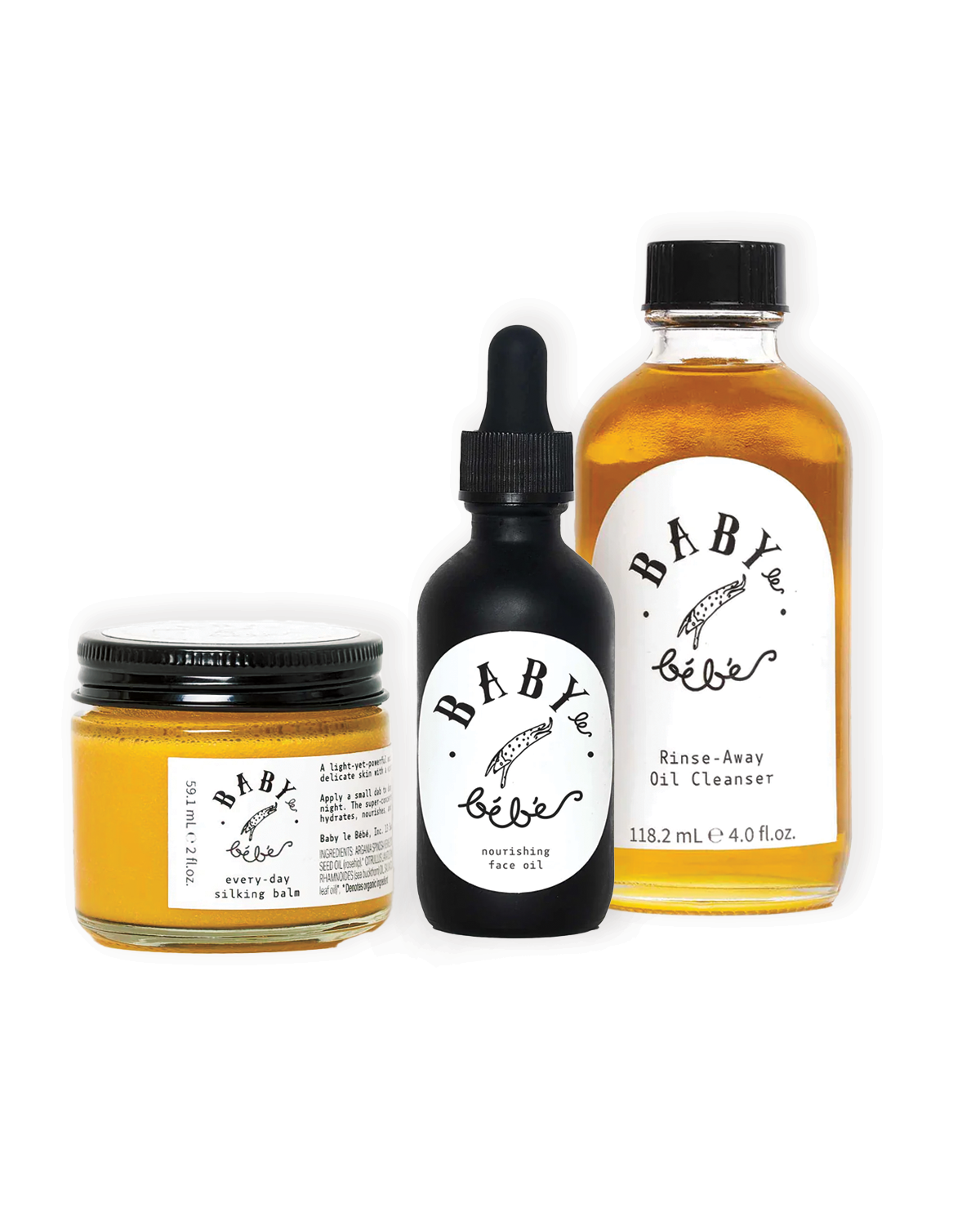
A rinse-away oil cleanser is perfect here. It lifts away the day's grime but leaves your skin’s precious moisture barrier completely intact. After cleansing, always pat your skin dry with a soft towel. Rubbing can create micro-tears and irritation. It's a small change, but it makes a huge difference.
The Hydration Infusion
This next step is a total game-changer. Immediately after cleansing, while your skin is still slightly damp, it's time to hydrate. Applying a face or body oil to damp skin allows the oil to spread more easily and absorb more deeply, trapping that fresh water for lasting moisture.
Think of it like a thirsty plant finally getting the water it desperately needs. Applying a nourishing oil to damp skin helps lock in that essential hydration before it can evaporate into the air.
This technique is how you get the full benefits from ingredients like jojoba, sunflower, and other botanical oils. They sink right into the skin cells that need them most, meaning you’ll use less product and see far better results.
The Protective Seal
The final piece of your daily ritual is the seal. This is where you lock everything in, and it's especially critical if you live in a cold place like the Catskills or spend a lot of time in dry, centrally-heated rooms. A high-quality balm creates a protective, breathable barrier over your skin.
This barrier does two vital things:
- It prevents transepidermal water loss (TEWL), which is the technical term for moisture evaporating from your skin.
- It shields your freshly hydrated skin from environmental stressors like wind, cold, and pollution.
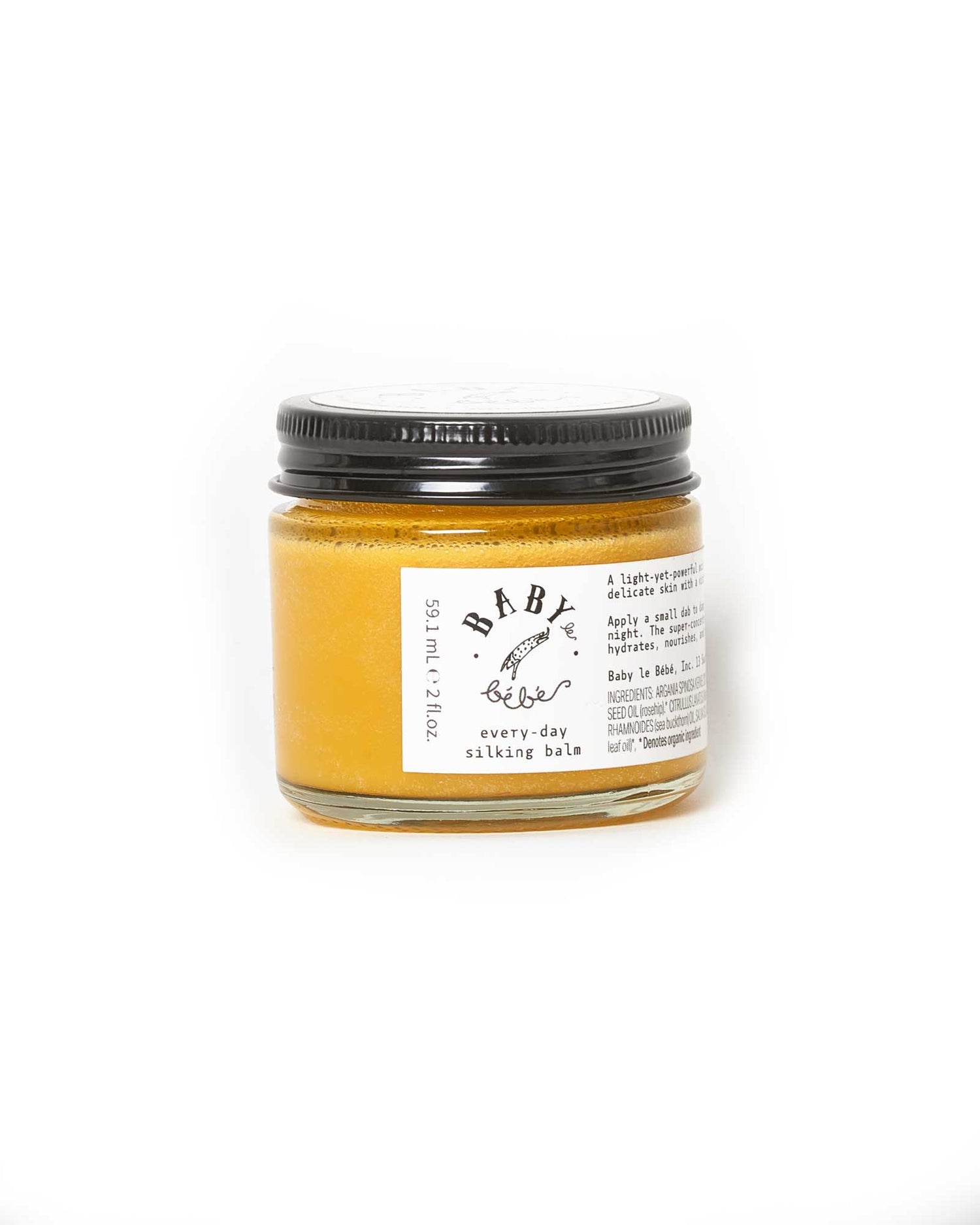
Using a product like a winter balm, rich with ingredients like beeswax and nourishing butters, gives your skin a final layer of defense. This makes sure all the beautiful work you did in the first two steps stays put, keeping your skin soft, comfortable, and protected all day.
To make it even easier to follow, here's a simple breakdown of the entire daily ritual.
Your Three-Part Daily Hydration Ritual
This table summarizes the core steps to build a daily practice for soft, resilient, and deeply hydrated skin.
| Ritual Step | Action | Why It Works | Baby le Bébé Example |
|---|---|---|---|
| 1. Gentle Cleanse | Use a rinse-away oil cleanser on dry skin, massage, then emulsify with water. Pat dry. | Melts away makeup and impurities without stripping the skin’s natural lipid barrier. | A high-quality, plant-based oil cleanser. |
| 2. Hydration Infusion | While skin is still damp, apply a few drops of a nourishing face or body oil. | The water on your skin helps the oil spread and absorb, locking in surface hydration. | Our organic face oil. |
| 3. Protective Seal | Warm a small amount of balm between your palms and gently press it onto your skin. | Creates a breathable barrier to prevent moisture loss (TEWL) and protect from environmental stressors. | Our Every-Day Silking Balm. |
Committing to this simple sequence every day can fundamentally change your skin's health, moving it from a state of constant dryness to one of comfortable, lasting hydration.
Gentle Yet Powerful Ingredients from Nature's Apothecary
When you’re dealing with truly parched skin, the answer isn't just about adding moisture—it’s about deep, intelligent nourishment. This is where turning to nature’s apothecary comes in. These botanicals aren't temporary fixes; they are restorative ingredients that work in beautiful harmony with your skin.
Understanding what each ingredient does helps you choose what your skin truly needs. Some oils are protectors, some are healers, and some are brilliant mimics of your skin’s own oils. Let’s look at a few of the quiet heroes we turn to for thirsty skin.
Jojoba Oil: The Skin Mimic
Jojoba oil is something special. While we call it an oil, it's technically a liquid wax, and its structure is incredibly close to our skin’s own sebum. This is its magic. Because your skin recognizes it, jojoba absorbs beautifully without a hint of greasiness or clogged pores.
If your skin is both dry and prone to the occasional breakout, jojoba is your friend. It has a unique ability to balance, delivering moisture where needed while signaling to overactive areas that everything is okay—no extra oil required. It’s a smart, intuitive choice for complexions that need a little gentle regulation.
Coconut and Sunflower Oils
Coconut oil is a classic for a reason. As a rich emollient, its saturated fats go to work repairing the skin’s barrier, locking in precious moisture. The lauric acid it contains also offers a gentle cleansing benefit, making it a true multipurpose ingredient in any natural toolkit.
In the same vein, sunflower seed oil is a wonderfully light yet potent hydrator. It’s packed with Vitamin E and linoleic acid, an essential fatty acid that strengthens the skin barrier and stops water from escaping. It’s so gentle and effective that you’ll find it in our nourishing herbal moisturiser for dry skin, where it provides feather-light hydration.
Shea Butter: The Ultimate Protector
For skin that needs a serious shield against the elements, there is nothing quite like shea butter. Harvested from the nut of the African shea tree, this dense butter is full of fatty acids and vitamins A and E.
It creates a breathable, protective layer that guards your skin against harsh winds and cold, dry air. This is why we lean on it so heavily for deeply conditioning formulas. It doesn’t just seal moisture in; it actively soothes inflammation and brings a sense of calm to irritated skin.
Key Takeaway: Always choose pure, unrefined, and cold-pressed oils and butters whenever you can. The refining process can strip away the very vitamins and fatty acids that make these ingredients so good for your skin. The closer an ingredient is to its natural state, the more life it holds.
Soothing Oats and Calming Aloe
Oat is a timeless remedy for skin that feels itchy, tight, and generally unhappy. Colloidal oatmeal contains compounds called avenanthramides, which have powerful anti-inflammatory properties. A simple oat bath or a cream with oat extract can bring immediate relief to distressed, flaky skin.
And of course, there’s Aloe Vera. This soothing succulent is a staple for a reason. The gel from its leaves is cooling, hydrating, and helps calm redness in a flash. For the freshest source, many people enjoy growing aloe plants at home.
Before you introduce any new ingredient to your routine, it's always wise to do a quick patch test. Just apply a small amount to your inner arm and wait 24 hours. It’s a simple step that ensures every natural remedy you try is a perfect, gentle fit for you.
Your Weekly Treatments for Deep Nourishment
Think of your daily routine as the steady foundation for healthy, hydrated skin. But once a week, it’s time to go deeper. Weekly treatments are like a special appointment with yourself, a chance to give your skin a potent boost of moisture and repair.
These moments of self-care are some of the most powerful natural remedies for dry skin, helping to restore not just your complexion, but your spirit, too. By whipping up a simple mask in your own kitchen, you can deliver a concentrated dose of vitamins and fatty acids right where your skin needs them most, leaving your face feeling supple and looking truly radiant.
DIY Avocado and Honey Hydrating Mask
This mask is an absolute powerhouse for dry, depleted skin. Avocado is loaded with skin-loving oleic acid and vitamins, while raw honey acts as a natural humectant, literally drawing moisture into the skin.
Here’s how to create this simple and luxurious treatment:
- In a small bowl, mash half a ripe avocado until it’s perfectly creamy and smooth.
- Gently stir in one tablespoon of raw honey. If you're looking for a vegan alternative, maple syrup is a beautiful substitute with its own skin-soothing antioxidants.
- For an extra dose of nourishment, add a few drops of a rich oil, like jojoba or sunflower, to amplify the mask's emollient touch.
Apply the mixture to a clean, dry face, carefully avoiding the delicate eye area. Let it work its magic for 15-20 minutes before rinsing with warm water and gently patting your skin dry. The immediate result is skin that feels incredibly soft and deeply quenched.
Turning your weekly treatment into a ritual amplifies its benefits. Light a candle, play some soft music, and allow yourself to fully relax. This transforms a simple skincare step into a restorative experience for mind and body.
Create a Luxurious Bathing Ritual
A luxurious bath soak can be another wonderful weekly treatment, but it's crucial to get it right. A plain, hot bath can actually be quite stripping, leaving your skin even drier than before. The secret is to use warm—not hot—water and to infuse it with high-quality, nourishing oils.
This simple shift transforms your bath from a potential source of dryness into an immersive hydration treatment. The warm water gently opens your pores, allowing the botanical oils to penetrate deeply and moisturize your entire body. It’s an incredibly effective way to soothe widespread dryness on your arms, legs, and torso.
To elevate your bath into a true Catskills-inspired escape:
- Add a few droppers of a beautiful bath oil, like our Veranium or Mountain Haze, to the running water.
- Soak for a peaceful 15-20 minutes, letting the botanical oils coat and condition your skin.
Now, the most critical step happens the moment you get out. Gently pat yourself partially dry, leaving your skin slightly damp. Immediately—while your skin is still receptive—apply a rich body oil or balm to lock in all that moisture. For more on this, explore our guide on choosing the best organic body oil for dry skin. This post-bath seal is what keeps that hydration locked in for days to come.
Adapting Your Routine for Seasons and Special Needs
A great skincare routine is never static. It breathes and changes right along with your life, because your skin’s needs in the humid warmth of July are completely different from what it requires in the middle of a frigid January.
Thinking of your skincare like a wardrobe is the easiest way to adapt. When humidity is high in the summer, a lightweight, fast-absorbing product like a smoothing body oil might be all you need to keep your skin feeling supple.
But once the cold, dry air of winter arrives, it’s time to bring out the heavy-duty layers. The constant shift from outdoor cold to indoor heating is notorious for stripping the skin’s natural lipid barrier, causing moisture to escape. During these months, swapping your lighter oil for a richer, more occlusive winter balm is a game-changer. Its thicker texture, often built on beeswax and nourishing butters, creates a much stronger shield against the harsh elements.
Caring for Extra-Sensitive and Baby Skin
Nowhere is this need for gentle, adaptive care more important than with ultra-sensitive complexions and delicate baby skin. This type of skin has a barrier that's either underdeveloped or compromised, making it incredibly vulnerable to dryness and irritation. The foundational rule here is simple: less is always more.
When you’re caring for a baby or managing highly reactive skin, the goal is to find the most minimal formulations you can. You want to nourish and protect without overwhelming the skin's delicate balance.
Here are a few core principles to live by for the most sensitive skin types:
- Choose Fragrance-Free or Functionally Scented: Even high concentrations of natural essential oils can be too powerful for reactive skin. Stick to products that are completely unscented to avoid any chance of irritation.
- Look for Minimal Ingredients: Simple formulas are your best friend. Look for products with just a handful of high-quality, recognizable ingredients, like a pure, single-source oil or a simple balm.
- Patch Test Everything: Before you commit, always test a small amount of any new product on the inner arm. Wait at least 24 hours to check for any signs of redness or a reaction.
When applying products to a baby's skin, warm the oil or balm in your hands first. Use slow, gentle strokes instead of vigorous rubbing. This technique ensures the product is applied without causing friction or upsetting your little one, turning a simple routine into a moment of calm connection.
For parents, finding safe and effective natural remedies for dry skin can feel like a huge task, but these gentle principles make it much simpler. By choosing minimal, fragrance-free products and applying them with care, you can provide powerful protection that truly respects the needs of the most delicate skin in your family.
When to See a Professional for Your Dry Skin
Natural remedies are a beautiful, powerful way to nourish your skin, but a truly holistic approach also means knowing when to ask for help. While plant-based care can work wonders on everyday dryness, some situations are your body’s way of signaling that it’s time to call in a medical expert. Listening to your skin is the most important part of your wellness practice.
Think of it this way: your daily rituals build your skin’s resilience and strength. But if you’ve been consistent and your skin’s distress signals are getting louder, it's time to partner with a dermatologist.
When Your Skin Is Asking for More Help
If you've been devoted to your natural routine and the dryness isn't getting better—or is even getting worse—your skin is trying to tell you something. Certain symptoms often point to an underlying issue that home care alone simply can’t resolve.
Pay close attention if you notice any of these signs:
- Intense, persistent redness and itching that don’t calm down.
- Skin that becomes so dry it cracks, fissures, or bleeds, which opens the door to infection.
- Signs of infection, like weeping, oozing, pus, or pain around dry areas. This requires immediate medical attention.
- Widespread or severe flaking, especially large, thick, or scaly patches covering a lot of your body.
- You’ve seen no improvement after several weeks of dedicated care. This is a clear sign that a professional evaluation is the right next step.
Sometimes, it’s helpful to do your own research to feel more prepared. Getting a better understanding of various skin conditions, including dry skin, can help you decide if it's time to seek professional guidance.
When Dry Skin Is More Than Just Dry Skin
What looks like simple dryness can sometimes be a symptom of a more complex medical condition. A dermatologist is the only one who can properly diagnose these issues. From there, you can create a plan that often combines medical treatment with supportive natural care.
A professional diagnosis isn’t a failure of your natural approach; it’s an act of empowerment. It gives you the information you need to care for your body holistically, combining medical wisdom with your own gentle, natural rituals for the best possible outcome.
Some conditions that often show up as severe, chronic dry skin include:
- Eczema (Atopic Dermatitis): Known for its itchy, inflamed, and sometimes weeping patches of skin.
- Psoriasis: An autoimmune condition that causes a rapid buildup of skin cells, leading to thick, silvery scales.
- Thyroid Issues: Both an underactive (hypothyroidism) and overactive (hyperthyroidism) thyroid can cause major changes in skin texture, including extreme dryness.
Booking an appointment with a dermatologist brings clarity. It ensures you’re on the safest, most effective path to the healthy, comfortable skin you deserve.
At Baby le Bébé, we believe that true wellness comes from combining the best of nature with thoughtful, informed self-care. To build your own gentle and effective skincare ritual, explore our curated collection of botanical products at https://www.babylebebe.com.