

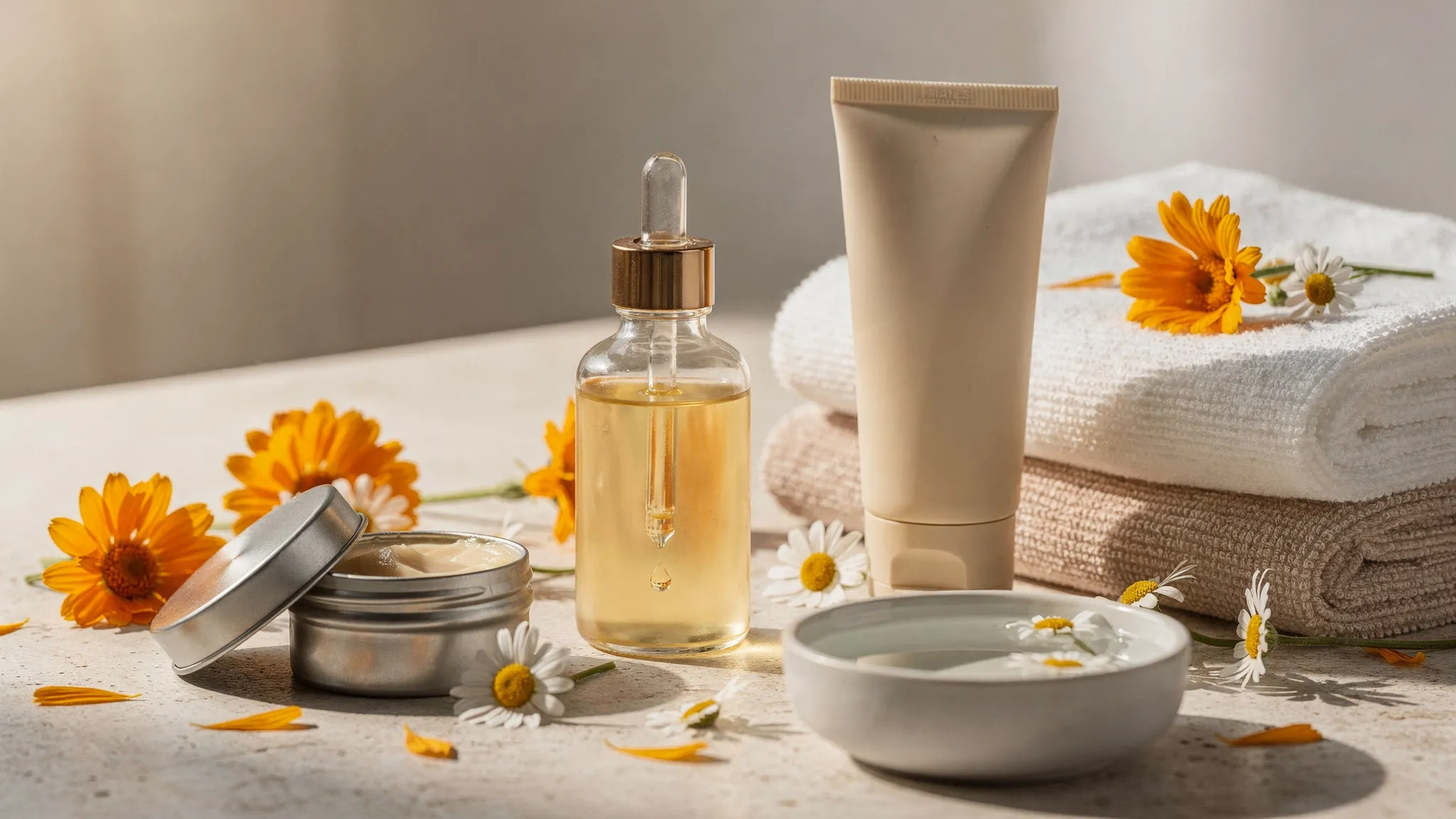
When skin feels tight after cleansing, stings when you apply products, or looks shiny and flaky at the same time, it is often asking for one thing: barrier support. The right organic skin products can help, but the word organic alone is not enough. A product supports the skin barrier when it cleanses gently, replenishes lipids, seals in hydration, and avoids unnecessary irritants.
That is where a thoughtful organic routine becomes powerful. Instead of chasing a ten-step glow, you build a calmer rhythm around ingredients your skin recognizes: botanical oils, butters, waxes, gentle cleansers, and soothing plant extracts.
Why your skin barrier deserves the first vote in your routine
Your skin barrier is the outermost defensive layer of the skin. Its main job is to keep water in and irritants out. A healthy barrier helps skin feel flexible, soft, and comfortable. A compromised one may feel dry, rough, reactive, itchy, or suddenly intolerant of products that once worked well.
A simple way to picture the barrier is the classic brick-and-mortar model. Skin cells act like bricks, while lipids such as ceramides, cholesterol, and fatty acids behave like mortar. When that mortar is depleted by harsh cleansing, over-exfoliation, weather, stress, or incompatible products, water escapes more easily. This is often discussed as transepidermal water loss, or TEWL.
Dermatologists have long emphasized the importance of gentle cleansing and immediate moisturization for dry, stressed skin. The American Academy of Dermatology recommends applying moisturizer after washing, while the skin is still slightly damp, to help trap water in the skin. Organic oils and balms fit beautifully into this principle when they are used at the right step.
What organic skin products should do for your barrier
Organic can be a meaningful standard when it refers to how plant ingredients are grown and processed. It often signals fewer pesticide residues, more transparent sourcing, and a closer relationship to whole botanical materials. Still, organic does not automatically mean gentle, non-comedogenic, or right for every skin type.
The FDA notes that organic cosmetic claims are connected to agricultural standards, while cosmetic labeling and safety are separate considerations. In other words, an organic lavender essential oil may still irritate highly reactive skin, and an organic face oil may still be too rich for someone prone to clogged pores.
The best organic skin products for barrier support share a few qualities:
- They have a clear purpose, such as cleansing, nourishing, sealing, or calming.
- They avoid harsh surfactants, synthetic fragrance, petroleum-derived fillers, drying alcohols, and unnecessary dyes.
- They use plant lipids, butters, waxes, or humectant layers in a way that makes sense for the product format.
- They are transparent about ingredients, texture, scent, and how to use them.
- They respect sensitive skin by encouraging patch testing and gradual introduction.
The barrier-support test for organic skincare
Before adding a new product, ask what job it performs for the barrier. If it does not cleanse gently, hydrate, replenish lipids, seal moisture, or calm visible stress, it may not need a place in your routine.
| Barrier need | Best organic product format | Helpful ingredient families | What to avoid |
|---|---|---|---|
| Cleanse without stripping | Oil cleanser, balm cleanser, low-foam milk cleanser | Plant oils, mild emulsifiers, calendula, chamomile | Sulfates, a squeaky-clean finish, hot water |
| Replenish lipids | Face oil, body oil, rich cream, balm | Jojoba, sunflower, argan, rosehip, shea butter | Very long formulas with unclear fragrance blends |
| Hydrate water content | Mist, essence, serum, damp-skin layering | Aloe, glycerin, hyaluronic acid, hydrosols if tolerated | Applying oil alone over completely dry skin |
| Seal and soften | Balm, butter, protective body oil | Shea, cocoa butter, beeswax, candelilla wax, castor oil | Heavy facial occlusion if you are milia-prone |
| Calm reactive areas | Minimalist balm or fragrance-light oil | Calendula, oat, chamomile, simple carrier oils | High-dose essential oils or frequent exfoliation |
Ingredient families that support barrier comfort
Cold-pressed plant oils
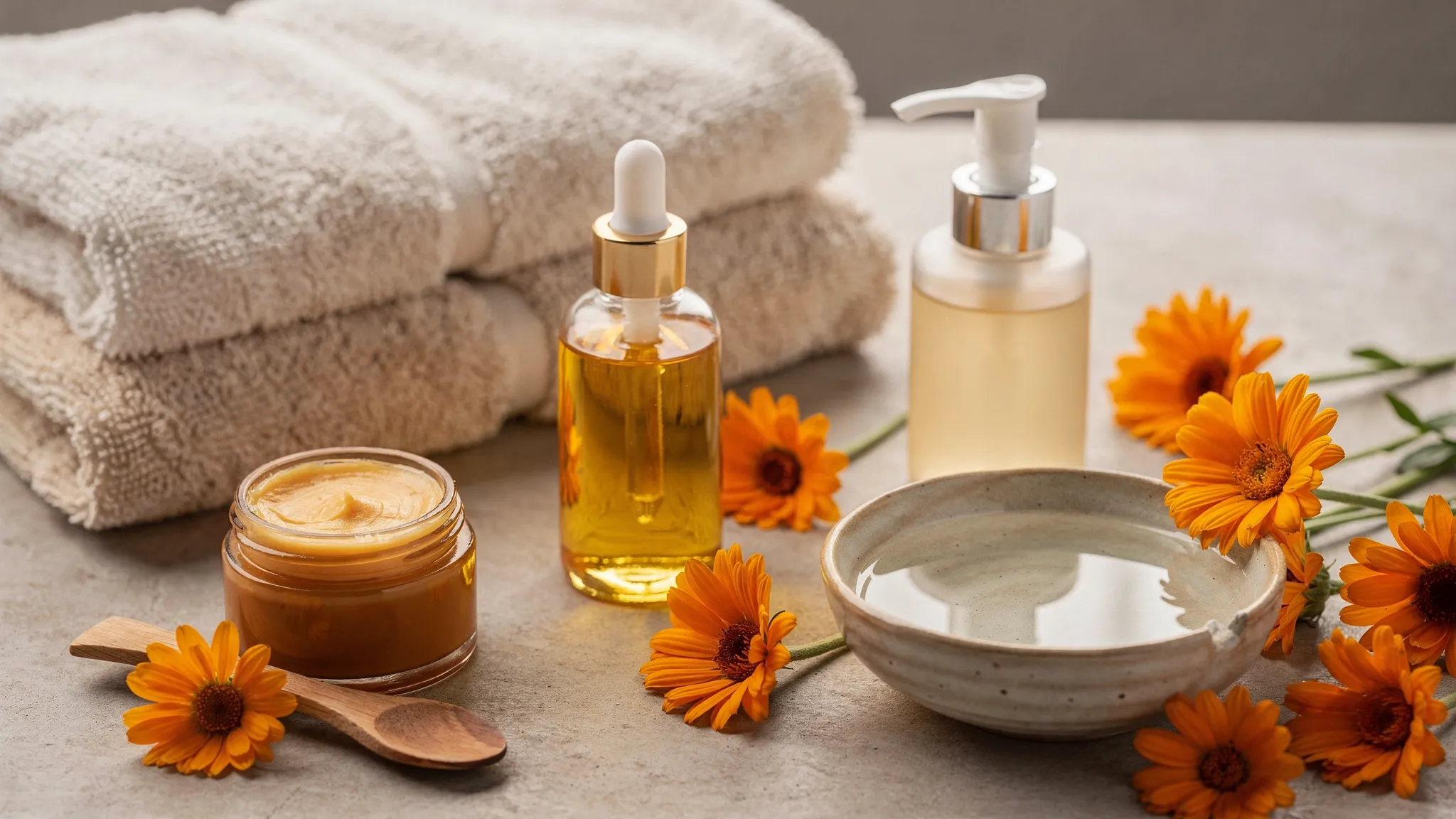
Plant oils are among the most important organic skin products for barrier support because they deliver lipids directly to the surface of the skin. Different oils have different fatty acid profiles, which affects how they feel and how they behave.
Linoleic-rich oils often feel lighter and may suit combination or blemish-prone skin. Oleic-rich oils tend to feel richer and more cushiony, which can be helpful for dry or mature skin. Jojoba is technically a wax ester and is prized because its texture feels close to the skin’s own sebum for many people.
If you want to go deeper into how these lipids work, Baby le Bébé’s guide to fatty acids in skincare explains why they matter for softness, flexibility, and barrier resilience.
Botanical butters and waxes
Butters and waxes help reduce water loss by creating a soft protective layer. Shea butter, cocoa butter, beeswax, and plant waxes can be especially useful on wind-chapped cheeks, dry elbows, rough hands, and irritated patches that need a little extra protection.
These ingredients are not always necessary for every face, every day. Oily or milia-prone skin may prefer a light facial oil most nights and a balm only on targeted dry spots. Dry body skin, on the other hand, often loves the cushion of a richer balm after bathing.
Soothing plant extracts
Calendula, chamomile, oat, and similar botanicals are often used in barrier-focused organic formulas because they can help reduce the feeling of discomfort. They are especially welcome in products designed for sensitive, dry, or delicate skin.
The key is concentration and context. A calming botanical in a simple oil or balm can be beautiful. A crowded formula with many essential oils and aromatic extracts can be too much for reactive skin. More plants do not always mean more support.
Gentle cleansers
The cleanser is the product most likely to either protect or disturb your barrier. A harsh cleanser can undo the benefits of your most beautiful oil or balm.
Barrier-supportive cleansing should leave skin comfortable, not tight. Oil cleansers and balm cleansers can be especially useful because they dissolve sunscreen, makeup, and daily buildup without relying on aggressive foaming agents. If you use a rinse-away formula, it should remove cleanly while leaving skin supple.
How to choose organic skin products by skin type
Your barrier needs lipids, hydration, and protection, but the texture should match your skin. A dry cheek, an acne-prone chin, and eczema-prone hands do not necessarily want the same product.
| Skin type or concern | Choose this texture | Look for | Be cautious with |
|---|---|---|---|
| Dry, tight skin | Rich oil, balm, butter, cream | Shea, argan, avocado, jojoba, protective waxes | Gel-only routines that evaporate quickly |
| Oily or congestion-prone skin | Lightweight oil or gentle oil cleanser | Jojoba, grapeseed, sunflower, squalane | Heavy layers of dense balm over the whole face |
| Sensitive or reactive skin | Minimalist, fragrance-light formulas | Calendula, oat, chamomile, simple carrier oils | Strong essential oils, frequent product switching |
| Mature skin | Cushioning oil plus hydration underneath | Rosehip, argan, sea buckthorn, antioxidant-rich oils | Overusing acids or retinoids without recovery days |
| Baby or delicate family skin | Very simple balm or oil | Fragrance-free or very low-fragrance botanical formulas | Complex blends and unnecessary actives |
A simple barrier-first routine with organic products
A barrier-supportive routine does not need to be complicated. In fact, when skin is stressed, fewer steps usually work better.
Morning
Start with a lukewarm rinse or a very gentle cleanse if needed. If your skin feels comfortable without cleanser in the morning, skipping it can be a smart barrier choice.
Apply any water-based hydration while skin is slightly damp. This might be a mist, hydrating serum, or simply water left on the skin after cleansing. Then press in a few drops of facial oil or a small amount of balm where you need comfort.
During the day, finish with broad-spectrum sunscreen. Even the most nourishing organic routine cannot replace UV protection.
Evening
Cleanse thoroughly but gently. If you wear sunscreen or makeup, an oil cleanser or balm cleanser can help dissolve buildup without leaving the skin stripped.
After cleansing, bring hydration back before sealing. This is the step many people miss. Oils and balms are excellent at softening and reducing water loss, but they work best when there is water to seal in. Press oil over damp skin, or layer it after a hydrating product.
If your barrier feels very compromised, keep the evening routine plain for one to two weeks. Pause exfoliating acids, strong retinoids, scrubs, and heavily scented products until your skin feels steady again.
Body care
For the body, timing matters. Apply body oil or balm within a few minutes of showering or bathing, while the skin is still warm and slightly damp. This is especially helpful for legs, arms, hands, and areas exposed to friction from clothing.
For extra-dry areas, layer a balm over body oil. This gives the skin both flexible lipids and a protective seal.
Mistakes that weaken the barrier, even in organic routines
Organic skincare can still go wrong if the routine is too aggressive or too crowded. Watch for these common issues:
- Choosing scent before function, especially if your skin is reactive.
- Using too many botanical actives at once, which makes it hard to identify irritation triggers.
- Assuming every organic oil is non-comedogenic.
- Applying oils over bone-dry skin and wondering why the skin still feels dehydrated.
- Over-exfoliating to fix dullness when the real issue is dryness or inflammation.
- Ignoring shelf life and storage, especially with preservative-free formulas.
Water-free oils and balms can be a beautiful fit for sensitive skin because they do not require the same preservation system as water-based creams. Still, they need clean handling. Keep jars and bottles closed, store them away from heat and direct sunlight, and avoid introducing water into the container. For more detail, read Baby le Bébé’s guide to preservative-free skincare.
Where Baby le Bébé fits into a barrier-supportive ritual
At Baby le Bébé, organic skincare is not treated as a trend. The apothecary is built around 100% natural formulations, 99% organic ingredients, and cruelty-free standards, with no synthetics, parabens, petroleum, preservatives, or fillers.
That approach pairs naturally with a barrier-first philosophy. Instead of overwhelming skin with unnecessary extras, the focus is on curated balms, oils, and cleansers that fit into a simple daily ritual: cleanse gently, hydrate thoughtfully, nourish with plant lipids, and seal where needed.
If your skin already feels irritated or fragile, you may also find it helpful to read how to repair your skin barrier before changing your routine.
Frequently Asked Questions
What organic skin products are best for the skin barrier? The most useful organic skin products for barrier support are gentle cleansers, botanical face oils, body oils, rich balms, and simple moisturizers that replenish lipids and reduce water loss. Look for clear ingredient lists, plant oils, butters, soothing botanicals, and minimal fragrance.
Can organic skincare repair a damaged skin barrier? Organic skincare can support barrier recovery when it is gentle, lipid-rich, and used consistently. However, severe irritation, infection, persistent eczema, or painful cracking should be evaluated by a dermatologist or healthcare professional.
Are organic oils good for acne-prone skin? Some organic oils can work well for acne-prone skin, especially lighter options with a non-heavy feel. The key is choosing the right oil, using only a small amount, and patch testing. Very rich oils or balms may be better reserved for dry patches rather than the entire face.
How long does it take to improve the skin barrier? Mild barrier stress can start to feel better within several days of simplifying your routine. More significant dryness, redness, or sensitivity may take several weeks of gentle cleansing, hydration, lipid support, and sun protection.
Does organic always mean safe for sensitive skin? No. Organic ingredients can still be potent, fragrant, or irritating for some people. Sensitive skin usually does best with simple formulas, low fragrance, slow product introduction, and careful patch testing.
Build a calmer organic ritual
If your skin has been asking for less noise and more nourishment, start with the basics: a gentle cleanse, a hydrating step, a botanical oil, and a protective balm where needed. Explore Baby le Bébé’s natural apothecary at babylebebe.com and choose organic skin products that help your barrier feel calm, soft, and supported.


0 comments