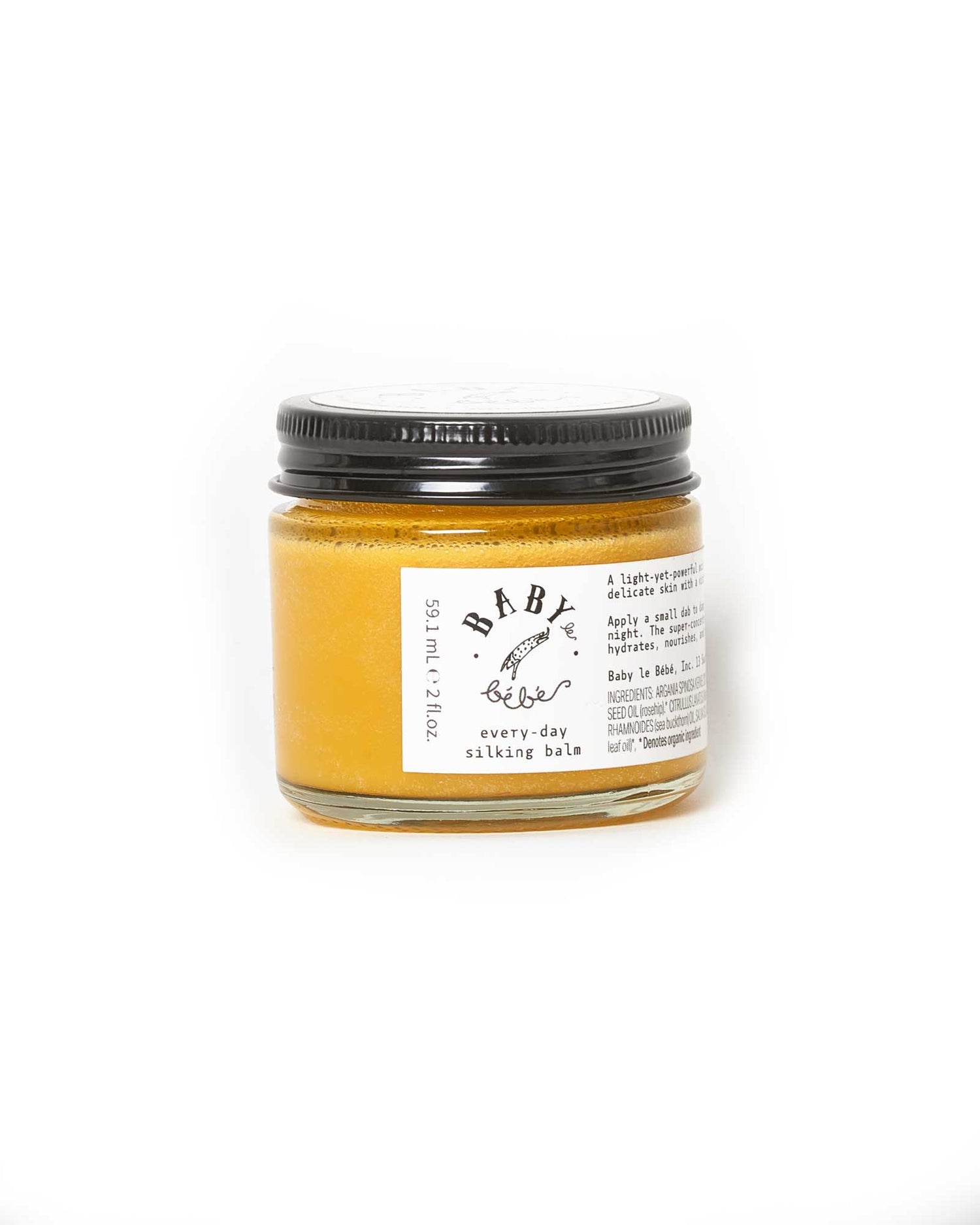


If you're just starting to explore the world of natural skincare, it’s easy to feel overwhelmed. A great place to begin is with a few trusted, multi-purpose oils like jojoba, rosehip, and squalane. They’re loved for their ability to balance, repair, and hydrate almost any skin type without feeling heavy or greasy, making them a perfect entry point.
Why Natural Face Oils Are Taking Over Skincare
It might seem like face oils appeared out of nowhere, but this isn't just another passing trend. It’s a genuine shift in how we think about skincare. People are consciously stepping away from complex, synthetic moisturizers and embracing the purity and simplicity of single-origin, plant-based oils.
This movement is all about transparency and results you can actually see and feel. We want ingredients we can pronounce and understand. The explosion in popularity of natural face oils is a direct answer to this call for honest, effective skincare that truly supports healthier skin.
The Rise of Plant-Based Purity
The numbers don't lie. The global face oil market is expected to hit USD 5.68 billion by 2033, a huge leap that shows just how much we're all leaning into natural ingredients. In fact, single-ingredient oils make up nearly 44% of the market, a testament to their purity and gentleness, especially for sensitive skin.
This return to nature comes from a deeper understanding of what our skin actually needs. Instead of overwhelming it with a 22-step routine, many are finding that a less-is-more approach delivers a far more radiant complexion. A focused routine built around a few high-quality products often leads to:
- An Improved Skin Barrier: Supporting your skin’s own natural defenses.
- Balanced Oil Production: Helping to calm both dryness and excess shine.
- An Enhanced Glow: Nourishing skin for that plump, bouncy feel.
The optimal simplified skincare routine is one that supports your skin’s natural barrier while addressing your core needs and nothing more. This philosophy champions using fewer, better products for visible results.
Of course, a radiant glow often comes from a holistic approach that goes beyond just what you put on your skin. While natural face oils offer incredible topical benefits, pairing them with other wellness practices can amplify the results. Exploring things like the infrared sauna skin benefits, for example, can beautifully complement your skincare efforts.
As you start to tune into what works for your body, you’ll see why a thoughtful, pared-back routine is so powerful. If you want to dive deeper, you can read about the benefits of switching to natural skincare in our guide.
How Face Oils Actually Nurture Your Skin
So, how does a beautiful face oil actually work its magic? To really get it, we have to look at what’s happening on a deeper level. It’s all about supporting your skin’s own brilliant defense system.
Think of your skin’s outermost layer—its protective barrier—as a beautifully constructed brick wall.
The skin cells are the ‘bricks,’ and the natural lipids (your skin's own oils) are the ‘mortar’ holding everything together. This mortar is everything. It’s what keeps precious moisture locked in and what keeps pollutants, irritants, and bacteria locked out.
But when that mortar starts to thin out—maybe from harsh weather, over-cleansing, or just the natural process of aging—your wall starts to develop tiny, microscopic cracks. This is where you get moisture loss (a condition called transepidermal water loss), sensitivity, and a dull, tired look.
This is exactly where a good face oil comes in. It acts like fresh, high-quality mortar for your skin.
Reinforcing Your Skin’s Natural Barrier
When you apply a high-quality botanical oil, you’re essentially giving your skin a fresh supply of the very lipids it has lost. These oils are full of fatty acids, which are the essential building blocks for healthy, happy cell membranes.
They slip into those microscopic gaps in your skin barrier, immediately strengthening its structure from the outside in.
This does two incredible things at once:
- It locks in moisture. By sealing those little cracks, oils stop the water in your skin from evaporating. This is what keeps your skin hydrated, plump, and supple.
- It defends against damage. A stronger, more intact barrier is far better at protecting your skin from daily stressors like pollution, UV rays, and extreme temperatures.
This dual action is the secret to their power. The right oil doesn't just sit on top of your skin; it becomes part of it, helping restore your skin’s own natural, healthy function.
Busting the Myth That Oil Causes Oiliness
This is one of the most persistent myths in skincare: that putting oil on your face will make it greasy or cause breakouts. For so many people, the exact opposite is true.
When you strip your skin of its natural oils using harsh cleansers, your skin can panic. It goes into overdrive, pumping out even more oil to try and compensate for what it lost.
By introducing a balanced, non-comedogenic oil, you send a signal to your skin that says, "It's okay, I've got this. We have enough oil now." This helps your skin rebalance its own sebum production, leading to a less shiny, more harmonious complexion over time.
For instance, lightweight oils that are high in linoleic acid—like grapeseed and safflower oil—are brilliant for oily skin. They absorb quickly and can even help thin out the thick, sticky sebum that’s known to clog pores.
By mimicking your skin's own lipid composition, the right natural face oil works with your skin, not against it, to find that healthy, glowing balance. That’s the true secret to their nurturing power.
Choosing the Right Natural Face Oil for Your Skin
Finding the right face oil shouldn't feel like a confusing game of chance. Think of it less like a blind guess and more like becoming a skilled matchmaker for your own skin. The real goal is to listen to what your skin is telling you and pair it with an oil whose properties will make it feel calm, balanced, and deeply nourished.
The secret isn't complicated. It comes down to understanding the balance of two key fatty acids found in botanical oils: linoleic acid and oleic acid. This isn't high-level chemistry; it's a simple, elegant framework that helps you understand how an oil will feel and perform on your skin.
Think of linoleic and oleic acids as being on opposite ends of a seesaw. Oils high in linoleic acid are generally lighter and faster-absorbing, while those rich in oleic acid are thicker, richer, and more deeply moisturizing. Your skin type has a natural preference for one side.
Once you grasp this, you can look at an ingredient list with total confidence. You'll be choosing what your skin truly needs, not just what a label is marketing.
Finding Your Perfect Oil Match
The first step is always to tune into your skin. Is it consistently thirsty and tight? Or does it get shiny by lunchtime? Maybe it’s easily irritated, or perhaps you're focused on graceful aging. Each of these states has an ideal oil partner waiting to be discovered.
This simple decision tree can help you visualize where to start, based on whether your skin leans oily or dry.

As you can see, the core idea is simple: oily skin often feels more balanced with lighter, linoleic-rich oils, while dry skin craves the comforting richness of oleic-heavy oils.
To make it even easier, here’s a quick-reference guide to help you find your perfect match.
Natural Face Oil Selector by Skin Type
| Skin Type | Primary Concern | Recommended Oils | Key Benefit |
|---|---|---|---|
| Oily / Acne-Prone | Excess sebum, clogged pores, breakouts | Grapeseed, Rosehip, Safflower | Lightweight and clarifying; helps rebalance the skin’s natural oils without causing congestion. |
| Dry / Dehydrated | Tightness, flakiness, rough texture | Avocado, Sweet Almond, Marula | Deeply nourishing and protective; replenishes the skin’s lipid barrier to lock in moisture. |
| Combination | Oily T-zone, dry cheeks | Jojoba, Argan, Hemp Seed | Balancing and versatile; mimics the skin’s natural sebum to harmonize oily and dry areas. |
| Mature | Fine lines, loss of elasticity, dryness | Rosehip, Argan, Sea Buckthorn | Restorative and firming; rich in antioxidants and fatty acids to support skin structure and glow. |
| Sensitive | Redness, irritation, reactivity | Jojoba, Sweet Almond, Calendula | Gentle and calming; soothes inflammation and helps strengthen a compromised skin barrier. |
This table is a great starting point, but let’s look a little closer at what makes these oils so effective for each skin type.
Oils for Oily and Acne-Prone Skin
It might feel counterintuitive, but the right oils are a true gift for oily skin. You'll want to look for oils high in linoleic acid. Some research even suggests that the natural sebum of acne-prone individuals can be deficient in this specific fatty acid, which makes it thicker and more likely to clog pores.
Applying linoleic acid-rich oils topically can help bring things back into harmony, making your own oil production feel less congesting.
Top choices include:
- Grapeseed Oil: Incredibly lightweight and absorbs in a flash. It’s a wonderful, non-comedogenic starting point.
- Rosehip Oil: Not only helps balance oiliness but is also a superstar at helping fade the appearance of post-acne marks and scarring.
- Safflower Oil: Boasts one of the highest concentrations of linoleic acid, making it a fantastic choice for clarifying the skin without stripping it.
Oils for Dry and Dehydrated Skin
If your skin constantly feels tight, flaky, or parched, your new best friends are oils high in oleic acid. These richer, more viscous oils are brilliant at replenishing the skin’s lipid barrier, sealing in precious moisture, and giving you that lasting feeling of comfort and softness.
Look for these deeply nourishing oils:
- Avocado Oil: A powerhouse of vitamins and fatty acids, it offers intense conditioning for very dry or stressed skin.
- Sweet Almond Oil: A gentle, classic oil that soothes dryness and irritation while leaving skin feeling soft and supple.
- Argan Oil: A beautiful, well-balanced oil that delivers deep moisture without an overly heavy feeling, making it a favorite for many, especially dry and mature skin.
Oils for Mature and Sensitive Skin
As skin matures, it naturally produces less oil and its supportive structure begins to soften. A smart approach is to combine deeply nourishing oils with those that support skin repair and elasticity. For a deeper dive into this topic, you might enjoy our guide to the best facial oils for aging skin.
Likewise, sensitive skin calls for gentle, calming oils that won’t provoke a reaction. Your focus should be on oils with known anti-inflammatory properties that can soothe redness and help build a more resilient skin barrier over time. Jojoba and Calendula-infused oils are beautiful, soothing choices here.
Reading the Label Like a Skincare Pro
Ready to become your own skincare expert? Learning to read an ingredient list is the single most important skill you can have when searching for a beautiful, effective face oil. It’s what turns you from a hopeful buyer into a confident curator of your own routine, making sure what you put on your skin is pure, potent, and truly nourishing.
Think of it like shopping at a farmer’s market instead of a giant supermarket. You’re looking for signs of quality and freshness. Words like cold-pressed, unrefined, and organic are your "freshly picked" signs.
-
Cold-Pressed & Unrefined: This tells you the oil was extracted without high heat, which is so important. Heat destroys the delicate fatty acids, vitamins, and antioxidants that your skin craves. This is a non-negotiable for a high-quality, nutrient-rich oil.
-
Organic: A certified organic seal means the plant was grown without synthetic pesticides or fertilizers. It’s a promise of purity, ensuring no unwanted chemical residues end up in the bottle or on your face.
What’s not in the bottle is just as important as what is. Reading a label isn't just about finding the good stuff; it’s about spotting the red flags.
Watch Out for These Red Flags
As you get comfortable scanning labels, a few common ingredients should give you pause. These are often fillers or potential irritants that do little for your skin and can get in the way of the beautiful oils doing their job.
-
Fragrance or Parfum: This single term can hide hundreds of undisclosed chemicals, many of which are known allergens. Truly natural products are scented only with pure essential oils, which will always be listed by their botanical name (like Lavandula angustifolia Oil).
-
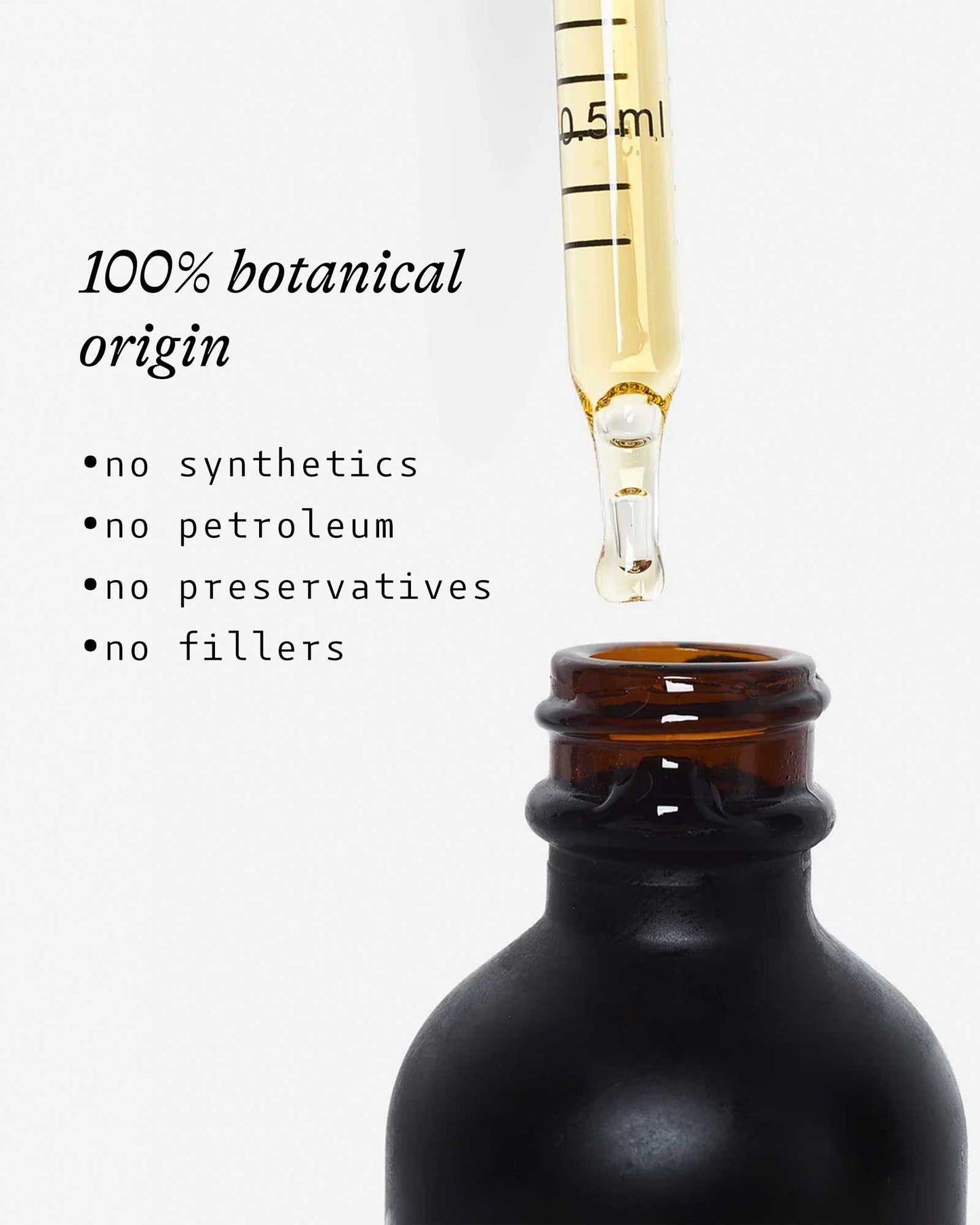
Mineral Oil & Petroleum: These are byproducts of the crude oil industry. Instead of delivering vitamins and fatty acids, they simply form a plastic-wrap-like film on the skin that can trap bacteria and clog pores.
-
Certain Silicones: Ingredients ending in "-cone" or "-siloxane" (like dimethicone) are shortcuts to a silky feel but offer zero skin nourishment. Worse, they can prevent the beneficial oils from ever absorbing properly.
Once you master reading your face oil ingredients, that skill extends to your entire routine. It helps you find other clean products, like the best non-toxic face cleansers, that work in harmony with your skin.
This shift toward ingredient-conscious shopping is changing the entire beauty industry. A demand for plant-based purity and transparency is reshaping what brands create. In fact, over 65% of beauty consumers now actively seek out plant-based formulas, pushing brands to finally prioritize real, natural oils over synthetic fillers. You can see more about these trends in this market report.
Mastering Your Daily Face Oil Ritual
Bringing a face oil into your daily routine should feel like a simple, beautiful moment of self-care, not a puzzle. Once you understand a few core principles, you’ll feel the full benefit of every single drop. The secret is knowing how and when to apply it.
The golden rule of layering skincare is to go from the lightest texture to the heaviest. Think of it this way: your lighter, water-based serums are designed to sink in and deliver targeted ingredients deep into the skin. Your oil, with its richer structure, comes last to create a protective seal.
This final step is everything. The oil acts as a beautiful, soft barrier that locks in all the hydrating goodness from your previous steps while defending your skin from the elements. It’s the gentle gatekeeper that ensures your skin stays plump, hydrated, and calm.
The Press and Pat Method
Forget rubbing. The most effective way to apply your face oil is with a gentle pressing motion. This is the technique professionals use to get even distribution and enhance absorption without pulling or stretching your delicate facial skin.
Here’s how to turn it into a small ritual:
- Start Small: Dispense just 2-4 drops into the palm of your hand. A little goes a very long way, and it’s always easier to add a bit more than to take any away.
- Warm the Oil: Gently rub your palms together. This warms the oil, helping it melt and absorb more readily into your skin. It also feels incredible.
- Press and Pat: Lightly press your palms onto your face, starting with your cheeks, then your forehead, and finally your chin, neck, and décolletage. Use the oil left on your fingertips to gently pat around the delicate eye area.
This mindful application turns a simple step into a grounding moment, connecting you to your skin and your senses.
Customizing Your Ritual for Morning and Night
Your skin’s needs shift from morning to evening, and your face oil application can adapt right along with them. This isn’t about using different products, but simply adjusting your technique for the best results throughout the day. For more on this, you can learn more about how to use facial oil in our detailed guide.
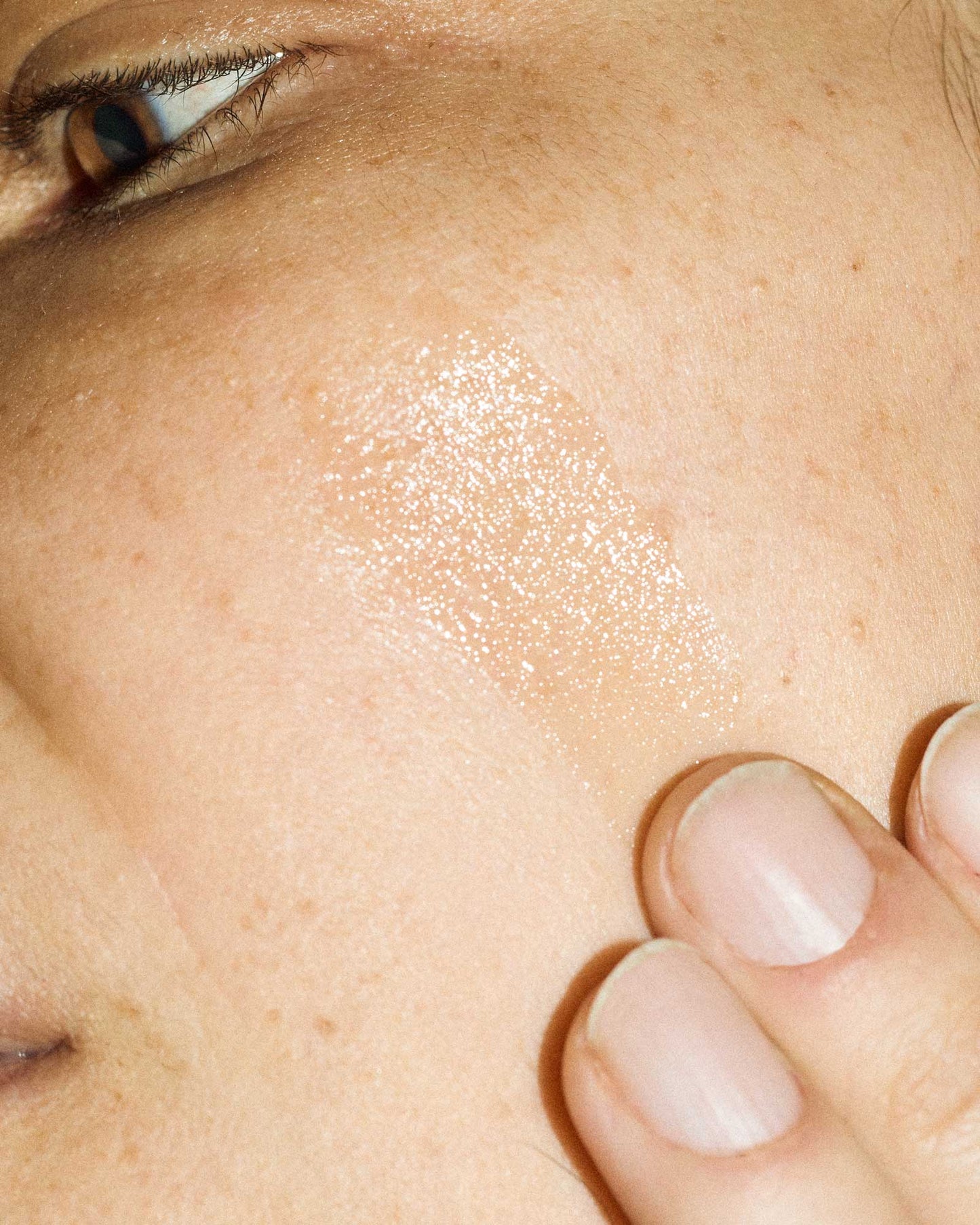
For a Daytime Glow: In the morning, you want radiance without feeling greasy. A lighter touch is key. Try adding just one or two drops of your face oil directly into your moisturizer. Mix them in your palm and apply as a single, nourishing step. This gives you a subtle, dewy finish that sits beautifully under makeup.
For Overnight Recovery: Nighttime is when your skin goes into repair mode, making it the perfect time for a more restorative treatment. After your serums and moisturizer have absorbed, apply a few drops of your face oil as the final, sealing step in your routine.
Using your best natural face oils at night is like giving your skin a "sleep mask." It seals in moisture and active ingredients, allowing your skin to deeply rejuvenate overnight. You'll wake up to a softer, calmer, and more supple complexion.
Your Questions on Natural Face Oils Answered
Stepping into the world of face oils is exciting, but it’s completely normal to have a few questions. Getting clear, straightforward answers can make all the difference, helping you feel confident as you add one of these beautiful botanical formulas to your skincare ritual.
Here are a few of the most common questions we hear.
Will Using a Face Oil Make My Skin Break Out?
This is the number one concern for so many people, especially if you have oily or blemish-prone skin. The short answer? Not if you use the right kind of oil.
The myth that all oils cause breakouts usually comes from experiences with heavy, pore-clogging ingredients like mineral oil or coconut oil—not high-quality, non-comedogenic plant oils. Many natural botanicals, especially those high in linoleic acid (like grapeseed or rosehip oil), can actually help balance your skin’s own oil production and may even reduce congestion.
It’s all about working with your skin’s nature, not against it. A lightweight, skin-compatible oil will nourish and balance, not overwhelm.
Can I Use a Face Oil Instead of a Moisturizer?
This is a great question, and it gets to the heart of what these products are designed to do. They have different, but very complementary, jobs.
- Moisturizers (creams and lotions) are primarily for hydration. Think of them as delivering a drink of water to your skin cells.
- Oils are primarily for nourishment and occlusion. They create a soft, protective seal that locks all that lovely hydration in.
For most people, the magic happens when you layer them. Applying a face oil over your moisturizer (or on damp skin) is the best way to seal in hydration and nutrients. That said, if your skin is naturally oily or you live in a humid climate, a few drops of a high-quality face oil might be all you need to feel soft, balanced, and perfectly nourished.
How Do I Keep My Natural Face Oil Fresh?
Because the best natural face oils are made with pure botanicals and no synthetic preservatives, proper storage is key to protecting their potency. Heat, light, and air are the three things that can cause a delicate oil to degrade over time.
Think of your face oil like a high-quality fresh ingredient in your kitchen. To protect it, keep the bottle in a cool, dark place like a cabinet—never on a sunny windowsill. This is exactly why you'll almost always see high-quality oils packaged in dark glass bottles.
Always make sure the cap is tightened securely after each use. This simple step minimizes air exposure, which keeps the oil from oxidizing and losing its beautiful, nutrient-rich profile.
How Much Face Oil Should I Actually Use?
Less is always more. One of the most common mistakes is using too much, which can leave your skin feeling greasy instead of dewy.
For your entire face and neck, just 2 to 4 drops is usually the perfect amount. Warm the drops between your palms first, then gently press the oil onto your skin. This "press and pat" method creates an even, thin layer and helps the oil absorb beautifully. You can always add another drop if your skin feels thirsty, but starting small is the secret.
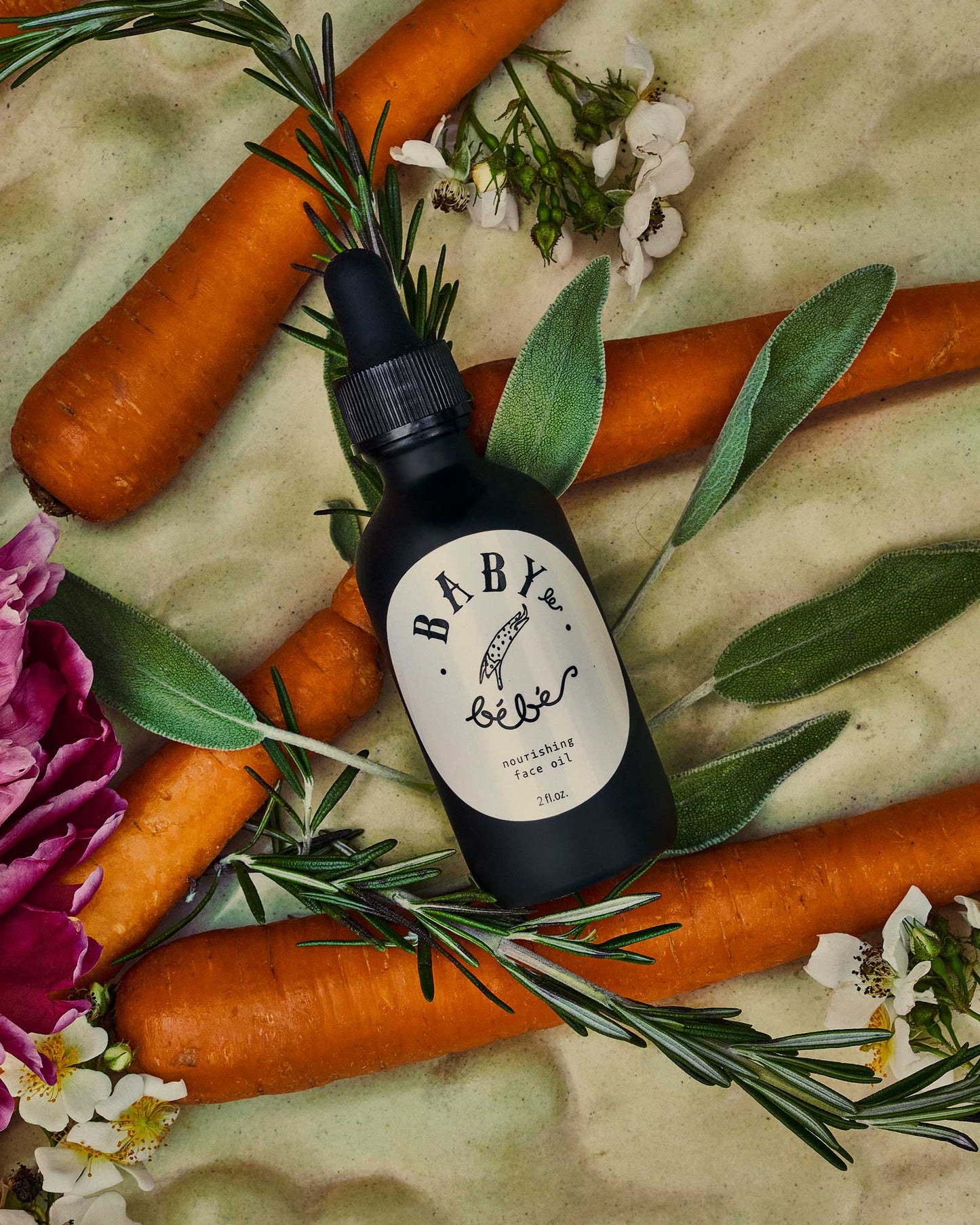
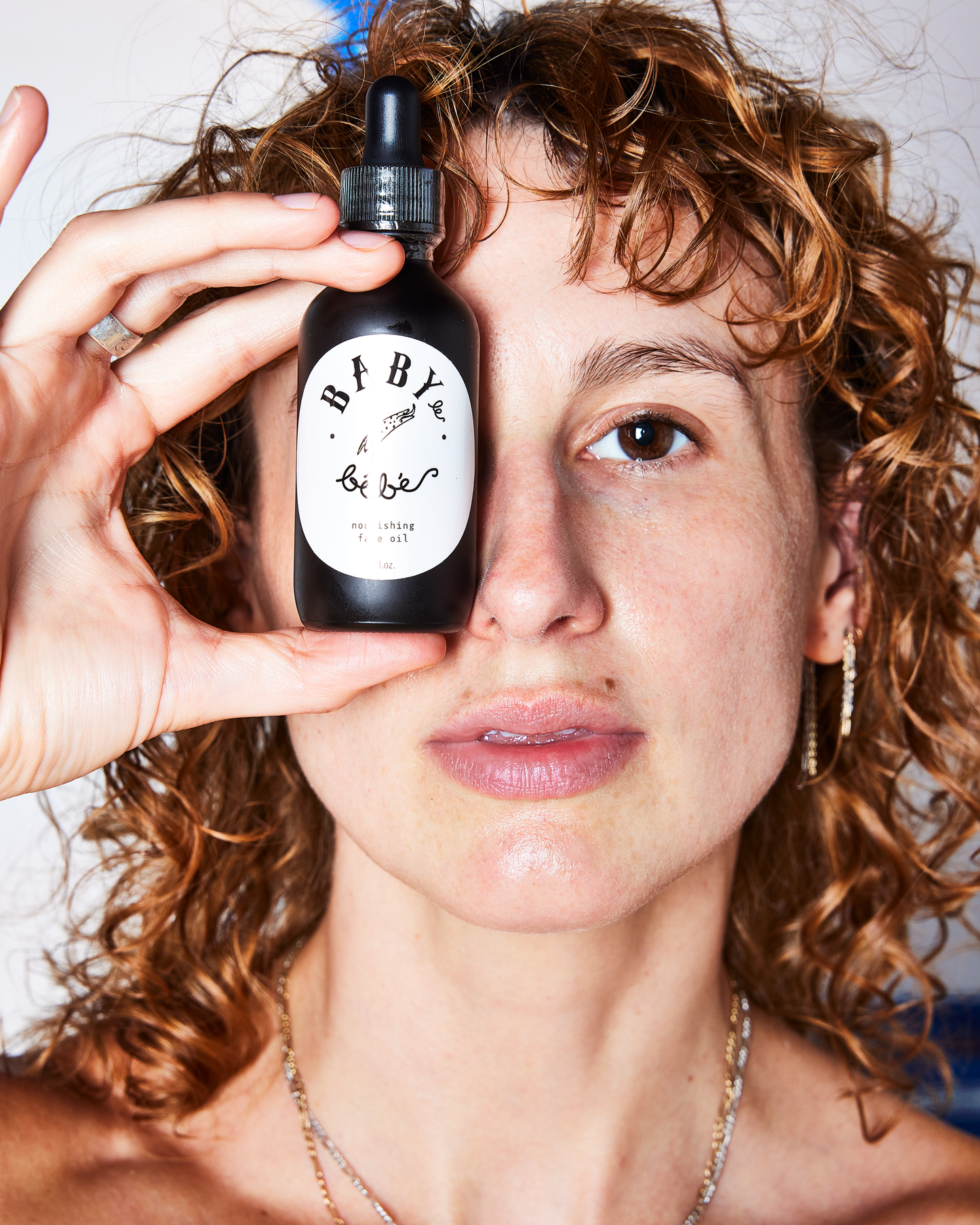
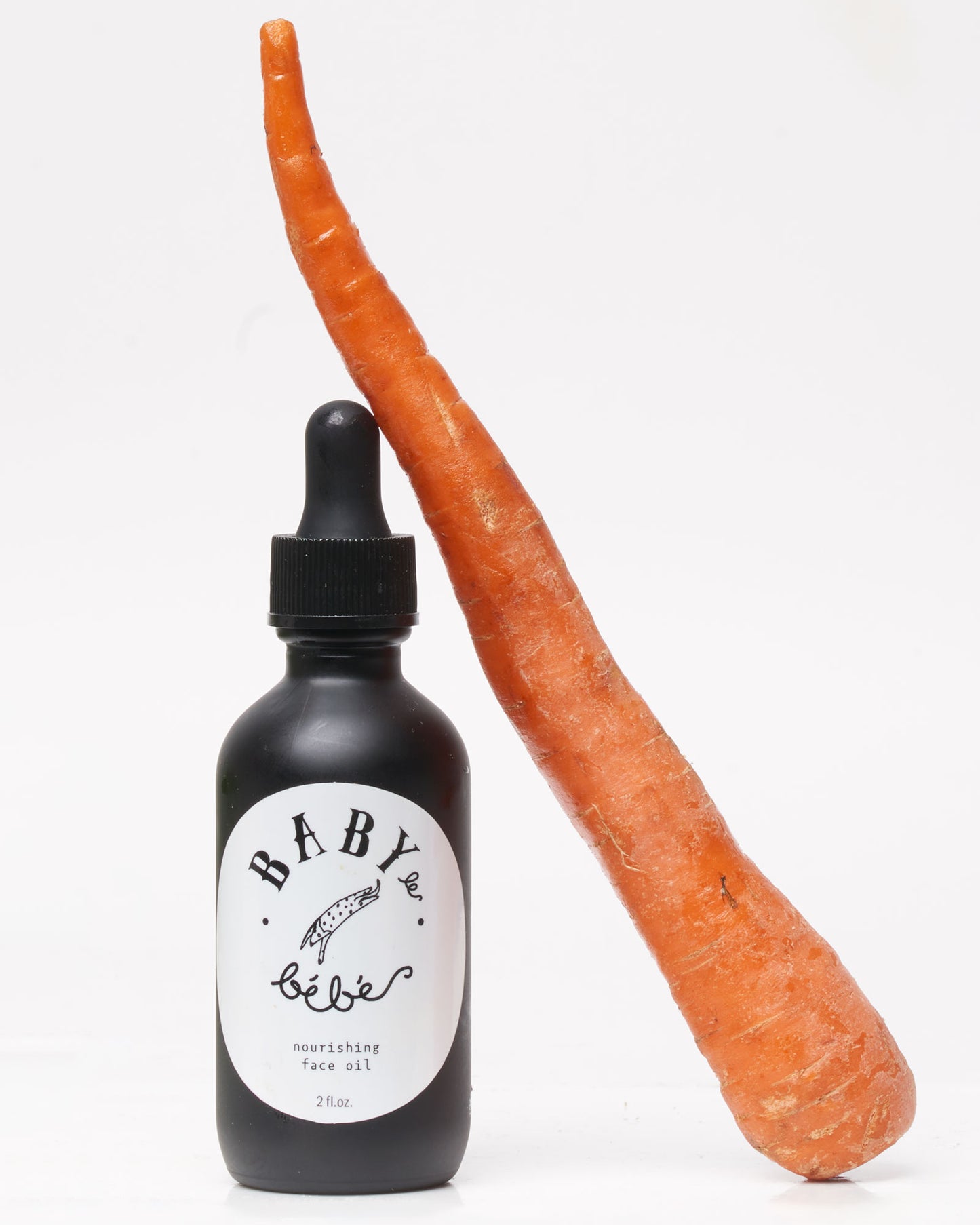
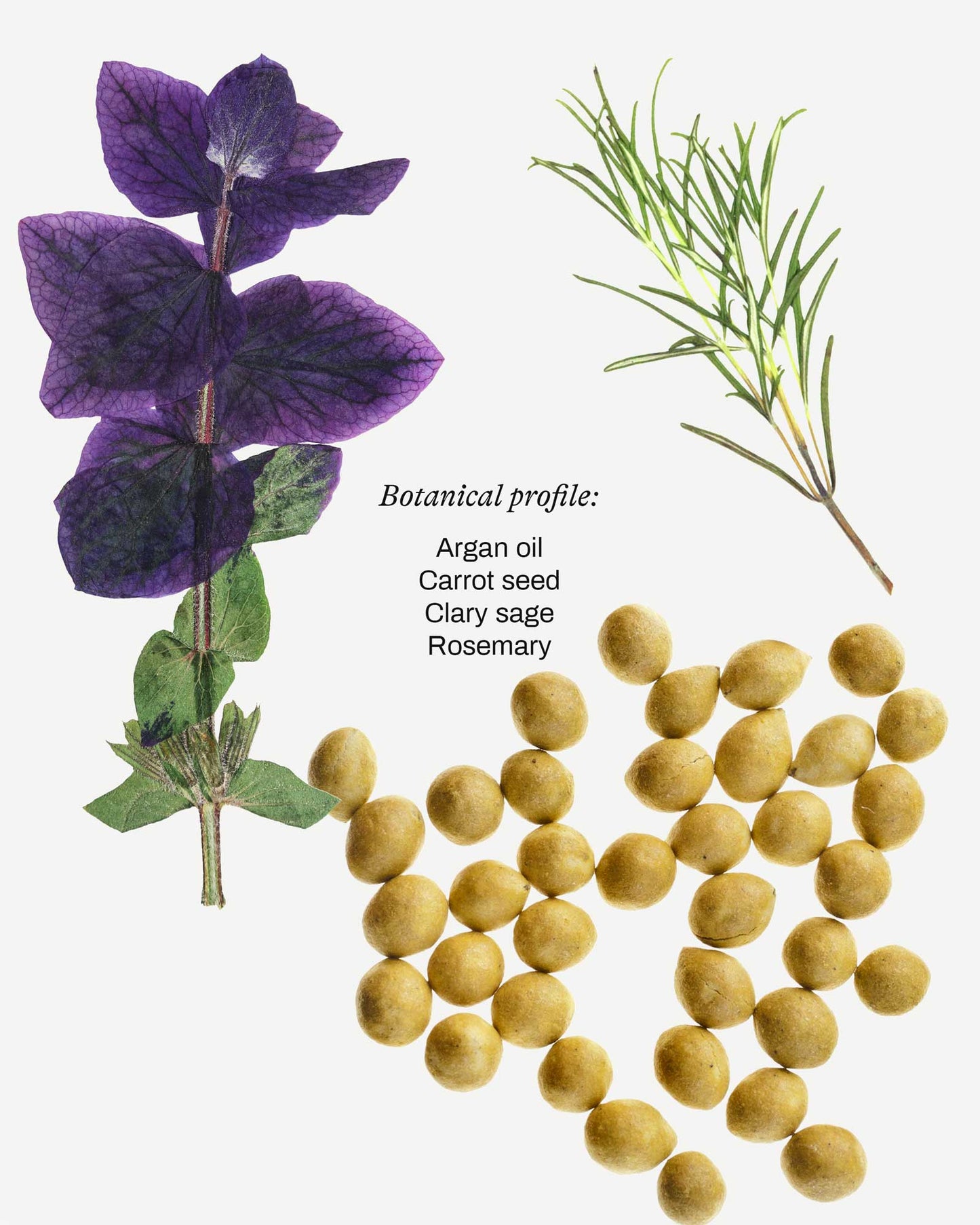
Ready to build your own calming ritual? Baby le Bébé offers a curated line of botanical formulas to cleanse, hydrate, and seal moisture for resilient skin. Discover our Nourishing Face Oil and start your journey to a simpler, more effective routine.